Table of Contents >> Show >> Hide
- Wellness tourism, defined (without the fluff)
- Why wellness tourism is booming
- Wellness retreat vs. spa vacation vs. “my hotel had a treadmill”
- Types of wellness tourism (and who each one is for)
- 1) Destination spas
- 2) Yoga and meditation retreats
- 3) Nature-based wellness (a.k.a. the “go outside and let your nervous system reboot” genre)
- 4) Thermal bathing, hot springs, and sauna culture
- 5) Sleep tourism
- 6) Digital detox retreats
- 7) Medical wellness and preventive health travel
- 8) Community-based wellness destinations
- What actually happens at a wellness retreat?
- How to choose the right wellness retreat
- Planning tips for a wellness trip that doesn’t backfire
- How to make the benefits last after you get home
- Myths and red flags to watch for
- Experiences: what wellness tourism can feel like
- Conclusion: wellness travel that’s actually worth it
You know that feeling when you come back from a trip and need a vacation from your vacation? Wellness tourism is the
antidote to that particular brand of chaos. It’s travel designed to help you feel better when you get homemore
rested, more grounded, and ideally less tempted to “accidentally” schedule 37 meetings the moment you land.
But wellness tourism isn’t just fancy robes, cucumber water, and someone whispering “inhale” while you wonder if you
left your stove on. It’s a huge umbrella that covers everything from destination spas and yoga retreats to hot
springs, nature-based resets, and even trips built around sleep, stress management, or preventive health checkups.
This guide breaks down what counts as wellness tourism, what happens at retreats, how to choose one that fits your
real life (and not just your Pinterest board), and how to bring the benefits homeso it’s not “relaxed for 48 hours,
then emotionally attacked by my inbox.”
Wellness tourism, defined (without the fluff)
The simplest definition: wellness tourism is travel associated with maintaining or enhancing your personal
well-being. That can mean physical wellness (movement, recovery, sleep), mental wellness (stress reduction,
mindfulness), social wellness (connection, community), or a mix of all of the above.
A helpful way to understand it is by motivation. There are two common “types” of wellness travelers:
- Primary wellness travelers: the trip exists because of wellness (you book a retreat,
a destination spa, a thermal springs stay, a meditation intensive, etc.). - Secondary wellness travelers: you’re traveling for another reason (work, family, a normal
vacation), but you intentionally weave in wellness (healthy routines, spa time, fitness classes, nature walks,
better sleep boundaries).
Translation: if you fly somewhere specifically to learn how to sleep again, you’re a primary wellness traveler. If
you’re in Chicago for a conference and you book a morning yoga class instead of doom-scrolling in your hotel room,
you’re a secondary wellness traveler. Both countand honestly, secondary wellness travel is how most people start.
Why wellness tourism is booming
Modern travel can be surprisingly unwell: cramped flights, weird sleep, constant notifications, and “I guess dinner
is a granola bar because the museum line was long.” Wellness tourism flips that script. Instead of returning home
depleted, the goal is to return home resourced.
The rise also makes sense culturally. More people are talking openly about stress, burnout, anxiety, and sleep
strugglesand looking for experiences that help them build healthier habits. Even vacation research and psychology
conversations tend to land on a similar idea: time away can reduce stress and improve well-being, but the effect can
fade quickly if life snaps back to normal at warp speed. Wellness travel tries to slow that snap-back by offering
structure, coaching, and practices you can actually keep.
Wellness retreat vs. spa vacation vs. “my hotel had a treadmill”
Not all “wellness” travel is the same. Here’s a practical way to tell what you’re bookingbecause your budget
deserves clarity.
Spa vacation
A spa vacation is usually about relaxation in the moment: massages, facials, soaking pools, maybe a sauna. It can
be wonderful. But it’s often “drop in, chill out, go home.”
Wellness retreat
A wellness retreat typically involves a structured program over multiple days: movement classes, mindfulness,
workshops, sleep support, outdoor time, and sometimes coaching. The goal is longer-lasting changenot a single
glorious nap with aromatherapy.
Wellness-focused hotel/resort stay
Many hotels now offer wellness programming (fitness classes, guided hikes, meditation, thermal circuits). These can
be great “light” wellness trips: less intense than a retreat, more supportive than a standard vacation.
Pro tip: read what’s included. Some properties bundle classes and meals; others charge à la carte. Two trips can
look identical on Instagram and wildly different on your credit card statement.
Types of wellness tourism (and who each one is for)
1) Destination spas
Think of destination spas as places where wellness isn’t an add-onit’s the main event. You often stay on-site and
follow a schedule that includes treatments, movement, education, and healthy routines. If you like structure (or
secretly wish someone would just tell you when to eat, move, and sleep), destination spas can be a good fit.
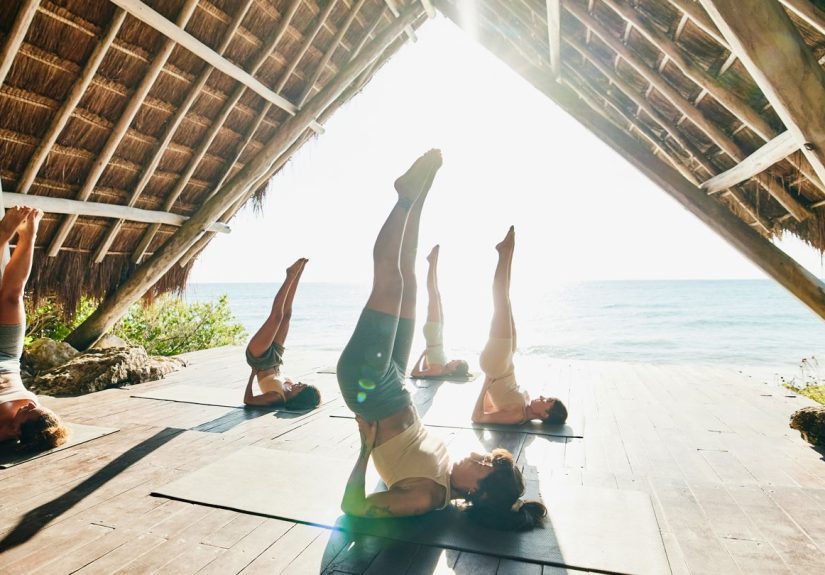
2) Yoga and meditation retreats
These range from beginner-friendly “stretch, breathe, and nap like a champion” weekends to deeper practice retreats
with multiple daily sessions and longer meditation blocks. Many include workshops on stress, breathwork, or mindful
living. If your brain is loud and you want the volume turned down, this category is popular for a reason.
Important reality check: you don’t have to be flexible. Nobody is handing out gold medals for touching your toes.
The best retreats meet people where they are and focus on consistency over perfection.
3) Nature-based wellness (a.k.a. the “go outside and let your nervous system reboot” genre)
Nature-based wellness can include guided hiking, mindfulness walks, outdoor fitness, and “forest bathing”
(shinrin-yoku)a slow, sensory way of being in nature that research literature often connects with stress reduction.
If you feel better after touching grass (respectfully), you’ll probably love this.
4) Thermal bathing, hot springs, and sauna culture
From hot springs to thermal circuits to sauna-and-cold-plunge routines, heat and water have long been used for
relaxation and recovery. Some benefits (like stress reduction and muscle relaxation) are widely discussed, while
other claims are still evolving. It’s also not one-size-fits-all: heat can be risky for some medical conditions, and
hydration matters. But if your body carries stress in your shoulders like it’s a full-time job, thermal experiences
can be profoundly soothing.
5) Sleep tourism
Yes, this is real. Sleep-focused travel might include quieter rooms, circadian lighting, sleep coaching, and
schedules designed to stabilize your routine. If you’re running on “two coffees and vibes,” a sleep-focused trip can
be less glamorous and more life-changing than you’d expect.
6) Digital detox retreats
A digital detox retreat reduces (or removes) screens and notifications so your attention can recover. Some are
strictphones locked away. Others are flexiblelimited use windows. The point isn’t to hate technology; it’s to
rebuild choice. If you’ve ever opened your phone to check the weather and woke up 47 minutes later in a video about
a raccoon washing cotton candy, you understand the assignment.
7) Medical wellness and preventive health travel
Some travelers build a trip around preventive health assessments, rehab, or supervised wellness programs. This can
overlap with medical tourism, but the intent may be prevention, longevity, or recovery support rather than a single
procedure. If you’re considering anything that sounds clinical, prioritize licensed providers, transparent medical
oversight, and your own clinician’s guidance.
8) Community-based wellness destinations
Some regions market themselves as wellness destinations because wellness is embedded into local lifewalkable
environments, access to nature, local traditions, and well-being-focused infrastructure. This is “wellness as a
place,” not just a resort.
What actually happens at a wellness retreat?
The specifics vary, but many retreats share a few building blocks:
- A daily rhythm: set wake/sleep times, movement blocks, meals, and rest.
- Movement: yoga, strength classes, hikes, Pilates, mobility, or low-impact trainingoften scaled
for different levels. - Mind-body work: meditation, breathwork, sound baths, journaling, mindfulness classes.
- Recovery: massage, sauna, hydrotherapy, stretching, naps (the underrated hero).
- Education: workshops on stress, sleep, nutrition basics, or habit-buildingoften the “take this
home” part. - Environment: quiet, nature access, fewer distractions, and spaces designed to calm you down.
A well-designed retreat isn’t about “fixing” you. It’s about giving your nervous system a break, giving you tools,
and making healthy choices easier for a few daysso you can remember what that feels like.
How to choose the right wellness retreat
Start with your real goal (not your fantasy goal)
Ask yourself what you want most:
rest, stress reduction, movement, sleep repair,
nature time, community, or a reset from screens.
Pick one or two priorities. If you try to solve your entire life in four days, you’ll spend the retreat…
planning how to optimize the retreat. (We love ambition. We also love naps.)
Look at the structure: supportive or suffocating?
Some people thrive on a full schedule. Others need spaciousness. Scan the itinerary: is there downtime? Are classes
optional? Is it beginner-friendly? The “right” structure is the one that helps you feel safe and steady.
Check staff credentials and safety policies
For anything involving fitness, mental health support, or medical-style services, look for appropriately qualified
professionals, clear boundaries, and transparent disclaimers. If a retreat claims it can cure serious conditions,
that’s a red flagnot a selling point.
Confirm what’s included (and what’s not)
Before you book, confirm:
- Meals and snacks
- Classes and workshops
- Treatments (and how many)
- Transfers/transportation
- Extra fees (gear rentals, private sessions, add-on therapies)
Consider accessibility and comfort
Wellness shouldn’t require suffering through a mattress that feels like a baguette. Check the physical demands
(stairs, hikes, heat exposure, long sitting) and accommodations (noise levels, room sharing, climate). The best
retreat is the one you can actually enjoy.
Planning tips for a wellness trip that doesn’t backfire
The goal is to arrive ready to receive the experiencenot already dehydrated, sunburned, and emotionally fragile
because your flight was delayed and someone ate the last airport banana.
Protect your basics: sleep, hydration, sun, hygiene
- Hydrate: travel is dehydrating; bring a bottle you like using.
- Sun protection: sunscreen and basic sun safety still matter even if you’re “just hiking.”
- Hand hygiene: boring, effective, always in style.
Manage jet lag like it’s part of the itinerary
Crossing time zones can make you feel “off” even in a gorgeous place. Strategies often include shifting sleep
gradually, using light exposure wisely, and limiting dehydrating triggers that wreck sleep. If your retreat starts
with a 7 a.m. meditation, plan your arrival so you’re not silently negotiating with your eyelids the entire time.
Pack for comfort, not performance
Bring layers, comfortable shoes, and whatever helps you settle: a book, earplugs, a journal, your favorite tea.
Leave the “I might become a different person who loves running at sunrise” outfit at home unless it’s genuinely you.
If you’re under 18, plan with a parent/guardian
Many retreats have age policies. If you’re booking for teens, look specifically for family-friendly wellness
programs or resorts with wellness activities designed for younger travelers.
How to make the benefits last after you get home
The secret sauce of wellness tourism isn’t the eucalyptus towel. It’s habit transfer. Your retreat should give you
a few practices you can keep on a Tuesday.
- Pick one anchor habit: a 10-minute walk, a short mindfulness practice, or a consistent bedtime.
- Keep one “retreat rule”: no phone at meals, or a daily quiet window.
- Schedule recovery like it matters: even a mini reset day once a month can help.
- Lower the bar (on purpose): consistency beats intensity for real life.
If you do nothing else, protect the first 24 hours back home. Don’t book the “catch-up marathon” immediately. Give
yourself a gentle landing so the calm doesn’t evaporate in the baggage claim.
Myths and red flags to watch for
- “Detox” as a medical promise: your body already detoxes via organs that deserve respect. Be wary
of extreme claims or overly restrictive programs. - Miracle cures: wellness travel can support well-being; it shouldn’t replace medical care for
serious issues. - Pressure tactics: “limited time offer” upsells for expensive add-ons can be a sign the program is
more sales funnel than sanctuary. - Unsafe heat protocols: saunas and thermal experiences can be great, but they’re not risk-free.
If guidance is sloppy, skip it.
Experiences: what wellness tourism can feel like
If you’ve never taken a wellness-focused trip, it can sound abstractlike buying a plane ticket to “self-care,”
which feels suspiciously like a candle ad. So here are a few experience-style snapshots to make it real. These
aren’t “perfect influencer days.” They’re the kinds of moments people talk about afterwardthe small shifts that
stick.
Experience #1: The “my brain finally stopped multitasking” weekend
The retreat starts on a Friday afternoon with a gentle orientation and one deceptively simple request: put your
phone away during meals. At first, your hand keeps drifting toward your pocket like it’s searching for a tiny
emotional support rectangle. But by dinner, something weird happens: you taste your food. Like, actually. Later
there’s a short mindfulness sessionten minutes of breathing, not an hour of spiritual gymnastics. The next morning,
you wake up without an alarm because you went to bed earlier than usual. Not because someone guilted you into it,
but because your body finally got a chance to exhale. By day two, you realize the biggest luxury isn’t the spa.
It’s attention. Undivided attention. You leave with one habit: a 15-minute “no phone, no tasks” window each day.
It sounds small. It feels huge.
Experience #2: The nature reset that didn’t require “being outdoorsy”
You expected a hardcore hike. What you got was a slow walk with a guide who kept pointing out ordinary miracles:
the smell of pine after sun, the sound of wind changing direction, the way your shoulders drop when you stop
narrating your life in your head. There’s time to sitnot to “achieve mindfulness,” but to notice you’re alive in a
body, not just a brain with Wi-Fi. Later, movement class is low-impact: mobility, balance, and stretching that feels
like kindness instead of punishment. On the last day, you’re not transformed into a mountain goat. But your sleep is
better. Your mood is steadier. And you learn a trick you can use at home: take a walk without headphones once in a
while and let the day be… a day.
Experience #3: The thermal circuit that made rest feel legitimate
You rotate between warm and cool environmentsslowly, safely, with staff who actually explain hydration and pacing.
The heat loosens muscles you didn’t know you were clenching. The quiet makes time feel thicker, like it’s not
sprinting ahead of you. Afterward, instead of rushing to the next activity, you lie down and do nothing. Not “I’m
doing nothing but I’m anxious about it” nothing. Real nothing. Later, a short workshop talks about stress response
and recovery: how your body can’t be in “go mode” forever without paying interest. You leave with a new boundary:
recovery is part of productivity, not the opposite of it. Also, you become slightly obsessed with drinking water,
which is a surprisingly wholesome personality trait.
Experience #4: The wellness retreat that quietly changed your Tuesday
This one doesn’t feel dramatic while you’re there. The schedule is simple: morning movement, a class on sleep
routines, nutritious meals, and downtime that isn’t secretly filled with errands. The biggest change is noticing
patterns: you sleep better when you dim lights earlier; you’re calmer when you walk after lunch; you feel less
scattered when you do one thing at a time. Back home, life is still life. But Tuesday arrives and, almost
accidentally, you keep one ritual: a short evening wind-downshower, stretch, book, bed. No heroics. No perfection.
Just a small sequence that tells your body it’s safe to rest. And that’s the real win: a retreat that follows you
home without needing a suitcase.
Conclusion: wellness travel that’s actually worth it
Wellness tourism isn’t about becoming a new person in a linen jumpsuit. It’s about creating the conditions where
your mind and body can recoverand giving you tools that work in real life. Whether you book a structured retreat,
plan a weekend at a destination spa, soak in hot springs, or simply travel with better boundaries, the best wellness
trip is the one that leaves you feeling more like yourself when you return.
If you’re curious, start small: a long weekend with one wellness focus (sleep, nature, movement, mindfulness) and a
plan for how you’ll keep one habit afterward. That’s how wellness tourism stops being a trend and becomes something
genuinely useful: a reset you can repeat, not just a vibe you scroll past.