Table of Contents >> Show >> Hide
- Why an Oscillating Multi-Tool Belongs in Your Toolbox
- How We Tested Oscillating Tools
- Our Top Picks
- Best Overall: Fein MultiMaster (for Smooth Power and Low Vibration)
- Best Cordless Pro Pick: Milwaukee M18 FUEL (Speed + Jobsite Toughness)
- Best Value: DeWalt 20V MAX XR 3-Speed (Control You’ll Actually Use)
- Best Compact Cordless: Milwaukee M12 FUEL (Small Tool, Big Utility)
- Best Budget Corded: Black+Decker (Affordable Entry to the Oscillating Club)
- Best Budget Cordless Ecosystem Pick: Ryobi ONE+ (DIY-Friendly and Widely Supported)
- What to Look for When Buying an Oscillating Tool
- Favorite Use Cases (Where This Tool Feels Like Cheating)
- Safety Tips (Because the Tool Is Quietly Powerful)
- Oscillating Tool FAQs
- Conclusion: Our Quick Take
- Real-World Experiences From Testing (The Stuff You Only Learn Mid-Project)
If power tools had a “Swiss Army knife” division, the oscillating multi-tool would be Employee of the Month… every month. It cuts. It sands. It scrapes. It reaches into tight corners where your other tools refuse to go (kind of like that one sock that always ends up behind the dryer).
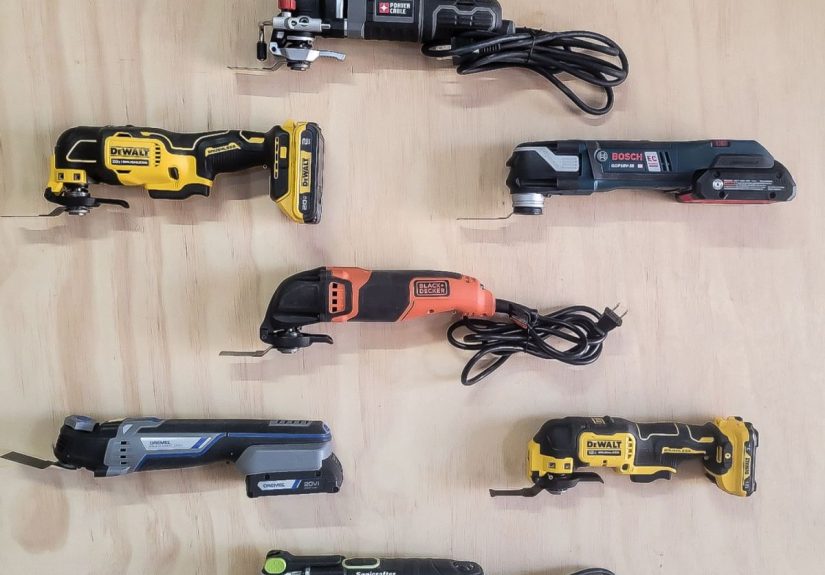
We tested a pile of popular oscillating toolscorded and cordlessto find the ones that feel fast, controlled, and comfortable instead of “angry bees in a shoebox.” Below are our top picks, plus a buying guide that will save you money on the tool and the blades (because yes, blades are where your wallet goes to cry).
Why an Oscillating Multi-Tool Belongs in Your Toolbox
An oscillating tool moves its accessory in tiny side-to-side arcs (oscillations), letting you do precise work with surprisingly little drama. Unlike a jigsaw or circular saw, it’s made for detail cuts and awkward spots: undercutting door jambs, flush-cutting trim, carving out drywall for an electrical box, sanding inside corners, or removing grout without turning your bathroom into a dust-themed snow globe.
For DIYers, it’s a “one tool, many chores” situation. For pros, it’s the “get me out of a sticky situation” toolthe one you grab when the plan changes on-site and you need to make something fit now.
How We Tested Oscillating Tools
We focused on what actually matters during real work: cutting speed, control, vibration, and how quickly you can swap accessories when your blade is hotter than a cast-iron skillet. Each tool went through a practical gauntlet:
- Plunge cuts in wood: clean starts, straight tracking, and how much the tool “walked” under pressure.
- Flush cuts: trimming material tight to a surface without chewing it up.
- Drywall cutouts: accuracy and dust control friendliness (spoiler: vac adapters help).
- Sanding in corners: how well the pad stayed planted and whether the tool buzzed our hands numb.
- Accessory changes: tool-free systems vs. “where did I put that Allen key?”
- Ergonomics: grip comfort, balance, switch/trigger placement, and fatigue over longer sessions.
- Value: what you get in the kit, ecosystem advantages, and realistic blade costs.
We also paid attention to accessory compatibilitybecause the best oscillating multi-tool is the one that can actually use the blades you can buy locally at the hardware store at 8:47 p.m. on a Tuesday.
Our Top Picks
Best Overall: Fein MultiMaster (for Smooth Power and Low Vibration)
Fein basically wrote the early chapter of the oscillating multi-tool story, and the MultiMaster remains the “premium feel” benchmark. In our testing, it delivered excellent controlespecially on plunge cuts where wobble turns a neat project into abstract art. If you do a lot of detail work (trim, flooring, cabinetry, remodeling), the MultiMaster’s refined vibration control makes long sessions far more pleasant.
- Great for: remodeling, finish work, frequent use, anyone who hates hand fatigue
- Why it wins: smooth cutting feel, strong accessory interface options, consistently controlled performance
- Watch-outs: premium price, and blades/accessories can cost moreespecially if you lean into brand-specific systems
Best Cordless Pro Pick: Milwaukee M18 FUEL (Speed + Jobsite Toughness)
When you want fast cutting and a tool that feels ready to work for a living, the Milwaukee M18 FUEL is a beast. It handled tougher cuts with confidence and stayed composed when we pushed it. If you’re already on the M18 platform, this is one of those “buy once, use constantly” toolsespecially for carpentry, electrical rough-ins, and general remodeling.
- Great for: pros, heavy DIY use, anyone already in the Milwaukee battery ecosystem
- Why it wins: strong performance under load, solid ergonomics, excellent all-around capability
- Watch-outs: higher cost up front (though platform loyalty often softens the blow)
Best Value: DeWalt 20V MAX XR 3-Speed (Control You’ll Actually Use)
DeWalt’s XR oscillating tool nails the balance between price, power, and smart control. The 3-speed selector is genuinely useful: slower speeds help when cutting metal or working delicately; higher speeds are perfect for wood and aggressive material removal. For most homeowners and serious DIYers, this is the “sweet spot” pickcapable enough for big projects without paying luxury-tool prices.
- Great for: homeowners, remodel weekends, DIYers who want pro-grade results
- Why it wins: practical speed control, strong cutting performance, excellent ecosystem value
- Watch-outs: tool-only vs. kit pricing varies wildlyshop smart
Best Compact Cordless: Milwaukee M12 FUEL (Small Tool, Big Utility)
If you’re doing overhead work, working in cabinets, or squeezing behind plumbing, compact matters. The M12 FUEL feels nimble while still doing “real tool” work. It’s also easier to handle for users who don’t love chunky grips. Think of it as the oscillating tool you’ll actually reach for because it’s not a hassle to maneuver.
- Great for: tight spaces, lighter remodeling, quick punch-list tasks
- Why it wins: compact size, comfortable control, great portability
- Watch-outs: not the best choice if you’re constantly doing heavy plunge cuts all day long
Best Budget Corded: Black+Decker (Affordable Entry to the Oscillating Club)
For occasional usefixing baseboards, cutting drywall openings, scraping old caulka budget corded oscillating tool can be totally fine. Black+Decker’s value-oriented option gets the job done without asking for a battery investment. Corded also means no “I forgot to charge it” heartbreak.
- Great for: occasional DIY, renters with a small tool stash, quick repairs
- Why it wins: low cost, consistent power, simple to keep running
- Watch-outs: more vibration, bulkier feel, and the cord will absolutely try to trip you at least once
Best Budget Cordless Ecosystem Pick: Ryobi ONE+ (DIY-Friendly and Widely Supported)
If you’re building a cordless collection on a budget, Ryobi ONE+ is hard to ignore. The oscillating tool is capable for household projects, and the platform’s tool variety is huge. For most DIY taskstrim tweaks, sanding corners, small cutoutsit’s a smart value play.
- Great for: budget-minded DIYers, homeowners expanding a cordless tool set
- Why it wins: platform value, broad availability, “good enough” performance for most home tasks
- Watch-outs: not the smoothest option for long, demanding sessions
What to Look for When Buying an Oscillating Tool
Corded vs. Cordless
Corded tools offer steady power and cost less up front. They’re great if you use the tool occasionally or mostly work near outlets. Cordless wins on convenienceespecially for ladders, crawlspaces, or any project where dragging a cord feels like wrestling a garden hose in January.
If you already own batteries in a brand ecosystem (DeWalt 20V, Milwaukee M18/M12, Makita LXT, etc.), buying a “bare tool” is usually the best deal.
Accessory Mount: Starlock vs. Universal Fit (OIS-Style)
The accessory interface is the handshake between tool and bladeif it’s sloppy, performance suffers. Many modern tools accept universal-fit blades (often based on OIS-style patterns). Some premium systems use Starlock, designed for fast changes and strong power transfer. The practical takeaway:
- Universal-fit: easiest to find cheap blades; widest compatibility
- Starlock: often smoother, faster swaps, strong engagementbut blades can cost more
Vibration Control (Your Hands Will Thank You)
Two tools can have similar power but feel completely different. Better vibration control means cleaner cuts, less fatigue, and more accuracy. If you’ll use the tool frequently, prioritize comfort and control over saving a few bucks.
Speed Control That Makes Sense
Variable speed matters. Higher speed is great for wood and aggressive removal. Slower speeds help with delicate work, plastics that can melt, and metal cutting where heat builds quickly. Bonus points if the controls are easy to adjust mid-task.
Blade Changes: Tool-Free Is Not a Luxury
If your tool requires an Allen key, you’re one lost key away from a bad mood. Tool-free changes are faster and saferespecially because blades get hot fast. If you plan to swap between cutting, sanding, and scraping often, tool-free is a major quality-of-life upgrade.
Don’t Ignore Blades (They Matter as Much as the Tool)
The tool is the engine; the blade is the tire touching the road. Cheap blades can work for soft wood, but they dull quicklyespecially on nails, screws, or hard materials. Keep a small lineup:
- Bi-metal blades: good all-around for wood + occasional nails
- Carbide blades: pricier, but worth it for tough jobs (grout, hardened materials, heavy abuse)
- Scraper blades: ideal for adhesive, caulk, and old gunk removal
- Sanding pads: fantastic for corners and tight trim work
Pro tip: let the tool do the work. Pushing too hard overheats blades and turns sharp teeth into sad, shiny nubs.
Favorite Use Cases (Where This Tool Feels Like Cheating)
- Undercutting door jambs for new flooring (clean, flush results)
- Cutting drywall openings for outlets and vents
- Removing grout without destroying adjacent tile
- Flush-cutting nails or screws in tight spots
- Detail sanding inside corners and on trim profiles
- Scraping adhesives from subfloors or countertops
Safety Tips (Because the Tool Is Quietly Powerful)
Oscillating tools feel friendlyuntil they aren’t. Protect yourself and your project:
- Wear eye protection (tiny debris is still debris)
- Use hearing protection for longer sessions (they can be surprisingly loud)
- Check for wires/pipes before cutting into walls or floors
- Start slow and let the blade establish a groove before accelerating
- Clamp your work when possiblestability equals control
- Mind heat: blades get hot fast; tool-free changes reduce burned fingers
Oscillating Tool FAQs
Are oscillating tool blades universal?
Some are, many aren’tat least not perfectly. “Universal-fit” blades work with lots of brands, but certain mounting systems (especially proprietary or premium interfaces) may limit your options or require adapters. Always check your tool’s accessory mount before buying a bargain blade bundle.
What’s the difference between plunge cuts and flush cuts?
A plunge cut starts in the middle of a surface (like cutting a rectangle in drywall). A flush cut trims material tight to a surface (like cutting door casing without gouging the floor). Oscillating tools excel at bothespecially when you choose the right blade.
Why does my tool feel slow sometimes?
Usually: wrong blade, dull blade, too much pressure, or too high a speed for the material. Swap to a fresh blade, back off the pressure, and match the speed to the job. Faster isn’t always faster if it just makes heat.
Conclusion: Our Quick Take
If you want the smoothest, most refined experience, go premium with a Fein MultiMaster. If you want cordless jobsite muscle, the Milwaukee M18 FUEL is a standout. For most homeowners, the DeWalt 20V MAX XR 3-Speed hits the best mix of performance and value. On a tight budget, a corded Black+Decker is an easy way to get the versatility without committing to a battery platform.
Whatever you buy, remember: the right blade turns this tool from “handy” into “how did I live without this?”and the wrong blade turns it into a vibrating apology.
Real-World Experiences From Testing (The Stuff You Only Learn Mid-Project)
The first time you use an oscillating multi-tool, you’ll probably think, “This is neat.” The second time, you’ll think, “Where have you been all my life?” And the third timeusually while lying on your side in a cramped hallwayyou’ll realize it’s the only tool that can bail you out when everything else is too big, too loud, or too angry.
One of the biggest “aha” moments is undercutting door jambs for flooring. Measuring and marking is important, surebut the oscillating tool is what makes the cut look like you knew what you were doing all along. Slide a scrap of the new flooring as a height guide, keep the blade flat, and take it slow. The best tools feel planted and don’t chatter; weaker ones can bounce, leaving a wavy cut that will haunt you when the trim goes back on.
Another lesson: drywall cutouts are where control beats raw speed. It’s tempting to crank the dial to “maximum chaos” and zip around an electrical box outline. But high speed + thin drywall can equal overcut cornersespecially if you’re not bracing the tool well. The sweet move is to start slower, score the outline, then increase speed once the blade has a track. Bonus: if you connect a vac attachment or have someone hold a hose nearby, you’ll feel like a responsible adult instead of a dust wizard.
Blades are a bigger deal than most people expect. Cheap bi-metal blades can be fine on clean wood. The moment you hit a hidden nail, though, the blade quality becomes painfully obvious. Better blades track straighter, cut cooler, and last longerso the “expensive” blade is often cheaper over time. If you do grout or tough materials, carbide accessories feel like a cheat code. Also: don’t force the cut. When the tool bogs down, it’s usually begging for a blade change, not more pressure.
You’ll also discover the oscillating tool’s weird superpower: scraping old adhesive and caulk. It’s oddly satisfyinglike peeling the protective film off a new appliance, but with more dust and fewer life choices. A stiff scraper blade turns “hours of misery” into “a tolerable afternoon,” especially on subfloors and window trim. Just keep the tool moving and avoid digging a trench into softer materials.
The last real-world takeaway is about vibration and fatigue. On paper, many tools look similar. In your hands, they’re not. Better vibration control means you can do careful plunge cuts without the tool wandering. It also means you’ll still have normal feelings in your fingers after sanding a cabinet corner for 20 minutes. If you only use the tool once a month, you can live with a little buzz. If you use it every weekendor for workspending more for comfort is one of the least regrettable tool upgrades you can make.
In short: buy a good tool, stock a few great blades, and learn to let the oscillations do the work. Your projects will look cleaner, your hands will feel better, and you’ll stop trying to solve every problem with a hammer (though we respect the tradition).