Table of Contents >> Show >> Hide
- What a Radiator Cover Really Does (and Doesn’t)
- How Radiators Heat a Room (So You Don’t Accidentally Muzzle Yours)
- Pros and Cons of Radiator Covers
- The Buying Checklist: What to Look for Before You Click “Add to Cart”
- Do Radiator Covers Reduce Heat? The Honest Answer
- Design Ideas That Don’t Sabotage Your Heat
- DIY vs. Buying: Which One Makes Sense?
- Safety Notes: Kids, Burns, and “Please Don’t Store Your Mail There”
- Maintenance: Keeping the Cover (and the Heat) Working Well
- Real-World Experiences & Lessons Learned (The Stuff People Wish They’d Known)
- Conclusion
Radiators are the unsung heroes of winter: dependable, hardworking, and often… shaped like a Victorian accordion that wandered into your living room and refused to leave. If you’ve ever looked at yours and thought, “I love warmth, but I don’t love that,” you’re in the right place.
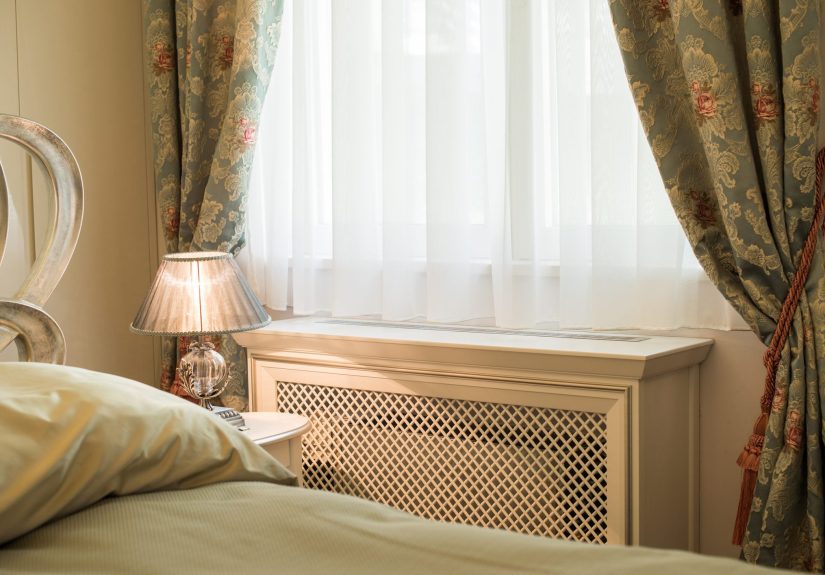
A radiator cover (also called a radiator enclosure or radiator cabinet) can make a room look cleaner, add a shelf or bench, and help protect curious kids and pets from hot surfaces. But if you buy the wrong one, you can accidentally turn your heater into a decorative paperweight.
This guide breaks down what radiator covers actually do, how they affect heat output, what materials matter, how to measure correctly, and which features separate “smart upgrade” from “why is my bedroom now an igloo?”
What a Radiator Cover Really Does (and Doesn’t)
A radiator cover is basically furniture with good manners: it hides the radiator and (if designed well) still lets heat move into the room. It does not magically improve a broken heating system, fix a poorly balanced steam setup, or solve drafts from 1920s windows that whistle like a tea kettle.
Common reasons people buy radiator covers
- Style: Cover the “industrial chic” you never asked for and match your décor.
- Safety: Reduce direct contact with hot metal and sharp fins (especially with kids).
- Space: Add a shelf for décor or create a radiator cover bench in an entryway or under a window.
- Protection: Keep pets from leaning against it like it’s a personal heated throne.
How Radiators Heat a Room (So You Don’t Accidentally Muzzle Yours)
Most radiators warm a space through a mix of convection (airflow) and radiant heat (heat you feel when you stand near it). Cool air enters low, warms as it passes the radiator, then rises. That warm air movement is a big part of how the room actually gets comfortable.
A radiator cover that’s too tight, too solid, or poorly ventilated can interrupt that airflow, trapping heat inside the enclosure and reducing the amount that reaches the room. Translation: your radiator works harder, your room warms slower, and your utility bill starts acting suspicious.
Steam vs. hot water radiators: why the difference matters
If you have a steam radiator, vents and valves must stay accessible and unblocked. Steam systems rely on vents to release air so steam can fill the radiator properly. Covering vents or restricting air can lead to uneven heat and noisy operation. With hot water radiators, airflow and thermostat behavior are the bigger issues, especially if you use a thermostatic radiator valve (TRV) that “reads” air temperature near the radiator.
Pros and Cons of Radiator Covers
Pros
- Instant visual upgrade: Turns an eyesore into a clean architectural element.
- Useful surface: A top shelf can function like a console table (within reason).
- Reduced contact burns: Helpful for households with kids, pets, or clumsy adults (no judgment).
- Design flexibility: From modern radiator covers to traditional grilles, you can match any style.
Cons
- Potential heat loss: Poor designs can noticeably reduce heat output.
- Maintenance: Dust loves radiators. Covers can add one more thing to clean.
- Access issues: If you can’t reach valves/vents easily, you’ll regret it mid-winter.
- Safety isn’t automatic: A cover can still get hot, and unstable covers can be a tipping hazard.
The Buying Checklist: What to Look for Before You Click “Add to Cart”
1) Measure like you’re ordering a custom suit
A radiator cover should never hug the radiator. You want clearance on all sides so air can flow and heat can escape. Measure the radiator’s height, width, and depth, then plan extra space: room behind and above matters just as much as the front opening.
Practical tip: measure the radiator including any knobs, valves, and vents that stick out. If you have a steam vent on the side, treat it like royalty: it needs breathing room.
2) Ventilation is not optional
Look for a design with large front openings (grille, slats, cane, perforated metal) plus a top vent or open back/top pathway so warm air can rise out. If a cover looks like a solid box with a tiny “decorative” cutout, that’s less “radiator cover” and more “heat jail.”
3) Access to valves and vents
You should be able to adjust the control valve and reach any bleeder/air vent without dismantling your furniture like you’re defusing a bomb. Smart features include removable tops, hinged doors, or a front panel that lifts off easily.
4) Choose the right material (it’s more than aesthetics)
- MDF: Common for painted covers, stable and easy to fabricate, but needs a good finish to resist moisture.
- Solid wood: Beautiful and durable, but heavier and can reduce heat transfer if the design is too solid.
- Metal: Often best for airflow (especially perforated panels) and tends to be slimmergreat for modern radiator covers.
- Cane/rattan: Lightweight and breathable; popular for a warm, vintage look.
5) Heat-safe finishes and kid-proof details
Finishes should tolerate warmth without peeling or off-gassing. If you’re painting a cover, choose quality interior paint and consider tougher trim enamel for high-touch areas. If kids are involved, look for rounded corners, stable wall anchoring, and no sharp metal edges.
6) Wall clearance and floor vents
Some radiators sit under windows or near baseboards with weird trim. Make sure the cover won’t block nearby air returns, floor vents, or window treatments. Also confirm that the cover can sit level on uneven floors. (Old houses have floors with personality. Sometimes too much personality.)
7) Ready-made vs. custom
Ready-made covers are quicker and can look great if your radiator is a common size. Custom covers shine when you have a weird corner placement, extra-tall radiators, or you want built-in storage that runs wall-to-wall. If you’re trying to turn a radiator into an entry console or window seat, custom usually gives the cleanest result.
Do Radiator Covers Reduce Heat? The Honest Answer
Yessometimes. But not always in a way you’ll notice. The heat impact depends on design, clearance, and materials. A cover that allows strong airflow can keep your room comfortable while still improving the look. A tight, mostly solid enclosure can reduce heat output enough that you’ll compensate by turning up the thermostat. That’s how “cute home upgrade” becomes “why am I paying to heat the inside of a wooden box?”
How to minimize heat loss
- Prioritize airflow: Large grille area up front; a top vent helps warm air escape.
- Don’t cram it against the radiator: Air needs space to circulate.
- Avoid blocking the wall gap: Many radiators rely on airflow behind them too.
- Skip clutter on top: A pile of books or baskets can insulate the warm air right where it wants to rise.
- Consider a reflector behind the radiator: It can help bounce radiant heat back into the room (especially on exterior walls).
If you use a thermostat or TRV near the radiator, a tight cover can trap warm air inside, making the control think the room is warmer than it really is. The result is shorter heating cycles and a room that feels uneven. If that’s your setup, lean toward a highly vented design or consider relocating the sensor (with a pro’s help if needed).
Design Ideas That Don’t Sabotage Your Heat
The best radiator cover ideas treat the radiator like a heat source first and a décor opportunity second. Here are styles that tend to perform well when built with ventilation and clearance in mind:
Modern, minimal enclosures
Think clean lines, thin profiles, and perforated metal or widely spaced slats. These often provide excellent airflow and look intentional rather than “we hid something.”
Radiator cover bench / window seat
Popular for small spaces: turn the radiator zone into seating. The key is ventinguse slats or a grille front, allow a pathway for warm air to rise, and keep cushions from blocking the top vent area. (A bench is great. A bench that functions as a thermal blanket for your radiator is not.)
Console-table camouflage
Sometimes the easiest “cover” is a heat-safe console table set above/around the radiator with enough clearance on the sides and top. It can visually distract without fully enclosing the unit.
Built-ins with a ventilated radiator bay
Built-in shelving that incorporates a radiator can look stunning and add storage. If you go this route, insist on a generously vented radiator section and easy access to controls. Built-ins are not fun to disassemble in February.
DIY vs. Buying: Which One Makes Sense?
If you’re handy and your radiator size is unusual, a DIY radiator cover can be a satisfying weekend project provided you respect heat and airflow. Many DIY builds use MDF with a metal grille and are designed to be removable. Buying ready-made is best if you want speed, predictable cost, and no sawdust in places sawdust should never be.
DIY success depends on three things
- Correct clearance: Leave space around the radiator so air can move.
- A big, breathable front: Use a grille, slats, cane webbing, or perforated metal.
- Access: Make the top or front removable so you can reach valves and vents.
If your home is older, be cautious about disturbing old paint on the radiator or nearby trim. When in doubt, test first and use lead-safe practices. (Your lungs are not a renewable resource.)
Safety Notes: Kids, Burns, and “Please Don’t Store Your Mail There”
Radiators can get hot enough to cause burns, especially for children. Covers can reduce direct contact, but they’re not magic shields. A poorly designed cover can still get very warm, and an unstable one can tip. If your main reason for buying is child safety, choose a cover that is anchored, has rounded edges, and encloses not just the radiator body but also exposed hot pipes where applicable.
Quick household rules that prevent problems
- Keep flammables away: Curtains, bedding, paper stacks, and aerosol cans don’t belong near heat sources.
- Don’t use the radiator as storage: Prolonged heat can damage items and reduce heating efficiency.
- Mind window treatments: Long drapes can trap heat behind them and create unnecessary risk.
- Plan for pets: Some pets love radiators. Your cover should be stable enough to survive a cat parkour launch.
Maintenance: Keeping the Cover (and the Heat) Working Well
Dust buildup reduces efficiency and can smell when the heat kicks on. If your cover blocks easy access, maintenance gets skipped, and then you get the seasonal surprise of “burning dust” aroma. Choose a design you can remove easily and clean behind.
Low-effort upkeep tips
- Vacuum the grille/front openings regularly.
- Wipe the top shelfdust loves warm air currents.
- Check for loose panels or rattles before heating season.
- Touch up paint chips to prevent moisture damage (especially on MDF).
Real-World Experiences & Lessons Learned (The Stuff People Wish They’d Known)
Homeowners tend to learn radiator cover lessons the same way we learn most home lessons: with optimism, followed by a moment of “Wait… why is this not working the way I pictured?” The most common story goes like this: someone buys a gorgeous wooden radiator enclosure online, installs it, and immediately loves how the room looks. Then the first cold snap arrives, and the room warms up slower than it used to. Nothing is “broken,” but the heat feels weaker. That’s usually airflow. If the cover’s front openings are small, or the top is too solid, warm air can’t rise into the room efficientlyso it lingers inside the cover like it’s waiting for a VIP wristband.
Another frequent surprise: access. On day one, a cover that lifts off seems fine. By day ninety, lifting it off every time you need to adjust a valve feels like an unpaid gym membership. People who are happiest long-term often pick designs with a hinged door, a removable front panel, or a top that’s easy to pop off without moving décor. It’s the difference between “this looks custom” and “why do I need two hands and a pep talk to bleed a radiator?”
Families with kids often report that covers are helpfulbut only when they’re anchored and thoughtfully built. A lightweight, freestanding cover can shift if bumped, and a curious toddler can treat it like a climbing wall. In those homes, the best choice is usually a sturdy, wall-secured cover with rounded corners and a surface that doesn’t have sharp metal edges. Also, parents commonly discover that a cover can still get warm. So the win isn’t “it’s cool to the touch,” it’s “it prevents direct contact with the hottest parts and removes sharp fins and edges from easy reach.”
In small apartments, radiator cover benches are popularespecially under windows. The success stories have one thing in common: ventilation was planned from the start. People who add thick seat cushions that drape over the front often end up blocking the grille and reducing heat. The better setups keep the front open, use a breathable cushion, and leave the top vent area clear so warm air can escape. A good rule is: if your bench looks like it could be a cozy nap spot for a golden retriever, double-check that it isn’t also smothering your heat source.
Finally, plenty of homeowners discover that the “best radiator cover” is sometimes… no cover at alljust a paint refresh and smarter styling. Painting the radiator to match the wall color can make it visually disappear, and adding a slim shelf above it (with proper clearance) can provide function without fully enclosing the unit. If you’re on the fence, that approach can be a great test-run: you improve the look first, then decide if you still need a full enclosure.
Conclusion
A radiator cover can be a smart upgrade when it’s designed for airflow, sized with generous clearance, and built for easy access to valves and vents. The best covers improve your room without sacrificing comfort. If you remember only three things, make them these: measure carefully, vent aggressively, and don’t block the controls. Your future self (the one not shivering in socks) will thank you.