Table of Contents >> Show >> Hide
- Why Grow Bell Peppers Indoors?
- Choose the Right Bell Pepper for Indoors
- What You Need Before You Start
- Starting Bell Peppers from Seed Indoors
- The Best Light for Indoor Bell Peppers
- Choosing the Right Container and Potting Mix
- Temperature and Humidity: Keep It Warm, Not Tropical-Disaster Warm
- How to Water Bell Peppers Indoors
- Feeding Your Indoor Pepper Plants
- How Indoor Pollination Works
- Pruning, Staking, and General Care
- Common Indoor Bell Pepper Problems and Fixes
- When and How to Harvest Bell Peppers
- Real-World Experience: What Growing Bell Peppers Indoors Actually Teaches You
- Final Thoughts
If you have ever looked at a grocery-store bell pepper and thought, “I could grow that at home,” the good news is yes, you absolutely can. The even better news? You can do it indoors, where your peppers are safe from random weather swings, mystery garden pests, and neighborhood squirrels with main-character energy. Growing bell peppers indoors takes a little planning, a little patience, and a healthy respect for light, but once you get the setup right, it is surprisingly rewarding.
Indoor bell pepper gardening is part science experiment, part kitchen-daydream generator. One day you are checking seedlings under a grow light. A few weeks later, you are admiring glossy green fruits like a proud stage parent. This guide walks you through everything you need to know, from seed to harvest, so you can grow healthy, productive pepper plants right inside your home.
Why Grow Bell Peppers Indoors?
Bell peppers are warm-season plants, which means they like conditions that many homes can actually provide quite well: warmth, shelter, and consistency. Indoors, you are not fighting late frosts, pounding rain, or cold nights that slow growth. You also get much more control over your growing environment.
That control matters because peppers can be a little dramatic. Too cold? They sulk. Too dry? They may drop blossoms. Too dark? They stretch like they are auditioning to become spaghetti. Indoors, however, you can manage the variables much more easily.
- Year-round gardening: You do not have to wait for ideal outdoor weather.
- Cleaner growing conditions: Indoor plants usually face fewer pest problems than outdoor beds.
- Better control: Light, watering, temperature, and feeding are easier to adjust.
- Fresh harvests in small spaces: A sunny window or grow-light shelf can support a productive plant.
Choose the Right Bell Pepper for Indoors
Not all pepper plants behave the same way indoors. Full-size bell peppers can absolutely grow inside, but compact or smaller-fruited sweet pepper varieties are often easier to manage in containers. If your indoor space is limited, avoid varieties that become huge, unruly bushes unless you are ready to stake, prune, and negotiate with them on a daily basis.
For beginners, a compact bell pepper or mini sweet pepper is often the smartest move. These plants tend to fit indoor conditions better, produce a bit faster, and are easier to support in containers. If you are determined to grow big blocky bell peppers, go for it, but give them enough root room and strong light.
What You Need Before You Start
You do not need a full-blown greenhouse or a garage that looks like a NASA side project. You just need a sensible indoor gardening setup.
Basic Supplies
- Bell pepper seeds or healthy starter plants
- Seed-starting tray or small pots
- A high-quality potting mix
- Containers with drainage holes
- A sunny south-facing window or grow lights
- A watering can or spray bottle
- Balanced fertilizer
- Small stake or plant support
- Optional: heat mat, fan, timer, and saucers
If you are starting from seed, a heat mat can make germination faster and more reliable. If you are using grow lights, a timer will save you from the daily ritual of remembering whether you turned them on, off, or somehow both in your imagination.
Starting Bell Peppers from Seed Indoors
Starting from seed gives you the most variety and the most bragging rights. Bell peppers are slower than many beginner vegetables, so start earlier than you think you need to. They are not the speed demons of the indoor garden world.
Step 1: Sow Seeds in a Seed-Starting Mix
Use a light, sterile seed-starting mix rather than heavy garden soil. Fill trays or small pots, moisten the mix, and sow the seeds shallowly. Pepper seeds do best in warm conditions, and they can take their sweet time to sprout if the growing medium is cool.
Step 2: Keep Them Warm and Evenly Moist
Pepper seeds germinate best when warm. Keep the seed tray in a cozy spot or on a heat mat, and do not let the mix dry out completely. At the same time, do not drown them. Bell pepper seeds like moisture, not swamp life.
Step 3: Give Seedlings Strong Light Immediately
As soon as seedlings emerge, move them under bright light. This is where many indoor gardeners accidentally raise tiny green giraffes instead of sturdy pepper plants. Weak light causes leggy growth, and leggy pepper seedlings rarely become superstar producers.
If you are using a grow light, keep it close enough to provide strong light without overheating the seedlings. If you rely on a window alone, rotate the tray regularly so the plants do not lean like they are chasing the sun across the room.
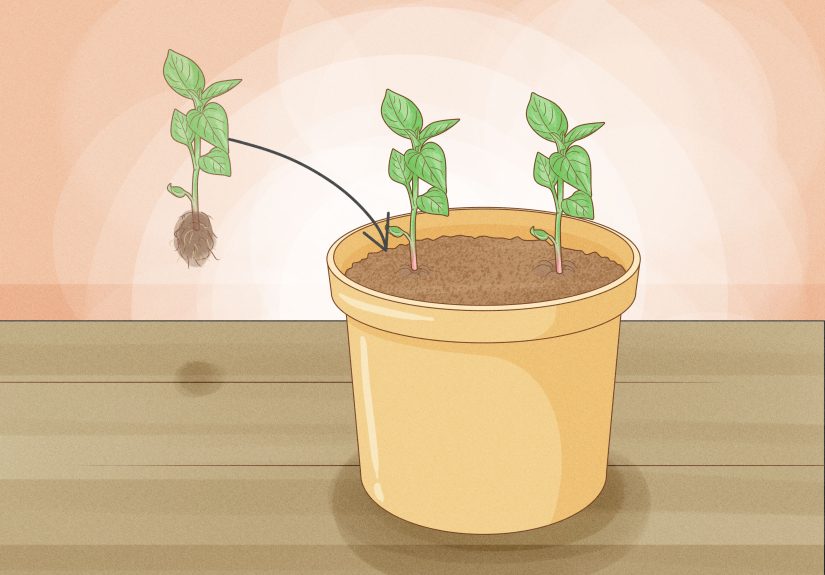
Step 4: Pot Up at the Right Time
Once the seedlings develop their first true leaves and begin to outgrow the starter cells, move them into larger pots. Handle them gently by the leaves rather than the delicate stems. This is one of those moments where patience pays off. Rushing the transplant is bad. Dropping a seedling while saying “oops” is also bad.
The Best Light for Indoor Bell Peppers
Light is the make-or-break factor for indoor bell peppers. A bright windowsill can work, especially a south-facing one, but many homes simply do not deliver enough direct sunlight for strong flowering and fruit production. Bell peppers need a lot of energy to produce thick-walled fruit, and they are not shy about showing disappointment when the light is weak.
Natural Light
If you have a window that gets strong direct sunlight for much of the day, use it. South-facing windows are usually best in the United States, followed by west-facing windows. Keep the plant close to the glass, but avoid cold drafts in winter.
Grow Lights
For the most dependable results, use grow lights. This is especially helpful if you want to grow bell peppers indoors during winter or in an apartment with limited natural light. A simple LED grow light setup can dramatically improve plant shape, flowering, and fruit set.
Use a timer so your plants receive a consistent daily light schedule. Bell peppers appreciate routine. In that sense, they are basically toddlers with leaves.
Choosing the Right Container and Potting Mix
Bell peppers need enough root space to stay productive. Cramped roots lead to a stressed plant, and stressed pepper plants tend to act like tiny leafy philosophers pondering why life is unfair.
Container Size
For a full-size bell pepper plant, choose a roomy container with drainage holes. Bigger is usually better than “just barely acceptable.” A container that is too small dries out faster, limits growth, and reduces fruit production. If you are growing compact sweet peppers, you may get away with something slightly smaller, but full-size bells appreciate more space.
Potting Mix
Use a loose, well-draining potting mix designed for containers. Do not dig up soil from the yard and bring it inside unless your goal is to import weeds, pests, and disappointment. A good indoor potting mix should hold moisture without staying soggy, and it should allow roots to breathe.
You can improve your mix with compost or other organic matter, but keep the texture light. Bell peppers prefer a fertile medium that drains well and does not become dense like wet cement after watering.
Temperature and Humidity: Keep It Warm, Not Tropical-Disaster Warm
Bell peppers are heat-loving plants. They grow best when indoor temperatures stay comfortably warm during the day and do not plunge at night. If your plant lives near a freezing windowpane or directly under a blasting heater vent, it will let you know by slowing down, dropping blossoms, or generally looking offended.
A comfortable household temperature range works well for peppers, especially if the plant gets strong light. Avoid sudden swings, and protect the plant from cold drafts. While moderate indoor humidity is fine, overly dry air can encourage pests like spider mites, especially during winter heating season.
How to Water Bell Peppers Indoors
Indoor pepper watering is all about balance. Too little water and the plant may wilt, drop flowers, or develop fruit problems. Too much water and you invite root stress, fungus gnats, and a sad smell from the potting mix that says, “We have made a mistake.”
Watering Tips
- Water when the top inch of the mix feels dry.
- Water thoroughly until excess drains out the bottom.
- Empty saucers so roots are not sitting in water.
- Keep moisture consistent during flowering and fruiting.
Consistency matters more than perfection. Bell peppers do not need pampering every hour, but they do appreciate a steady routine. Large swings between bone-dry and soaking wet can lead to blossom drop or blossom-end rot.
Feeding Your Indoor Pepper Plants
Bell peppers are not the heaviest feeders in the plant kingdom, but they do need nutrients to keep producing. Start with a fertile potting mix, then use a balanced fertilizer according to the label once the plant is established. After the plant begins flowering and setting fruit, many gardeners switch to a fertilizer program that supports blooming and fruit development without overloading the plant with nitrogen.
That last part matters. Too much nitrogen can give you a huge, leafy, glamorous plant that looks fantastic and produces very few peppers. It is the botanical equivalent of a gym membership with no actual leg day.
How Indoor Pollination Works
Here is one of the nicest things about peppers: they have perfect flowers, meaning each flower contains both male and female parts. In other words, bell peppers do not need a bee dating app to set fruit. Outdoors, wind and pollinators help move pollen around. Indoors, you usually have to help a little.
Simple Pollination Methods
- Gently shake the plant every few days once flowers open.
- Lightly tap individual blossoms with your finger.
- Run a small fan nearby to improve air movement.
If your plant flowers but does not produce fruit, poor pollination is one possibility. Weak light, temperature stress, and inconsistent watering can also interfere with fruit set, so do not blame pollination for everything. Sometimes the real villain is the environment.
Pruning, Staking, and General Care
Bell peppers do not need heavy pruning indoors, but a little maintenance goes a long way. Remove yellowing leaves, damaged growth, or crowded interior branches that block airflow. If your plant becomes top-heavy with fruit, add a small stake or support ring. Pepper stems can snap when loaded with mature fruit, especially indoors where airflow is lower and stems may be slightly softer.
Rotate the pot every few days if the light comes mostly from one side. This encourages more even growth and keeps the plant from leaning like it is trying to make an escape.
Common Indoor Bell Pepper Problems and Fixes
| Problem | Likely Cause | What to Do |
|---|---|---|
| Leggy seedlings | Not enough light | Move closer to a bright window or use grow lights consistently |
| Flowers drop | Stress from weak light, temperature swings, or uneven watering | Improve light, keep conditions stable, and water consistently |
| No fruit after flowering | Pollination issue | Shake blossoms gently and increase airflow |
| Dark sunken spot on fruit bottom | Blossom-end rot linked to uneven moisture and calcium movement | Keep watering even and avoid letting the pot swing from dry to soaked |
| Sticky leaves or curling growth | Aphids | Rinse the plant and monitor regularly |
| Fine webbing or speckled leaves | Spider mites | Wash foliage, improve plant care, and avoid hot, overly dry conditions |
When and How to Harvest Bell Peppers
Bell peppers can be harvested green or left on the plant to ripen to red, yellow, orange, or another mature color depending on the variety. Green peppers are simply immature peppers, and harvesting them earlier can encourage the plant to keep producing. If you wait for full color, you usually get sweeter flavor, but you also need more patience.
Use scissors or pruners to cut peppers from the plant rather than yanking them off by hand. Pepper branches can be surprisingly brittle when carrying fruit. The goal is harvest, not accidental wrestling.
Real-World Experience: What Growing Bell Peppers Indoors Actually Teaches You
The first thing indoor bell peppers teach you is humility. You can read every guide, buy a nice light, choose a good potting mix, and still end up staring at a plant that appears to be considering retirement at the age of seven weeks. Indoor gardening has a way of reminding you that plants are living things, not vending machines. You do not insert water and receive peppers on a fixed schedule.
Many growers discover that the biggest learning curve is not seed starting. It is light management. A plant that looks “pretty bright” to your eyes may still be nowhere near bright enough for peppers to flower and fruit well. Once people switch from a basic windowsill setup to a dependable grow light, the difference can be dramatic. Leaves get darker, stems thicken, and the whole plant starts looking less like a hopeful intern and more like an employee who knows what they are doing.
Another common experience is overwatering in the beginning. New indoor gardeners tend to check the pot, feel emotionally invested, and water just in case. The pepper plant, meanwhile, is sitting in damp potting mix wondering why it cannot breathe. Over time, most successful growers develop a rhythm. They learn the weight of a pot that needs water, the look of healthy foliage, and the difference between a thirsty plant and a bored human hovering nearby.
Pollination is another surprisingly memorable lesson. The first time you hand-pollinate by gently shaking a flowering pepper plant, it can feel a little ridiculous. Then a tiny fruit begins to form, and suddenly you feel like a wizard. That small moment is one of the real joys of indoor edible gardening. You are not just keeping a decorative plant alive. You are helping complete the process that turns flowers into food.
There is also the patience factor. Bell peppers are not fast. Herbs can give you a little instant gratification. Lettuce moves with decent enthusiasm. Bell peppers move like they are being paid by the hour. They want warmth, consistency, time, and absolutely no chaos. But once you accept that pace, the process becomes much more enjoyable. You stop asking, “Why is this taking so long?” and start noticing the small wins: a new branch, a first flower, a fruit swelling week by week.
Perhaps the most rewarding part of growing bell peppers indoors is how personal the experience becomes. You begin by wanting vegetables, but you end up learning your plant’s habits. One pepper may love the brightest window in the house. Another may do best when rotated twice a week and fed lightly but regularly. These little observations build confidence, and that confidence often spills into other gardening projects. Today it is bell peppers. Tomorrow it is tomatoes, basil, maybe even a tiny indoor jungle that politely pretends to be a kitchen garden.
And then comes the harvest. It may only be a few peppers at first, but they feel strangely luxurious because you watched every stage happen. You remember the seedlings, the first blossoms, the early wobble in the stem, the moment you added a stake, the day you noticed the fruit changing color. That connection makes the peppers taste even better. They are not just vegetables. They are proof that with enough light, consistency, and stubborn optimism, your living room can produce dinner.
Final Thoughts
Learning how to grow bell peppers indoors is less about luck and more about creating the right system. Give your plants strong light, warm temperatures, consistent moisture, and enough root room, and they can reward you with healthy growth and colorful harvests. The process is not difficult, but it does ask for attention to detail.
If you are new to indoor vegetable gardening, bell peppers are a satisfying challenge. They are not instant, but they are doable. And when you slice open a homegrown pepper that came from a pot in your house, the whole effort suddenly feels very smart. Also delicious. Mostly delicious.