Table of Contents >> Show >> Hide
Your stomach is supposed to be the reliable coworker of digestion: it takes in food, does a little mixing-and-grinding magic, then clocks out by sending everything to the small intestine on schedule. Gastroparesis is what happens when your stomach starts working from home… with a suspiciously “flexible” schedule.
In plain terms, gastroparesis is delayed gastric emptyingfood leaves the stomach too slowlywithout a physical blockage. That “without a blockage” part matters a lot, because the symptoms can look like a dozen other GI problems. This guide breaks down the most common causes, the classic symptoms, and how clinicians actually diagnose gastroparesis (hint: not by vibes alone).
What Gastroparesis Is (and What It Isn’t)
Gastroparesis is a stomach motility disorder: the stomach’s coordinated muscle contractions are weaker, slower, or poorly timed. The result is that food can sit in the stomach longer than it should, triggering nausea, early fullness, bloating, and sometimes vomiting of food eaten hours earlier.
What it isn’t: a “stomach blockage.” People often assume slow emptying must be caused by something physically in the way. But with gastroparesis, doctors must first rule out mechanical obstruction (like a tumor, stricture, or ulcer-related narrowing) before the label fits.
Causes and Risk Factors
A frustrating truth: in many cases, even after a full workup, no single cause is found. When that happens, clinicians call it idiopathic gastroparesis. Still, there are several well-established causes and associations.
1) Diabetes and Nerve Damage
Diabetes is the most common known underlying cause. Over time, high blood sugar can injure nerves that help control stomach movementespecially the vagus nerveand may also affect “pacemaker” cells in the stomach wall that help coordinate contractions. When that control system gets glitchy, the stomach can’t reliably move food forward.
There’s an extra twist: delayed emptying can make blood sugar management harder. Food may sit in the stomach and then suddenly “release,” causing unpredictable dips and spikes. This can become a loop where unstable glucose worsens symptoms, and symptoms worsen glucose control.
2) Surgery-Related (Postsurgical) Gastroparesis
Surgery on or near the stomach or esophagus can sometimes injure the vagus nerve or disrupt normal motility patterns. Notably, postsurgical gastroparesis doesn’t always show up immediatelyit can appear months (or even longer) after procedures. If symptoms started after a major abdominal or esophageal surgery, it’s a clue clinicians take seriously.
3) Endocrine, Autoimmune, and Neurologic Conditions
Certain conditions are linked with gastroparesis, including hypothyroidism, autoimmune diseases (such as scleroderma), and neurologic disorders (like Parkinson’s disease or multiple sclerosis). These can affect nerve signaling, muscle function, or both, which can slow gastric emptying.
4) Post-Viral and Other Infections
Some people develop symptoms after a viral illness affecting the stomach. The idea is that inflammation or immune changes may temporarilyor sometimes persistentlydisrupt the stomach’s normal motor function. The timeline (“I got sick, and my stomach never felt the same”) is something doctors often ask about.
5) Medication-Related Slowdown (Not the Same as Gastroparesis)
A key nuance: certain medications can delay gastric emptying or mimic gastroparesis symptoms, and if you already have gastroparesis, they can make it worse. Common offenders include opioid pain medications, some antidepressants, and anticholinergic drugs. Some clinicians also pay close attention to newer weight-loss medications that can slow gastric emptying.
Important distinction: medication-related slowed emptying can be reversible when the medication is changed or stopped, whereas gastroparesis is usually a longer-term motility disorder. That’s why medication review is part of diagnosisnot an afterthought.
Symptoms: The “Why Does My Stomach Hate Me?” Checklist
Gastroparesis symptoms can range from mildly annoying to life-disrupting. Some people have delayed emptying with few symptoms, while others feel miserable despite only modest delay. The most common symptoms include:
- Early satiety (feeling full after a few bites)
- Postprandial fullness (feeling uncomfortably full long after eating)
- Nausea
- Vomiting, sometimes of undigested food eaten hours earlier
- Bloating and excessive belching
- Upper abdominal pain or discomfort
- Heartburn/acid reflux
- Poor appetite and unintended weight loss
Complications to Know About
When food lingers, the downstream effects aren’t just uncomfortablethey can be medically important:
- Dehydration (especially if vomiting is frequent)
- Malnutrition and vitamin/mineral deficiencies if intake drops or food choices become too limited
- Blood sugar swings in people with diabetes, complicating insulin timing and glucose control
- Bezoars (hardened masses of undigested material) that can worsen nausea and potentially contribute to blockage-like symptoms
If you’re seeing signs of dehydration (like extreme thirst, dark urine, dizziness) or malnutrition (unintended weight loss, weakness, persistent fatigue), that’s a “don’t-wait-it-out” moment.
Diagnosis: How Doctors Confirm Gastroparesis
Because symptoms overlap with conditions like functional dyspepsia, GERD, cyclic vomiting syndromes, and medication side effects, clinicians aim for a diagnosis that is both careful and objective. In practice, diagnosis usually follows a stepwise path.
Step 1: History That Actually Matters
Your clinician will ask about symptom timing (especially after meals), the pattern of nausea/vomiting, and whether symptoms started after diabetes progression, surgery, radiation therapy, or a viral illness. They’ll also review all medications and supplementsbecause your prescription list can quietly be the plot twist.
Step 2: Physical Exam and Basic Labs
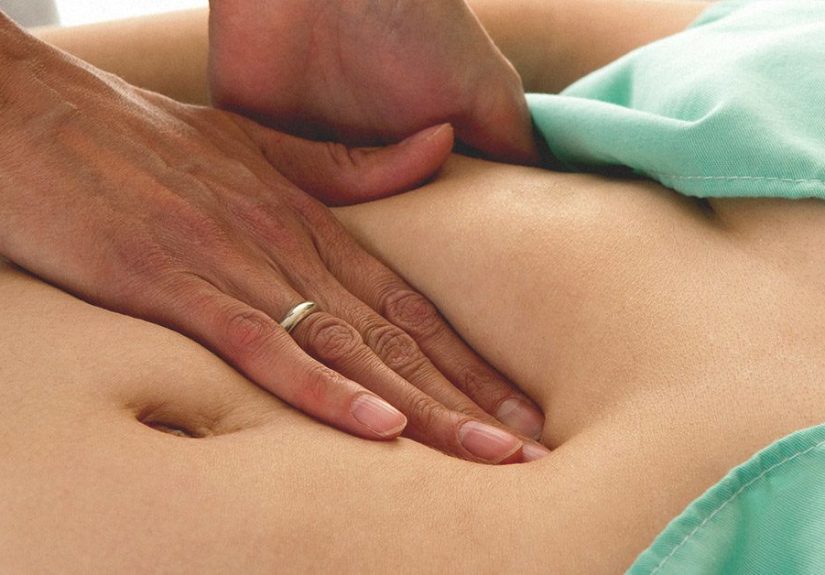
Physical exam may look for abdominal distention or tenderness, and clinicians often check for dehydration and malnutrition. Blood and urine tests can help identify infection, inflammation, nutritional issues, and (very importantly) glucose extremes in people with diabetes.
Step 3: Rule Out Mechanical Obstruction
Before calling it gastroparesis, doctors generally exclude blockage using tools like:
- Upper GI endoscopy (to look directly at the esophagus, stomach, and duodenum)
- Imaging such as an upper GI series or abdominal ultrasound when appropriate
Think of this as the “Is there something physically in the way?” checkpoint. Gastroparesis is a motility problemso obstruction needs to be off the table first.
Step 4: Prove Delayed Gastric Emptying
Now for the main event: a test that measures how quickly the stomach empties. The most commonly used (and widely considered the standard) is the gastric emptying scintigraphy testoften called a gastric emptying study.
Gastric Emptying Scintigraphy (The Classic 4-Hour Test)
During this test, you eat a standardized meal (often egg-based) containing a tiny amount of radioactive tracer, and a camera tracks how much remains in the stomach over time. Many centers use a protocol that follows retention up to 4 hours. A commonly cited threshold for delayed emptying is >10% retention at 4 hours (and/or high retention at earlier time points such as 2 hours, depending on protocol).
Translation: you’re not radioactive in a superhero way, the radiation dose is small, and the goal is to measure emptying in a standardized, reproducible waybecause “I feel full” is real, but it’s not a measurement.
Gastric Emptying Breath Test (No Radiation)
Another option is a gastric emptying breath test. You eat a labeled meal, then provide breath samples over several hours. The test estimates emptying by measuring how quickly the labeled substance shows up in your breath after it’s absorbed and metabolized.
Wireless Motility Capsule (The “Smart Capsule” Option)
Some clinicians use a wireless motility capsule, a swallowable device that transmits data as it moves through the GI tract. It can provide information on stomach emptying and transit through the intestines as well.
Why Symptoms Alone Aren’t Enough
The uncomfortable truth is that symptoms can overlap heavily with other disordersespecially functional dyspepsia. Two people can feel equally miserable with very different gastric emptying results, and some people have delayed emptying without severe symptoms. That’s why guidelines emphasize objective testing after excluding obstruction.
Making the Test Results Meaningful
For the most accurate results, clinicians often consider factors like:
- Whether medications that slow motility were held appropriately (when safe to do so)
- Whether blood sugar was reasonably controlled during testing (especially for people with diabetes)
- Whether the testing protocol used a standardized meal and adequate imaging duration
In other words: a good test is not just a testit’s a well-run test.
When to Seek Medical Care Urgently
Gastroparesis symptoms are often chronic, but certain situations deserve faster evaluation:
- Persistent vomiting or inability to keep liquids down
- Signs of dehydration (fainting, very dark urine, severe dizziness)
- Unintentional weight loss or suspected malnutrition
- Severe abdominal pain, GI bleeding, or progressive swallowing issues
- Diabetes with frequent unexplained hypoglycemia or large glucose swings
Conclusion
Gastroparesis is more than “a slow stomach.” It’s a motility disorder defined by delayed gastric emptying without blockageoften tied to diabetes, surgery, or certain medical conditions, and sometimes labeled idiopathic when no clear cause is found. Symptoms like early satiety, nausea, bloating, and vomiting can significantly affect nutrition and quality of life, and diagnosis usually requires a careful workup plus objective testing (most commonly a gastric emptying study).
If you suspect gastroparesis, the most helpful next step is a structured conversation with a clinician: describe meal-related patterns, list medications, and ask what testing is appropriate. Your stomach may be moving at a leisurely pacebut your path to clarity doesn’t have to.
Real-World Experiences: The Diagnostic Journey (and What It Feels Like)
If you’ve ever tried to explain gastroparesis symptoms to someone who’s never felt them, you’ve probably heard a well-meaning, wildly unhelpful suggestion like: “Have you tried not eating so fast?” (Sure. And have you tried not breathing?) One of the most common experiences people describe is the mismatch between how “small” a meal looks and how huge it feels once it lands in a stomach that’s not emptying properly.
Many people say the earliest sign wasn’t dramatic vomitingit was a creeping pattern: a few bites leading to a full, heavy feeling that lasted for hours. Lunch would still feel like it was “there” at dinnertime. Some describe bloating that doesn’t match the amount eaten, or nausea that hits hardest after meals but can also linger in the background like an unwanted podcast.
The diagnostic process often feels like a relay race. First, people are commonly evaluated for reflux, ulcers, gallbladder problems, or food intolerances. That’s not because doctors aren’t listeningit’s because the symptoms overlap. Endoscopy or imaging may come back “normal,” which can be emotionally confusing: you feel awful, but your test results look polite. For some, that’s the turning point where a clinician says, “Let’s check how fast your stomach empties.”
The gastric emptying study itself is frequently described as anticlimactic and oddly specific: “I ate eggs, then got photographed by a camera for hours.” The weirdness is realbut so is the relief when there’s finally objective evidence explaining the symptoms. People also describe learning (sometimes the hard way) that test prep matters. If motility-slowing meds weren’t held, or blood sugar was all over the place in diabetes, results can be harder to interpret. A good care team will talk through that nuance rather than dropping a single number and disappearing.
Another common experience is the “good day / bad day” pattern. Symptoms can fluctuate based on meal composition (fat and fiber can be harder), stress, sleep, blood sugar control, and medications. People often become accidental detectives: tracking what they ate, when symptoms hit, whether nausea started before eating or only after, and how long fullness lasted. That detective work can be exhaustingbut it’s also clinically valuable. Clear details like “I vomit undigested food from earlier today” or “I feel full after three bites and it lasts six hours” help clinicians distinguish gastroparesis from other conditions that look similar.
Perhaps the most universal experience is the desire for validation. When you’re nauseated but not “actively vomiting,” or you’re losing weight but your labs look okay (for now), it can feel like your symptoms aren’t dramatic enough to be taken seriously. The reality is that gastroparesis exists on a spectrum, and early recognition mattersespecially to prevent dehydration and malnutrition. If you’re in that in-between stage, the best move is to be specific, consistent, and persistent: document patterns, bring your medication list, and ask what objective testing can clarify what’s happening.