Table of Contents >> Show >> Hide
- Before You Start: Safety First
- Way 1: Strengthen Hands with Everyday Objects
- Way 2: Use Targeted Hand and Wrist Exercises
- Way 3: Build Grip Strength with Whole-Body Moves
- How Often Should You Do Hand-Strengthening Exercises?
- Bonus: of Real-Life Experience and Practical Tips
- Conclusion: Small Hands, Big Impact
Your hands do a lot of heavy lifting for such small body parts. They twist jar lids, type emails, carry grocery bags, control your phone, and lovingly pat your dog’s head (arguably the most important job). When your grip is weak, all of that feels harder and in the long run, research suggests your hand strength even reflects your overall health and independence as you age.
The good news? You don’t need a fancy gym or professional athlete status to build stronger hands. With just a few minutes a day and some simple tools (tennis ball, towel, maybe a grocery bag or two), you can noticeably improve your grip strength, finger control, and wrist stability.
Below are three simple, practical ways to strengthen your hands plus a bonus section of real-life tips and experiences to help you stick with it.
Before You Start: Safety First
Hand exercises are generally safe, but your hands are full of small joints, delicate nerves, and tendons. Treat them kindly:
- Talk to a doctor or hand therapist if you’ve had recent hand surgery, fractures, severe arthritis, carpal tunnel syndrome, or unexplained numbness or tingling. Many professional organizations, like the American Society for Surgery of the Hand and the American Society of Hand Therapists, recommend tailored programs for people recovering from an injury or surgery.
- Stop if you feel sharp pain, electric shock sensations, or swelling that gets worse. Mild muscle fatigue or a gentle stretch is okay. Sharp pain is not a “no pain, no gain” moment.
- Warm up first. Shake out your hands, circle your wrists, or run them under warm water for a minute to get blood flowing.
Way 1: Strengthen Hands with Everyday Objects
If you can hold it, squeeze it, or twist it, you can probably turn it into a hand-strength exercise. Everyday objects give you a low-cost, low-intimidation way to build grip strength at home.
1. Tennis Ball or Stress Ball Squeezes
Hand therapists and physical therapists often suggest ball squeezes to build grip strength and control. You can use a tennis ball, foam ball, or rubber stress ball whatever feels comfortable.
- Hold the ball in your palm.
- Squeeze it as if you’re making a firm handshake, but don’t crush it like you’re mad at your boss.
- Hold for 3–5 seconds, then slowly release.
- Repeat 10–15 times, switch hands.
Make it easier: Use a softer ball or squeeze with just a few fingers.
Make it harder: Use a firmer ball or do “pulse squeezes,” squeezing and releasing faster for 20–30 seconds.
2. Towel Wringing
Towel wringing is a simple way to train your hands, wrists, and forearms together the same muscles you use to twist jar lids or wring out a washcloth. It’s often included in grip-strength routines.
- Roll up a small hand towel lengthwise.
- Hold one end in each hand over a sink or bowl.
- Twist as if you’re wringing water out, turning one hand forward and the other backward.
- Hold the twist for 3–5 seconds, then relax.
- Repeat 10 times, then reverse the direction of the twist.
Tip: If your wrists feel sore, twist more gently and reduce the range of motion.
3. Pinch Grip Practice
Pinch grip is what you use to hold a key, pinch a zipper, or pick up coins. It’s especially important as we age and want to maintain independence with small daily tasks.
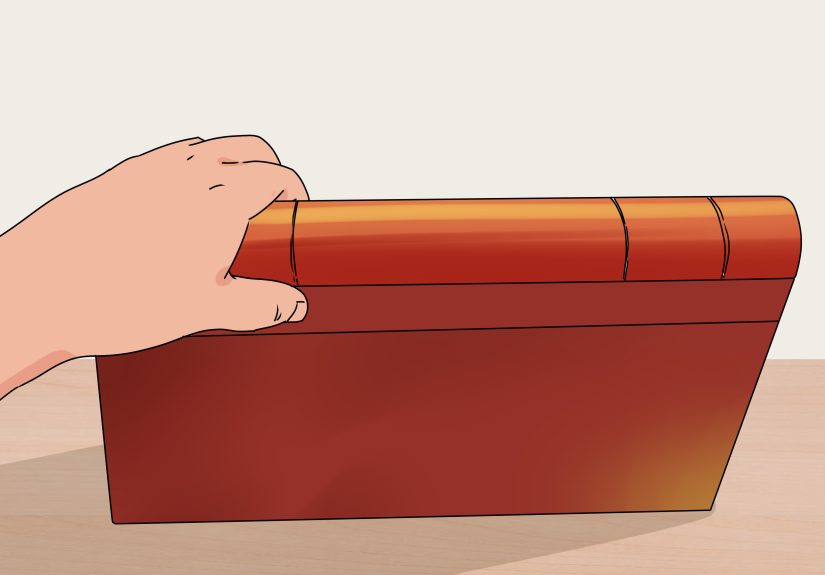
- Grab a book, plate, or thick cutting board.
- Pinch the edge between your thumb and fingers.
- Lift it slightly off the table and hold for 10–20 seconds.
- Rest and repeat 3–5 times per hand.
Start with something light (a thin book) and slowly work up to heavier items.
4. “Grocery Bag Carry” at Home
Carrying heavy bags is basically a farmer’s carry a classic grip-strength move recommended by trainers and physical therapists.
- Fill a sturdy grocery bag with a few cans or water bottles.
- Grab the handle and stand tall, shoulders back.
- Walk slowly for 20–30 seconds around your space.
- Switch hands and repeat 2–3 times.
Keep your shoulders relaxed the goal is a strong, steady grip, not a tense neck.
Way 2: Use Targeted Hand and Wrist Exercises
If you want more structure, hand therapists use specific exercises to help people recover after injuries, relieve pain, and restore mobility. Common moves include tendon glides, gentle fists, and wrist flexion or extension exercises.
1. Gentle Fist and Finger Rolls
Gentle fist exercises are frequently recommended for people with hand arthritis to maintain motion and reduce stiffness.
- Hold your hand out with fingers straight.
- Slowly curl your fingers into a loose fist, with your thumb wrapping gently over the outside.
- Hold for 3–5 seconds, then slowly straighten your fingers.
- Repeat 10 times per hand.
Follow with “finger rolls”: start with your hand in a fist, then slowly unroll your fingers one by one until they’re fully straight.
2. Thumb-to-Fingertip Taps (“O” Shapes)
These small, precise movements keep your thumb and finger joints moving well and help with coordination.
- Hold your hand up with fingers spread slightly.
- Touch your thumb to your index fingertip to form an “O.” Hold for 2–3 seconds.
- Repeat with your middle, ring, and little fingers.
- Do 2–3 rounds per hand.
This exercise often shows up in arthritis and rehabilitation routines because it’s gentle but effective for fine motor skills.
3. Simple Tendon Glides
Tendon-gliding exercises are designed to help your finger tendons slide smoothly through their sheaths, especially after injury, surgery, or inflammation.
Here’s a basic sequence (do these slowly and gently):
- Straight hand: Fingers long and straight.
- Hook fist: Keep the big knuckles straight and bend only the middle and end joints, like a claw.
- Tabletop: Bend the big knuckles (where fingers meet the hand) to 90 degrees, while keeping middle and end joints straight like your hand is resting on a table edge.
- Full fist: Make a full fist with all joints bent.
Hold each position for 3–5 seconds and move through the sequence 5–10 times per hand.
4. Wrist Flexion and Extension with Light Weight
Wrist-strengthening exercises improve the flexibility and strength of wrist muscles and tendons great for anyone who types a lot, plays racquet sports, lifts weights, or is at risk for carpal tunnel syndrome.
- Sit with your forearm resting on a table, palm facing up, hand hanging off the edge.
- Hold a light dumbbell, water bottle, or soup can.
- Slowly curl your wrist up toward you, then lower it back down.
- Do 10–15 reps, then flip your forearm so your palm faces down and repeat.
Start with very light weight. The goal is controlled movement, not max lifting.
5. Wrist and Forearm Stretches
Stretching your wrists and forearms can reduce stiffness and discomfort, especially if you spend hours at a keyboard. Mayo Clinic and similar resources recommend simple stretches during the workday to resist repetitive strain.
- Palm down stretch: Arm straight in front of you, palm down. Use your other hand to gently pull your fingertips toward the floor until you feel a stretch in the top of your forearm.
- Palm up stretch: Arm straight, palm up. Gently pull fingers downward to stretch the underside of the forearm.
Hold each stretch for 15–30 seconds and repeat 2–3 times per side.
Way 3: Build Grip Strength with Whole-Body Moves
Grip doesn’t exist in isolation. The same muscles that help you hold onto a bar also help you carry luggage or push yourself up off the floor. Whole-body strength training that challenges your hands can boost grip strength while improving overall fitness.
1. Dead Hangs (If You Have a Sturdy Bar)
Dead hangs simply hanging from a pull-up bar are a favorite in grip-strength programs because they train your hands, wrists, shoulders, and core all at once.
- Grab a pull-up bar with palms facing away or toward you, whichever is more comfortable.
- Let your body hang, shoulders slightly engaged (not jammed into your ears).
- Hold for 10–20 seconds to start.
- Rest and repeat 2–4 times.
Make it easier: Keep your feet on the ground or on a low step, supporting part of your weight.
Make it harder: Gradually increase your hang time or try one-handed support (with the other hand lightly holding the bar or a strap).
2. Elevated or Wall Push-Ups
Push-ups aren’t just a chest move your hands and wrists work hard to stabilize you. Adjust the angle to suit your strength and comfort.
- Start with wall push-ups: place your hands on the wall at shoulder height, step back, and bend your elbows to bring your chest toward the wall.
- When that feels easy, move to a countertop or sturdy table.
- Eventually, you can try knee push-ups or full push-ups on the floor if your wrists tolerate it.
Spread your fingers slightly and press through your whole hand, not just the heel, to distribute pressure.
3. Farmer’s Carry (Gym or Home Version)
We already talked about the grocery-bag version, but if you’re at the gym, you can use dumbbells or kettlebells.
- Pick up a weight in each hand with a firm but comfortable grip.
- Stand tall and walk for 20–40 seconds.
- Rest and repeat 3–5 times.
Training your grip this way supports everyday tasks like carrying laundry, suitcases, or that one trip from the car where you insist on holding every grocery bag at once.
How Often Should You Do Hand-Strengthening Exercises?
For most people, a simple routine 3–5 days per week is enough to see progress:
- Daily micro-moves: Wrist stretches, gentle fists, thumb-to-finger taps throughout the day (especially if you type or text a lot).
- 2–3 days per week: Ball squeezes, towel wringing, tendon glides, and light wrist strengthening.
- 2–3 days per week: Whole-body strength or grip-challenging activities: carries, dead hangs, push-ups, or weight training.
Remember, grip strength is like any other muscle ability improvements come from consistent practice over weeks and months, not from one heroic workout.
Bonus: of Real-Life Experience and Practical Tips
Hand-strength routines look nice on paper, but what does it feel like in real life? Here are some down-to-earth experiences and tricks that make “3 simple ways to strengthen hands” actually stick.
1. The “Jar Test” Progress Check
One of the easiest ways to notice improvement is what many people jokingly call the “jar test.” At first, even a moderately tight jar lid might require a rubber grip mat, hot water, and possibly a small prayer. After a few weeks of ball squeezes, towel twists, and farmer’s carries, the same lid suddenly feels… ordinary.
Instead of obsessing over reps and sets, some people simply keep an eye on these everyday wins: opening jars without help, carrying heavier grocery bags, or holding a pan with one hand while stirring with the other. These tiny victories are more motivating than any fitness chart.
2. Turning Bored Moments into Hand Workouts
Hand strengthening fits perfectly into “dead time”: sitting in traffic (as a passenger!), waiting for the microwave, standing in line, or watching TV. Many people keep a stress ball on their desk or by the couch so they can squeeze it during phone calls or Netflix sessions. Those little bursts of effort add up.
Some simple “habit pairings” that work well:
- Do thumb-to-finger taps during every commercial break.
- Do 10 towel wrings after loading the dishwasher.
- Stretch your wrists before you open your laptop and after you shut it.
3. What It Feels Like in Week 1, Week 3, and Week 6
Week 1: Everything feels a little awkward. Your fingers may tire quickly during ball squeezes, and your forearms might feel warm or slightly fatigued after towel wringing. Wrist stretches can reveal how stiff you really are after years of typing or scrolling.
Week 3: This is where people often notice the first “Oh hey, that’s easier” moment. Typing for an hour no longer makes your hands feel like stiff claws. Lifting a heavy pan or carrying groceries feels more controlled. The exercises themselves start to feel less like work and more like a quick reset for your hands.
Week 6 and beyond: If you’ve been consistent, you might notice that your handshake feels firmer, your grip on gym equipment is more secure, or that you can hang from a bar a few seconds longer than before. For older adults especially, this can translate into real-life confidence like trusting your hands on railings or walking with a cane or walker more securely.
4. Common Mistakes People Make
- Going too hard, too fast: Because hands are small, it’s easy to underestimate how much work they’re doing. Jumping straight to heavy weights or marathon hang times can irritate tendons or joints.
- Ignoring pain signals: A gentle stretch or mild fatigue is okay; sharp pain, tingling, or burning is not. If something hurts in a nerve-y, electric way, stop and get checked out.
- Only training one type of grip: Squeezing a single gripper endlessly trains one movement. Mixing crush (ball squeezes), pinch (book holds), and support grip (carries, hangs) gives more balanced strength.
- Skipping the rest of the body: Grip strength reflects overall muscle function, not just hand power. Full-body strength training and staying active generally support stronger hands and better health.
5. When to Loop in a Professional
Most people can follow these “3 simple ways to strengthen hands” on their own, but it’s smart to get extra help if:
- You’ve had a fracture, surgery, or tendon injury in your hand or wrist.
- You have diagnosed arthritis, carpal tunnel syndrome, or other chronic conditions affecting your hands.
- You notice persistent numbness, weakness, or dropping objects unexpectedly.
In those cases, an occupational therapist, physical therapist, or certified hand therapist can build a personalized program and make sure you’re strengthening safely.
Conclusion: Small Hands, Big Impact
Strong hands don’t just help you crush a handshake or win a friendly arm-wrestling match. They help you stay independent opening jars, carrying bags, cooking, gardening, and holding onto the people and things you love. Research increasingly treats grip strength as a window into your overall health and resilience, especially as you get older.
By combining everyday-object exercises, targeted hand and wrist work, and whole-body moves that challenge your grip, you can build stronger, steadier hands without turning your life upside down. Start small, stay consistent, and let each easier jar lid or longer dead hang remind you: your hands (and the rest of you) are getting stronger.