Table of Contents >> Show >> Hide
- What Is the “Navy SEAL Power Nap,” Exactly?
- What Science Actually Says About Power Naps
- So… Does the 8-Minute “Navy SEAL” Version Work?
- The “Real” Reason This Nap Hack Feels Like It Works
- How to Do a Navy SEAL-Style Power Nap That Works for Regular Humans
- When the Navy SEAL Power Nap Is a Bad Idea
- Quick FAQ: The Stuff People Actually Google
- Conclusion: Tactical Tool, Not a Magic Spell
- Experiences With the Navy SEAL Power Nap: What It Feels Like in Real Life (500+ Words)
Somewhere between your second yawn and your third cup of coffee, the internet offers a tempting promise: “Do the Navy SEAL power nap. Eight minutes. Legs up. Wake up like a superhero.” If that sounds like a suspiciously convenient life upgrade, you’re not wrong to be skeptical. But you’re also not wrong to be curiousbecause short naps do have real science behind them.
So does the “Navy SEAL power nap” really work? The honest answer: it can work, but not because eight minutes is a magical number or because your brain salutes the flag when your feet are elevated. It works when it lines up with what sleep research already knows about power naps, sleep inertia, and your body’s natural afternoon dip in alertness.
What Is the “Navy SEAL Power Nap,” Exactly?
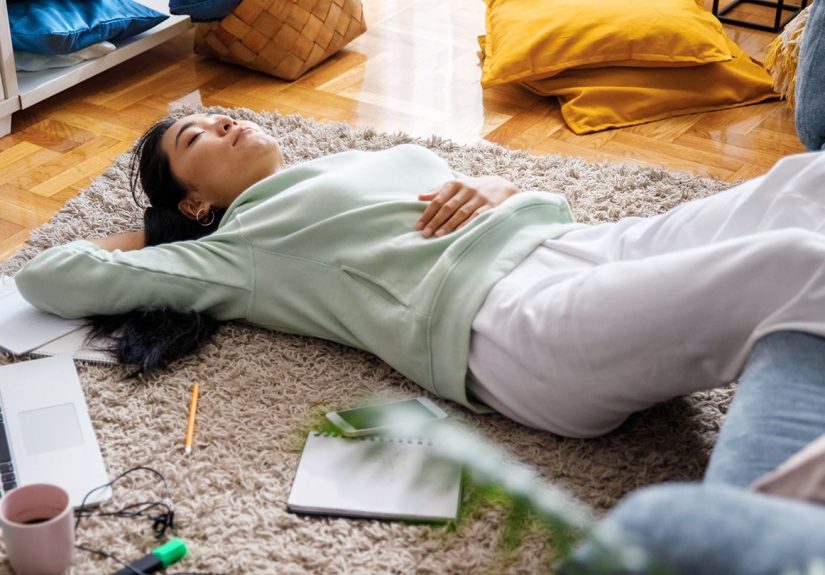
In most viral versions, the Navy SEAL nap is a very short napoften 6 to 8 minutestaken while lying on your back with your lower legs elevated (usually on a couch or bed) so your feet are above your heart. The method is commonly associated with former Navy SEAL Jocko Willink, who described using ultra-short naps as a quick reset.
Important context: this isn’t an official “SEAL doctrine” stamped on a laminated card inside a tactical vest. It’s more like a practical fatigue-management habit that got popular, then got memed, then got TikTok-ified. The core idea is still simple: take a short nap so you don’t wake up groggy, and get back to work.
What Science Actually Says About Power Naps
The strongest evidence isn’t about “SEAL naps.” It’s about short naps in general. Multiple medical organizations and sleep experts commonly recommend a nap window in the neighborhood of 10 to 30 minutes for a fast boost in alertness and mood without the dreaded post-nap fog. This “sweet spot” helps you get light sleep (often Stage 1 and early Stage 2) while avoiding deeper slow-wave sleep.
Why short naps help
- Alertness boost: Light sleep can reduce the pressure to sleep and sharpen focus for the next few hours.
- Reaction time and performance: In high-stakes jobs, even a brief nap can improve vigilance and decision-making.
- Mood and stress: A short nap can take the edge off irritabilitybecause sometimes your “personality” is just fatigue.
The villain of the story: sleep inertia
If you’ve ever woken from a nap feeling like your brain is loading on dial-up internet, you’ve met sleep inertiathat groggy, disoriented, slow-thinking period after waking. Sleep inertia is more likely when you wake from deeper sleep, which is why many experts recommend keeping naps short, or going long enough to complete a full sleep cycle (often around 90 minutes) if you have the time.
So… Does the 8-Minute “Navy SEAL” Version Work?
It canespecially for people who fall asleep quickly. But here’s the catch that the viral posts skip: many people take around 8–10 minutes just to fall asleep. If your timer is set for eight minutes from the moment your head hits the floor, you might spend the entire “nap” doing Olympic-level overthinking (“Am I asleep yet? How about now? NOW?”).
That doesn’t mean it’s useless. Even brief restclosing your eyes, relaxing your muscles, slowing your breathing can help you feel more stable. But if you want the strongest, most reliable benefits, you usually want a little actual sleep, not just a dramatic pose and a stopwatch.
What the legs-up position might do (and what it probably doesn’t)
Elevating your legs can feel goodespecially if you’ve been sitting, standing, or running around all day. It may reduce that “heavy legs” feeling and encourage physical relaxation. That relaxation can make it easier to drift off. But the primary driver of the “reset” effect is still the nap itself: light sleep, plus a clean wake-up before deep sleep.
The “Real” Reason This Nap Hack Feels Like It Works
The Navy SEAL power nap works best when it accidentally follows good nap science. People try it during the early afternoon (when humans naturally get sleepy), keep it short, and get up before they hit deep sleep. That combo is legitimately effective.
There’s also a psychological factor nobody likes to admit: the nap technique is a boundary. You are officially off-duty for a few minutes. Your phone isn’t your boss. Your inbox can wait. Your brain gets a mini “pause screen,” and sometimes that alone is enough to stop the mental spinning.
How to Do a Navy SEAL-Style Power Nap That Works for Regular Humans
If you want a version that’s more science-backed and less internet-daring, try this:
Step 1: Pick the right time
- Best window: early afternoon, often around 1–3 p.m., when many people experience a natural dip in alertness.
- Avoid: late afternoon naps if they mess with your nighttime sleep.
Step 2: Set your timer like a grown-up
If you want an “8-minute nap,” consider setting a timer for 15–20 minutes instead. Why? Because that includes a few minutes to settle and still gives you a chance to reach light sleep. If you fall asleep fast, you still wake up before deep sleep. If you don’t, you still get restful downtime.
Step 3: Choose your position
- SEAL-style: lie on the floor with calves on the couch/bed, knees bent, legs elevated.
- Normal-person option: recline in a chair with your head supported (less awkward, still effective).
- Comfort matters: pain or numbness defeats the purpose.
Step 4: Make it easy to fall asleep
- Dim the light (or use an eye mask).
- Lower noise (or use gentle white noise).
- Try slow breathing: inhale 4 seconds, exhale 6 seconds for a minute or two.
- Let your jaw unclench. Yes, you’re clenching it right now. You know you are.
Step 5: Wake up on purpose
Don’t hit snooze. Snooze is how short naps turn into “Why is it dark outside?” naps. When your timer goes off, sit up, get light in your eyes, drink water, and move for 30–60 seconds. A quick walk to the sink counts. A dramatic sprint down the hallway is optional.
Bonus upgrade: the “coffee nap” combo
Some people drink coffee (or another caffeinated drink) right before a short nap. Since caffeine takes a bit to kick in, you may wake up with a one-two punch: nap refresh + caffeine boost. This is not required, but it’s popular for a reasonespecially when you’re running on fumes.
When the Navy SEAL Power Nap Is a Bad Idea
Naps are helpful, but they’re not always the right tool. Consider skipping (or shortening) naps if:
- You have insomnia and naps make it harder to sleep at night.
- You suspect a sleep disorder (like sleep apnea) and you’re constantly exhaustednapping may mask the real issue.
- You nap late and it steals your sleep drive at bedtime.
- You routinely need long naps to functionyour nighttime sleep may not be doing its job.
If you’re regularly sleepy during the day despite “trying everything,” that’s not a character flaw. It’s a signal worth discussing with a healthcare professional.
Quick FAQ: The Stuff People Actually Google
Is eight minutes enough?
Sometimes. If you fall asleep quickly, an ultra-short nap can refresh you. If you don’t fall asleep fast, a slightly longer timer (15–20 minutes) usually works better.
What’s the best nap length for energy and focus?
Many experts land on 10–30 minutes as a practical “power nap” range. It’s long enough to help, short enough to reduce sleep inertia.
Do I need to elevate my legs?
No. It may feel relaxing and can make the nap setup feel intentional, but it’s not mandatory. Comfort and timing matter more than the exact pose.
What if I wake up groggy?
You likely woke during deeper sleep (sleep inertia). Next time, shorten the nap, nap earlier, or aim for either a quick power nap or a full cycle (if you have time).
Conclusion: Tactical Tool, Not a Magic Spell
The Navy SEAL power nap “works” in the same way most good sleep advice works: it’s effective when it matches how your brain actually behaves. A short nap can improve alertness, mood, and performanceespecially in the early afternoon. But the viral eight-minute version is best viewed as a starting point, not a universal rule.
If you try it and feel amazing, congratsyou’re either a fast napper, perfectly timed your circadian slump, or both. If you try it and feel nothing, don’t conclude you’re “bad at naps.” Just adjust the timer, the environment, and the expectations. Even special operators would agree: adapt, improvise, overcome… and maybe use an eye mask.
Experiences With the Navy SEAL Power Nap: What It Feels Like in Real Life (500+ Words)
Let’s talk about the part most articles skip: what this nap trick feels like when you’re not a Hollywood action hero and your mission is “finish a report” or “survive sixth-period math.” Below are real-world-style experiencescomposite scenarios based on common patterns sleep clinicians and wellness programs talk about that show why some people swear by the Navy SEAL power nap and others shrug like, “Cool floor. Still tired.”
1) The Office Worker Who Thinks 2:30 p.m. Is a Conspiracy
Picture someone working a standard desk job. Lunch was fine. The meeting was not. By 2:30 p.m., their brain feels like it’s buffering. They try the Navy SEAL nap on the living room floor: legs on the couch, timer set for eight minutes. The first attempt is basically an anxiety documentary narrated by their inner voice: “What if I sleep too long? What if my boss emails? What if I’m awake this whole time?” They stand up eight minutes later… and feel only slightly better, like they rebooted their computer but didn’t close any tabs.
The second day, they change one thing: they set the timer to 18 minutes instead of eight. They also dim the room and put their phone facedown (a bold choice in 2026). This time, they actually drift for a few minutes. They wake up a little clearer, not euphoricjust more capable. Their takeaway: the position is fine, but the timer was the difference between “resting” and “napping.”
2) The Student Who Tries to Nap Like a Pro… and Accidentally Naps Like a Cat
A student hears about the 8-minute nap and tries it after school, hoping it’ll help with homework. They lie down, set a timer, and… nothing. Their brain is too loud. So they try a tweak: a 2-minute wind-downslow breathing, relaxed shoulders, no scrolling. Suddenly, the nap becomes possible. They wake up and feel less cranky, and homework feels less like climbing a mountain in flip-flops.
But then they get greedy: “If eight minutes is good, 45 minutes must be elite.” That’s when sleep inertia shows up like an uninvited guest. They wake up groggy, confused, and weirdly hungry, like their body filed a complaint with HR. The lesson sticks: short power naps are for focus; longer naps require planning and the right timing.
3) The Shift Worker Who Uses Naps Like a Tool, Not a Treat
A nurse (or anyone working unpredictable hours) tends to approach naps tactically. They’re not napping because it’s cozy; they’re napping because fatigue is a safety issue. For them, the “Navy SEAL nap” is a compact reset during a break. They don’t obsess over eight minutesthey aim for “short enough to avoid deep sleep, long enough to help.” Sometimes that’s 15 minutes. Sometimes it’s 25. The nap isn’t romantic. It’s maintenancelike charging your phone so it doesn’t die mid-shift.
4) The Fitness Person Who Loves the Legs-Up Part
Someone who trains hard tries the legs-elevated setup after a workout day. They notice the position itself is soothingcalves supported, back relaxed, legs not feeling as heavy. Even if they don’t fully fall asleep, their body feels calmer. When they do drift off, they wake up feeling “lighter,” and they’re more willing to cook dinner instead of negotiating with a bag of chips. Their takeaway: leg elevation doesn’t create sleep magic, but it can make the nap feel physically restorative.
5) The Overachiever Who Needs Permission to Rest
One of the most common “experiences” people report isn’t biologicalit’s emotional. A short, timed nap is permission. It has a beginning and an end. You’re not “wasting the day,” you’re doing a controlled reset. For people who feel guilty resting, the Navy SEAL branding oddly helps: it frames the nap as a performance strategy, not laziness. And if that mental trick is what gets you to close your eyes and recover for a few minutes? Honestly, take the win.
The consistent pattern across these experiences is simple: the nap works best when it’s timed well, kept short, and treated as a tool. If eight minutes is enough for you, great. If you need 15–20 minutes to actually fall asleep and get light sleep, that’s not failurethat’s normal human biology.