Table of Contents >> Show >> Hide
- What Makes a Palm Good for Indoor Growing?
- 22 Indoor Palm Trees Worth Growing
- 1. Parlor Palm
- 2. Areca Palm
- 3. Kentia Palm
- 4. Majesty Palm
- 5. Cat Palm
- 6. Bamboo Palm
- 7. Lady Palm
- 8. Chinese Fan Palm
- 9. Pygmy Date Palm
- 10. European Fan Palm
- 11. Fishtail Palm
- 12. Dwarf Sugar Palm
- 13. Sentry Palm
- 14. Dwarf Majesty Palm
- 15. Miniature Fishtail Palm
- 16. Bottle Palm
- 17. Spindle Palm
- 18. Christmas Palm
- 19. Manila Palm
- 20. Arikury Palm
- 21. Dwarf Areca Palm
- 22. Coconut Palm
- How to Choose the Best Indoor Palm for Your Space
- Indoor Palm Care Tips That Actually Matter
- Common Problems With Indoor Palm Trees
- Experience and Practical Insights From Growing Indoor Palms
- Conclusion
Want your living room to feel a little more like a boutique hotel lobby and a little less like “I forgot to water that spider plant again”? Indoor palm trees are one of the easiest ways to bring home that lush, tropical look without turning your house into a full-blown jungle documentary. Their arching fronds soften sharp corners, add height without too much bulk, and somehow make even a boring corner look like it has vacation plans.
That said, not every palm belongs in your home. Some are wonderfully adaptable, happy with bright indirect light and average indoor temperatures. Others are dramatic in the way only plants can be: brown tips, sulking fronds, and the silent judgment of a species that wanted more humidity than your apartment could ever provide. The trick is choosing the right indoor palm for your space, your light, and your patience level.
Below, you’ll find 22 types of palm trees you can grow indoors, from beginner-friendly classics like the parlor palm to statement-makers like the majesty palm and elegant kentia palm. I’ll also break down what makes each one special, what kind of home it likes best, and how to keep it from going from tropical beauty to crunchy cautionary tale.
What Makes a Palm Good for Indoor Growing?
The best indoor palm trees share a few important traits. First, they tolerate container life well. Second, they can adapt to filtered or medium indoor light rather than needing blazing all-day sun. Third, they grow at a pace that won’t have them pushing through your ceiling before you’ve even learned their botanical name.
In general, indoor palms prefer well-draining soil, steady but not soggy moisture, warm temperatures, and a bit more humidity than the average home naturally offers. They also dislike one universal insult: wet feet. If a pot has poor drainage, your palm may respond by yellowing, drooping, or giving up on life in an extremely passive-aggressive way.
22 Indoor Palm Trees Worth Growing
1. Parlor Palm
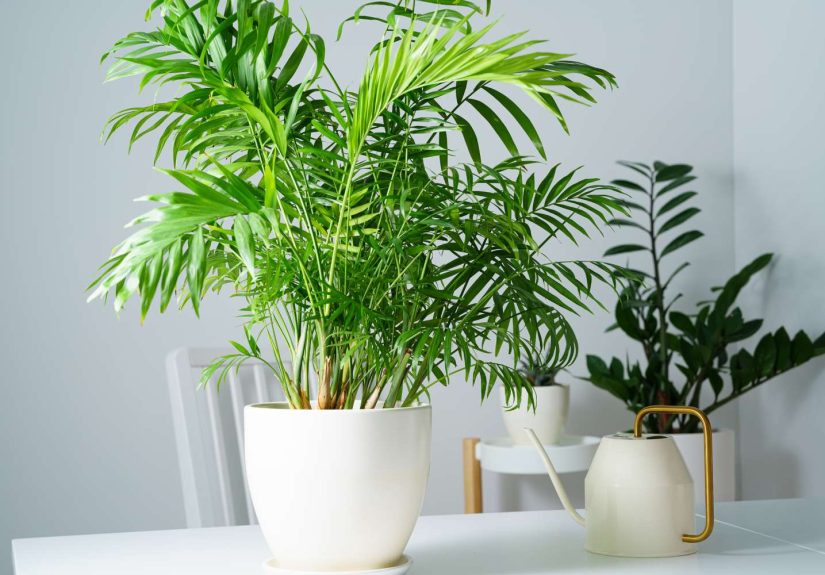
The parlor palm is the classic indoor palm for a reason. It handles lower light better than many other palms, stays relatively compact, and has soft, elegant fronds that look expensive even when they are not. If you’re new to houseplants, this is the palm equivalent of a friendly handshake.
2. Areca Palm
Also called butterfly palm, the areca palm has feathery fronds and a graceful, fountain-like shape. It brightens a room instantly and is one of the most popular choices for homes with bright indirect light. It likes evenly moist soil but not swamp conditions, so think “hydrated,” not “submerged.”
3. Kentia Palm
If palms had a red-carpet category, kentia palm would win best dressed. It has arching, deep green fronds and an upscale look that works beautifully in living rooms, offices, and entryways. It tolerates moderate light and tends to be more forgiving than fussier tropical species.
4. Majesty Palm
Majesty palm is gorgeous, tall, and just a little demanding. It thrives best with bright indirect light, consistent moisture, and higher humidity. When it’s happy, it looks stunning. When it’s not, it announces its displeasure with brown tips like a tiny botanical diva.
5. Cat Palm
Cat palm grows in dense, lush clumps that make it look full and richly tropical. It tends to appreciate more regular watering than some other indoor palms and does especially well in bright, filtered light. It’s a fantastic choice if you want a plant that looks leafy and luxurious rather than sparse and tree-like.
6. Bamboo Palm
Bamboo palm has slim, cane-like stems and a soft, upright habit that fits nicely into corners. It is one of the better indoor palms for lower or medium light and adds a fresh, relaxed feel without taking over the room. It’s also commonly chosen by people who want that tropical look without a giant footprint.
7. Lady Palm
Lady palm has fan-shaped leaves and a neat, architectural form. It grows slowly, which is excellent news for indoor gardeners who are not interested in repotting every five minutes. This palm works especially well in formal interiors because it looks tidy, polished, and almost suspiciously well behaved.
8. Chinese Fan Palm
With broad, pleated fan leaves, Chinese fan palm brings a sculptural look to a room. It is slower growing indoors and can work as a long-term container plant. Give it bright light, decent airflow, and room for its dramatic foliage to show off.
9. Pygmy Date Palm
Pygmy date palm looks like a mini resort palm, which is exactly its charm. It has a slim trunk and feathered fronds that create a classic tropical silhouette. It needs bright light to perform well indoors, so it’s best suited to sunny rooms and patient plant owners.
10. European Fan Palm
This palm is tougher and more textured than many tropical-looking houseplants. European fan palm has a clumping habit and striking fan-shaped leaves that add structure to indoor spaces. It appreciates bright light and can handle slightly drier conditions better than some softer-leaved palms.
11. Fishtail Palm
Fishtail palm stands out because its leaflets look ragged and triangular, a bit like fish tails. It brings unusual texture and a more dramatic jungle vibe than your typical feather palm. Indoors, it likes bright filtered light and steady care, and it definitely earns style points for not looking like every other plant in the room.
12. Dwarf Sugar Palm
Dwarf sugar palm is compact, shade tolerant, and well suited to containers. It grows slowly and has dark green foliage that holds up nicely in indoor settings. If you like plants that don’t need to be constantly negotiated with, this one deserves a look.
13. Sentry Palm
Sentry palm is closely related to kentia and offers a similarly elegant, refined appearance. It tends to have a slightly more upright look, making it a smart option for narrow spaces where you still want height and drama. Think “indoor palm with excellent posture.”
14. Dwarf Majesty Palm
For gardeners who love the look of majesty palm but don’t want quite as much scale, dwarf forms can be easier to manage indoors. You still get that feathery tropical appearance, but with a little more flexibility for apartments or smaller rooms.
15. Miniature Fishtail Palm
This smaller fishtail relative is a good way to get unusual foliage without dedicating half your floor space to one plant. It works well in bright rooms and brings a more delicate version of the dramatic fishtail look.
16. Bottle Palm
Bottle palm gets its name from its swollen trunk, which gives it a quirky, almost cartoonishly charming profile. Indoors, it works best in very bright spaces and as a smaller specimen plant. It’s not the most common house palm, which is part of what makes it fun.
17. Spindle Palm
Spindle palm has a gracefully swollen trunk and arching fronds that give it a polished, tropical look. It needs strong light and warm conditions to really thrive indoors. If your home has a bright sunroom, spindle palm can be a showstopper.
18. Christmas Palm
Christmas palm is better known as an outdoor palm in warm climates, but young specimens can be grown indoors for a time in bright conditions. It’s prized for its clean form and manageable size when young. Consider it more of a stylish indoor guest than a permanent sofa roommate.
19. Manila Palm
Manila palm, often sold in smaller nursery sizes, can be grown indoors while young. Its delicate, arching fronds create an airy look that pairs nicely with modern interiors. It needs strong light and good drainage to avoid trouble.
20. Arikury Palm
Arikury palm is less common in mainstream garden centers, but collectors appreciate its compact size and graceful form. In containers, it can be an appealing option for bright indoor rooms where you want something a little different from the usual parlor-or-areca routine.
21. Dwarf Areca Palm
If you love the classic areca shape but don’t have room for a larger specimen, a dwarf areca palm offers the same feathery effect in a more compact package. It’s great for tabletops, plant stands, or bright apartment corners that need a bit of movement and softness.
22. Coconut Palm
Yes, you can grow a coconut palm indoors, at least for a while, and yes, it looks delightfully ridiculous and wonderful. The catch is that it wants a lot of light, warmth, and humidity. It’s usually considered more of a novelty indoor palm than a long-term easy houseplant, but if you like a challenge and have a sunny space, it can be a conversation starter.
How to Choose the Best Indoor Palm for Your Space
If your home has medium or lower light, start with parlor palm, bamboo palm, lady palm, or kentia palm. These are generally more adaptable and won’t demand a sun-drenched wall of windows to survive. If you have bright indirect light and can manage a bit of extra humidity, areca palm, cat palm, and majesty palm become realistic choices.
For smaller homes or apartments, slow growers such as lady palm, dwarf sugar palm, or a compact parlor palm make more sense than anything that dreams of becoming a lobby centerpiece. If your goal is visual drama, majesty palm, kentia palm, Chinese fan palm, and pygmy date palm create the strongest statement.
Indoor Palm Care Tips That Actually Matter
Light
Most indoor palms prefer bright, indirect light. A few tolerate lower light, but almost none enjoy being shoved into a dark corner and expected to thrive on vibes alone. Rotate your plant occasionally so growth stays even.
Water
Water when the top layer of soil begins to dry, but don’t let the pot sit in standing water. Too little water can crisp the tips, while too much can rot the roots. Palms like balance, which is frustratingly mature of them.
Humidity
Many palms appreciate moderate to high humidity, especially majesty, areca, and cat palms. Dry indoor air can lead to brown edges. A humidifier, pebble tray, or grouping plants together can help.
Soil and Drainage
Use a well-draining potting mix and a container with drainage holes. This is not optional. Decorative pots are lovely, but decorative root rot is not.
Fertilizer
Feed during the active growing season with a balanced fertilizer or one made for palms, but don’t overdo it. Too much fertilizer can damage roots and leaf tips faster than you can say “Why is it turning yellow?”
Pet Safety Note
Some palms commonly grown indoors are considered pet-friendly, but not all palm-like plants are safe. If you have cats or dogs, double-check the exact species before bringing it home. A plant label that just says “palm” is about as helpful as a recipe that says “season to emotion.”
Common Problems With Indoor Palm Trees
Brown leaf tips usually point to low humidity, inconsistent watering, salt buildup, or all three joining forces. Yellowing leaves can suggest overwatering or poor drainage. Pale growth often means insufficient light. Spider mites are also fond of dry indoor conditions and can show up on stressed palms, because apparently your plant’s bad week can always get worse.
The good news is that palms usually give you warning signs before they fully decline. If you respond early by adjusting light, watering, humidity, or potting conditions, many can recover well enough to keep their dignity and yours.
Experience and Practical Insights From Growing Indoor Palms
One of the most useful things people learn after growing indoor palms for a while is that the prettiest palm at the store is not always the best palm for the home. A majesty palm under perfect greenhouse conditions looks like a dream. Put that same plant in a dry room beside a heating vent, and it may begin writing its resignation letter with brown leaf tips within two weeks. Meanwhile, a modest parlor palm that looked almost too simple on the nursery bench may still be alive and thriving years later.
Another common experience is discovering that indoor palms teach patience. They are not flashy growers like pothos or fast-moving herbs on a sunny sill. Many palms settle in slowly, produce new fronds one at a time, and generally move at the pace of a very thoughtful tortoise. For some people, that is frustrating. For others, it is part of the charm. A palm rewards consistency more than enthusiasm. In other words, steady care beats dramatic gestures.
People also tend to notice how much placement matters. Move a kentia palm a few feet away from a bright window, and it may still look fine. Move a pygmy date palm into the same spot, and it may respond like you’ve sentenced it to a cave. Indoor gardening often looks mysterious from the outside, but over time it becomes a game of matching plant personality to household reality.
There is also the emotional side of growing palms indoors. Large palms soften a room in a way few plants can. They make homes feel calmer, taller, and more finished. A bare corner becomes intentional. A home office feels less like a tax form and more like a place where an interesting person definitely works. Even a compact lady palm can add that little touch of movement and texture that makes a room feel alive.
Experienced indoor gardeners often end up with a personal ranking system. Some swear by parlor palm because it forgives beginner mistakes. Others love areca palm for the bright, feathery canopy. Some remain loyal to kentia palm because it has style without requiring daily negotiations. And nearly everyone has one cautionary tale about buying a high-maintenance palm because it looked amazing for twelve magical minutes in the store.
The biggest practical lesson is simple: choose for your conditions, not your fantasy. If your home is bright, humid, and warm, you can try the glamorous options. If your home is average and you prefer plants that don’t act like tiny royalty, go with adaptable palms that are known to handle indoor life well. When you make that match, indoor palms stop being intimidating and start becoming exactly what they should be: beautiful, calming plants that make your home feel a little greener and a lot more inviting.
Conclusion
The best indoor palm trees combine beauty, structure, and a surprisingly soothing presence. Whether you choose a forgiving parlor palm, a polished kentia palm, or a dramatic majesty palm, the right plant can transform an ordinary room into a space that feels fresher, softer, and more alive. Start with the light and humidity you actually have, choose a species that fits your routine, and your indoor palm can become one of the most rewarding houseplants you grow.