Table of Contents >> Show >> Hide
- Why Great Northern Beans Are Crock Pot Gold
- Ingredients You’ll Need
- Before You Start: Soak, No-Soak, and One Quick Safety Note
- Step-by-Step: Crock Pot Great Northern Beans (Base Recipe)
- Classic Ham Version: “Crock Pot Ham and Beans” Style
- Flavor Variations (So You Don’t Get Bean Bored)
- What to Serve With Crock Pot Great Northern Beans
- Troubleshooting: Bean Problems and Easy Fixes
- Storage and Freezing (Meal-Prep Friendly)
- FAQ
- of Real-World Crock Pot Bean Experiences (The Stuff Recipes Don’t Always Tell You)
- SEO Tags
If comfort food had a mascot, it would be a slow cooker quietly doing the heavy lifting while you go live your life.
And if comfort food had a sidekick, it would be Great Northern beans: mild, creamy, and basically incapable of starting drama.
This is the cozy, reliable crock pot Great Northern beans recipe you can make for meal prep, Sunday dinner, snow days,
or any time your wallet says “be responsible” but your stomach says “be delicious.”
Below you’ll get a foolproof base method (vegetarian-friendly), plus a classic ham version, cook-time ranges,
and the little details that separate “fine” beans from “why are these beans so good?” beans.
No fussy steps, no weird ingredientsunless you count “patience,” which is unfortunately not sold in the spice aisle.
Why Great Northern Beans Are Crock Pot Gold
Great Northern beans sit in the sweet spot: smaller than butter beans, a bit firmer than navy beans,
and famously good at turning tender and creamy without dissolving into total mush.
Their mild flavor also means they happily borrow personality from whatever you addham, herbs, garlic,
smoked paprika, veggie broth, you name it. In other words: they’re the perfect slow-cooker teammate.
Ingredients You’ll Need
The basic (vegetarian-friendly) ingredient list
- 1 pound dried Great Northern beans (about 2 cups)
- 1 medium yellow onion, diced
- 2 carrots, diced (optional but recommended for sweetness)
- 2 celery ribs, diced
- 4–6 cloves garlic, minced (measure with your heart)
- 1–2 bay leaves
- 1 teaspoon dried thyme (or 1 tablespoon fresh)
- 6–8 cups broth or water (see liquid notes below)
- Salt and black pepper (season thoughtfullydetails in the method)
- 2 tablespoons olive oil or butter (for a silky finish)
Optional flavor boosters (choose your own adventure)
- Ham hock, ham bone, or 2 cups diced ham (classic “ham and beans” vibe)
- Smoked turkey wing/leg (big flavor, less salty than ham)
- 1 teaspoon smoked paprika (adds “I worked harder than I did” energy)
- 1–2 teaspoons dry mustard (subtle tang, old-school soup trick)
- Crushed red pepper flakes (warmth, not chaos)
- A Parmesan rind (not vegetarian, but wildly savory)
- Leafy greens (kale, collards, spinachstir in near the end)
- Acid at the end (lemon juice or a splash of vinegar for balance)
Before You Start: Soak, No-Soak, and One Quick Safety Note
Sort and rinse (always)
Pour the dried beans onto a baking sheet or clean counter, pick out any tiny stones or shriveled beans,
and rinse well. It’s the culinary equivalent of checking your pockets before doing laundrysimple,
slightly annoying, and absolutely worth it.
Option A: Overnight soak (best texture, most predictable)
Cover the beans with plenty of water (at least 2–3 inches above the beans) and soak 8–12 hours.
Drain and rinse before cooking. If you’re a “tiny upgrades matter” person, salt the soak water.
Many cooks find salted soaking helps beans cook up creamy and evenly seasoned.
Option B: Quick soak (same-day shortcut)
Cover beans with water in a pot, bring to a boil for 1–2 minutes, then turn off the heat and let them sit,
covered, for 1 hour. Drain and rinse. This doesn’t magically make beans cook instantly, but it helps
speed things along and improves consistency.
Option C: No-soak (works, just plan extra time)
You can cook Great Northern beans from dry in many slow cookers, but it usually takes longer and can be less predictable.
Expect to add extra liquid and extra cook time. If your beans are older (or you bought them during a “stock up” phase),
soaking is your best friend.
A quick safety note (especially for kidney-type beans)
Some dried beans (notably red kidney and “white kidney”/cannellini) are often recommended to be soaked and then boiled
before slow-cooking. Great Northern beans are typically used in slow-cooker recipes without issue, but if you want maximum
peace of mindor you’re mixing bean typesdo this: after soaking, boil the beans in fresh water for 10 minutes, then drain
and add to the crock pot. It’s a small step that can also improve texture.
Step-by-Step: Crock Pot Great Northern Beans (Base Recipe)
1) Build the flavor base
Lightly grease the slow cooker insert. Add onion, carrots, celery, garlic, bay leaves, and thyme.
If you’re using a ham hock or smoked turkey, add it now.
2) Add beans and liquid
Add the rinsed beans. Pour in broth or water.
For soaked beans, start with 6 cups liquid.
For unsoaked beans, start with 7–8 cups.
Beans should be covered by about 1–2 inches.
3) Season smart (not heavy-handed)
Add 1/2 teaspoon black pepper. Hold most of the salt until later if you’re using ham,
since ham brings salt to the party uninvited. If you’re cooking vegetarian, you can add
1 to 1 1/2 teaspoons salt now and adjust at the end.
4) Slow cook until creamy-tender
Cover and cook:
- Soaked beans: 7–9 hours on LOW, or 4–5 hours on HIGH
- No-soak beans: 9–11 hours on LOW, or 5–7 hours on HIGH
Cookers vary, and so do beans (age matters!). Beans are done when they’re creamy inside with no chalky bite.
If they’re close but not there, keep goingbeans don’t respond well to threats, only time.
5) Finish for maximum comfort
Remove bay leaves. If you used a ham hock or turkey, take it out, shred the meat, and return the meat to the pot.
For a thicker, richer texture, mash about 1 cup of beans against the side of the cooker (or use an immersion blender
for 3–5 quick pulsesdon’t puree the whole thing unless you’re going for “bean dip that accidentally became soup”).
Stir in olive oil or butter. Now taste and season: add salt gradually until the flavor “wakes up.”
If you want brightness, add a squeeze of lemon or a splash of vinegar at the end.
Classic Ham Version: “Crock Pot Ham and Beans” Style
For that old-school bowl-of-cozy flavor, use one of these:
1 ham hock, a meaty ham bone, or 2 cups diced ham.
Cook with the base recipe above. If using diced ham (already salty), consider salting only at the end.
Optional upgrades that make it taste like it simmered all day (because it did, technically):
add 1 teaspoon dry mustard and 1/2 teaspoon smoked paprika.
Serve with cornbread and a little hot sauce if you like a gentle kick.
Flavor Variations (So You Don’t Get Bean Bored)
Smoky Turkey + Greens
Use a smoked turkey wing/leg plus broth. In the last 20–30 minutes, stir in chopped kale or collards.
Finish with a splash of apple cider vinegar to balance the smoky richness.
Garlic-Herb “White Bean Stew” (meatless)
Use vegetable broth, extra garlic, thyme, and a pinch of rosemary. Finish with olive oil and lemon.
Serve with toasted bread rubbed with garlicbecause subtlety is overrated.
Southwest-Inspired White Bean Bowl
Add cumin, smoked paprika, and a diced jalapeño. Stir in corn near the end.
Top with salsa, cilantro, and a dollop of Greek yogurt or sour cream.
It’s not traditional, but it’s delicious, and the beans won’t report you.
What to Serve With Crock Pot Great Northern Beans
- Cornbread (the classic)
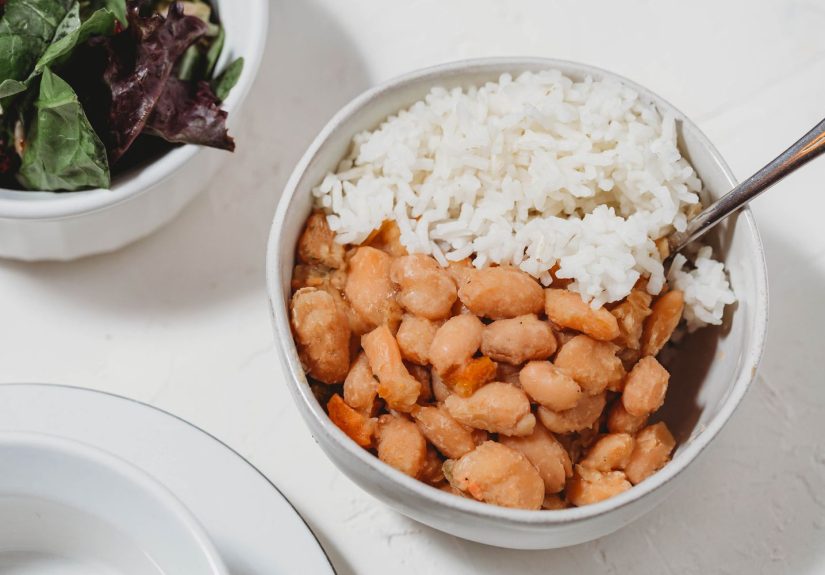
- Cooked rice or buttered noodles (simple and filling)
- Greens (collards, green beans, or a crisp salad)
- Pickles or pickled onions (acid cuts richness)
- Hot sauce (optional, but emotionally supportive)
Troubleshooting: Bean Problems and Easy Fixes
“My beans won’t get soft.”
Common culprits: older beans, hard water, or adding acidic ingredients too early (tomatoes, vinegar, lots of lemon).
Fix: keep cooking on LOW and add a bit more hot broth/water if needed.
If you suspect hard water, a tiny pinch of baking soda can helpbut use a light hand.
Next time, soak overnight and save acidic ingredients for the finish.
“My beans are done but the broth is thin.”
Mash a cup of beans, simmer uncovered for 15–30 minutes (if your slow cooker allows),
or ladle some liquid into a small pot and reduce it on the stove, then stir it back in.
This thickens without adding anything weird.
“My beans are too thick.”
Stir in a little extra broth or hot water until it’s the consistency you want.
Beans drink liquid as they sit, so leftovers often need a splash.
“It tastes flat.”
Beans love salt, but they also love balance. Try:
a bit more salt, a squeeze of lemon or splash of vinegar, and a pinch of pepper.
A drizzle of olive oil at the end can make flavors feel rounder and richer, too.
Storage and Freezing (Meal-Prep Friendly)
Cool leftovers quickly and store in the fridge in a covered container. They keep well for about 4–5 days.
Freeze in portions (beans + broth) for up to a few months. Reheat on the stove or in the microwave.
If the beans thicken up in the fridge like they’re trying to become hummus, just add a splash of broth or water while reheating.
FAQ
Can I use canned Great Northern beans instead?
Yescanned beans are already cooked. If you want slow-cooker flavor, build the broth with the aromatics and ham (if using),
cook that on LOW for a few hours, then add drained canned beans for the last 30–60 minutesjust long enough to warm through
and soak up flavor without turning to mush.
Should I cook on HIGH to make it faster?
HIGH can work, but LOW tends to give creamier texture and more even doneness. If you’re short on time,
soaking (even quick-soak) plus HIGH is usually better than unsoaked beans plus HIGH.
When should I add tomatoes?
Tomatoes are acidic, which can slow softening. Add tomatoes (or tomato paste) once the beans are mostly tender,
or stir them in during the last hour for best results.
of Real-World Crock Pot Bean Experiences (The Stuff Recipes Don’t Always Tell You)
Here’s what tends to happen in real kitchens when people start making crock pot Great Northern beans regularly:
the slow cooker becomes less of an appliance and more of a roommate. A dependable one. The kind that doesn’t leave dishes in the sink.
First, you’ll notice the smell. It starts out innocentonion, garlic, maybe thymethen, around the halfway mark,
the whole house suddenly smells like you have your life together. This is especially powerful if you’re wearing sweatpants.
There’s something deeply satisfying about walking past the slow cooker, lifting the lid for one second, and thinking,
“Yes. This is the correct timeline.” (Try not to lift the lid too often, thoughslow cookers are like introverts:
they do their best work when you stop checking on them.)
The second thing you learn is that bean liquid is not “just liquid.” When beans cook low and slow with aromatics,
the broth turns into a silky, savory thing that tastes like the background music of comfort food.
People often plan to drain beansthen taste the broth and immediately change their plans.
If you’ve ever wondered why restaurant beans taste richer, it’s usually because they keep and use that cooking liquid.
At home, it becomes your secret weapon for leftovers: add a splash when reheating and the beans come back to life instead of drying out.
In everyday use, these beans also become a “starter ingredient” for the rest of the week.
Day 1 is the classic bowl: beans, broth, maybe ham, maybe cornbread.
Day 2 becomes a shortcut soup: stir in a handful of greens, a leftover rotisserie chicken shred, or a can of diced tomatoes.
Day 3 is the surprise favorite: smash some beans on toast with olive oil, salt, pepper, and a little lemonsuddenly you have a lunch
that feels trendy without requiring a ring light.
And yes, you’ll eventually have a batch that tests your patience. The beans take longer than expected.
This is not your fault. Beans are agricultural products, and they do what they want.
When that happens, experienced bean people don’t panicthey add a little more hot liquid, keep the cooker on LOW,
and let time do its thing. They also learn the “acid timing” lesson: tomatoes and vinegar are amazing at the finish,
but early on they can slow softening. Once you get that rhythm, your success rate shoots way up.
Finally, there’s the social side effect: beans attract people. A pot of slow-cooked beans on the counter turns into a magnet at gatherings.
Someone will ask, “What smells so good?” Someone will ask for the recipe. Someone will say, “I forgot how good beans can be.”
And you, humble bean wizard, will nod like this was always the plan. Because it was. Probably.