Table of Contents >> Show >> Hide
- First, a Quick Tour of the Shoulder Joint
- What Is a Shoulder Dislocation?
- What Is a Shoulder Subluxation?
- Shoulder Dislocation vs. Subluxation: Key Differences
- How Doctors Diagnose Shoulder Dislocation and Subluxation
- Treatment for Shoulder Dislocation
- Treatment for Shoulder Subluxation
- Living With Shoulder Instability: Prevention and Everyday Tips
- Real-Life Style Experiences With Shoulder Dislocation vs. Subluxation
- When to Seek Medical Help
- Bottom Line: Shoulder Dislocation vs. Subluxation
Your shoulder is amazing. It lets you reach the top shelf, throw a ball, do yoga flows, and dramatically wave when you see a friend across the street. The downside? That same freedom of movement makes it one of the easiest joints to knock out of place.
If you’ve ever heard terms like shoulder dislocation, shoulder subluxation, or shoulder instability, it can be confusing to know what’s what. Are dislocation and subluxation the same thing? Is one “worse”? And how worried should you be if your shoulder keeps “slipping”?
In this in-depth guide, we’ll unpack the key differences between shoulder dislocation vs. subluxation, what they feel like, how doctors diagnose and treat them, and what everyday life (and sports) can look like afterward. We’ll also walk through some real-world style experiences so you can better understand what living with shoulder instability can be like.
Quick disclaimer: This article is for education, not a DIY shoulder-fixing manual. If you think your shoulder is dislocated or unstable, seek medical care promptly.
First, a Quick Tour of the Shoulder Joint
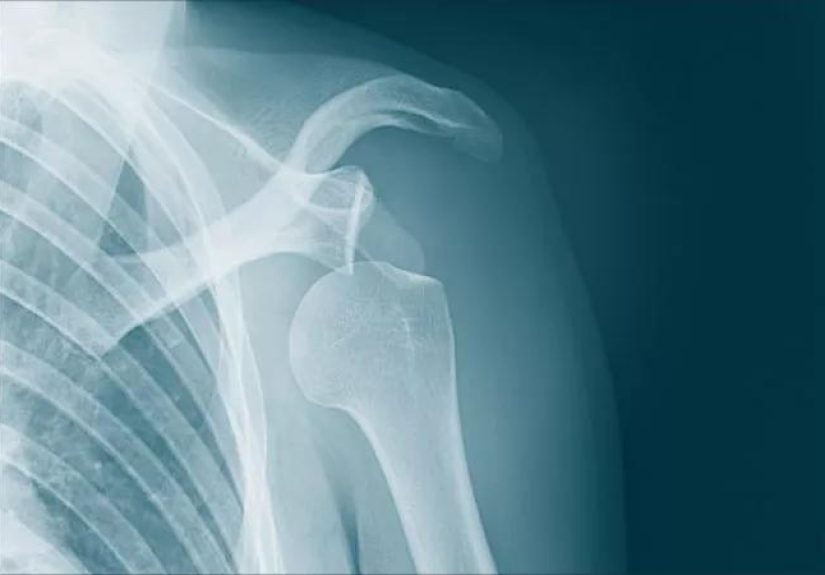
The shoulder is a classic ball-and-socket joint. The “ball” is the head of your upper arm bone (the humerus), and the “socket” is the shallow cup on your shoulder blade (the glenoid). Because the socket is relatively shallow, the shoulder gets its stability from:
- Labrum: a rim of cartilage that deepens the socket.
- Ligaments and joint capsule: tough tissues that help keep the ball centered in the socket.
- Muscles and tendons: especially the rotator cuff and shoulder blade stabilizers that control movement and keep everything in place.
When these structures are stretched, torn, or just naturally loose, the shoulder can become unstable. That instability can show up as:
- A full dislocation – the ball completely comes out of the socket.
- A subluxation – the ball partially slips out but doesn’t fully leave the socket or pops back in quickly.
What Is a Shoulder Dislocation?
A shoulder dislocation happens when the humeral head (ball) comes completely out of the glenoid (socket). The shoulder is actually the most commonly dislocated major joint in the body, especially in younger, active people.
Common Causes of Shoulder Dislocation
Most dislocations are caused by a significant force or trauma, such as:
- Falling on an outstretched hand or directly on the shoulder.
- Sports injuries, especially in contact sports (football, rugby) or overhead sports (basketball, volleyball, swimming).
- Car or bike accidents.
- Seizures or strong muscle contractions in certain medical conditions.
The most common pattern is an anterior dislocation, where the ball moves forward and down out of the socketoften when the arm is forced into a position like “cocked back to throw.”
Symptoms of Shoulder Dislocation
A full dislocation tends to be dramatic and hard to ignore. People often describe:
- Severe, sudden pain in the shoulder.
- Visible deformity: the shoulder may look square, flattened, or out of place.
- Inability to move the arm normally.
- Swelling or bruising around the shoulder.
- Numbness, tingling, or weakness in the arm or hand if nerves are irritated or stretched.
- Muscle spasms around the joint that make it hurt even more.
This is not a “walk it off” injury. A dislocated shoulder usually needs prompt medical care so a trained professional can gently guide the ball back into the socket (a procedure called reduction), check for fractures or nerve problems, and get you into a sling.
Complications and Recurrence
Unfortunately, one dislocation often makes future dislocations more likely. That’s because:
- The labrum (especially the front part, known as a Bankart lesion) may be torn.
- Ligaments and capsule can become stretched and looser.
- There may be small fractures or dents in the bone from the impact.
Once that stabilizing tissue is damaged, the shoulder can become chronically unstable, especially in younger, athletic people. Some will go on to have repeated dislocations or frequent subluxations.
What Is a Shoulder Subluxation?
A shoulder subluxation is like a “mini dislocation.” Instead of the ball completely leaving the socket, it partially slides out and then returns, or sits near the edge instead of nicely centered. It’s sometimes described as a partial or incomplete dislocation.
Subluxations are part of the broader category of shoulder instability. They can occur after a traumatic dislocation, with looser connective tissue, or in people who naturally have more flexible joints.
What a Shoulder Subluxation Feels Like
Unlike a big, dramatic dislocation, a subluxation can be more subtle. People often report:
- A sensation that the shoulder is slipping, sliding, or “coming out of place”.
- Brief, sharp pain when the shoulder moves into certain positions.
- A feeling that the shoulder is loose, wobbly, or not trustworthy, especially during overhead or throwing movements.
- Episodes where the shoulder momentarily “gives out” then quickly feels more normal again.
Sometimes, the shoulder visibly shifts or drops slightly, then pops back. Other times, the symptoms are more about the feeling of looseness and instability rather than a clear, visible dislocation.
Common Causes of Subluxation
Shoulder subluxations can happen due to:
- Previous dislocation: after one major dislocation, the shoulder may have episodes of partial slipping rather than full dislocations.
- Repetitive overhead sports: swimmers, pitchers, tennis and volleyball players may gradually stretch the stabilizing tissues.
- Generalized joint laxity: some people are naturally more flexible or “double-jointed,” making the shoulder easier to sublux.
- Neurological conditions or stroke: in some cases, muscle weakness can allow the shoulder to sag or sublux downward.
Shoulder Dislocation vs. Subluxation: Key Differences
Here’s a simple way to think of it:
- Dislocation: the “ball” completely comes out of the socket.
- Subluxation: the “ball” partially comes out or briefly slips out and then back in.
Comparison at a Glance
- Severity of displacement
– Dislocation: Full separation of ball and socket.
– Subluxation: Partial separation; contact is still maintained or quickly restored. - Onset and pain
– Dislocation: Typically sudden, severe pain, often following a major injury.
– Subluxation: May be sharp but shorter-lived; sometimes more of a slipping or stretching pain. - Appearance
– Dislocation: Shoulder often looks visibly deformed or flattened.
– Subluxation: May or may not look abnormal; sometimes only feels “off.” - Function
– Dislocation: Moving the arm is usually very difficult or impossible at first.
– Subluxation: Movement may still be possible, but with fear, pain, or a tendency for the joint to “give out.” - Urgency
– Dislocation: Medical emergency. Needs prompt reduction and evaluation.
– Subluxation: Still important to get evaluated, but not usually an ER-level crisis unless symptoms are severe. - Long-term risk
– Both can lead to chronic shoulder instability if not properly treated and rehabilitated.
In everyday language, you might hear people use “dislocate” for everything, but medically, the difference between a full dislocation and a partial subluxation really matters when planning treatment and recovery.
How Doctors Diagnose Shoulder Dislocation and Subluxation
If you show up with a very painful, deformed shoulder after a fall or hit, your provider will suspect a dislocation. The first steps usually include:
- History: What happened? Did you hear a pop? Has this happened before?
- Physical exam: Checking shoulder shape, range of motion, and areas of tenderness.
- Neurovascular check: Making sure blood flow and nerve function in your arm and hand are okay.
- X-rays: To confirm dislocation, see the direction (anterior, posterior, etc.), and rule out fractures.
For subluxations and chronic instability, doctors may:
- Ask about repeated episodes of slipping, giving way, or feeling loose.
- Perform specific tests that put the shoulder in “at risk” positions to see if it tends to sublux.
- Order MRI or MR arthrogram to look for labral tears, ligament injury, or other soft tissue damage.
The goal is to understand not just what is happening (dislocation vs. subluxation) but also why it’s happening (trauma, loose ligaments, labral tear, weakness, etc.).
Treatment for Shoulder Dislocation
Acute Care: Getting the Shoulder Back in Place
With a full dislocation, step one is to reduce the shoulderthat is, gently guide the ball back into the socket. This is typically done:
- In an emergency department, urgent care, or hospital.
- By trained medical professionals using specific techniques.
- Often with pain medication and sometimes sedation to relax the muscles.
Do not try to “yank it back in” yourself or let a friend attempt a homemade maneuver. That might cause nerve damage, fractures, or further tearing of soft tissues.
Immobilization and Early Recovery
After reduction, the shoulder is usually placed in a sling for a short period to allow healing and to protect the tissues. The exact timing depends on age, severity, and provider preference, but may range from about 1–3 weeks, sometimes longer in younger patients.
During this phase, doctors often recommend:
- Ice and rest for pain and swelling.
- Pain medications as needed.
- Gentle range-of-motion exercises under guidance to avoid stiffness.
Physical Therapy and Strengthening
Once pain improves, physical therapy focuses on restoring motion, strength, and stability. Key targets include:
- Rotator cuff muscles to help center the ball in the socket.
- Scapular stabilizers (like the trapezius and serratus anterior) to keep the shoulder blade steady.
- Gradual return to functional and sport-specific movements.
This rehab phase is not just “extra credit”it’s central to reducing the risk of another dislocation or ongoing subluxations.
When Surgery Is Considered
Surgery may be recommended if you have:
- Repeated dislocations or subluxations despite rehab.
- Significant labral tears or bony damage on imaging.
- A very high-demand lifestyle or sport where stability is crucial.
- Young age with high risk of recurrence.
Common surgical procedures involve tightening the capsule and ligaments, repairing the labrum (for example, a Bankart repair), and sometimes addressing bone loss. Many procedures can be done arthroscopically through small incisions.
Treatment for Shoulder Subluxation
Shoulder subluxation treatment often mirrors the principles of dislocation care, but with a stronger emphasis on rehab and stability training.
Conservative (Non-Surgical) Management
For many people with subluxation or mild instability, the mainstay of treatment includes:
- Activity modification: avoiding or carefully managing the positions that trigger slipping or pain, especially early on.
- Posture and mechanics training: improving shoulder-blade positioning and movement patterns.
- Strengthening exercises: focused on rotator cuff and scapular stabilizers to “teach” the joint to stay centered during movement.
- Stretching tight muscles (like the chest) that might pull the shoulder forward.
In cases of neurological or post-stroke subluxation, special slings, taping techniques, or positioning strategies may also be used to help support the joint.
When Subluxations Lead to Surgery
If episodes are frequent, painful, or limiting your ability to work, sleep, or do sports, and if imaging shows structural damage, surgery may again be an option. The procedures are similar to those for recurrent dislocations: stabilizing the joint by repairing or tightening soft tissues and addressing any bony defects.
Living With Shoulder Instability: Prevention and Everyday Tips
Whether you’ve had a full dislocation, repeated subluxations, or a combination of both, there are practical steps to protect your shoulder and reduce the risk of future episodes.
Strengthen the Right Muscles
Your shoulder isn’t just about big “mirror muscles” like the deltoids and chest. The quieter stabilizers matter a lot:
- Rotator cuff: supraspinatus, infraspinatus, teres minor, and subscapularis.
- Scapular stabilizers: trapezius, serratus anterior, rhomboids, and levator scapulae.
Focused, progressive exercises recommended by a physical therapist can help keep the ball in the socket even when you reach overhead, lift weights, or serve a tennis ball.
Respect Your “At-Risk” Positions
Many people with anterior instability have trouble in positions like:
- Arm out to the side and rotated back (the classic throwing or serving position).
- Deep push-ups or dips on unstable surfaces.
- Heavy overhead pressing with poor form.
You don’t necessarily have to avoid these forever, but you may need to ease into them gradually, under guidance, and with good technique.
Return to Sport the Smart Way
Trying to jump straight back into full-speed sports after a dislocation or repeated subluxations is like sprinting on a freshly sprained anklenot ideal. A safer approach includes:
- Meeting strength and range-of-motion goals set by your doctor or therapist.
- Progressing through sport-specific drills before full contact or maximum intensity.
- Listening to your shoulder: persistent slipping, sharp pain, or fear of movement are red flags to slow down and reassess.
Many people do get back to high-level sports after proper care. It just takes time, patience, and consistency with rehab.
Real-Life Style Experiences With Shoulder Dislocation vs. Subluxation
While every shoulder and every person is different, it can help to imagine how these conditions show up in real life. The examples below are fictional composites, but they reflect common patterns people describe.
1. The First-Time Dislocator: “I Knew Immediately Something Was Wrong”
Alex is 22, plays recreational basketball, and generally feels invincible. During a game, he jumps to block a shot, lands awkwardly, and his arm is forced backward. He hears a pop and feels instant, intense pain. His shoulder looks strangemore square and sunken on one sideand he can’t move his arm without shouting.
At the emergency department, X-rays confirm an anterior shoulder dislocation. After medication to help him relax, the doctor gently performs a reduction maneuver. There’s another popthis time a good oneas the ball slides back into the socket. The pain eases almost immediately, but soreness lingers.
Over the next several weeks, Alex wears a sling at first, then gradually starts physical therapy. Early on, he’s surprised at how weak and guarded his shoulder feels. With consistent rehab focused on rotator cuff and scapular strength, he slowly rebuilds stability. His therapist talks honestly about the risk of future dislocations and the importance of keeping up with exercises even after he feels “normal.”
2. The Subluxation Veteran: “It Just Keeps Slipping”
Maya is a competitive swimmer in her early 30s. She’s never had a full dislocation, but over the past year she’s noticed a weird sensation during certain strokes. Every so often, mid-reach, her shoulder feels like it slides out and back in. It’s not excruciating, but it’s unnervingand afterward the joint feels sore and unstable.
A sports medicine specialist listens to her story, performs stability tests, and orders an MRI. The imaging shows some looseness in the capsule and a small labral tear, likely from years of high-volume overhead training. The diagnosis: recurrent shoulder subluxation.
Instead of jumping straight to surgery, her doctor recommends a structured rehab program. Maya learns that her shoulder blade control and lower trapezius strength aren’t as solid as she thought. She spends months working on precise control of her shoulder motion, building strength in neglected stabilizers, and modifying her training volume.
Over time, the slipping episodes become rare. She develops better awareness of when she’s pushing the joint too far and adjusts her technique. She returns to swimming at a competitive level, but with a new respect for prehab and warm-ups.
3. The “It Happened Again” Story: Chronic Instability
Jason dislocated his shoulder playing football at 19, then again snowboarding at 21, and then a third time doing a layup at 24. Each time, the dislocation seemed easier to trigger and happened with less force. Eventually, he also started experiencing partial slips and subluxations just reaching behind his head.
His orthopedic surgeon explains that repeated dislocations can progressively damage the labrum and bone, making the joint more unstable. After a detailed discussion of the options, Jason chooses to have arthroscopic stabilization surgery. His goal? To break the cycle before it limits him even more.
Post-surgery, he spends months in rehabfirst regaining range of motion, then strength, then sport-specific function. It’s a long process, but by the following year he’s playing non-contact pickup games again, with far less fear of his shoulder suddenly giving out.
4. The Everyday Instability: Simple Tasks, Big Anxiety
Not everyone with instability is an athlete. Linda is 55 and slipped on the stairs, dislocating her shoulder when she tried to catch herself on the railing. After the initial injury, she finds herself nervous about everyday movementsreaching into high cupboards, putting on a coat, even sleeping on that side.
Her physical therapist helps her understand what happened structurally and reassures her that with proper strengthening and graded exposure to movement, her shoulder can become more reliable again. As Linda gradually rebuilds strength and confidence, the fear decreases. She might never love overhead yoga poses, but she can comfortably wash her hair, reach into cabinets, and carry groceries without feeling like her arm will fall off.
When to Seek Medical Help
Call your doctor or seek urgent care if you experience:
- Sudden, severe shoulder pain after an injury.
- A visible deformity or “out of place” look in your shoulder.
- Inability to move the arm normally.
- Numbness, tingling, or weakness in the arm or hand.
- Recurrent episodes of slipping, giving way, or a sense that the shoulder is about to dislocate.
The earlier shoulder instability is properly evaluated and treated, the better your chances of avoiding chronic issues and getting back to the activities you love.
Bottom Line: Shoulder Dislocation vs. Subluxation
A shoulder dislocation is a complete, often dramatic separation of the ball from the socket that usually requires emergency care. A shoulder subluxation is a partial or brief slipping of the joint that can still be painful and unsettling, and may signal ongoing instability.
Both conditions are serious in their own ways. Both deserve proper diagnosis, an individualized treatment plan, and a well-designed rehab program. With the right care, many people return to sports, work, and daily life with strong, stable shouldersand maybe a deeper appreciation for what those joints do all day long.
SEO JSON