Table of Contents >> Show >> Hide
- What Yolo Colorhouse Semigloss Interior Paint Is (and Why People Seek It Out)
- Quick Specs People Care About (Coverage, Dry Time, Cleanability)
- Where Semi-Gloss Works Best (and Where It Can Be Too Much)
- Prep Work: The Difference Between “Gorgeous” and “Why Is It Like That?”
- Application Tips for a Smoother Semi-Gloss Finish
- Health and Indoor Air Quality: “Zero VOC” Isn’t the Same as “Zero Everything”
- Color and Design: Getting the “Colorhouse” Look Without Regret
- How Yolo Colorhouse Semi-Gloss Stacks Up Against Other Interior Semi-Gloss Paints
- FAQ: Yolo Colorhouse Semigloss Interior Paint
- Real-Life Experiences (Extra ): What It’s Like Living With Yolo Colorhouse Semi-Gloss
- Conclusion
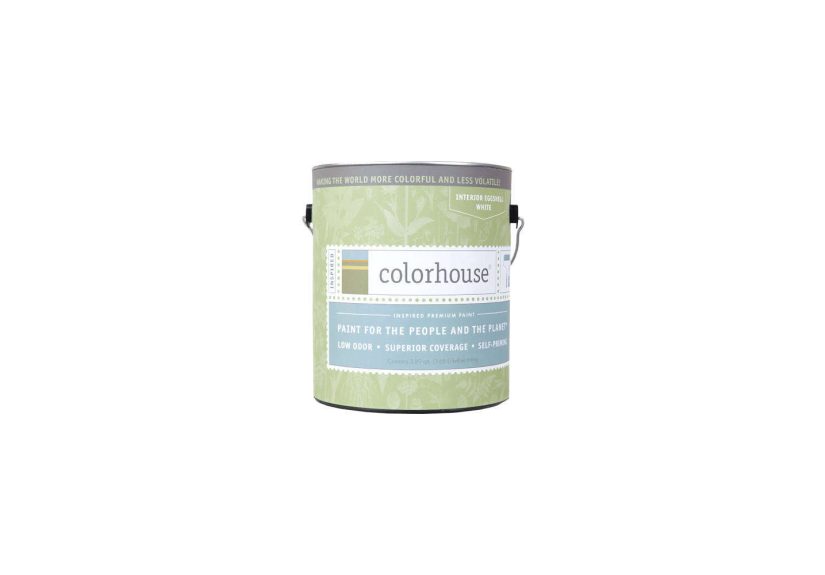
Semi-gloss paint is the overachiever of the finish family. It’s durable, wipeable, and has just enough shine to make trim look crispwithout turning your hallway into a funhouse mirror. And when that semi-gloss is Yolo Colorhouse Semigloss Interior Paint, you’re also shopping in a lane that prioritizes low odor and a more health-conscious chemistry profile.
In this guide, we’ll break down what Yolo Colorhouse semi-gloss is best at, where it can betray you (hello, wall dings), how to prep for a smoother finish, and how to get that “professional” look without accidentally painting your dog’s tail shut. (It happens. Not to you, of course. To… a friend.)
What Yolo Colorhouse Semigloss Interior Paint Is (and Why People Seek It Out)
A semi-gloss finish built for real life
Semi-gloss is designed for surfaces that get touched, bumped, and cleanedthink doors, baseboards, window trim, cabinets, and busy hallways. Its higher sheen makes it more resistant to scuffs and easier to wipe down than flatter finishes. The tradeoff? Shine reflects light, and reflected light loves to highlight surface flaws. So semi-gloss rewards prep work and punishes shortcuts. (Yes, it keeps receipts.)
Acrylic latex base + a “less volatile” approach
Yolo Colorhouse is widely associated with a focus on reducing traditional paint “nasties,” including emphasizing a zero-VOC base and low odor positioning for interior use. Product listings for the semi-gloss line describe a 100% acrylic latex base and emphasize a formula free of VOCs and certain hazardous ingredients. In plain English: it’s meant to be easier to live with during (and after) a paint projectespecially compared with older, higher-VOC paint eras.
Quick Specs People Care About (Coverage, Dry Time, Cleanability)
Coverage: plan your paint budget with math, not vibes
Semi-gloss interior paint from Yolo Colorhouse is commonly listed around 350–400 square feet per gallon, depending on surface porosity. That’s a normal, practical range for a premium interior coating. Rough or thirsty surfaces (raw wood, repaired drywall, heavy texture) drink paint; previously painted, smooth surfaces behave.
A simple planning example: If you’re painting baseboards and door casings in a medium-sized room, you may not need a full gallonunless you’re doing multiple rooms or switching colors. If you’re painting walls in semi-gloss (not always recommended, but sometimes desired), two coats is the expectation for uniform sheen and color depth.
Recoat time isn’t cure time
Many listings note a recoat window around a couple of hours, which is great for weekend warriors. But dry-to-touch is not “fully cured.” Semi-gloss surfaces often feel dry quickly, yet take longer to harden to full scrub resistance. Translation: you can paint today and recoat today, but try not to aggressively wash it tomorrow. Give it time to toughen upespecially in humid rooms.
Washability: the whole point of semi-gloss
Semi-gloss is typically chosen because it handles cleaning better than flat or matte finishes. Yolo Colorhouse semi-gloss descriptions commonly highlight that it can be washed with everyday household cleaners or simple soap and waterperfect for fingerprints, shoe scuffs, and that mysterious streak that appears on the stairwell wall every spring like clockwork.
Where Semi-Gloss Works Best (and Where It Can Be Too Much)
Best places to use Yolo Colorhouse semi-gloss
- Trim and molding: baseboards, crown molding, window/door casingssemi-gloss makes edges look sharp.
- Doors: especially high-touch areas (mudrooms, entries, kids’ rooms).
- Kitchens and bathrooms: semi-gloss cleans easily and tolerates moisture better than flatter finishes.
- Cabinets and built-ins: semi-gloss can deliver a smooth, wipeable surface if you prep correctly.
- Hallways and stair rails: the “high-traffic hallway marathon” is realsemi-gloss handles it.
Places to think twice
Semi-gloss on large wall expanses can look shiny under strong light and can exaggerate patches, dents, and roller texture. If your walls are less-than-perfect (most are), you may prefer eggshell or satin for walls and reserve semi-gloss for trim. That “mix the sheens” approach is popular for a reason: it looks intentional and hides the sins of real drywall.
Prep Work: The Difference Between “Gorgeous” and “Why Is It Like That?”
Step 1: Clean like you mean it
Semi-gloss doesn’t like grease, soap film, or dust. In kitchens, wipe down trim and cabinet faces with a degreasing cleaner and rinse. In bathrooms, remove residue from sprays and “mystery humidity dew.” Let surfaces dry fully before sanding or priming.
Step 2: Sand for adhesion (especially if the surface is shiny)
Painting over existing glossy trim without scuffing is like trying to tape a poster to a wet watermelon. A light sanding (often 180–220 grit) dulls the sheen and helps adhesion. You’re not removing layers like an archaeologistyou’re just giving the new coat something to grab.
Step 3: Patch, then feather, then patch again (okay, maybe once)
Fill nail holes and dents, let them dry, then sand smooth. Because semi-gloss reflects light, “good enough” patching on flat paint becomes “why is there a crater constellation?” on semi-gloss. Take the extra ten minutes nowfuture you will be smug and well-rested.
Step 4: Decide if you need primer
Even when paints are described as self-priming for previously painted surfaces, primer still matters in common scenarios:
- Raw wood: primer improves adhesion and blocks tannin bleed.
- Stains or water marks: use a stain-blocking primer so the “ghost stain” doesn’t return.
- Big color changes: a primer coat can make coverage faster and more even.
- Glossy or hard-to-stick surfaces: a bonding primer helps prevent peeling.
Application Tips for a Smoother Semi-Gloss Finish
Use the right tools (this is not the time for the $2 brush)
Semi-gloss shows brush marks more than flatter paints. For trim, use a quality angled sash brush designed for water-based paints. For broad surfaces (doors, cabinets, larger trim), a small microfiber or foam roller can reduce stipple and help level the finish.
Thin coats beat thick coats
Thick coats can sag, drag, and dry unevenlyespecially on doors and trim edges. Multiple thin coats are the secret handshake for semi-gloss. It’s also how you reduce lap marks and get a more uniform sheen.
Maintain a “wet edge” to avoid lap lines
Work in manageable sections and keep moving so the paint blends while still wet. If you stop and restart in the middle of a door panel, semi-gloss will proudly highlight that pause like a neon sign. Paint top-to-bottom on doors, and follow the grain on trim.
Let it breathe: ventilation is still smart
Even with low-odor or zero-VOC positioning, good airflow helps paint dry properly and reduces lingering smells. Open windows, use fans, and avoid painting in high humidity when possible. Bathrooms deserve special respect: run the exhaust fan and keep the room warm enough for normal drying.
Health and Indoor Air Quality: “Zero VOC” Isn’t the Same as “Zero Everything”
VOCs are a big reason paint has historically been an indoor air headache. Modern “low-VOC” and “zero-VOC” options are a huge improvement, but it’s still wise to ventilate well during application and while paint dries. Indoor VOC levels can rise during painting and similar activities, and some products labeled low/zero VOC can still emit other compounds as they cure. The practical takeaway is simple: choose lower-emitting paints when you can, and give your space fresh air during and after the project.
Color and Design: Getting the “Colorhouse” Look Without Regret
Test your color in your actual lighting
Semi-gloss reflects more light than eggshell, so colors can appear brighter and more intenseespecially near windows or under cool LED bulbs. Test swatches on the actual surface (or a movable board) and check morning, afternoon, and nighttime lighting before committing.
Pairing sheens: the classic winning combo
A popular, reliable formula is eggshell (or satin) on walls + semi-gloss on trim. It creates contrast, looks intentional, and keeps the higher sheen where you want durability. If you love a more modern look, consider a slightly lower sheen on trim (like satin), but if you want crisp, clean edges that wipe easily, semi-gloss is still the MVP.
How Yolo Colorhouse Semi-Gloss Stacks Up Against Other Interior Semi-Gloss Paints
In the broader U.S. paint market, many major brands offer semi-gloss interior products designed for durability and cleanability. Where Yolo Colorhouse tends to stand out in brand positioning is the emphasis on a less-volatile, eco-focused formula paired with curated, artist-forward color palettes. If your top priorities are scrub resistance and wide retailer availability, big legacy brands may be easier to find same-day. If your priorities include low odor, a more health-conscious ingredient profile, and a boutique palette vibe, Yolo Colorhouse is the kind of product line people often seek out.
One practical note: availability can vary by region and retailer over time. If you’re planning a whole-house project, make sure you can source enough paint from the same line (and ideally the same batch window) before you start painting every single door like you’re starring in your own home makeover show.
FAQ: Yolo Colorhouse Semigloss Interior Paint
Can I use semi-gloss on interior walls?
Yes, but it’s not always the most forgiving choice. Semi-gloss will highlight wall imperfections and roller texture. It’s often best on trim, doors, and moisture-prone areas. If you want wall durability without as much shine, consider satin or eggshell for walls and keep semi-gloss for the details.
Is it good for bathrooms?
Semi-gloss is commonly recommended for bathrooms because it cleans well and handles moisture better than flat finishes. Good ventilation and proper drying conditions matter just as much as the paint choice.
How do I avoid brush marks on trim?
Use a high-quality brush, don’t overload it, apply thin coats, and keep a wet edge. Lightly sanding between coats (once fully dry) can also improve smoothness.
How long before I can scrub it?
Paint often feels dry quickly, but full cure takes longer. Treat it gently for the first several days, and avoid aggressive scrubbing until it has had time to harden fully. When in doubt, wipe softly and wait a little longer before deep cleaning.
Real-Life Experiences (Extra ): What It’s Like Living With Yolo Colorhouse Semi-Gloss
The first thing you notice with Yolo Colorhouse semigloss interior paintassuming you’ve spent any time around “traditional” paintis that the experience feels a little less dramatic. You know that moment when you crack a can and your house immediately smells like a hardware store married a chemistry set? With a low-odor, zero-VOC-positioned paint line, that moment is toned down. Not eliminated (painting is still painting), but softened enough that the project feels more like “home improvement” and less like “temporary evacuation plan.”
On trim, the semi-gloss sheen does exactly what you want it to do: it sharpens edges and makes architectural details look intentionallike you meant to have baseboards all along. In one hallway refresh, the walls stayed in a calmer eggshell, while the baseboards and door casings got semi-gloss. The contrast made the whole space look cleaner, brighter, and oddly more expensive. It’s the visual equivalent of ironing a shirt: same shirt, different energy.
But semi-gloss is also brutally honest. If your trim has 15 years of dings, old caulk blobs, and that one mystery gouge from moving a couch in 2018, the shine will highlight it like a spotlight. The best “lesson learned” is to treat prep like part of the painting, not a chore you do “if there’s time.” Fill holes, sand, re-caulk where needed, and wipe the dust off. When you do, the semi-gloss levels out into a finish that looks smooth and intentional. When you don’t, it looks like you tried to speed-run a renovation with your eyes closed.
Doors are where the semi-gloss payoff really shows up. Interior doors take constant abusehands, elbows, backpacks, pets doing parkourand semi-gloss is simply easier to wipe clean. A painted door in semi-gloss can handle the “kid fingerprints at handle height” problem better than flatter finishes. The move is to paint in thin coats and avoid overworking the surface. If you keep brushing back over paint that’s starting to set, you get drag marks. Semi-gloss dries with confidence, and it wants you to be decisive: lay it off and leave it alone.
In a bathroom touch-up, the biggest win was mildew resistance and washabilitypaired with the boring-but-essential habit of using the exhaust fan. Even the best paint can’t outfight daily steam if the room never dries out. With better airflow, the finish stayed looking fresh, and routine wipe-downs didn’t dull the sheen. The only “gotcha” was timing: painting on a rainy day slowed dry time. Waiting for a drier window (or running ventilation and keeping the room warm) made everything smoother.
If you’re choosing Yolo Colorhouse semi-gloss for a DIY project, the lived experience is this: it’s a friendly paint for a semi-glossdurable, cleanable, and designed to be easier on indoor air but it still rewards patience. Do the prep. Use decent tools. Apply thin coats. Ventilate. Then step back and enjoy the small miracle of trim that looks crisp enough to make the rest of the room behave better. (It won’t, but you’ll feel like it will.)
Conclusion
Yolo Colorhouse Semigloss Interior Paint fits a very specific sweet spot: the durability and wipeability people want from semi-gloss, paired with a brand identity that prioritizes lower odor and a more eco-conscious chemistry story. Use it where semi-gloss shinestrim, doors, cabinets, kitchens, bathsand you’ll get the best of what the finish can do. Just remember: semi-gloss is a truth-teller. Prep well, apply thin coats, and give it time to cure, and it will reward you with a finish that looks clean, bright, and built for real life.