Table of Contents >> Show >> Hide
- What You’ll Read
- What “Before-Photo Nose” Actually Means
- Why This Trend Hit a Nerve
- The “Before & After” Economy (and Why It’s So Loud)
- The Countertrend: Nose Positivity in 3D
- Not Anti-SurgeryAnti-Pressure
- How to Join the Trend Without Losing Your Mind
- What Beauty Culture Should Learn
- A Neat Little Conclusion (With a Big Message)
- of Nose-Positive Experiences (Because the Comment Section Deserves Some Credit)
Somewhere on the internet, a “before” photo is missing its “after.” And women are saying: cool, I’ll be the “before,” proudly, on purpose, and with
better lighting than the beauty industry deserves.
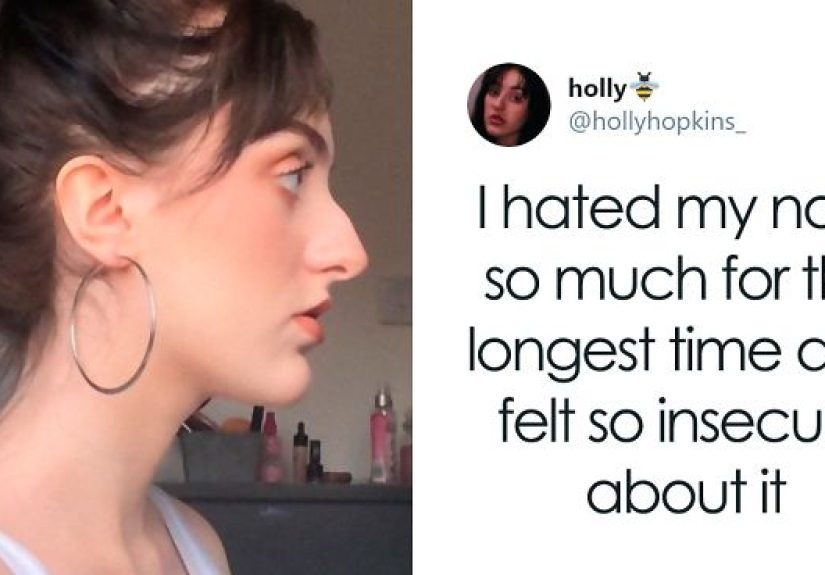
If you’ve scrolled past side-profile selfies captioned like “my nose looks like a before picture”, you’ve seen the vibe: playful, a little
rebellious, and surprisingly meaningful. It’s part meme, part mini protestagainst filtered perfection, one-size-fits-all rhinoplasty trends, and the
idea that a face is only “complete” when it’s been “fixed.”
What “Before-Photo Nose” Actually Means
“Before-photo nose” is internet shorthand for a nose that doesn’t match the hyper-specific, algorithm-approved profile you’ve seen in cosmetic
marketing: the tiny, upturned “ski slope,” the smoothed bump, the narrowed bridge, the tip that points to the future like it’s late for Pilates.
The joke lands because we all recognize the visual language. We’ve been trained to read certain noses as “unfinished,” as if they’re waiting in line
for an edit. The trend flips that script: women post the nose they havebump, curve, width, strong bridge, round tipand basically say,
this is not a rough draft; this is the published version.
Why the phrase is so sticky
It’s funny, sure. But it also names a weird cultural phenomenon: we’ve gotten used to seeing faces as projects. When you call your nose a
“before,” you’re pointing at the pressure without giving it power. You’re making the expectation look a little sillywhich, honestly, it is.
And because it’s a selfie (usually a side profile, often a first time for some people), it becomes a tiny act of confidence. Not the loud kind. The
kind that says, “I’m not hiding this angle anymore.”
Why This Trend Hit a Nerve
The nose is basically the face’s spokesperson. It’s central, it’s hard to “pose away,” and it’s the first thing your front-facing camera decides to
remix. So when women start posting “before-photo noses,” they’re not just celebrating a featurethey’re pushing back on a whole system that profits
from insecurity.
1) Selfie culture changed how we judge faces
In real life, people see you in motion. In selfies, you’re a still image taken from a foot away, with a lens that can exaggerate central features.
Translation: your phone may be gaslighting you, politely, in 4K.
When close-up photos distort proportions, the nose often takes the blamebecause it’s closest to the lens. That’s part of why “my nose looks like a
before photo” resonates: many people have experienced that sinking feeling of seeing a profile shot and thinking, “Wait, is that what I look like?”
2) Filters trained us to expect “edited reality”
Filters don’t just smooth skin. Many reshape the entire facesubtly narrowing, lifting, shrinking. You can go from “human being with bone structure”
to “emoji with a mortgage” in one tap.
Over time, it’s easy to start treating the filtered version as the “goal” and the real face as the “before.” That’s the psychological trick the trend
is calling out. By posting the “before” as the main event, women reclaim the baseline.
3) Beauty standards got more specificand more global
Social media doesn’t just spread trends; it standardizes them. A single “ideal nose” can become a worldwide template, even though noses naturally vary
across families, regions, and ethnic backgrounds. When women post their natural profiles, they’re widening the definition of beautyliterally and
figuratively.
The best part? Many of these photos aren’t styled like “fix-me” content. They’re styled like “meet me as I am” content: casual, confident,
and sometimes captioned with humor sharp enough to cut through the algorithm.
The “Before & After” Economy (and Why It’s So Loud)
“Before and after” images are powerful. They’re simple, visual, and persuasiveone of the most effective formats in marketing, including cosmetic
surgery marketing. They teach your brain to crave a transformation arc: problem → solution → applause.
That format isn’t inherently evil. People research procedures, share experiences, and look for realistic outcomes. But the economy around
before-and-after images can get loudand sometimes misleadingbecause transformation sells.
How the format shapes expectations
- It frames features as “problems.” A bump becomes a “fix.” A wider bridge becomes a “correction.”
- It implies one direction of improvement. Smaller, narrower, smoother, more “snatched.” Always the same storyline.
- It hides the messy middle. Swelling, healing, revision risks, and the emotional rollercoaster don’t fit neatly into two photos.
Platforms are (awkwardly) trying to manage it
Social platforms have tightened rules around cosmetic surgery content in recent yearsespecially anything that looks like it’s targeting younger users
or glamorizing risk-free transformations. That creates a weird side effect: educational posts can get limited while sensational content keeps slipping
through because it’s packaged as “entertainment.”
Meanwhile, the “before-photo nose” trend works partly because it’s not selling anything. It’s not a funnel. It’s a friend grabbing the mic
and saying, “Can we all relax?”
The Countertrend: Nose Positivity in 3D
Nose positivity isn’t brand new. There have been waves of “side profile selfie” movements encouraging people to post the angles they used to avoid.
What feels fresh now is the tone: less solemn, more playful, and way more meme-literate.
Why side profiles matter
People tend to police their side profiles harder than their front-facing selfies. The profile feels “objective,” like it’s what other people see when
you’re not controlling the camera. So posting it becomes a small exposure therapy momentexcept the comment section is cheering, not judging.
What women are actually celebrating
- Family resemblance: “This is my dad’s nose. This is my grandma’s nose. This is my history on my face.”
- Character: A bump or a curve that makes a face instantly recognizable in a sea of same-y filters.
- Authenticity: A look that reads as realespecially in an era of heavy editing and “AI-face” vibes.
And yes, sometimes it’s simply: “I like it now.” No thesis. No apology. Just a profile shot and a caption that says, essentially, “Plot twist: I’m
cute.”
Not Anti-SurgeryAnti-Pressure
Let’s be clear: celebrating natural noses isn’t the same as shaming rhinoplasty. Plenty of people choose cosmetic surgery thoughtfully, for deeply
personal reasons. Some share their journeys online to educate others, document healing, and demystify the process.
In fact, transparency has become a whole genre: “rhinoplasty diaries,” recovery timelines, swelling updates, and honest talk about emotional ups and
downs. There’s also been notable conversation about how motivations varysome people want a dramatic change; others want subtle refinement that still
looks like them.
Why the decision is more complicated than “love yourself”
The internet loves a simple moral story. Real life is messier. Someone can love their face and still want a change. Someone can want a change and
still hate the pressure that made the idea feel urgent.
What the “before-photo nose” trend pushes back on is the assumption that there’s only one “right” outcome. The goal isn’t to crown one choice as
morally superior; it’s to make room for people to exist without being treated like an unfinished renovation.
The surprising shift: it’s not just teens anymore
Rhinoplasty has long been stereotyped as a “young person procedure,” but recent reporting and statistics discussions suggest interest spans wider age
rangesoften tied to aging changes, finances, and the visibility of our faces on screens. In other words: the camera didn’t just change how teens see
themselves; it changed how everyone sees themselves.
How to Join the Trend Without Losing Your Mind
If this trend makes you laugh and you want to join in, you can. If it makes you feel tender, you can still join ingently. Here are ways to
participate that support confidence instead of feeding obsession.
1) Reframe the word “before”
Try this: treat “before” as a punchline, not a verdict. Your caption can be funny, but your inner narrative should be kind. The real flex is posting
without secretly asking strangers to “grade” your face.
2) Know the camera is not a mirror
If your profile looks “bigger” in a close selfie, it may be the lens, not your face. A few practical tweaks:
- Step back a little and zoom in slightly (instead of holding the phone inches from your nose).
- Use the back camera if you canit often has less distortion than the front camera.
- Try natural window light and a neutral angle. Harsh overhead lighting is basically a villain monologue in illumination form.
3) Curate your feed like it’s your living room
Your brain adapts to what it sees. If your feed is packed with the same “ideal nose” over and over, your face can start to feel “wrong” simply
because it’s different. Follow creators with diverse features, realistic skin, and honest beauty conversations.
4) Set comment boundaries (because the internet has… people)
The trend is positive, but the internet is still the internet. If posting makes you anxious, consider limiting comments, sharing with friends only, or
posting in spaces that have a supportive culture. Confidence should feel like relief, not like you’re waiting for a jury verdict.
5) Keep it playful
The secret sauce of this trend is humor. The moment it turns into self-surveillancecounting angles, comparing bridges, spiraling over symmetryit’s
time to step away. The point is freedom, not a new kind of perfectionism.
What Beauty Culture Should Learn
If a meme can dismantle a beauty standard in three captions, imagine what brands and media could do with actual intention. This trend highlights a few
overdue lessons:
1) Stop marketing “corrections” as “confidence”
Confidence isn’t a shape. It’s a relationship to yourself. Selling one type of nose as the universal “after” turns identity into a shopping cart.
2) Show more nosesreal ones
Not as “diversity casting” for one campaign and then back to business. Normalize variety the way it actually exists: in families, in communities, in
everyday beauty.
3) Respect the difference between choice and pressure
People can choose cosmetic procedures ethically and safely. But when the culture treats certain features as inherently “before,” the line between
choice and pressure gets blurry. The healthiest beauty messaging makes space for both: autonomy and acceptance.
A Neat Little Conclusion (With a Big Message)
“Women are posting their noses that look like ‘before’ photos” sounds like a jokebecause it is. But it’s also a clever cultural mirror. It reflects
how often we’re taught to treat natural features as temporary obstacles on the way to a more “acceptable” face.
The trend is powerful precisely because it’s low-stakes. No grand speeches required. Just a side profile and a subtle shrug that says: “This is my
nose. It’s been with me through allergies, awkward school photos, and at least one bad decision involving bangs. I’m keeping it.”
Whether you’re posting your profile for the first time, laughing at the caption, or quietly rethinking what you’ve been told is “ideal,” the message
is the same: the “before” photo was never the problem. The problem was the idea that you needed an “after” to be worthy of being
seen.
of Nose-Positive Experiences (Because the Comment Section Deserves Some Credit)
A funny thing happens when women post a side-profile selfie they used to avoid: the world doesn’t end. No thunder. No sirens. No villain appears to
announce, “Your bridge is two millimeters too honest.” Instead, the response is often… weirdly warm.
One common experience is realizing you’ve been carrying someone else’s opinion for years. A lot of women trace their “nose insecurity
origin story” to one offhand commentmiddle school teasing, a family joke that didn’t land, an ex who offered “helpful” feedback as if your face was
a group project. Posting a “before-photo nose” can feel like setting down a heavy bag you forgot you were holding.
Another experience: discovering your nose reads differently to other people than it does to you. When you live in your own face,
you learn its angles the way you learn your phone’s scratchesintimately, sometimes critically. But when others see your profile, they often describe
it with words like “striking,” “classic,” “regal,” or “artist’s muse.” Many women report a low-key shock: “Wait… you think this is beautiful?” It’s
not that strangers are always right. It’s that your inner narrator might be using a script you didn’t choose.
Then there’s the family-feature flip. The moment you post your profile and someone says, “You have your mom’s nose,” and suddenly it
stops being a flaw and starts being a connection. For some women, that’s emotional. For others, it’s hilarious“So you’re saying I inherited this
bump and my dad’s sense of direction? Incredible.” Either way, it reframes the feature as identity, not defect.
A surprisingly frequent experience is learning to take photos without negotiating with your face. Instead of turning your head to the
“approved side,” hiding behind hair, or avoiding profile shots entirely, women start experimenting: different distances, softer angles, natural light,
andhere’s the wild partsmiling without worrying what their nose is doing. Many say it’s freeing to be in pictures again, not as a carefully managed
version of themselves, but as themselves.
Finally, there’s the experience of humor as armor and as medicine. Captioning your photo “my nose looks like a before picture” can
feel like getting ahead of criticismbut it also flips the power dynamic. You’re not waiting for someone to point it out. You pointed it out, laughed,
and posted anyway. The “anyway” is the victory.
The most relatable part? Many women don’t go from insecure to unbothered overnight. It’s more like: insecure, then curious, then mildly brave, then
posting, then realizing the fear was louder than reality. The trend doesn’t promise instant self-love. It offers something better: a community-sized
reminder that there are a thousand ways to look like yourselfand that’s the point.