Table of Contents >> Show >> Hide
- What “Bloom All Summer” Really Means (No Horticulture Hype)
- 1) Zinnia (Zinnia elegans)
- 2) Marigold (Tagetes spp.)
- 3) Petunia (Petunia × atkinsiana)
- 4) Verbena (Verbena × hybrida / Verbena canadensis types)
- 5) Lantana (Lantana camara)
- 6) Annual Salvia (Scarlet Sage & friends)
- 7) Angelonia (Angelonia angustifolia), a.k.a. Summer Snapdragon
- 8) Annual Vinca (Catharanthus roseus)
- 9) Coreopsis (Tickseed)
- 10) Hardy Geranium ‘Rozanne’ (Cranesbill Geranium)
- How to Keep Flowers Blooming All Summer
- Conclusion
- Real-World Experiences: What Gardeners Learn the Hard Way (So You Don’t Have To)
If summer had a job description, it would read: “Be hot. Be bright. Refuse to leave politely.” Your flower beds deserve that same energyplants that don’t quit halfway through July like they just remembered they left the oven on.
This guide is for anyone who wants flowers that bloom all summer (and keep blooming when the heat tries to bully them). You’ll get 10 reliable picksmixing annuals and perennialsplus practical tips to keep color rolling from early summer right up to frost in much of the United States.
What “Bloom All Summer” Really Means (No Horticulture Hype)
Some flowers truly bloom nonstop. Others bloom in a big first wave, then keep producing if you deadhead, shear them back, and avoid starving them of water and nutrients. In this list, every plant can deliver summer-long color when grown in the right spot (usually full sun) with a little basic care.
1) Zinnia (Zinnia elegans)
Zinnias are the “set it and forget it” legends of the summer flower garden. They love heat, they laugh at humidity (with good airflow), and they keep throwing blooms like confetti.
Why it’s a summer MVP
- Blooms hard through summer and often keeps going until frost.
- Great for cut flowersyour kitchen counter will look like it hired a stylist.
- Pollinator-friendly (butterflies show up like it’s an open bar).
Keep it blooming
- Full sun (6+ hours).
- Water at the base to reduce leaf disease; give plants room for airflow.
- Deadhead oftenor cut for bouquets (same effect, more bragging rights).
2) Marigold (Tagetes spp.)
Marigolds are bright, tough, and not remotely shy. They’re also famously useful in mixed plantings where you want easy color and steady bloom.
Why it’s a summer MVP
- Long bloom season in summer; keeps producing with regular cleanup.
- Works in beds, borders, and containers.
- Handles sun like a champ (though extreme heat can slow things briefly).
Keep it blooming
- Full sun is best; don’t over-fertilize (too much = leaves, fewer flowers).
- Deadhead spent blooms so the plant focuses on new flowers, not seeds.
- If it gets leggy late summer, a light trim can refresh growth.
3) Petunia (Petunia × atkinsiana)
Petunias are the classic answer to “I want constant color.” From baskets to borders, they can bloom for monthsespecially modern spreading types.
Why it’s a summer MVP
- Strong, repeat blooming from spring through fall in many climates.
- Tons of colors; easy to match your house, your patio pillows, or your mood.
- Perfect for containers and hanging baskets.
Keep it blooming
- Full sun for best flowering.
- Deadhead larger-flowered types; many smaller/spreading varieties are more “self-cleaning.”
- Feed container petunias regularly (they’re hungry overachievers).
- If they get stringy, trim back and fertilizeexpect a rebound.
4) Verbena (Verbena × hybrida / Verbena canadensis types)
Verbena is for gardeners who want lots of small flowers that add up to big impactespecially spilling over edges or weaving through mixed plantings.
Why it’s a summer MVP
- Bloom season can run spring through fall depending on variety and climate.
- Excellent for containers, window boxes, and sunny borders.
- Attracts pollinators and plays well with others.
Keep it blooming
- Give it sun (lots of it) and well-drained soil.
- Deadhead or lightly shear to encourage fresh buds and keep it tidy.
- Avoid soggy conditionsverbena likes moisture, not mud.
5) Lantana (Lantana camara)
Lantana is basically sunshine in plant form. It thrives in heat and keeps blooming when other flowers are dramatically fainting on the driveway.
Why it’s a summer MVP
- Heavy flowering through summer and often until frost (annual in many regions).
- Excellent heat tolerance once established.
- Pollinators love itbees and butterflies show up on schedule.
Keep it blooming
- Full sun is non-negotiable for peak flowers.
- Water weekly during bloom if rainfall is low; avoid overhead watering.
- In containers, let the top inch dry slightly between waterings.
6) Annual Salvia (Scarlet Sage & friends)
If you want upright color and hummingbirds that hover like tiny drones, annual salvias deliver. Many bloom most of summer, and some keep going until frost.
Why it’s a summer MVP
- Long bloom window in summer; great “vertical accent” in beds.
- Strong performers in heat with proper watering and drainage.
- Excellent in pollinator-friendly gardens (depending on cultivar).
Keep it blooming
- Deadhead faded spikes to push new bloom cycles.
- Plant in sun; don’t drown themgood drainage matters.
- Mix colors: red for drama, blues/purples for a cooler look.
7) Angelonia (Angelonia angustifolia), a.k.a. Summer Snapdragon
Angelonia is what you plant when you want a “polished garden” vibe without committing to constant fussing. It’s heat-loving, drought-tolerant once established, and can flower all season.
Why it’s a summer MVP
- Blooms all season in warm weather; great for beds and containers.
- Handles sun, heat, and humidity better than many delicate bloomers.
- Spiky flowers look crisp even in August.
Keep it blooming
- Full sun + well-drained soil.
- If it looks tired midseason, shear it backmany types re-flower fast.
- Mulch helps retain moisture and smooth out heat stress.
8) Annual Vinca (Catharanthus roseus)
When summer is at its hottest, annual vinca is the friend who shows up early, stays late, and still offers to help clean up.
Why it’s a summer MVP
- Blooms through intense heat; keeps flowering throughout summer.
- Great for sunny beds, borders, and containers.
- Low-maintenance once establishedperfect for “I travel in July” gardeners.
Keep it blooming
- Plant in well-drained soil (vinca hates “wet feet”).
- Full sun is ideal; water deeply but let soil dry a bit between waterings.
- Don’t overwater in humid climatesroot issues are the main enemy.
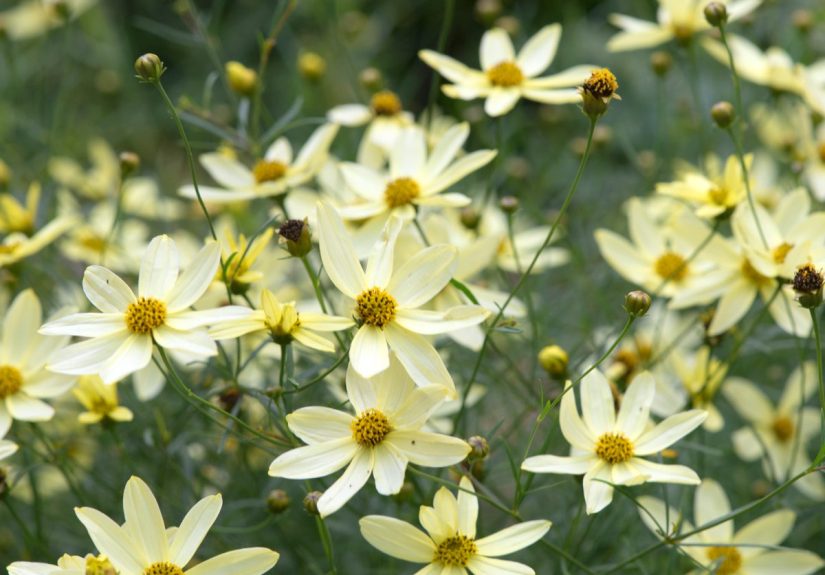
9) Coreopsis (Tickseed)
Coreopsis is bright, cheerful, and famously generous. Many varieties bloom from late spring through summer, and deadheading or shearing can extend the show.
Why it’s a summer MVP
- Long bloom season; excellent in sunny borders and pollinator gardens.
- Drought-tolerant once established (depending on species/cultivar).
- Looks great in “natural” planting styles and cottage gardens.
Keep it blooming
- Deadhead spent flowers to encourage more blooms.
- When seed heads outnumber buds, shear backmany types rebound with fresh bloom.
- Avoid heavy fertilizing; lean conditions can produce better flowering.
10) Hardy Geranium ‘Rozanne’ (Cranesbill Geranium)
If you want the “perennial that just keeps going,” ‘Rozanne’ is a superstar. It’s known for an exceptionally long flowering season and makes a lush, mounding companion in mixed beds.
Why it’s a summer MVP
- Blooms from late spring into fall in many regionsone of the longest bloomers you can plant.
- Works in borders, cottage gardens, and underplanting situations.
- Low maintenance: think “tidy it up,” not “babysit it.”
Keep it blooming
- Sun to partial shade; more sun usually means more flowers.
- Midseason shearing can freshen foliage and encourage new bloom.
- Well-drained soil helps it thrive year after year.
How to Keep Flowers Blooming All Summer
Even the best continuous bloom flowers need a little support. Here’s the not-so-secret recipe for a garden that doesn’t run out of steam by mid-July:
1) Deadhead (or shear) like you mean it
Removing spent blooms prevents seed formation and nudges many plants to keep producing flowers. For some plants, a light midseason haircut works better than picky deadheading.
2) Feed container plants more than in-ground plants
Containers wash nutrients out fast. Petunias, verbena, and lantana in pots usually bloom best with regular fertilizer (follow label ratesmore isn’t better).
3) Water smarter, not harder
Deep watering beats frequent sprinkling. Aim at the soil line to reduce leaf disease, especially for zinnias and petunias.
4) Pick the right plant for the right heat
If your summers are brutal, lean on heat-tolerant winners like lantana, annual vinca, and angelonia. Save thirstier divas for spots with easier access to water.
5) Mix “thrillers, fillers, spillers” for constant color
A simple combo: salvia (thriller), petunias (filler), verbena (spiller). Add lantana if you want a heatproof bonus level.
Conclusion
Want an easy, colorful yard without turning weekends into a full-time gardening internship? Build around these summer-blooming flowers and you’ll get steady color, fewer bare patches, and a garden that still looks alive in late August.
Start with 3–4 plants that match your sun and watering reality, then add more next season. Your future selfholding a cold drink, looking at actual flowers instead of crispy stemswill be thrilled.
Real-World Experiences: What Gardeners Learn the Hard Way (So You Don’t Have To)
There’s the advice that looks perfect on a plant tag, and then there’s what happens when summer actually shows uparmed with heat waves, surprise storms, and that one week when you forget to water anything except yourself.
In many U.S. gardens, the biggest “aha” moment is realizing that all-summer bloom is less about finding a mythical plant that never pauses, and more about building a lineup that covers for each other. Petunias can bloom for months, but in containers they’ll sulk if you treat them like a cactus. Meanwhile, annual vinca will happily flower through brutal heatuntil you put it in soggy soil and it decides to retire early. The lesson: pick plants that match your site, not just your favorite color.
Gardeners also discover that deadheading is basically customer service for plants. Zinnias, marigolds, and many salvias respond like you just gave them a motivational speech. Remove faded flowers, and they reward you with more buds. Skip it for too long, and some plants switch into “seed mode,” which is their polite way of saying, “I’ve completed my mission, goodbye.” If deadheading feels endless, shearing is the cheat code: angelonia and some verbenas can handle a quick trim and bounce back looking refreshed.
Another common experience: the midseason slump. Beds look amazing in June, then July arrives and everything gets a bit tired. That’s often not a “plant failure”it’s a timing and maintenance issue. A light haircut, a deep watering, and a modest feeding (especially in pots) can restart flowering. Petunias in hanging baskets are famous for this: cut them back, fertilize, and suddenly they’re blooming again like nothing happened. It feels dramatic the first time, but it’s normal plant behavior, not a gardening indictment.
Heat tolerance becomes very real when you compare neighbors. The sunny curbside strip that bakes all day? That’s where lantana and vinca shine. The patio pots that dry out quickly? Verbena and petunias can do it, but only if you’re consistentor you choose more forgiving heat performers. And gardeners often learn to embrace “watering zones”: grouping thirstier plants together and putting drought-tough plants elsewhere reduces stress (yours and theirs).
Finally, there’s the quiet joy of planning for what you want to see in late summer. A lot of gardens peak early and fade. But when you intentionally plant for Augustzinnias still pumping out blooms, ‘Rozanne’ filling gaps, salvias sending up fresh spikesyou get that satisfying feeling that your garden didn’t just survive summer… it owned it.