Table of Contents >> Show >> Hide
- The Housing Math That Makes People Reach for a Paint Roller
- What Sweat Equity Actually Means (And What It Doesn’t)
- The Three Places Sweat Equity Shows Up in Real Life
- Can Sweat Equity Count Toward a Down Payment?
- The Sweat Equity Playbook: Build Value Without Building Chaos
- Why Sweat Equity Is Trending Again
- Common Sweat Equity Mistakes (So You Don’t Become a Cautionary Tale)
- A Practical Example: Turning “Meh” Into Mortgage-Friendly
- Real-World Sweat Equity: Experiences, Stories, and Lessons (About )
- Conclusion: Sweat Equity Isn’t Romantic, But It’s Real
If you’ve stared at a home listing and thought, “Cute… but I would need a second job, a third kidney, and a small miracle,” you’re not alone. In a world where affordability feels like a limited-edition sneaker drop, sweat equity is the not-so-glamorous, very-real strategy that still gets people to the finish line: homeownership.
This isn’t a motivational poster that says “Hustle” in cursive over a sunset. This is the practical, slightly dusty, occasionally hilarious reality of trading time, skill, and elbow grease for something banks and sellers respect: equity.
The Housing Math That Makes People Reach for a Paint Roller
The dream hasn’t changed: a place that’s yours, a door you can slam dramatically, and a wall you can paint without asking permission from a landlord named “Management.” What has changed is the math. When home prices, interest rates, and everyday costs team up like a superhero trio you didn’t ask for, many buyers get pushed into a simple choice:
Pay more cash than you have… or pay with work you can actually do. That’s where sweat equity steps in: the “I can’t out-save the market, but I can out-sand these cabinets” plan.
Affordability isn’t a vibeit’s a calculation
The National Association of Realtors’ Housing Affordability Index is basically a monthly reality check: it measures whether a typical family earns enough income to qualify for a mortgage on a typical home. Translation: “Can you buy the house, or will you simply admire it from the internet?”
What Sweat Equity Actually Means (And What It Doesn’t)
In real estate, sweat equity is the value you create through your laborrepairs, improvements, and upgrades that increase a property’s worth or your ownership stake. It’s equity earned the old-fashioned way: by being tired.
Sweat equity is not…
- “Cleaning up.” Sorry. If it feels like something you could do while holding a coffee, lenders don’t count it.
- A substitute for planning. “We’ll figure it out” is not a budget.
- Free. Your time costs something, and materials definitely do.
Sweat equity is…
- A way to build equity faster by buying a home that needs work (a fixer-upper) and improving it strategically.
- A lever that can reduce reliance on cashsometimes even recognized by lenders in limited, documented scenarios.
- A skill-builder that makes you less helpless the next time your toilet decides it’s an indoor waterfall.
The Three Places Sweat Equity Shows Up in Real Life
1) The fixer-upper path: buy “ugly,” make it lovable
The classic move: purchase a home that’s structurally sound but cosmetically… adventurous. Then you turn weekends into a renovation mini-series. When done well, this can create a gap between your total investment (purchase price + materials + any hired help) and the home’s improved market value.
The key is choosing work that genuinely changes value, not just vibes. (A neon accent wall might be a vibe. It is not, however, universally valued.)
2) Nonprofit “sweat equity” programs: the partnership model
Some homeownership programs treat sweat equity as an actual requirementhours spent building homes, taking homeowner education classes, and volunteering. Habitat for Humanity is famous for this partnership approach: future homeowners invest labor and time as part of the process.
Important nuance: in many program models, sweat equity hours are about partnership and preparation, not a “cash down payment” substitute. You’re investing effort to qualify, learn, and participateoften alongside volunteersso you can own responsibly for the long haul.
3) Mutual self-help housing: neighbors building neighbors
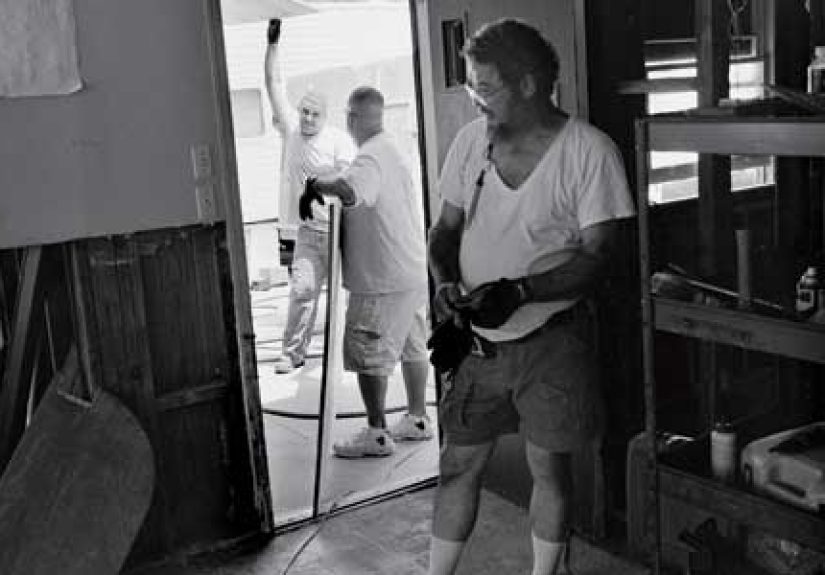
If sweat equity had a team sport, this would be it. In USDA Rural Development’s mutual self-help model, groups of families help build each other’s homes with supervision and technical assistance. Everyone contributes labor, everyone benefits, and nobody gets to pretend they’re “too busy” to hold a ladder.
Can Sweat Equity Count Toward a Down Payment?
This is where the internet gets loud and confusinglike a group chat arguing about the best pizza slice in New York. The honest answer is: sometimes, in specific situations, with documentation, and depending on the loan program.
How lenders tend to think about it
Many conventional loans are cautious because it’s hard to measure the true contributory value of DIY work. Some guidelines generally treat sweat equity as not an acceptable source of funds for down payment and closing costs, except under specific eligible transactions.
What “documented sweat equity” can look like
Certain underwriting guidance for FHA-style frameworks describes sweat equity as labor performed or materials furnished by the borrower before closing, potentially considered equivalent to cash investment up to the estimated cost of work or materials. But there are strings attached, including documentation, appraisal alignment, and exclusions (for example, cleanup and debris removal don’t qualify as sweat equity in that guidance).
Practical takeaway: if you’re hoping your DIY work helps with lender requirements, talk to your lender early, keep receipts, take before/after photos, track what was done, and expect inspections or appraisal-based confirmation. “Trust me, I’m handy” is not documentation.
The Sweat Equity Playbook: Build Value Without Building Chaos
Step 1: Start with safety, structure, and systems
Sweat equity works best when the house is fundamentally solid. If the foundation is unhappy, no amount of cute tile will save you. Prioritize systems that keep the home livable and insurable: roof, electrical, plumbing, HVAC, water intrusion, and anything that could turn into a future “why is the ceiling crying?” moment.
Step 2: Learn what actually pays off (not just what’s fun on social media)
The Cost vs. Value Report (national averages) has been shouting the same message with receipts: exterior replacement projects and visible curb appeal upgrades often deliver outsized returns compared to big, taste-heavy interior splurges.
For example, in the 2025 national averages, garage door replacement and steel entry door replacement lead the pack for cost recouped, along with manufactured stone veneer. A minor kitchen remodel is one of the few interior projects that consistently performs well. The pattern is simple: first impressions matter, and functional improvements beat “statement pieces.”
Step 3: Treat your time like a budget line item
Sweat equity has a hidden cost: hours. If a project takes you 40 hours because you’re learning, that’s not failureit’s reality. But it does change the economics. The goal isn’t to do everything yourself. It’s to do the right things yourself.
A solid rule: do DIY where mistakes are cheap (paint, hardware, basic landscaping), and hire pros where mistakes are expensive (structural work, major electrical, complex plumbing, roof replacements).
Step 4: Keep permits and code in your friend circle
Skipping permits can feel like saving timeuntil you try to sell, refinance, or insure the home and discover your “bonus room” is legally a “creative suggestion.” Check local requirements, pull permits when needed, and document work properly.
Why Sweat Equity Is Trending Again
Homeowners are remodeling and repairing at high levels even when the broader economy feels uncertain. Part of it is the “locked-in” effect: when people have a lower mortgage rate than current rates, moving becomes painfully expensive, so improving the current home feels smarter than starting over.
Labor costs have been a big driver of rising renovation costs, and analysts have pointed to ongoing demand tied to aging housing stock. Meanwhile, projections from housing researchers show remodeling spending staying historically elevated heading into 2026meaning the urge to “make this place work” is not going away.
Common Sweat Equity Mistakes (So You Don’t Become a Cautionary Tale)
Doing “Instagram renovations” instead of “value renovations”
The quickest way to waste sweat equity is to pour it into highly personal choices that future buyers might not value. Keep core decisions neutral, durable, and widely appealing. Save the funky stuff for throw pillows.
Underestimating the first 20%
The first 20% of a project is optimism and a trip to the hardware store. The last 20% is you negotiating with a cabinet hinge like it owes you money. Build buffer time and buffer cash into your plan.
Ignoring “scope creep”
You start by replacing a faucet. Then you notice the countertop. Then the backsplash “doesn’t feel right.” Then you’re learning to tile at midnight. Decide your finish line before you start running.
Forgetting the exit strategy
Are you renovating to live there for five years, or to sell in eighteen months? The best projects depend on your timeline. If you plan to stay, comfort and maintenance matter. If you plan to sell sooner, choose improvements with broad demand and high cost recovery.
A Practical Example: Turning “Meh” Into Mortgage-Friendly
Imagine a modest starter home with a dated exterior, tired doors, and a kitchen that screams “2006.” The structure is sound, but the visuals are holding it back.
A sweat equity strategy might look like this:
- Exterior facelift: repair siding where needed, pressure wash, paint, update house numbers and lighting.
- High-impact replacements: upgrade the entry door and garage door if they’re worn or outdated.
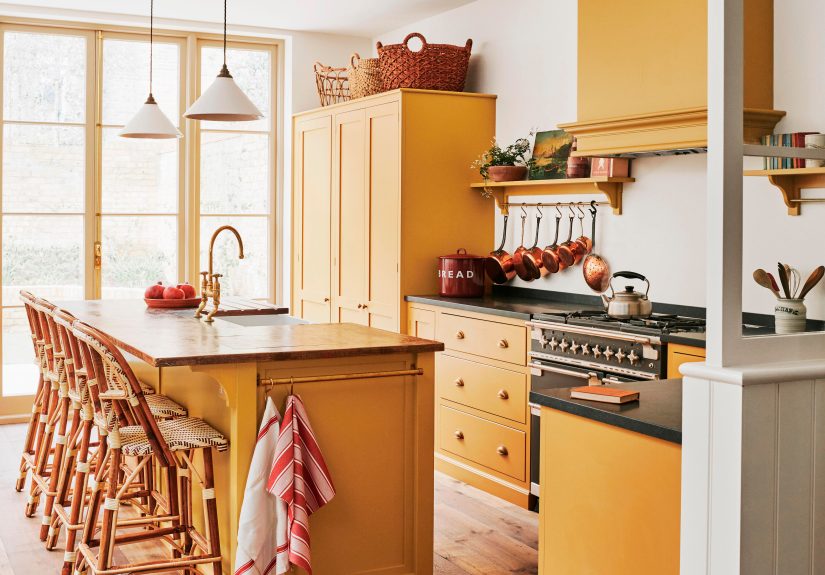
- Kitchen refresh: keep the layout, repaint cabinets, replace hardware, improve lighting, swap in a durable countertop if budget allows.
- Livability fixes: address any plumbing drips, safety issues, and insulation gaps.
The goal is not to build a luxury showcase. It’s to create a clean, functional, low-drama home that appraisers, buyers, and future-you can take seriously.
Real-World Sweat Equity: Experiences, Stories, and Lessons (About )
Because “sweat equity” can sound abstract, here are a few experience-based snapshotscomposite stories that reflect patterns commonly seen in homeowner journeys, nonprofit programs, and lender expectations. Names are fictional. The blisters are emotionally real.
The Weekend Warrior Who Learned to Respect the Calendar
“Chris” bought a fixer-upper because the numbers workedbarely. The plan was to repaint, refloor, and “lightly update” the kitchen in two months. On day three, Chris discovered the subfloor had the structural integrity of a graham cracker. Suddenly, the project wasn’t cosmetic; it was foundational.
The lesson: sweat equity rewards hustle, but it worships planning. Chris restarted with a realistic schedule, prioritized repairs that made the house safe and dry, and postponed non-essential upgrades. The house wasn’t magazine-ready in two months, but it became livableand that’s how equity gets the chance to grow.
The Habitat Partner Who Discovered Confidence Is Also an Asset
“Monica” joined a homeownership program where sweat equity meant showing up: build days, homeowner education, volunteering, and learning how a home actually functions. At first, it felt like homework with a hard hat. But the ripple effects were huge: Monica learned maintenance basics, understood budgeting for repairs, and built relationships with neighbors doing the same work.
The lesson: sweat equity isn’t only about value in dollars. It can also build the habits and knowledge that keep a homeowner stable after move-inespecially when a surprise repair shows up uninvited.
The DIY Enthusiast Who Nearly Learned “Permits” the Hard Way
“Devon” was handy and fearless. Devon upgraded a bathroom, moved some plumbing, and created a gorgeous space. Then came the refinance. The appraiser asked questions. The lender asked more questions. Devon learned that “beautiful” is not the same as “documented.”
The lesson: if the work touches electrical, plumbing, structure, or anything your city cares about, treat permits and inspections as part of the projectnot an optional side quest. Sweat equity works best when it’s recognized as legitimate improvement, not secret art.
The Rural Build Group That Turned Labor Into Community
“The Lopez family” joined a rural mutual self-help build group. The model was intense: families worked on each other’s homes, rotating labor like a well-organized potluckexcept instead of casseroles, it was framing and siding. Progress felt slow until it didn’t, and then entire homes seemed to appear through collective effort.
The lesson: sweat equity scales when it becomes shared. The labor is real, but so is the support systemrides to the site, tool sharing, childcare swaps, and neighbors who know exactly why you’re exhausted.
The Strategic Upgrader Who Focused on “Boring” and Won
“Aisha” didn’t chase the fanciest remodel. She chased the smartest one: sealing drafts, improving exterior presentation, replacing worn doors, and doing a minor kitchen update that improved function more than flash. When it came time to sell, the home showed well, felt well-maintained, and avoided the “what else is hiding?” vibe buyers fear.
The lesson: the best sweat equity often looks boring while you’re doing it. But “boring” improvementsdurability, curb appeal, and functionalityare exactly what tends to translate into real equity.
Conclusion: Sweat Equity Isn’t Romantic, But It’s Real
Sweat equity is the bridge between “I can’t afford perfection” and “I can afford potential.” It rewards the people who can plan, learn, document, and pace themselves. It also humbles everyone equallybecause no matter who you are, the first time you patch drywall, you will question every decision that brought you to that moment.
If you’re willing to trade comfort now for stability later, sweat equity can be the only way homeand, oddly enough, one of the most satisfying. Not because it’s easy, but because you earned every square foot.