Table of Contents >> Show >> Hide
- Keeping Room Definition: The Coziest Sidekick to Your Kitchen
- A Quick Trip Back in Time: The History of the Keeping Room
- Keeping Room vs. Family Room vs. Breakfast Nook
- Why Keeping Rooms Are Trending Again
- Designing a Keeping Room: Key Elements
- Can You Create a Keeping Room in a Smaller Home?
- Common Mistakes to Avoid with a Keeping Room
- Is a Keeping Room Right for Your Home?
- Real-Life Experiences: How a Keeping Room Changes Everyday Living
- Final Thoughts: The Little Room with a Big Impact
If you’ve ever hosted a party and watched everyone mysteriously migrate to the kitchen,
you already understand why the “keeping room” is having a major comeback. This old-school
room with a slightly mysterious name is suddenly showing up in new builds, remodels, and
Pinterest boards everywhere. But what exactly is a keeping roomand do you need
one in your home?
Short answer: a keeping room is a cozy sitting area directly off the kitchen, designed so
people can hang out, relax, and “keep” the cook company without getting in the way of the
action at the stove. Long answer: keep reading, because this space has serious history,
modern design potential, and might just become the most loved room in your house.
Keeping Room Definition: The Coziest Sidekick to Your Kitchen
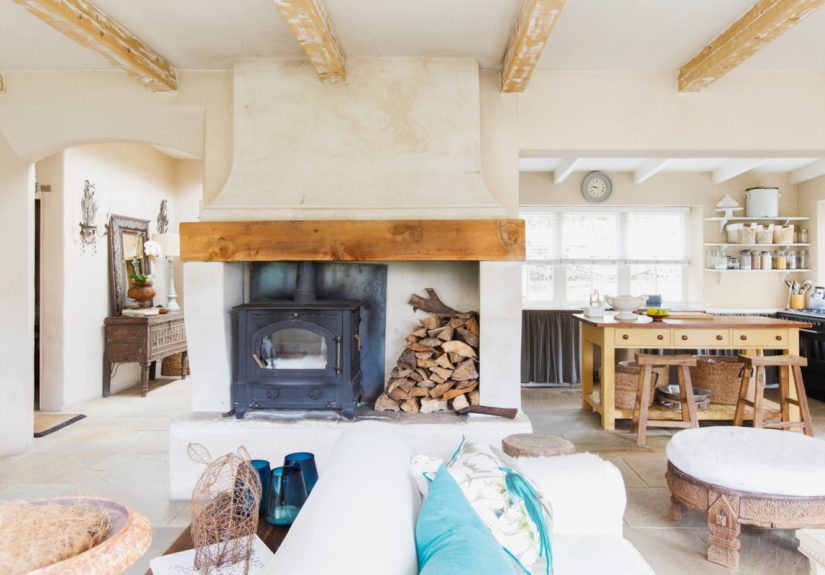
In classic design terms, a keeping room is an informal living space that’s adjacent to the
kitchen and features comfortable seating for family and guests. It’s sometimes called a
hearth room because, historically, it was centered around the fireplace
that heated the home.
Several design and lifestyle outlets, including Better Homes & Gardens, Southern Living,
The Spruce, and Martha Stewart, describe a keeping room as:
- A small sitting area directly connected to the kitchen
- A casual, family-friendly space (not formal or precious)
- A place to relax, read, chat, or sip something while food is being prepared
- Often featuring a fireplace or another cozy focal point in traditional homes
Think of it as the social buffer zone between “I’m cooking, please don’t bump my elbow”
and “Sure, come hang out and tell me all the drama from your day.”
A Quick Trip Back in Time: The History of the Keeping Room
The keeping room isn’t a TikTok trend that popped up out of nowhere. It dates back to
colonial America, especially in New England and the South. In the 18th
century, the kitchen fireplace was the warmest spot in the house, so families built a
small room right off the kitchen where everyone could stay warm, work, or sleep near
the fire.
Historically, people used keeping rooms to:
- Sew, mend, and do household chores
- Watch over children while meals were being made
- Read or play games by the fire
- Sleep in colder months to stay close to the heat source
Merriam-Webster still defines a keeping room as a common room in a colonial home
used for multiple purposes. Today, central heating and open floor
plans have changed the way we live, but the idea of a cozy, kitchen-adjacent hangout
has never really stopped making sensewhich explains its recent revival in design
magazines and 2025 kitchen remodels.
Keeping Room vs. Family Room vs. Breakfast Nook
So… is a keeping room just a rebranded family room in disguise? Not quite. While these
spaces can overlap, designers point out a few key differences.
Keeping Room vs. Family Room
-
Location: A keeping room is always adjacent to the kitchen.
A family room is often elsewhere in the home, sometimes toward the back of the house
or near the main living area. -
Size: Keeping rooms are usually smaller and more intimate; family
rooms tend to be larger and accommodate more activities. -
Use: Keeping rooms are all about conversation and low-key lounging
near the kitchen. Family rooms are more “movie night, kids’ toys, maybe a big TV”
territory.
Keeping Room vs. Breakfast Nook
-
Seating type: Breakfast nooks are focused on dining (table + chairs
or banquette). Keeping rooms are focused on lounging (sofas, armchairs, ottomans). - Function: You eat in a breakfast nook; you chill in a keeping room.
-
Activities: In a keeping room, you might flip through a magazine,
scroll recipes, or help with homework while dinner simmers.
In modern open-concept layouts, you’ll often see the kitchen flow into a keeping-room-like
space before it transitions into a bigger living area. It’s the “soft landing” between
cooking and full-on lounging.
Why Keeping Rooms Are Trending Again
Publications like Better Homes & Gardens, Homes & Gardens, Martha Stewart, and
Southern Living all agree on one thing: the keeping room is having a moment (again).
Here’s why this old idea works so well for modern life.
1. We Live in the Kitchen Now
Between giant kitchen islands, coffee bars, and open shelving, the kitchen has become
the main hangout zonenot just a workspace. A keeping room supports that lifestyle
by giving everyone a spot to gather near the kitchen without crowding the
counters or blocking the fridge every time someone needs ice.
2. People Want Connection, Not Just Open Space
Fully open floor plans can sometimes feel a little… noisy. Designers are moving toward
“connected but cozy” layoutsspaces that keep people together, but still create pockets
of intimacy. A keeping room checks that box: it feels close to the action but still
like its own defined retreat.
3. It’s a Multitasking Powerhouse
A keeping room can flex throughout the day:
- Morning coffee lounge
- Homework spot after school
- Cozy reading corner in the afternoon
- Wine-and-chat zone while dinner roasts
For busy households, it becomes the unofficial headquarters where everyone passes
through and checks in.
Designing a Keeping Room: Key Elements
The exact look of your keeping room depends on your home’s style, but most experts
agree on a few essential ingredients for making the space work.
1. Comfortable, Conversation-Friendly Seating
Skip stiff, formal furniture here. Think:
- A compact sofa or a pair of deep armchairs
- Ottomans or poufs that can double as seating or footrests
- A small swivel chair that can turn toward the kitchen when you’re chatting
Arrange seating so people can talk to each other and toward the kitchen.
If your back is to the stove the entire time, the room loses some of its charm.
2. A Cozy Focal Point
Traditional keeping rooms centered around a fireplace, and many designers still love
that look today. If you don’t have a fireplace, you can create a focal point with:
- A media console with art or a TV (used sparingly)
- A built-in bookcase or shelving with decor and family photos
- A statement accent wall, large-scale art, or a gallery wall
The goal is to make the space feel like a destination, not just stray furniture shoved
next to the kitchen.
3. Warm, Layered Lighting
Because keeping rooms are meant for relaxing, lighting matters. Consider:
- Table lamps for soft task lighting
- Wall sconces for ambient glow
- A small chandelier or pendant that complements your kitchen fixtures
Put lights on dimmers if you canyou’ll thank yourself during late-night tea sessions
and early-morning coffee runs.
4. Textures That Invite You to Sit and Stay
Homes & Gardens and other design sources emphasize layering texturesthrows, pillows,
rugs, and upholsteryto make keeping rooms feel extra inviting.
This is a great place to:
- Add a soft rug to warm up hard kitchen floors
- Bring in cozy knit blankets and linen or velvet pillows
- Display your favorite pottery, books, or collected pieces
If the kitchen is all sleek quartz and stainless steel, the keeping room can balance it
out with softness and warmth.
Can You Create a Keeping Room in a Smaller Home?
You don’t need a giant suburban new build to enjoy a keeping room. Many designers show
clever ways to create a keeping-room vibe even in compact spaces.
Try one of these ideas:
-
Micro keeping room: Place two chairs and a small table just off the
kitchen or at the end of an island. Add a rug to visually define the zone. -
Converted breakfast nook: Replace a dining bench with a loveseat or
comfy chairs and use a small, movable table instead of a full dining table. -
Open-concept carve-out: Use a console table, low bookcase, or even a
sectional sofa to “zone” a small sitting area between the kitchen and living room. -
Corner sanctuary: If all you have is a corner by the kitchen window,
make it count: one armchair, a floor lamp, a side table, and you’re officially in
keeping-room territory.
The essence of a keeping room is the functionbeing close to the kitchen in a relaxed,
welcoming waynot necessarily the square footage.
Common Mistakes to Avoid with a Keeping Room
Even cozy concepts can go off the rails. Here’s what to avoid if you want your keeping
room to stay functional and stylish.
1. Treating It Like a Second Formal Living Room
If the furniture is too delicate, the fabrics are too precious, or everything looks like
a “look but don’t touch” showroom, the space won’t be used. This is the room for feet-up,
slippers-on living.
2. Forgetting About Practicality
Because it’s so close to the kitchen, think about:
- Stain-resistant fabrics (performance upholstery is your friend)
- Washable slipcovers or throws
- Rugs that can handle crumbs, pets, and the occasional spaghetti incident
3. Overcrowding the Space
A keeping room should feel intimate, not cramped. Leave room for walkways to and from the
kitchen, and don’t try to cram in every seating option known to humankind. A couple of
well-chosen pieces will feel more relaxed and intentional.
4. Ignoring Storage Opportunities
This little room can carry a lot of functional weight. Designers sometimes use keeping
rooms to store:
- Table linens, napkins, and seasonal decor
- Board games, puzzles, and family activities
- Cookbooks that spill over from the kitchen shelves
A stylish cabinet, chest, or built-in shelving can keep the room tidy and make entertaining
smoother.
Is a Keeping Room Right for Your Home?
A keeping room might be a perfect fit if:
- You entertain often and everyone always ends up in the kitchen anyway.
- You like the idea of a cozy, tech-optional space near the heart of the home.
- You want a flexible zone that can shift between conversation, reading, and everyday family life.
- Your floor plan has a weird “extra” area near the kitchen that doesn’t quite know what it wants to be.
On the other hand, if you’re short on space and already use every square inch for
essential functionslike a dining area, workspace, or play zoneyou might adapt the
keeping-room idea into a smaller corner instead of committing a full room.
Real-Life Experiences: How a Keeping Room Changes Everyday Living
It’s one thing to talk about a keeping room in theory. It’s another to see how it changes
the rhythm of real homes. Here are some experience-based insights inspired by homeowners,
designers, and the way this “extra” room quietly becomes the MVP of the house.
The Space Where Everyone Actually Wants to Be
Many homeowners who add a keeping room report the same thing: the formal living room starts
collecting dust while the small sitting area off the kitchen becomes the everyday favorite.
Imagine this scene:
It’s a Saturday morning. Someone’s making pancakes, the coffee’s brewing, and instead of
people wandering off to different rooms, everyone ends up in the keeping room. One kid is
sketching at the side table, another is reading, someone’s scrolling on a tablet. The cook
can chat, joke, and check in without having to shout through the house. Suddenly breakfast
feels more like a mini family gathering than just another rushed meal.
That’s the magic of proximity: you’re not crammed into the kitchen, but you’re close enough
to feel connected.
The Introvert-Friendly Way to Host
For people who love having friends over but get overwhelmed by big, open spaces, a keeping
room offers a more intimate way to entertain. Instead of everyone standing around the island
in a circle of awkward small talk, a few guests can settle into the keeping room, sink into
comfy chairs, and have real conversations while the host cooks.
One designer described this as “hosting in layers”: the kitchen for food prep, the keeping
room for conversation, and the dining area for the main event. It gives guests options and
naturally breaks the evening into stages without feeling stiff or formal.
The Homework and Life-Admin Zone
Parents often find that a keeping room becomes the unofficial homework headquarters. Kids
can spread out their books on a small table or curl up on a chair while a parent cooks or
cleans up. Questions about math problems, essay topics, or project supplies can be answered
in real time, without the “yell from down the hallway” dynamic.
Adults get just as much benefit: it makes a perfect spot for:
- Sorting mail or managing paperwork while something bakes in the oven
- Planning the week’s meals with a stack of cookbooks or a laptop
- Taking a quick video call with a background that’s softer than the full kitchen
Instead of drifting off to a separate home office or bedroom, you stay near the center of
activity without physically being in the kitchen work zone.
A Low-Pressure Way to Unplug
Some homeowners intentionally treat the keeping room as a “low-tech” or even phone-free
spaceno giant TV, no gaming setup, just books, music, and conversation. It’s a softer ask
than “no devices in the house,” but it creates a subtle cue: when we’re in this room, we’re
here to relax and be present.
That might look like:
- Reading while soup simmers on a winter evening
- Working on a puzzle or knitting project with a pot of tea nearby
- Chatting with a partner while prepping dinner instead of scrolling until the timer dings
The keeping room becomes a built-in breather from the constant pull of screenswithout
feeling like a strict rule.
Seasonal “Personality” for Your Home
Another joy of having a keeping room is how easy it is to update for seasons or holidays.
Because it’s small, even minor changes make a big impact:
- Fall: plaid throws, textured pillows, candles, and a stack of cozy novels.
- Winter: extra blankets, a small tree or greenery, warm lighting, and mugs ready for cocoa.
- Spring: lighter fabrics, fresh flowers, and brighter artwork or pillows.
- Summer: woven textures, coastal touches, and breezy linen accents.
Over time, many people find that the keeping room is where the “soul” of the house lives.
The big living room may host the big momentsholidays, parties, movie marathonsbut the
keeping room quietly holds the everyday memories: quick breakfasts, after-school debriefs,
late-night talks, and tired evenings spent curled up with a snack and a book.
Final Thoughts: The Little Room with a Big Impact
So, what is a keeping room? It’s part history lesson, part design strategy, and part lifestyle
upgrade. Technically, it’s a sitting area next to the kitchen. Emotionally, it’s the cozy
space where life naturally gatherswithout needing a formal invitation.
Whether you’re working with a large home or a small open-concept layout, you can borrow
the keeping room concept by carving out a comfortable, kitchen-adjacent spot where people
can relax, connect, and simply be. In a world that moves fast and multitasks
constantly, that’s a pretty powerful little room.