Table of Contents >> Show >> Hide
- Cocktail Bitters 101: What They Are (and What They’re Not)
- Why Bitters Matter: The Science-y (and Delicious) Role They Play
- Types of Cocktail Bitters You’ll See Everywhere
- How to Choose the Right Bitters for Your Taste (Without Starting a Bottle Museum)
- The Best Cocktail Bitters Brands (Classic + Craft + Alcohol-Free)
- 1) Angostura: the iconic aromatic standard
- 2) Peychaud’s: the bright, anise-leaning classic
- 3) Regans’ Orange Bitters No. 6: the bartender-favorite orange workhorse
- 4) Fee Brothers: approachable, flavorful, and a little sweeter
- 5) The Bitter Truth: intense, dry-leaning, and serious about flavor
- 6) Hella Cocktail Co.: modern favorites with strong aromatic options
- 7) Scrappy’s Bitters: craft flavors that taste “real”
- 8) Bittermens: bold specialties (hello, chocolate and spice)
- 9) Woodford Reserve Bitters: whiskey-friendly, spice-forward options
- 10) Dashfire: creative flavors that still feel practical
- 11) 18.21 Bitters: gift-worthy packaging, versatile flavors
- 12) Crude Bitters: craft blends with a culinary mindset
- 13) Dram Apothecary: alcohol-free bitters that play well in food and drinks
- 14) All The Bitter: 0% ABV bitters built for everyday “adult” flavor
- Smart Ways to Use Bitters (Including Alcohol-Free Ideas)
- Storage, Shelf Life, and “Do These Things Expire?”
- Quick FAQ
- Real-World Experiences: How Bitters Actually Show Up in Everyday Life (About )
- Conclusion
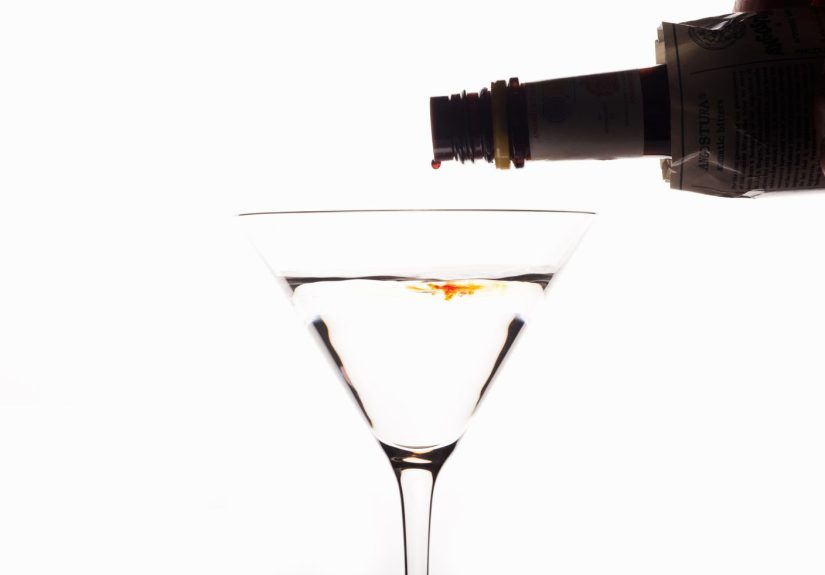
Cocktail bitters are the seasoning rack of the drink world. You don’t eat a spoonful of salt (unless you lost a dare),
and you don’t usually sip bitters straight (unless you really, really love botanical regret). But add a few dashes
to the right drinkor even a simple glass of sparkling waterand suddenly everything tastes sharper, deeper, and more “finished.”
They’re tiny bottles with big main-character energy.
In this guide, we’ll break down what cocktail bitters are, how they work, what types exist, and how to choose the right
bottle for your taste and budget. Then we’ll spotlight standout brandsclassic, craft, and alcohol-free optionsso you can
build a bitters lineup that makes everything you pour taste more intentional.
Cocktail Bitters 101: What They Are (and What They’re Not)
Cocktail bitters are concentrated flavor extracts made by infusing (or macerating) botanicalsthink roots, bark, herbs,
spices, citrus peel, seeds, and flowersinto a base liquid. Traditionally, that base is alcohol, because alcohol is great
at pulling flavor from plants and preserving it for a long time. The result is a potent, aromatic liquid used in very small
amountsusually a dash or two at a time.
A quick but important distinction: cocktail bitters are not the same thing as “Italian bitters” (like Campari) or amaro-style
liqueurs. Those are meant to be sipped and used by the ounce. Cocktail bitters are closer to vanilla extract: tiny dose, major
impact. They also differ from “digestive bitters” marketed as supplements; those may be alcohol- or glycerin-based and are taken
in drops for herbal purposes. Cocktail bitters are primarily about flavor and aroma.
One more note for the real world: many cocktail bitters are high-proof because of the alcohol base, but they’re typically used
in such small quantities that they function like a culinary ingredient. If you don’t want alcohol at all, there are also
excellent non-alcoholic bitters made with glycerin and other carriers (we’ll cover the best options below).
Why Bitters Matter: The Science-y (and Delicious) Role They Play
Bitters do three jobs at once: add aroma, add complexity, and create balance.
1) Aroma: the “first taste” is actually your nose
A big chunk of what you perceive as flavor is aroma. Bitters are packed with volatile aromatic compoundscitrus oils, spice notes,
herbal tonesthat rise from the glass and make a drink smell more layered and inviting.
2) Complexity: depth without extra sugar
Bitters can add “grown-up” flavorspice, bark, dark citrus, florals, cocoa, smokewithout making a drink sweeter. That’s why they’re
beloved in everything from coffee to soda water to desserts: they provide nuance, not just sweetness.
3) Balance: the bitter edge that tightens everything up
Bitterness is a balancing flavor. It can keep sweetness in check, sharpen citrus, and make rich flavors feel less heavy. Think of it
as the flavor equivalent of adjusting contrast in a photo: the subject pops, the details appear, and suddenly the whole thing looks
“right.”
Types of Cocktail Bitters You’ll See Everywhere
If you only bought three bottles, you’d cover a huge percentage of common uses: aromatic, orange, and a “specialty” flavor you’ll
actually reach for. Here are the main categories:
Aromatic bitters
The workhorse. Aromatic bitters are usually spice-and-herb forward, often built around gentian root (a classic bittering agent)
plus warming spices like clove, cinnamon, allspice, and citrus peel. They’re the default “bitters” in many classic applications.
Orange bitters
Citrus peel and spice, often with a brighter, zippier profile than aromatic bitters. Great for lifting drinks, tightening up
sweetness, and adding a clean citrus finish. Orange bitters can be dry and peel-forward or more sweet-and-spice depending on the brand.
New Orleans-style / anise-forward bitters
Best known through Peychaud’s-style profiles: brighter color, lighter bitterness, and a signature anise/licorice vibe. They add
a distinctive “high note” rather than the darker spice cabinet effect of aromatic bitters.
Specialty bitters
This is where the fun starts: chocolate, grapefruit, black walnut, celery, lavender, coffee, barrel-aged, smoky chiliyou name it.
Specialty bitters are how you customize your flavor signature without buying a whole new pantry.
How to Choose the Right Bitters for Your Taste (Without Starting a Bottle Museum)
Bitters are small, but your options are… not. Use these filters to choose smarter:
Start with coverage, not novelty
- One aromatic (the backbone)
- One orange (the brightener)
- One personality pick (chocolate, grapefruit, black walnut, etc.)
Decide whether you want “classic” or “craft” first
Classic brands are consistent, widely available, and recognizable. Craft brands can be more expressive and ingredient-forward, but
sometimes they’re more niche (and more expensive). A balanced bar often has both.
Check the flavor style: dry vs sweet
Some orange bitters lean candied and sweet; others are drier and peel-forward. Some aromatic bitters are heavy on baking spice; others
lean herbal or woody. If you’ve ever tried two “orange bitters” side by side, you know they can behave like completely different ingredients.
Consider alcohol-free if needed
If you’re avoiding alcohol entirely, look for non-alcoholic bitters made with glycerin or other non-alcohol carriers. They can still
deliver complexity, especially in sparkling water, iced tea, and mocktails.
The Best Cocktail Bitters Brands (Classic + Craft + Alcohol-Free)
“Best” depends on what you’re making and what you like. So instead of crowning one bitters to rule them all, here are standout brands
by rolereliable classics, top-tier orange bitters, and craft favorites that add personality fast.
1) Angostura: the iconic aromatic standard
If cocktail bitters had a passport, Angostura would have more stamps than a flight attendant. It’s the benchmark aromatic bitters:
warm spice, dark citrus, herbal depth, and a bitterness that plays well with almost everything. It’s the bottle many people buy first,
then keep replacing forever because it simply works.
- Best for: all-purpose aromatic use, especially when you want a classic spiced backbone
- Flavor vibe: baking spices, citrus peel, herbal bitterness
- Bonus: the brand’s orange bitters are also widely used and brighter in style
2) Peychaud’s: the bright, anise-leaning classic
Peychaud’s is lighter and more distinctive than many aromatic bitters, with a recognizable anise/licorice note and a brighter, more
perfumed personality. It’s often treated as “non-negotiable” for New Orleans-inspired flavor profiles, and it’s fantastic when you want
definition without heaviness.
- Best for: anise-forward accents, lighter aromatic lift, classic New Orleans-style profiles
- Flavor vibe: anise, cherry-like fruitiness, gentle spice
3) Regans’ Orange Bitters No. 6: the bartender-favorite orange workhorse
Regans’ is frequently recommended as a versatile orange bitters that hits the “classic orange” sweet spot: citrus peel, spice, and a
clean structure that doesn’t bulldoze your base flavors. It’s a strong candidate for your first orange bitters, especially if you want
one bottle that shows up for everything.
- Best for: a one-bottle orange bitters solution
- Flavor vibe: orange peel, balanced spice, classic “bar orange” profile
4) Fee Brothers: approachable, flavorful, and a little sweeter
Fee Brothers offers a huge range of flavors and tends to lean more friendly and sweet compared to drier brands. Their orange bitters,
in particular, are known for a candied quality that can be great when you want citrus without too much bite. If you like your flavors
bold and easy to notice, Fee Brothers is a fun sandbox.
- Best for: variety, experimenting, and sweeter-leaning citrus profiles
- Flavor vibe: expressive, sometimes candy-like, often very aromatic
5) The Bitter Truth: intense, dry-leaning, and serious about flavor
The Bitter Truth is often praised for strong, concentrated flavorespecially in orange bitters where the zest-and-spice punch can be
more assertive than softer styles. If you like bitters that show up loudly (in a good way), this brand earns its place.
- Best for: bold orange bitters and concentrated botanical profiles
- Flavor vibe: drier, more intense peel/spice character
6) Hella Cocktail Co.: modern favorites with strong aromatic options
Hella is frequently highlighted in “best of” roundups for a reason: their aromatic bitters are robust and crowd-pleasing, and their
lineup includes flavors that feel creative without being gimmicky. If you want a modern brand that still respects the classics, Hella
is a smart pick.
- Best for: aromatic bitters and modern flavor expansions
- Flavor vibe: classic structure with a contemporary edge
7) Scrappy’s Bitters: craft flavors that taste “real”
Scrappy’s has a strong reputation among people who like ingredients that taste vivid and specificlavender that smells like lavender,
grapefruit that actually feels like grapefruit, and spice notes that don’t blur into generic “bitters-ness.” Great for the person who
wants their bitters to be a recognizable flavor, not just “mysterious complexity.”
- Best for: bright specialty flavors (lavender, grapefruit, etc.)
- Flavor vibe: crisp, botanical, ingredient-forward
8) Bittermens: bold specialties (hello, chocolate and spice)
Bittermens is known for distinctive specialty flavorsoften in the cocoa/chocolate and spice lanethat can add depth fast. If you want
bitters that feel like a shortcut to “wow, what is that flavor?”, Bittermens is a strong choice.
- Best for: chocolate/cocoa-style bitters and expressive specialty profiles
- Flavor vibe: deep, punchy, memorable
9) Woodford Reserve Bitters: whiskey-friendly, spice-forward options
Woodford’s bitters lineup often appeals to people who love rich, warm flavorsthink spice, woodsy notes, and profiles that naturally
complement darker, barrel-aged vibes. If your flavor world lives in the “toasty” neighborhood, these are worth exploring.
- Best for: warm spice profiles and whiskey-adjacent flavor pairing
- Flavor vibe: rich, earthy, spiced
10) Dashfire: creative flavors that still feel practical
Dashfire often shows up as a craft brand with imaginative flavorsapple spice, aromatic blends, and other seasonal-leaning profiles that
still get used (instead of living on the shelf as “that bottle you bought during a personality phase”). Great for expanding beyond the basics.
- Best for: seasonal and creative flavors you’ll actually use
- Flavor vibe: playful but functional
11) 18.21 Bitters: gift-worthy packaging, versatile flavors
This brand is often mentioned as a go-to for “nice bottle, serious flavor.” It’s a popular choice for building cocktail kits or gifting,
but it’s not just pretty: the flavors are designed to be broadly useful, with aromatic profiles that work across many drink styles.
- Best for: versatile aromatics and giftable bottles that still get used
- Flavor vibe: warm spice, bar-friendly balance
12) Crude Bitters: craft blends with a culinary mindset
Crude is frequently highlighted for blends that feel chef-likelayered, thoughtful, and less “one-note.” If you enjoy tasting notes and
ingredient nuance, this is a brand that rewards attention.
- Best for: culinary-leaning bitters and nuanced blends
- Flavor vibe: layered botanicals, often herb-and-spice complexity
13) Dram Apothecary: alcohol-free bitters that play well in food and drinks
Dram is known for alcohol-free bitters made with non-alcohol carriers, which can be especially appealing if you want complexity without
any alcohol content. They also show up in culinary contexts, because bitters can act like a concentrated herb/spice extract in cooking.
- Best for: alcohol-free use, culinary experimentation
- Flavor vibe: botanical, aromatic, kitchen-friendly
14) All The Bitter: 0% ABV bitters built for everyday “adult” flavor
If you want non-alcoholic bitters that feel intentionalnot like a compromiseAll The Bitter is a standout. Their flavors are designed for
sparkling water, mocktails, tea, and coffee, helping you build complexity without alcohol. This is a great pick for anyone who wants the
ritual and flavor of “mixology” while keeping it zero-proof.
- Best for: 0% ABV drinks (sparkling water, mocktails, coffee)
- Flavor vibe: spice-and-botanical depth without alcohol
Smart Ways to Use Bitters (Including Alcohol-Free Ideas)
Bitters shine when you treat them like seasoning. A little adds dimension; too much can dominate. Here are practical, low-drama ways to
use bitters that don’t require turning your kitchen into a speakeasy:
Make sparkling water taste like a fancy beverage
A dash or two of bitters in sparkling water with a citrus wedge can taste like a “grown-up soda.” This is especially great with orange,
grapefruit, lavender, or aromatic styles. Alcohol-free bitters are perfect here if you want zero alcohol.
Upgrade coffee and tea
A tiny amount of bitters can deepen roast flavors in coffee or add spice to black tea. Orange, chocolate, and aromatic styles are popular
here because they echo flavors many people already like (citrus oils, cocoa, warm spice).
Use bitters in cooking like a flavor extract
Bitters can act like “chef’s vanilla extract for grown-ups.” Think a few drops in vinaigrettes, marinades, fruit salads, whipped cream,
or desserts where you want a hint of spice, citrus, or herbal complexity without adding sweetness.
Storage, Shelf Life, and “Do These Things Expire?”
Most cocktail bitters last a long time, especially alcohol-based ones, because the alcohol preserves them. Store them in a cool, dark
spot with the cap closed, and they’ll keep their character for years. Alcohol-free bitters can be a bit more sensitive; follow the label
guidance, keep them sealed, and store them away from heat and direct light.
Quick FAQ
Do I really need more than one bottle?
Not at first. One aromatic and one orange can take you surprisingly far. Add specialty bitters only when you can imagine using them
regularly (or when you’ve accepted that your spice rack has a personality and it’s “collector”).
Are bitters only for cocktails?
Not at all. They’re excellent in sparkling water, iced tea, coffee, and even in cooking. If you’re not drinking alcoholor you’re not of
legal drinking agebitters still have plenty of culinary and alcohol-free drink uses, especially the 0% ABV brands.
What’s the easiest “starter set”?
A classic aromatic bitters (like Angostura-style), a reliable orange bitters (like Regans’-style), and one specialty you love (chocolate,
grapefruit, or black walnut are common crowd favorites). If you want zero alcohol, swap in alcohol-free options for the same roles.
Real-World Experiences: How Bitters Actually Show Up in Everyday Life (About )
The funniest thing about bitters is how quickly they go from “mysterious bar thing” to “why do I feel weird without this in the house?”
The first experience most people have is the classic: you buy one tiny bottle, you use it twice, and then you stare at it like it’s a
museum artifact. Then one day you add a dash to something simplesparkling water, iced tea, coffeeand it clicks. Bitters aren’t about
making a drink boozy; they’re about making a drink complete.
One common “aha” moment happens with plain seltzer. Most sparkling water is refreshing, sure, but it can also taste like TV static if
you’re craving flavor. A dash of orange bitters makes it feel bright and citrusy without turning it into a sugar bomb. Aromatic bitters
make it taste like you did something fancy on purpose. Lavender bitters make it feel like you’re sipping a garden. The best part is that
it’s easy to adjust: one dash for a whisper, two for personality, three if you want your drink to start telling jokes.
Coffee is another surprisingly bitters-friendly zone. If you’ve ever had a cup that tastes a little too sharp or flat, a tiny hit of
aromatic or chocolate bitters can smooth edges and add warmth. Orange bitters can make coffee feel brighteralmost like you added a twist
of peel. It’s the same logic as adding cinnamon or cocoa powder, just in a more concentrated form. (And yes: it feels a little magical the
first time you do it, like you unlocked a “secret menu” at home.)
The kitchen uses sneak up on you, too. Once you realize bitters are basically botanical extracts, you start seeing opportunities everywhere.
A couple drops in whipped cream can add subtle spice. A little in a citrusy vinaigrette can bring depth. Even fruitespecially berries or
orangescan taste more “restaurant” with a tiny hint of aromatic or citrus bitters. You learn quickly that bitters aren’t meant to taste
bitter in the final dish; they’re meant to make everything else taste more like itself.
The brand experience is real, too. Two orange bitters can behave like totally different ingredients: one might taste like dry orange peel
and spice, another like candied orange. That’s when you start understanding why people argue about bitters the way some people argue about
pizza (with passion, confidence, and at least one questionable opinion). It’s also when you start building a “mini lineup” instead of trying
to crown one universal winner.
If there’s one practical takeaway from all these experiences, it’s this: buy bitters you’ll actually use on ordinary days. The “best” bottle
is the one that makes Tuesday night feel a little more interestingwhether that’s in a zero-proof spritz, a coffee upgrade, or a dessert that
tastes like you planned it. Bitters are tiny, but they’re one of the easiest ways to make flavor feel intentional.
Conclusion
Cocktail bitters are concentrated botanical flavorings that act like seasoning for drinks (and, honestly, for a lot of foods too). Start
with the essentialsan aromatic and an orangethen add specialty bitters that match your preferences. For classic reliability, brands like
Angostura-style aromatics and Regans’-style orange bitters are widely loved. For brighter or more distinctive profiles, Peychaud’s and craft
brands like Scrappy’s, Bittermens, and others can add signature personality. And if you want zero alcohol, modern alcohol-free bitters can still
deliver that “finished” taste in sparkling water, coffee, tea, and mocktails.