Table of Contents >> Show >> Hide
Humidifiers are excellent appliances that can help maintain a comfortable and healthy indoor environment, especially during dry months. However, without regular cleaning and proper maintenance, they can become breeding grounds for bacteria, mold, and other harmful particles. Knowing how to clean your humidifier properly and what steps to take daily to maintain it is crucial for ensuring both its efficiency and your health. In this article, we’ll walk you through the steps to clean a humidifier, along with daily tips to keep it in top shape.
Why You Need to Clean Your Humidifier
Humidifiers work by releasing water vapor into the air, which can improve air quality and help with respiratory issues. But if the humidifier isn’t cleaned regularly, the water inside can become a hotspot for bacteria and mold growth. When the humidifier emits this contaminated mist into the air, it could potentially exacerbate allergies, asthma, or other respiratory conditions. Additionally, mineral deposits from tap water can clog the humidifier, reducing its effectiveness. Proper cleaning ensures that you enjoy all the benefits without the risks.
Steps to Clean Your Humidifier
1. Turn Off and Unplug the Humidifier
Before you begin cleaning, ensure that your humidifier is turned off and unplugged from the power source. This is the most important safety step to avoid any risk of electric shock or damaging the unit while cleaning.
2. Empty the Tank
Start by draining the water from the tank. Empty the base and the water tank to remove any stagnant water, which can harbor bacteria and mold. Use a microfiber cloth or a soft towel to wipe down the interior of the tank to ensure that no moisture is left behind.
3. Clean with White Vinegar
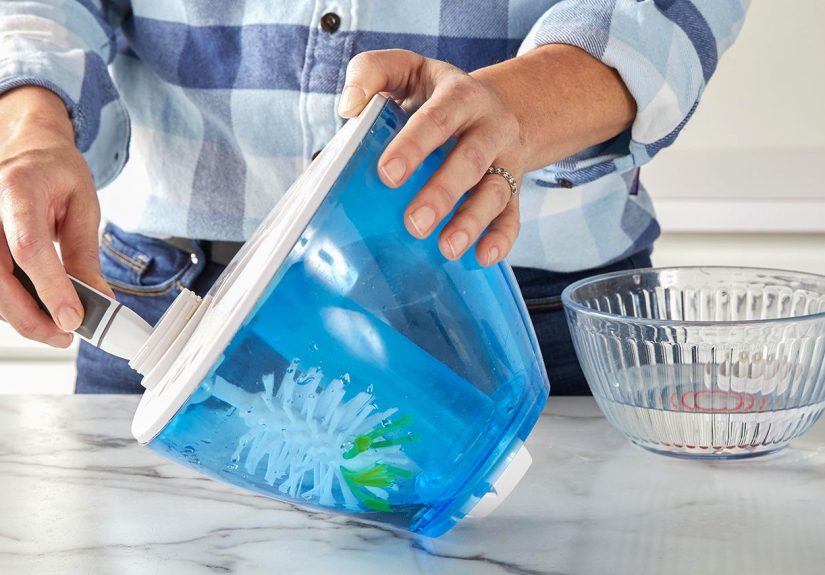
White vinegar is a natural disinfectant and cleaner. Fill the tank with a mixture of equal parts white vinegar and water. Let it sit for about 20-30 minutes to break down any mineral buildup or mold that may have formed. Afterward, scrub the tank using a soft brush or cloth, paying special attention to areas with visible buildup. If your humidifier has a filter, check the manufacturer’s instructions for cleaning or replacing it.
4. Clean the Base and Other Components
Using a cloth soaked in vinegar, gently wipe the base of the humidifier where water may have evaporated. This area is often where mold and mineral deposits accumulate. For tough stains, use a soft-bristled brush to scrub the surfaces. Avoid using harsh chemicals that could damage the unit. Some humidifiers come with a cleaning brush that is specifically designed to reach into small crevices.
5. Rinse Thoroughly
Once you’ve cleaned all the components, rinse them thoroughly with clean water to remove any vinegar residue. It’s essential to get rid of all cleaning solution traces to prevent any odors or chemical exposure. If needed, repeat the rinsing process until the unit is completely free of vinegar.
6. Dry Completely
Before reassembling the humidifier, make sure it is completely dry. Use a towel to wipe down the components, and allow everything to air dry. This step helps prevent mold from growing back and keeps the humidifier in peak working condition.
Daily Maintenance Tips
1. Empty the Tank Every Day
One of the easiest daily tasks to keep your humidifier clean is emptying the water tank every day. This prevents the buildup of stagnant water, which can quickly become a breeding ground for mold and bacteria. Even if you haven’t used the humidifier extensively, it’s a good practice to empty the tank daily to keep it fresh and clean.
2. Refill with Fresh Water
Each time you refill the humidifier, use fresh, clean water. Avoid using water that’s been sitting in the tank for hours or even days. Fresh water minimizes the chances of microbial growth and ensures that the humidifier is functioning optimally.
3. Keep the Unit in a Dry Place
Humidity is one of the main ingredients for mold growth. If possible, place your humidifier in a dry area and avoid direct sunlight or areas with high humidity. Storing your humidifier in a dry place can reduce the risk of internal mold buildup.
4. Use Distilled or Demineralized Water
If your area has hard water, consider using distilled or demineralized water in your humidifier. Hard water contains minerals that can accumulate over time and clog the humidifier. Using distilled water will help reduce mineral buildup, ensuring that your unit works more efficiently and lasts longer.
5. Keep the Humidifier in a Clean Environment
Ensure that the area around your humidifier remains clean as well. Dust and dirt can make their way into the humidifier, reducing its performance and promoting bacterial growth. Wipe the surrounding area with a dry cloth daily to maintain a dust-free environment.
Additional Tips for Long-Term Maintenance
1. Check for Mold Regularly
Inspect your humidifier for any signs of mold or mildew buildup, especially in the areas that come into contact with water. If you notice any mold growth, clean it immediately. A small amount of mold can spread quickly, leading to bigger problems if not addressed right away.
2. Change the Filters as Needed
If your humidifier has a filter, make sure to replace it according to the manufacturer’s recommendations. Filters can get clogged with minerals, mold, and bacteria, reducing the unit’s effectiveness. Check the filter regularly and replace it if it appears dirty or worn out.
3. Perform a Deep Clean Weekly
In addition to daily cleaning, give your humidifier a deep clean once a week. This involves emptying the tank, scrubbing it with vinegar, and rinsing thoroughly. A weekly cleaning helps prevent any long-term buildup of mold, bacteria, or mineral deposits.
Conclusion
Cleaning and maintaining your humidifier is essential for keeping the air in your home healthy and free from harmful particles. By following a regular cleaning schedule and incorporating daily maintenance habits, you can ensure that your humidifier works efficiently for a long time. Don’t forget to use distilled water, keep the humidifier in a dry space, and check it for mold regularly to prevent any health issues from arising. A little care goes a long way in keeping your humidifier in tip-top shape!
Experience-Related Insights
Over the years, I’ve used several humidifiers, each with its own quirks, but one thing remained consistent: the need for regular cleaning. I’ve found that using distilled water has been a game-changer in preventing mineral buildup, especially in areas with hard water. One of the biggest mistakes I made in the beginning was not fully drying the tank before storing it. This led to mold growth and a musty smell that took a while to get rid of. Once I started emptying and drying the tank daily, the performance of my humidifier drastically improved, and I didn’t need to clean it as often. Another valuable lesson was to always check the filter regularly. It may seem like a small part of the maintenance routine, but a clogged filter can reduce efficiency and cause the humidifier to work harder. I’ve learned that cleaning the humidifier and the surrounding area daily ensures a fresh mist that doesn’t introduce dust and allergens into the air. Overall, with just a few simple steps, you can avoid the hassle of deep cleaning every week and ensure a healthier indoor environment for you and your family.