Table of Contents >> Show >> Hide
If there were a patron saint of deadpan eye rolls, it would absolutely be Wednesday Addams. From black-and-white TV to Netflix mega-hit, she’s gone from “that weird little girl with pigtails” to a full-on pop-culture icon. But with so many versions of Wednesday Addams across movies, TV shows, animation, and now streaming, fans have one big, slightly spooky question: which Wednesday reigns supreme?
Grab your poison of choice (tea, obviously) and let’s rank the most notable Wednesday Addams portrayals, break down what makes each version special, and share some strong, delightfully moody opinions along the way.
Why People Are Obsessed With Ranking Wednesday Addams
Wednesday Addams is one of those rare fictional characters who refuses to stay stuck in her original era. She’s been a six-year-old chaos goblin, a suspiciously self-possessed tween, a teen detective, a Broadway belter, and an animated goth emoji. Yet each version keeps the core ingredients:
- Morbid sense of humor
- Emotionally reserved (some might say allergic to joy)
- Sharp intelligence and a talent for one-liners
- Black attire, braids, and “don’t talk to me” energy
Because she’s changed so much over the decades, ranking Wednesday Addams is really about ranking different eras of pop culture: classic TV, ’90s nostalgia, musical theater, and modern streaming. Think of this less as a rigid tier list and more as a haunted house tour through Wednesday history.
Our Wednesday Addams Rankings
Let’s get to the good part: the rankings. This list focuses on the best-known on-screen versions and how they shaped Wednesday’s image today.
1. Jenna Ortega – The Nevermore Era (Netflix’s Wednesday)
Jenna Ortega didn’t just play Wednesday Addams – she detonated the character into modern pop culture. Her version in Netflix’s series Wednesday is older than most past portrayals, a 15–16-year-old navigating psychic visions, murder mysteries, and high school politics at Nevermore Academy. She’s part teen sleuth, part horror final girl, and part classic Wednesday with a more layered inner life.
Why fans rank this Wednesday so high:
- Physical transformation: Ortega cut and dyed her hair, adopted stiff posture, and even adjusted her blink rate to keep Wednesday’s stare unsettling.
- New skills: She learned cello and German, and even helped shape the character’s dialogue to feel more authentically “Wednesday.”
- Iconic scenes: The now-famous Rave’N dance sequence exploded on social media, turning into a viral TikTok trend and cementing her Wednesday as the Gen Z version.
Ortega’s Wednesday is angrier and more confrontational than earlier takes. She’s constantly pushing back against authority, emotionally guarded, and deeply suspicious of everyone’s motives. Yet there are tiny cracks in the armor – mostly in her relationship with Enid, where she occasionally (and very reluctantly) acts like a person with feelings.
Opinion: Ortega’s Wednesday tops a lot of rankings because she manages a tricky balance: honoring the classic character while giving her enough complexity to carry a full series. If you like your Wednesday with extra horror, extra plot, and extra trauma, this is your girl.
2. Christina Ricci – The ’90s Dark Comedy Queen
For many Millennials (and plenty of Gen X folks), Christina Ricci is Wednesday Addams. Her performances in The Addams Family (1991) and Addams Family Values (1993) basically rewrote the character for an entire generation.
Ricci’s Wednesday is younger than Ortega’s, but somehow even more emotionally precise. She weaponizes silence. She stares down adults with surgical disdain. She delivers lines like, “I’ll be the victim.” “All your life,” with the kind of calm menace most villains could only dream of.
Why this Wednesday is still legendary:
- Pitch-black comedy: Her scenes at summer camp (that Thanksgiving play!) are some of the most beloved Wednesday moments in franchise history.
- Tone: She’s deadpan without being flat, eerie without losing the absurdist humor that makes the Addams Family work.
- Cultural impact: Ricci’s portrayal is still the template many people imagine when they think “Wednesday Addams” – even as newer versions gain popularity.
Opinion: If you value quotable lines and comedy timing over serialized mystery plots, Ricci’s Wednesday might still be your number one. In many rankings, it’s basically a 1A/1B situation between Ricci and Ortega.
3. Lisa Loring – The Original TV Goth Kid
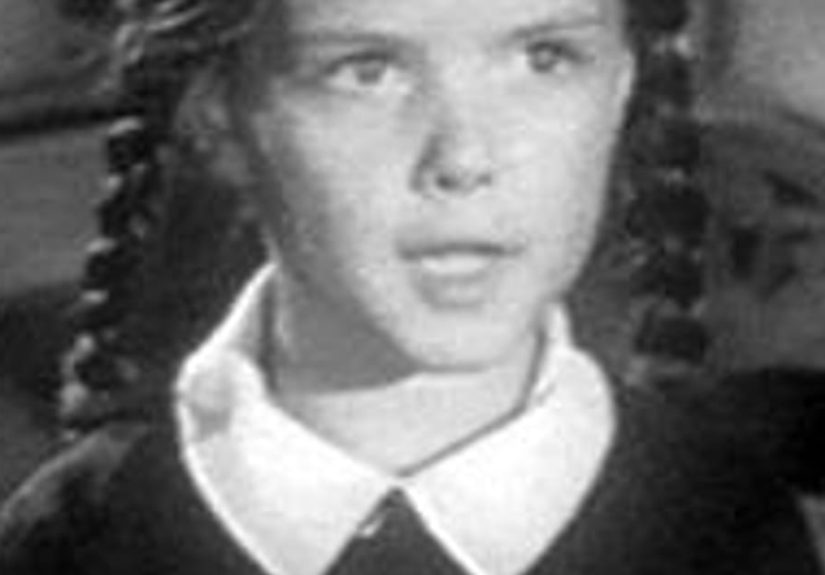
Lisa Loring was the first on-screen Wednesday, starring in the 1960s TV series The Addams Family. Her Wednesday is less openly menacing and more quietly offbeat – a sweet little girl who just happens to prefer headless dolls and guillotines over Barbie dolls and tea parties.
What makes Loring’s Wednesday special:
- Foundational look: The black dress, white collar, and braids became iconic through this series.
- Contrast humor: Her matter-of-fact delivery of macabre lines against the cheerful sitcom format created the original Wednesday vibe.
- Historical importance: Without Loring, there’s no Ricci Wednesday, no Ortega Wednesday, and probably no modern Addams Family renaissance.
Opinion: Loring’s Wednesday may feel tame compared to modern versions, but she’s the blueprint. For ranking purposes, she earns a high spot on legacy alone.
4. Animated Wednesdays – Chloë Grace Moretz & Company
Animated versions of Wednesday Addams don’t always get top billing in fan rankings, but they’ve helped keep the character alive for younger audiences. Voice actresses like Chloë Grace Moretz (in the recent animated films) bring a slightly softer, more whimsical Wednesday to the screen, with big eyes, exaggerated features, and family-friendly storylines.
Why animated Wednesdays matter:
- They introduce kids to Wednesday’s goth aesthetic without leaning too hard into horror.
- They allow for visual gags and cartoon physics that live-action can’t match.
- They keep the core traits – deadpan humor, loyalty to her family, and love of the creepy – intact.
Opinion: Animated Wednesdays usually don’t top “best of” lists, but they’re a crucial gateway version. Think of them as the Addams Family starter pack.
5. Stage and Lesser-Known TV Wednesdays – The Deep Cuts
Beyond the big, widely known portrayals, Wednesday Addams has also appeared in stage musicals and less widely distributed TV projects. The Broadway musical The Addams Family, for example, aged Wednesday up and leaned into her romantic and emotional side, turning her into more of a classic musical theater heroine – with a crossbow.
These versions are fan favorites for people who love seeing Wednesday pushed into new emotional territory, but they’re less universally known. In most rankings, they land in the middle of the pack: interesting, influential in smaller circles, but not as culturally dominant as the Ricci or Ortega eras.
Opinion: If you’re a theater kid, musical Wednesday might be your top pick. For everyone else, she’s a fun “bonus level” in the Wednesday multiverse.
How The Character Has Evolved Over Time
Ranking Wednesday Addams isn’t just about deciding who did it “best.” It’s also a neat way to see how the character evolved to reflect changing tastes in humor, horror, and teen storytelling.
From Side Character to Center Stage
In the early days, Wednesday was part of an ensemble. The whole Addams clan shared the spotlight. Ricci’s movies gave her more to do, but she was still one piece of a larger comedy machine. In Netflix’s Wednesday, she’s finally the undisputed lead – the camera follows her, the plot revolves around her choices, and other characters orbit around her emotional gravity.
From Cute Creepiness to Psychological Depth
Classic Wednesday is spooky in a charming way: she plays with spiders, loves torture devices, and smiles at thunderstorms. Modern Wednesday is all that plus questions about identity, trauma, friendship, and trust. She’s cynical about institutions, skeptical about relationships, and constantly walking the line between isolation and connection.
From Sitcom Punchlines to Serialized Mystery
The 1960s series is all about one-episode setups and punchlines. The ’90s films lean into sketch-like sequences of dark comedy. The Netflix series, by contrast, turns Wednesday into a gothic detective with an overarching mystery spread across an entire season.
Whether you love or hate that shift usually determines how you rank Ortega’s version compared with Ricci’s. If you’re here for serialized drama and supernatural mythology, the Netflix Wednesday will likely top your list. If you’re here for jokes sharp enough to cut glass, the ’90s films still reign.
Hot Takes: Controversial Wednesday Opinions
No rankings article would be complete without a few spicy opinions. So here are some Wednesday Addams hot takes that usually spark debate in fan circles:
- “Ortega’s Wednesday is too soft.” Some fans argue that giving Wednesday friendships, romantic threads, and visible emotional vulnerability undercuts her classic aloofness. Others counter that emotional development doesn’t make her soft – it just makes her human.
- “Ricci’s Wednesday is funnier than all the others combined.” It’s hard to argue with this. Her comedic timing is surgical. Even fans who rank Ortega higher often admit Ricci remains the funniest Wednesday.
- “The Addams Family works best as an ensemble, not a solo vehicle.” The Netflix series leans heavily on Wednesday as a protagonist, which some people love and others feel loses the weird, cozy family dynamic that made the originals so charming.
And then there’s the eternal question: should Wednesday ever truly “grow up,” or should she remain forever perched in that uncanny space between childhood innocence and gothic menace? Different versions answer that question in different ways – which is exactly why ranking them is so much fun.
of Lived-In Wednesday Addams Experience
Rankings are great, but let’s talk about what it actually feels like to live with these different versions of Wednesday Addams as part of your pop-culture life. Because once you’ve watched enough of her, she starts quietly influencing things: your humor, your wardrobe, maybe even your posture.
For a lot of people, Wednesday started as a background presence – a Halloween costume on classmates, a goth girl on TV reruns, a character you recognized even if you’d never seen a full episode. Then along came Christina Ricci’s performances in the ’90s, and suddenly she wasn’t just “the weird girl,” she was aspirational. Kids who didn’t fit the pastel mold watched her stand up to obnoxious counselors and sunny camp kids and thought, “Oh. So I don’t have to smile if I don’t feel like it.”
Watching Ricci’s Wednesday as a kid was like being handed permission to be strange on purpose. She didn’t apologize for her interests. She didn’t soften herself to make adults comfortable. She wanted to electrocute her brother and burn down a fake Thanksgiving tableau, and somehow, the story still framed her as the sane one in the room. That’s powerful, especially if you were the quiet kid who hated group activities and secretly rooted for thunderstorms.
Fast-forward to Jenna Ortega’s Wednesday, and the experience is different but related. Instead of seeing Wednesday in short, self-contained stories, you follow her across hours of plot: school drama, family expectations, psychic burdens. She’s still sharp, still dry as dust, but you also see her struggle with trust and intimacy. Maybe you’ve grown up since the ’90s movies, and now you’re watching this version of Wednesday while worrying about burnout, boundaries, and whether you’re allowed to dislike people as much as you do.
Ortega’s Wednesday hits differently because she turns the character into someone dealing with pressure from all sides – and still refusing to conform. If Ricci’s Wednesday whispered, “You can say no,” Ortega’s Wednesday adds, “You can build your own weird, uncomfortable, oddly functional version of a life, and you don’t have to explain it to anyone.”
Even Lisa Loring’s original Wednesday changes the way you experience old TV once you’ve seen her in context. Reruns of the 1960s show suddenly feel like archaeology: you can see the early DNA of all the Wednesdays to come. The jokes are gentler, the darkness more implied than shown, but the core is there – the little girl whose idea of playtime is borderline alarming, and whose parents think that’s wonderful.
Living with all these versions in your mental library means Wednesday Addams becomes more than a character. She’s a mood you slip into on tired days. She’s the voice in your head that says, when someone suggests forced team-building activities, “I would rather be waterboarded with cold brew.” She’s the aesthetic that makes you reach for black clothes on days you need armor.
Even if you don’t consciously copy her, you start appreciating the way she occupies space: not loudly, not aggressively, but unapologetically. She doesn’t explain, she doesn’t overshare, and she never, ever laughs just to make someone else feel better. In a world obsessed with constant positivity, that’s a radical vibe.
So when people argue about which Wednesday Addams is “the best,” what they’re really doing is comparing which one feels closest to the version of themselves they wish they could be: the fiercely funny kid, the icily perceptive teen, the quiet outlier who never trades her weirdness for comfort. That’s why rankings matter – and why, ultimately, every Wednesday in the lineup brings something valuable (and delightfully spooky) to the table.
Final Thoughts: Can There Be One “Best” Wednesday?
If you forced Wednesday Addams herself to choose the “best” version of Wednesday Addams, she’d probably roll her eyes and ask why you’re wasting oxygen on such a trivial matter. But from a fan perspective, there’s value in looking at how each portrayal adds a layer to the mythos.
- Lisa Loring gave us the template.
- Christina Ricci gave us the definitive deadpan dark-comedy version.
- Jenna Ortega gave us the deeply layered, horror-tinged Gen Z heroine.
- Animated and stage versions kept the character evolving and accessible.
So yes, you can rank them. You can argue passionately that one is superior. But the real magic is that Wednesday Addams keeps working, decade after decade, because every new version understands the same core truth: a girl who refuses to perform normalcy for other people will always be a little scary – and a lot compelling.
And that, in the end, is why we keep returning to her, braids and all.
SEO JSON