Table of Contents >> Show >> Hide
- The Viral “Steam-Clean” Hack Everyone Keeps Trying
- Why This Cleaning Hack Can Be Dangerous
- What to Do Instead: The Safe, Actually-Works Cleaning Routine
- Common “Cleaning Shortcuts” That Can Backfire
- Quick Safety Checklist (Because Your Smoke Detector Has Feelings)
- FAQ: The Stuff Everyone Asks Right After Googling “Air Fryer Cleaning Hack”
- Conclusion
- Bonus: Real-World Experiences When the Hack Meets Reality (Extra )
If you’ve spent any time on social media lately, you’ve probably seen the “genius” air fryer cleaning hack:
fill the basket with water (sometimes with dish soap, sometimes with a dishwasher pod), slide it in, turn the air fryer on,
and let “steam” do the dirty work. No scrubbing. No soaking. No regrets.
Except… regret is absolutely on the menu.
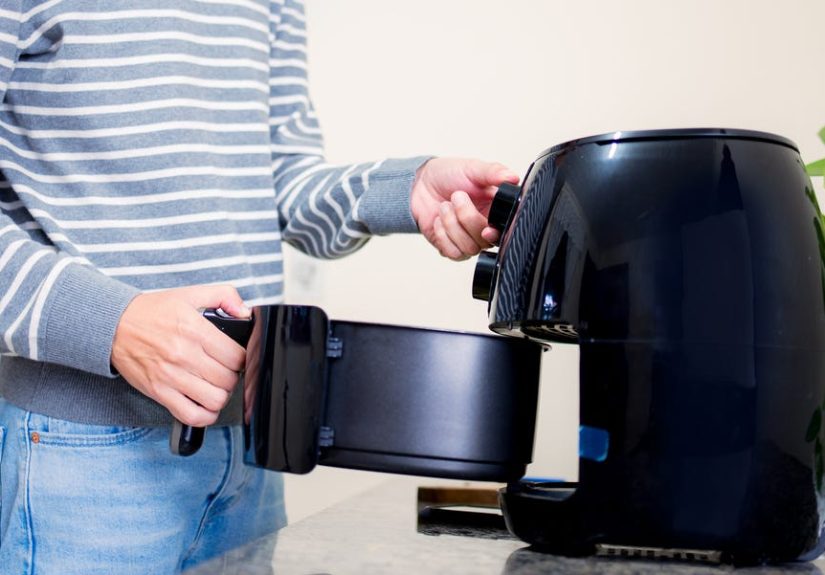
Air fryers are fast, convenient, and basically the MVP of weeknight dinners. But they’re also electrical appliances
with heating elements, a fan, vents, and internal parts that were never designed to host a hot bubble bath.
In this article, we’ll break down why this hack is risky, what can go wrong, and the safer ways to get your air fryer
sparklingwithout turning your kitchen into a suspense film.
The Viral “Steam-Clean” Hack Everyone Keeps Trying
The hack usually looks like this:
- Pour warm or cold water into the air fryer basket/drawer (often halfway up).
- Add dish soapor drop in a dishwasher tablet/pod.
- Run the air fryer for a few minutes (anywhere from 3 to 15 minutes, often at high heat).
- Dump the water, rinse, and supposedly enjoy a “like-new” basket.
It sounds logical because we associate steam with cleaning (hello, steam mops and garment steamers).
But an air fryer is not a steam cleaner. It’s a compact convection oven: a heating element plus a powerful fan
that circulates hot air at high speed. The “steam-clean” idea ignores how air fryers are actually builtand what happens
when water and electronics start sharing personal space.
Why This Cleaning Hack Can Be Dangerous
1) Water + Electrical Components Is a Bad Romance
Air fryers have electrical components that aren’t meant to be exposed to splashing, boiling, or prolonged steam.
Even if the water stays in the basket at first, agitation from airflow and bubbling can cause droplets to bounce or slosh.
Depending on the model, water can also drip through basket perforations or seams and reach areas you never intended to “wash.”
Best-case scenario: the air fryer gets weird, stops working, or trips a breaker. Worst-case scenario:
you create a short, damage wiring, or trigger overheating. And yeselectric shock risk is real when moisture gets where it shouldn’t,
especially if someone touches the unit, cord, or plug with wet hands or on a wet counter.
2) Steam Can Travel Into Places You Can’t See (and Can’t Dry)
Steam doesn’t politely stay in the basket. It rises, condenses, and can settle inside the upper chamber near the heating element and fan.
That moisture can cling to internal surfaces and crevices, encouraging corrosion over time and leaving behind detergent residue.
Once residue bakes onto hot surfaces, it can create odors, smoke, and stubborn gunk that’s harder to remove than whatever you started with.
3) Dishwasher Pods Are Not “Magic Cleaning Candy”
Dishwasher detergents are typically far more alkaline and concentrated than regular dish soap. They’re formulated for a dishwasher’s controlled
rinse cycles and drainagenot for being heated in a small appliance with a fan blasting. Using them can:
- Leave a chemical film that’s difficult to rinse completely.
- Break down or dull nonstick coatings over time.
- Create harsh fumes when heated (especially if residue lingers on hot surfaces).
- Increase skin/eye irritation risk when you dump hot, detergent-heavy water.
4) It Can Cause Burns Faster Than You Can Say “Life Hack”
Dumping hot, soapy water from an awkward basket isn’t exactly a spa treatment for your hands.
People get splashed. They grip the basket wrong. They tilt it and the water sloshes unexpectedly.
Add detergent (which makes water feel “slippery”), and you’ve got a recipe for spills and burns.
5) It’s Often IneffectiveSo You Take on Risk for Minimal Reward
Here’s the ironic part: even when nothing dramatic happens, the hack frequently doesn’t do much.
Grease buildup in air fryers tends to be sticky and polymerized (basically “baked-on”), especially near the heating element.
A few minutes of lukewarm-ish water in a basket doesn’t reliably dissolve that.
So you end up still scrubbingjust with extra danger, extra mess, and a damp appliance that now needs time to dry.
What to Do Instead: The Safe, Actually-Works Cleaning Routine
The goal is simple: remove grease before it bakes into a permanent relationship with your air fryer.
You don’t need drama. You need consistency.
After Every Use (The 5-Minute Reset)
- Unplug the air fryer and let it cool until safe to touch.
- Remove the basket/tray and wash with warm, soapy water using a soft sponge (no steel wool, no abrasive pads).
- Soak first if food is stuck10 to 20 minutes in warm soapy water beats “boil it inside the appliance.”
- Wipe the interior with a barely damp cloth (not dripping) to remove splatters.
- Dry everything thoroughly before reassembling.
Weekly (or After Greasy Foods): Deep Clean Without the Danger
- Basket and tray: Soak in warm, soapy water. Use a soft brush for corners and mesh.
- Stubborn residue: Make a paste of baking soda + a little water. Apply, wait 10–15 minutes, then gently wipe away.
- Exterior: Damp cloth with mild soap, then wipe dry. Avoid harsh sprays that can leave residues or fumes.
The Heating Element: Where the Real “Mystery Smoke” Lives
If your air fryer ever starts smoking, tasting “off,” or smelling like last month’s wings, check the heating element area.
That’s where grease can collect and carbonize.
- Make sure the unit is unplugged and fully cool.
- If your model allows it, carefully tilt the unit (resting it on a towel) to access the top.
- Use a cloth lightly dampened with warm, soapy water and wrung out extremely wellthink “barely moist.”
- For stuck-on spots, use a soft brush or a non-abrasive sponge. Go gentlescraping can damage coatings.
- Let the unit air dry completely before plugging it back in.
Common “Cleaning Shortcuts” That Can Backfire
Abrasive Scrubbing Tools
Steel wool and aggressive scrub pads can scratch nonstick surfaces. Scratches trap grease and make future cleaning harder.
They can also shorten the life of the coatingmeaning more sticking, more smoke, and more “why is my air fryer angry?” moments.
Harsh Chemicals
Strong oven cleaners, bleach, or ammonia-based cleaners don’t belong in or on an air fryer’s cooking chamber.
Residues can linger and may produce unpleasant or unsafe fumes when heated.
Stick with mild dish soap, baking soda paste, and manufacturer-approved approaches.
Liners Used the Wrong Way
Parchment or foil can be helpful, but blocking airflow can reduce performance and increase smoke.
Loose parchment can also fly into the heating element if it isn’t weighed down by food.
Always cut liners to size and keep them from touching the element.
Quick Safety Checklist (Because Your Smoke Detector Has Feelings)
- Never pour water into the appliance base or run the air fryer with water sloshing inside.
- Always unplug before cleaning, and keep the plug/cord away from wet areas.
- Clean grease regularlybuildup near the heating element is a known fire risk in many kitchen appliances.
- Don’t run the air fryer unattended, especially if it’s smoky, dirty, or acting unusual.
- Give it breathing roomavoid pushing it tight against walls or under low cabinets where heat can build up.
- Check for recalls and follow manufacturer guidance for your specific model.
FAQ: The Stuff Everyone Asks Right After Googling “Air Fryer Cleaning Hack”
Can I put air fryer parts in the dishwasher?
Many baskets and trays are dishwasher-safe, but not alland frequent dishwasher cycles can wear nonstick coatings over time.
If you do use a dishwasher, place parts as recommended by the manufacturer and avoid harsh detergents when possible.
Is vinegar safe for cleaning?
Vinegar can help with odors and light residue, but don’t rely on it as a miracle degreaser for heavy buildup.
More importantly: avoid “running a bowl of vinegar water” inside the air fryer as a steam trick.
Wipe surfaces instead, and keep moisture minimal around the heating element and fan.
Why does my air fryer smoke?
The usual suspects are grease buildup, leftover food bits near the heating element, or residue from sprays and marinades.
A proper deep cleanespecially around the heating elementoften fixes it.
Conclusion
The “soapy water + turn it on” air fryer cleaning hack is tempting because it promises the one thing we all want:
a spotless appliance with zero effort. But it’s a risky shortcutwater and detergent don’t belong in a running air fryer,
and the potential downsides (damage, shorts, shock risk, burns, even fire) are way bigger than the payoff.
The safer truth isn’t flashy, but it works: unplug, cool, wash removable parts the normal way, wipe the interior gently,
and keep the heating element area from turning into a grease museum. Your air fryer will last longer, cook better,
and stop smelling like a haunted carnival.
Bonus: Real-World Experiences When the Hack Meets Reality (Extra )
People try this hack for the same reason they try any hack: they’re tired. Dinner happened. The basket looks like it went
three rounds with sticky barbecue sauce. And the idea of scrubbing tiny grooves with a sponge feels like punishment for
choosing “quick and easy” cooking in the first place.
What often happens next is a classic kitchen plot twist: the hack seems to workuntil it doesn’t.
In the “best” outcomes, the water warms slightly, the soap loosens a thin film, and the basket looks a little better.
That small improvement can be deceptive. It tricks people into thinking the method is harmless and repeatable,
like a tiny dishwasher living inside the air fryer drawer. But the hardest grime in an air fryer isn’t the stuff
sitting politely on the basket floorit’s the grease mist that has traveled upward and settled near the heating element.
The hack doesn’t reliably touch that area, which is why the fryer can still smell or smoke afterward.
In more frustrating outcomes, users notice a new issue immediately: a stubborn soapy odor that won’t quit.
That’s often detergent residue clinging to surfaces and then reheating the next time the fryer runs.
Some people respond by rinsing more aggressively (more water, more splashing, more risk), or by running the fryer empty
to “burn off” the smellcreating even more odor and sometimes visible smoke. The air fryer becomes the kitchen equivalent
of a group chat argument: you did one thing, and now it’s escalating.
Another common experience is the “where did that water go?” moment. Even if nothing spills dramatically,
moisture can creep into seams, corners, and vents. The fryer may still work, but it takes longer to preheat, sounds different,
or develops inconsistent cooking. Sometimes the change is subtlefood isn’t as crisp, or a faint metallic smell appears.
And because the hack happened days ago, people don’t always connect the dots.
Then there’s the dishwasher pod version, which can feel like an instant upgradeuntil the basket’s finish starts looking dull,
or the nonstick performance declines. When food begins to cling, users scrub harder, which scratches more, which makes sticking worse.
It’s a messy little spiral that turns “saving time” into “why am I shopping for replacement parts at midnight?”
The most consistent “experience,” though, is psychological: once someone learns a safer deep-clean routinesoak, gentle scrub,
and a careful wipe-down of the heating elementthey usually say the same thing: “Oh… that’s it?”
Because it turns out the real secret isn’t steam-bathing your air fryer. It’s preventing buildup before it becomes a science project.