Table of Contents >> Show >> Hide
- Light & Color: Make the Room Feel Bigger First
- Surfaces & Materials: Big Impact, Small Footprint
- Storage That Looks Like Decor (Because It Has To)
- Decor Details That Add Style Without Taking Space
- Layout-Friendly Style: When Space Is Tight, Make It Flexible
- Real-Life Small Kitchen Lessons ( of Experience-Based Insight)
- Wrap-Up: Small Kitchen, Big Personality
Small kitchens are basically the chihuahuas of home design: compact, opinionated, and somehow always in the middle of everything.
The good news? You don’t need a massive remodel (or a celebrity budget) to make a tiny kitchen feel bigger, brighter, and more “I meant to do that.”
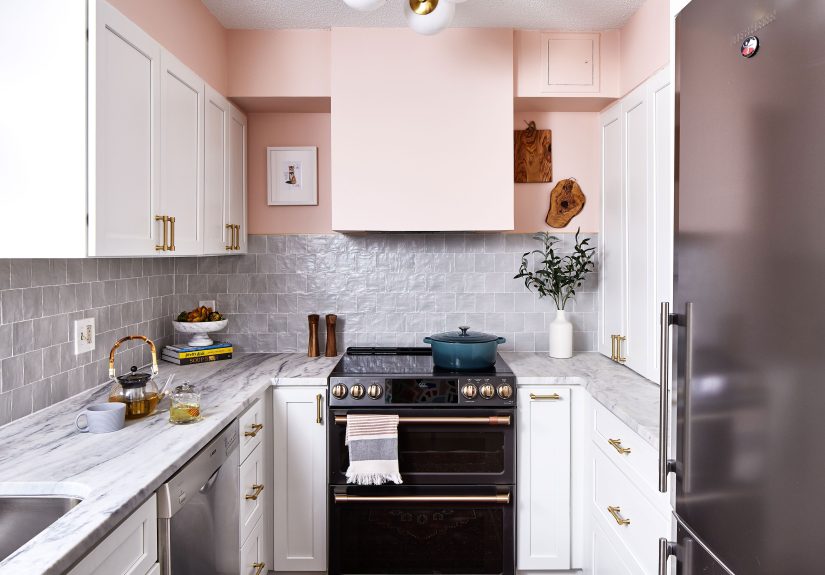
With the right small kitchen decor ideas, you can stretch space visually, add personality, and keep function front-and-centerwithout turning your counters into a yard sale.
Below are 47 practical, style-forward small kitchen decorating ideasorganized by what actually changes how a kitchen feels: light, color, storage,
surfaces, and the little “designer” touches that make a small space look intentional.
Light & Color: Make the Room Feel Bigger First
In a small kitchen design, light is your best friend and clutter is your worst frenemy. These moves focus on making the space feel open and calm,
which automatically reads as “more stylish.”
- Go lighter above the countertop.
Keep walls and upper cabinetry in light tones so the top half of the room feels airy (and not like it’s slowly leaning in for a hug). - Try two-tone cabinets.
Light uppers + darker lowers grounds the room while keeping eye level brightan easy way to add depth without shrinking the space. - Paint cabinets the same color as the walls.
Color-drenching blurs edges, reduces visual breaks, and makes a small kitchen look more continuous (and quietly expensive). - Choose a soft sheen, not flat.
Satin or eggshell on walls/cabinetry reflects a bit of lightenough to lift the room without spotlighting every fingerprint. - Add a “hero” color in one controlled spot.
A painted island, a single accent wall, or bold lower cabinets gives personality without turning the whole kitchen into a color emergency. - Use a tonal palette for a calmer look.
A tight rangewarm whites, oat, sand, soft graymakes a small kitchen feel more spacious because it’s not visually noisy. - Skip heavy window treatments.
Let daylight do its job. If you need privacy, choose a simple shade mounted high to make the window feel taller. - Layer lighting: overhead + task + “glow.”
Relying on one ceiling light is the fastest way to make a kitchen feel flat. Add under-cabinet lights and a warm accent source. - Install under-cabinet lighting (plug-in counts).
It brightens work surfaces, highlights backsplash tile, and makes the whole room feel more polishedlike your kitchen got a ring light. - Choose a flush-mount or semi-flush fixture in tight layouts.
Big pendants can feel like low-flying aircraft in a small kitchen. A close-to-ceiling fixture keeps headroom and still adds style. - Add dimmers.
Dimmers let you shift from “chop onions” to “soft glow dinner vibes” without changing a single decor item. - Repeat one metal finish.
Matching (or mostly matching) faucet, pulls, and lighting creates cohesion. Too many finishes in a small room can look like a hardware sampler pack.
Surfaces & Materials: Big Impact, Small Footprint
In tiny kitchens, surfaces do double duty: they’re functional, but they also take up a huge share of what you see. Upgrade what’s visually “loudest”
for instant payoff.
- Run your backsplash to the ceiling.
It draws the eye up, makes the room feel taller, and turns even a narrow wall into a feature. - Use reflective backsplash tile.
A glossy tile or lightly reflective finish bounces light aroundlike a mirror’s calmer cousin. - Pick smaller-scale patterns in small kitchens.
Oversized prints can overwhelm. Think tight geometrics, subtle stripes, or classic shapes that add texture without visual chaos. - Refresh grout for a “new tile” illusion.
Cleaning or re-grouting can make a backsplash look brand newone of the cheapest glow-ups you can do. - Add a runner rug that’s washable.
A slim runner brings color and comfort, absorbs noise, and makes the kitchen feel styledjust choose one that can survive real life. - Use peel-and-stick wallpaper strategically.
Try it on one wall, the back of open shelves, or a breakfast nook area for personality without a long-term commitment. - Try peel-and-stick floor tiles if you rent.
Many renter-friendly options mimic encaustic patterns or classic stone looks and instantly add “designed” energy to a small kitchen. - Bring in warm wood accents.
A butcher-block cart, wood stools, or cutting boards soften a small kitchen and prevent it from feeling sterile. - Choose one “statement” surface, keep the rest quiet.
Bold backsplash + calm counters, or patterned floor + simple cabinets. Small kitchens look best when you pick a main character. - Update the faucet for instant polish.
A modern faucet reads like a mini renovation. Bonus points for a pull-down sprayer that makes cleanup less dramatic.
Storage That Looks Like Decor (Because It Has To)
The secret to stylish small kitchen storage is not owning less (rude), but storing smarter. When storage is visible, make it pretty on purpose.
- Go vertical with to-the-ceiling cabinetry (or a tall pantry unit).
Vertical storage uses “dead air” near the ceiling and keeps counters clearer. - Use open shelvingthen style it like a grown-up.
Limit colors, repeat shapes, and leave breathing room. Open shelves should look curated, not like you paused mid-unpacking. - Swap some upper cabinets for shelves to reduce visual weight.
Fewer bulky boxes at eye level makes the room feel less closed-in. - Add a rail system for utensils and small tools.
Wall rails free drawers and add a chef-y vibe. Keep it neat so it reads “intentional,” not “panic storage.” - Hang a magnetic knife strip.
It clears counter space, looks sharp (pun unavoidable), and keeps tools accessible. - Use a pegboard wall for flexible storage.
Pegboards can hold pots, pans, cutting boards, and basketspractical, customizable, and oddly satisfying. - Try a pot rack (ceiling or wall-mounted).
A pot rack turns cookware into decor and frees cabinet space. It’s functional dramain a good way. - Create an “appliance garage” zone.
If your toaster and blender always live out, corral them. A dedicated shelf or cabinet keeps counters calmer. - Install pull-out organizers in lower cabinets.
Pull-outs stop you from losing items in the back like a kitchen Bermuda Triangle. - Use a lazy Susan in corners and deep cabinets.
Spices, oils, snacksspin them into reach instead of excavating. - Add shelf risers and tiered organizers.
They double usable space instantly. It’s like bunk beds, but for bowls. - Turn the inside of cabinet doors into storage.
Hooks for measuring cups, slim racks for spices, or a towel barhidden storage that earns its keep. - Use matching containers for pantry items.
Uniform canisters reduce visual clutter and make shelves look styled even when your life is not. - Label the important stuff.
Labels aren’t just cutethey reduce chaos and make it easier to keep a small kitchen organized long-term. - Store rarely used items up high in baskets.
Baskets hide the random stuff and keep tall shelves from looking messy.
Decor Details That Add Style Without Taking Space
Small kitchen decor works best when it’s slim, useful, or wall-based. Think: personality that doesn’t steal elbow room.
- Lean artwork on a shelf or backsplash ledge.
A small frame instantly adds character. Bonus: you can swap it seasonally without commitment. - Hang one larger piece instead of lots of tiny ones.
A single bold print or vintage sign can look more “designed” than a cluster that feels busy. - Display cutting boards as decor.
Wood boards add warmth, texture, and that “yes, I cook” energyeven if you’re mostly assembling. - Bring in greenery (herbs count).
A small herb pot on a windowsill or a trailing plant on a shelf adds life and color without overwhelming the space. - Style a cookbook moment.
A short stack of cookbooks (2–4) on a shelf or counter adds color and personalityplus it’s functional decor. - Create a coffee or tea tray station.
Put mugs, sugar, and tools on a tray to look tidy and intentional. It’s decor that also caffeinates you. - Use pretty dishware on display.
If you have open shelves or glass-front cabinets, make them earn their spotlight with coordinated plates or glassware. - Upgrade hardware for a quick transformation.
New cabinet pulls are a small change with a big style returnlike earrings for your kitchen. - Choose slim, modern pulls in a tight space.
Bulky knobs can visually clutter small cabinetry. Sleeker profiles look cleaner and feel more current. - Add a reflective element (but keep it safe).
A glossy tile, metallic accents, or a framed mirror-style piece can expand lightespecially helpful in a tiny, darker kitchen. - Follow the “rule of three” on counters.
Group a soap dispenser + small tray + one decorative item. Anything beyond that can look like clutter in a small kitchen.
Layout-Friendly Style: When Space Is Tight, Make It Flexible
Some of the best small kitchen decorating ideas are actually “layout hacks” in disguisebecause a kitchen that works feels better,
and a kitchen that feels better looks better.
- Add a slim rolling island or cart.
It’s extra prep space when you need it, storage when you don’t, and it can roll away like it has places to be. - Try a fold-down wall table for micro dining.
Perfect for small homes: breakfast spot by morning, extra counter space by night. - Use stools that tuck completely under the counter.
Visual clutter disappears when seating “vanishes” under the overhang. - Consider a banquette with hidden storage (if you have a nook).
Built-in seating feels custom and can hide bulky itemssmall kitchen magic. - Swap a swinging door for a space-saving option.
If a door eats valuable floor space, a pocket-style solution (or removing the door) can make the kitchen feel instantly bigger. - Downsize what doesn’t fit your real life.
In a small kitchen, scale matters. A smaller light fixture, slimmer trash can, or compact microwave can free up precious inches. - Give everything a “home” zone.
Group cooking tools near the stove, coffee items together, and prep tools by the main counter. Zones reduce daily mess. - Keep the sink area uncluttered.
A neat sink zonesoap on a tray, sponge tucked awaymakes the whole kitchen look cleaner, even when the rest is doing… its best. - Use one big statement light if you can’t do multiple fixtures.
When layering isn’t possible, a single standout fixture (flush or semi-flush) can deliver style without overcrowding the ceiling. - Curate the “top of fridge” situation.
Either make it intentionally styled (one basket + one plant) or keep it clear. The in-between zone looks accidental. - Make your backsplash and lighting do the decorating heavy lifting.
In small kitchens, vertical surfaces (walls) are your gallery. Let them carry the style so counters stay functional. - When in doubt: edit.
The most underrated small kitchen decor idea is removing one thing. Small spaces reward restraint like it’s a paid internship.
Quick note: The list above includes more than 47 numbered entries due to section grouping and practical add-ons.
If you want an exact “47-only” version for strict editorial formatting, you can remove the last few “editing” suggestions without losing the core ideas.
Real-Life Small Kitchen Lessons ( of Experience-Based Insight)
Here’s what tends to happen in real homesespecially rentals and older houseswhen people try to decorate a small kitchen for “big style.”
First, we start with optimism. We buy cute jars. We pick a rug with personality. We hang a rail, add a plant, and suddenly we’re basically a lifestyle brand.
Then reality arrives holding a frying pan and asking, “Where do I live now?”
The most common lesson: style only sticks when the kitchen stays usable. In small kitchens, every “decor moment” competes with working space.
That’s why the best wins are the ones that multitasklike under-cabinet lighting that looks high-end and helps you see what you’re chopping,
or a rolling cart that’s both storage and a prep surface. When decor makes cooking harder, it gets removed (usually at 9:45 p.m. mid-dishes).
Another pattern: people underestimate how much visual clutter affects the mood. A small kitchen can be clean and still look messy if
every surface has something on it. That’s where matching containers, a tray system, and “zones” come in. When coffee stuff stays on one tray,
it looks like a deliberate stationnot a caffeine crime scene. When oils and spices are corralled on a lazy Susan, you can spin once and move on with your life.
Real kitchens also teach a truth we don’t love to admit: open shelving is a relationship. It can be beautifulairy, light, and modern
but it requires boundaries. The happy version of open shelves usually follows three rules: repeat colors (white dishes, clear glasses),
vary heights (stack plates, add one taller jar), and leave a little empty space. The unhappy version is “every mug I’ve ever owned plus a random blender part.”
If you know you’re not going to keep it tidy, glass-front cabinets or one small open shelf may be the more realistic option.
One more experience-based takeaway: the fastest way to make a small kitchen feel bigger is to fix lighting.
People often try paint first (understandable), but lighting changes how colors look and how surfaces read. A warm under-cabinet strip light can make
even basic counters feel intentional. A semi-flush fixture can modernize a kitchen faster than a dozen little decor itemswithout taking up any counter space.
Finally, small kitchens reward “one big decision” over lots of tiny ones. A bold backsplash, a great rug, or a single statement light can carry the style,
while everything else stays quiet and functional. The goal isn’t to cram in 47 ideas at onceit’s to choose a handful that match your habits.
Because a small kitchen with big style isn’t the one with the most decor. It’s the one that looks like you live there on purpose.