Table of Contents >> Show >> Hide
- Why Do Your Eyes Feel So Dry?
- Types of Eye Drops for Dry Eyes
- Popular Eye Drops to Discuss With Your Doctor or Pharmacist
- How to Choose the Best Eye Drops for Your Dry Eyes
- How to Use Eye Drops Safely and Effectively
- When Eye Drops Aren’t Enough: Prescription Options and Professional Help
- Real-Life Experiences: What People Learn While Finding the Best Eye Drops
If you’ve ever blinked your way through a workday, rubbed your eyes during a Netflix binge, or felt like your eyeballs were coated in sandpaper, welcome to the dry eye club. The good news? The right eye drops can make a huge difference. The tricky part is figuring out which ones are truly the best eye drops for dry eyes for you – because the shelves are packed with bottles that all promise soothing, long-lasting relief.
This guide breaks down the main types of eye drops, how they work, popular over-the-counter options, and how to choose the formula that fits your eyes, your lifestyle, and your budget. We’ll also talk about when over-the-counter artificial tears aren’t enough and it’s time to see an eye care professional.
Why Do Your Eyes Feel So Dry?
Dry eye isn’t just “not enough tears.” Your eye’s surface is protected by a delicate tear film made of three layers: an oily (lipid) layer, a watery (aqueous) layer, and a mucin layer that helps tears spread evenly. When any of these layers are off, your eyes can feel dry, gritty, burning, or just…wrong.
Common reasons your tear film goes out of balance include:
- Screen time overload: Staring at screens makes you blink less, so your tears evaporate faster.
- Age and hormones: Dry eye is more common as you get older and in people experiencing hormonal changes, such as during menopause.
- Environment: Air conditioning, heaters, airplane cabins, fans, and windy weather dry out your tear film.
- Contacts: Contact lenses can disrupt normal tear distribution on the eye’s surface.
- Health conditions and medications: Autoimmune diseases, allergies, some blood pressure medicines, antidepressants, and others can contribute to dryness.
Eye drops for dry eyes – usually called artificial tears or lubricating eye drops – help by restoring moisture and improving the tear film so your eyelids glide more smoothly across the surface of the eye.
Types of Eye Drops for Dry Eyes
Not all “wet stuff in a bottle” is created equal. Understanding the main types of eye drops helps you pick what your eyes actually need.
1. Classic Artificial Tears (Lubricating Eye Drops)
These are your everyday dry eye workhorses and usually the best first stop for mild to moderate symptoms. They’re designed to mimic natural tears and often contain ingredients like:
- Carboxymethylcellulose (CMC) or hydroxypropyl methylcellulose: Help the drop stay on the eye longer for more lasting lubrication.
- Glycerin, polyethylene glycol, or propylene glycol: Humectants that draw and hold moisture.
- Hyaluronic acid (HA): A super-hydrating molecule that binds water and can improve comfort and tear film stability.
Artificial tears are available in regular or slightly thicker “gel” formulas. They’re great for:
- Occasional dryness from screens, air travel, or long days
- Mild chronic dry eye symptoms
- Daytime use when you don’t want blurry vision
2. Gel Drops
Gel eye drops are like artificial tears’ clingy cousin – thicker and longer-lasting. They’re ideal if your eyes dry out quickly or you don’t want to reapply drops every hour. Many people use:
- Standard drops during the day
- Gel drops in the evening or before activities that dry the eyes out
They may cause momentary blurriness, but you’re rewarded with longer relief.
3. Lubricating Ointments
Eye ointments are the heavy-duty option for severe dryness, especially overnight. They’re petroleum- or mineral oil–based and stay on the eye much longer than liquid drops. Because they blur your vision, they’re usually recommended before bed, not for daytime errands or driving.
4. Lipid-Based (Oil-Containing) Eye Drops
If your dry eye is caused mainly by evaporative dry eye – often tied to meibomian gland dysfunction (the oil glands in your eyelids) – you may benefit from lipid-based eye drops. These drops contain oils (like mineral, castor, or flaxseed oil) that help strengthen the oily layer of your tears and slow evaporation.
Clues you might have evaporative dry eye include:
- Burning or stinging that’s worse in windy or air-conditioned environments
- Symptoms that flare after long screen use
- Oily or crusty eyelids (often linked with blepharitis or meibomian gland issues)
5. Preservative vs. Preservative-Free Eye Drops
This is one of the most important decisions when choosing the best eye drops for dry eyes.
- Preserved drops: Contain preservatives (like benzalkonium chloride or “disappearing” preservatives such as Purite) to keep multi-dose bottles sterile. They’re usually fine for people who use drops just a few times a day.
- Preservative-free drops: Come in single-use vials or special multi-dose systems that keep the liquid sterile without preservatives. These are often better if:
- You use drops more than about 4–6 times per day
- You have moderate to severe dry eye
- You’ve had eye surgeries or have very sensitive eyes
Preservative-free eye drops cost more but are gentler for frequent use and long-term dry eye relief.
6. Allergy Eye Drops
If your dry, itchy eyes are triggered by pollen, dust, or pet dander, an antihistamine or anti-allergy eye drop may help. Look for products specifically labeled for allergies. Many people with allergy-related dryness still need artificial tears in addition to allergy drops to keep the eye surface comfortable.
7. Redness-Relief Drops (Use Carefully)
Those “get the red out” drops look tempting – but they’re rarely the best eye drops for dry eyes. They work by constricting tiny blood vessels on the eye’s surface. Over time, this can cause “rebound redness,” where your eyes actually look redder when the drops wear off.
If redness is your main symptom, it’s better to talk with an eye doctor about the underlying cause instead of relying on vasoconstrictor drops long-term.
Popular Eye Drops to Discuss With Your Doctor or Pharmacist
Everyone’s eyes are different, so there’s no single “best” brand for dry eyes. But there are some widely used over-the-counter products that eye care professionals frequently mention. Here are examples of categories and products you might see on store shelves (always read labels and ask a professional if you’re unsure):
- Everyday artificial tears (solution):
- Carboxymethylcellulose-based drops such as many “Tears” or “Relief” formulations
- Glycerin- or polyethylene glycol–based drops marketed for mild to moderate dry eye relief
- Gel or “extended relief” drops:
- Gel formulations designed to last longer between blinks
- Hybrid liquid-gel drops for people who want more cushioning but still need clear vision
- Lipid-based drops:
- Oil-containing lubricating drops marketed for evaporative dry eye or meibomian gland dysfunction
- Single-use, preservative-free vials:
- Individually packaged artificial tears in vials you discard after opening
- Thicker preservative-free formulas that are helpful for more severe symptoms
- Nighttime ointments and gels:
- Petroleum- or mineral-oil–based eye ointments
- Extra-thick gels marketed specifically for overnight dry eye protection
These examples are for general education, not a ranked list or endorsement. The best eye drops for your dry eyes depend on your specific diagnosis, other health conditions, and how often you plan to use them.
How to Choose the Best Eye Drops for Your Dry Eyes
When you’re staring at a wall of eye drop boxes, use these questions to narrow down your options.
1. What Kind of Dry Eye Do You Have?
Most people fall into one of these categories (or a blend of both):
- Evaporative dry eye: Your tears evaporate too quickly because the oily layer is weak. You may benefit from lipid-based artificial tears plus eyelid hygiene and warm compresses.
- Aqueous-deficient dry eye: You don’t make enough of the watery component of tears. Regular artificial tears, gels, and sometimes prescription drops may be recommended.
An eye doctor can examine your tear film and meibomian glands to tell you which type (or combination) you have. Matching the drop type to the problem can make a huge difference in relief.
2. How Often Do You Plan to Use Eye Drops?
Frequency matters:
- Occasional use (a few times per week): Standard, preserved artificial tears are usually fine.
- Daily use (1–4 times per day): Look for high-quality lubricating drops, and consider preservative-free if you’re sensitive.
- Very frequent use (5–6+ times per day): Preservative-free artificial tears are usually preferred to reduce irritation from preservatives.
3. Do You Wear Contact Lenses?
If you wear contacts, don’t just grab any bottle. Use only drops labeled safe for contact lenses, or remove your lenses before using regular artificial tears and follow the instructions about how long to wait before reinserting them.
If your contacts always feel dry by mid-afternoon, that’s a sign to talk with your eye care provider about lens type, wear schedule, and your dry eye treatment plan.
4. Which Ingredients Work Best for You?
If one brand didn’t help much, that doesn’t mean all eye drops are useless. You may simply need a different base ingredient or texture. Consider:
- CMC or HA-based drops if you want a more “cushiony” feel
- Oil-containing drops if you’ve been told you have meibomian gland dysfunction or evaporative dry eye
- Thicker gels if your eyes feel dry again within minutes of using liquid drops
Keep a simple “eye diary” for a week or two: note which drop you used, when, and how your eyes felt afterward. This can help you and your doctor spot patterns and choose better products.
5. Ingredients and Products to Be Cautious With
In general, for dry eye relief:
- Avoid relying on redness-relief drops for daily use unless your eye doctor specifically recommends them.
- Be careful with multi-symptom allergy + redness + lubrication” combos – they can be useful short-term but may not be ideal as your main dry eye therapy.
- Don’t use old or contaminated bottles. Once a bottle has been open longer than the label suggests (often 30–90 days), it’s time to replace it.
How to Use Eye Drops Safely and Effectively
Using the best eye drops for dry eyes won’t help much if they never actually make it into your eye or if they get contaminated. A quick refresher:
- Wash your hands with soap and water.
- Shake the bottle if the label instructs you to.
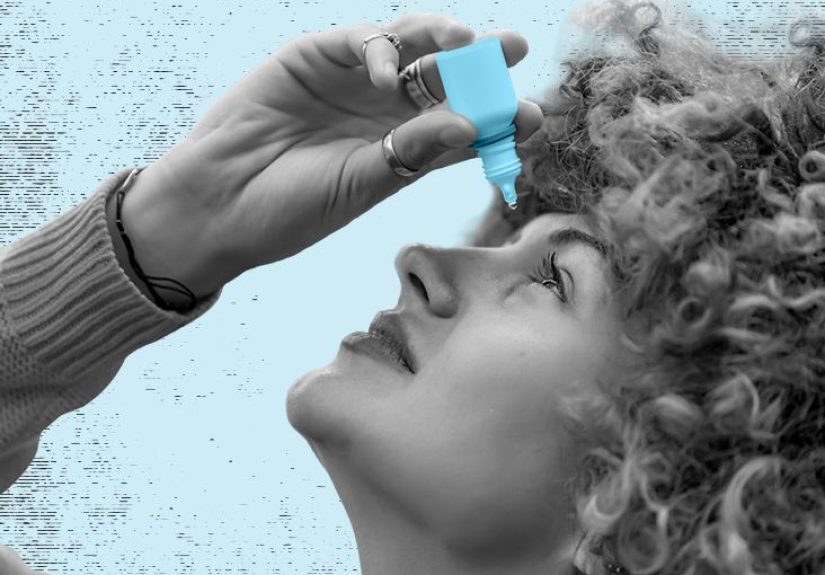
- Tilt your head back and gently pull down your lower eyelid to create a small pocket.
- Hold the bottle above your eye (not touching it!) and squeeze out one drop into the pocket.
- Close your eyes gently for 30–60 seconds. You can press a fingertip lightly at the inner corner of your eye to reduce drainage into your nose and throat.
- Blot excess with a clean tissue.
- If you use more than one type of drop, wait at least 5–10 minutes between different medications so the second one doesn’t wash out the first.
- For single-use vials, discard them after use; don’t recap and save for later unless the label specifically allows it and you follow the time limits.
When Eye Drops Aren’t Enough: Prescription Options and Professional Help
If you’re using good-quality artificial tears diligently and still have burning, blurred vision, sensitivity to light, or pain, it’s time to see an eye doctor. Dry eye disease can be more than just an annoyance; left untreated, it may affect vision and the health of the eye’s surface.
Depending on the cause and severity of your dry eye, your doctor may suggest:
- Prescription anti-inflammatory eye drops that help your eyes make better-quality natural tears
- Short-term steroid eye drops for flare-ups, monitored carefully
- Newer prescription dry eye drops that support tear production and nerve function
- In-office treatments for meibomian gland dysfunction or eyelid inflammation
- Tear duct plugs (punctal plugs) to help conserve your natural tears
Because some dry eye is related to autoimmune disease, hormone changes, or other systemic issues, your eye doctor may coordinate care with your primary care clinician or specialist as well.
Real-Life Experiences: What People Learn While Finding the Best Eye Drops
Dry eye may be a medical condition, but the process of finding the right relief feels very human. Here are some common “lessons learned” and experiences people share while hunting for the best eye drops for dry eyes.
“The First Drops I Tried Weren’t Magic – and That’s Okay”
Many people expect the first bottle they buy to feel like a miracle in a cap. Instead, they get five minutes of relief, then the burning comes back. That can be discouraging, but it doesn’t mean drops won’t work for you. Often, the first attempt is:
- A basic artificial tear when you really need a gel or a lipid-based drop
- A preserved drop used very frequently, which can cause extra irritation
- The wrong product for your environment (for example, you work in a windy warehouse but grabbed a super-thin drop)
People who eventually find good relief usually treat dry eye like a process, not a one-time purchase. They keep notes, pay attention to when symptoms are worst, and share that info with their eye doctor.
“Preservative-Free Was a Game Changer for Me”
A very common story: someone uses standard drops all day long, their eyes keep getting redder, and they assume their dry eye is just “severe.” Then an eye doctor switches them to preservative-free artificial tears and has them use them on a regular schedule instead of randomly. For many people with sensitive eyes, that one switch – removing preservatives from something used 8–10 times a day – makes comfort dramatically better.
Yes, preservative-free vials cost more and create a bit more packaging. But a lot of long-term dry eye patients describe them as non-negotiable once they’ve felt the difference.
“I Thought It Was Just Screen Time – Turned Out to Be Meibomian Gland Dysfunction”
Another common experience: someone spends all day at a computer, so when their eyes burn and water, they blame blue light, their job, or not drinking enough water. Eventually they see an eye care professional who examines the eyelids and oil glands and finds meibomian gland dysfunction.
With a combination of warm compresses, lid hygiene, and a switch to lipid-based artificial tears, their symptoms improve more than they ever did with standard drops alone. The big takeaway: understanding why your eyes are dry guides which “best eye drops” you actually need.
“Nighttime Treatment Saved My Mornings”
Some people feel fine all day but wake up with glued-shut, burning, or extremely dry eyes. For them, daytime artificial tears help a bit, but the real breakthrough is adding a nighttime gel or ointment plus a humidifier near the bed.
Yes, ointments can be messy and make your vision blurry when you first put them in. But if you put them in right before sleep, many people wake up far more comfortable and need fewer drops the next day. For those with eyelids that don’t close completely during sleep, nighttime lubrication can be a game changer.
“Eye Drops Helped, but Lifestyle Changes Sealed the Deal”
Plenty of people learn that the best eye drops for dry eyes are just one part of a bigger toolkit. They get the best results when they combine good drops with:
- Taking regular screen breaks and consciously blinking more
- Running a humidifier in dry rooms or offices
- Wearing wraparound sunglasses outside on windy days
- Staying hydrated and eating a balanced diet that includes healthy fats
Dry eye relief often comes from stacking small, smart habits – and the right eye drop is one of the most important of those habits.
Bottom line: The best eye drops for dry eyes are the ones that match your type of dry eye, fit how often you need to use them, and work well with your overall eye health plan. If you’ve already tried a couple of over-the-counter options and still feel miserable, that’s not a sign to give up – it’s your cue to partner with an eye care professional and get a personalized plan.