Table of Contents >> Show >> Hide
- What Is the Sun Joe Dethatcher, Exactly?
- How Does the Sun Joe Electric Lawn Dethatcher Actually Work?
- How to Use a Sun Joe Dethatcher Step-by-Step
- Sun Joe Dethatcher Models: AJ801E vs. AJ805E and More
- Pros and Cons of the Sun Joe Electric Dethatcher
- Sun Joe Dethatcher Reviews: What Real Owners Say
- When and How Often Should You Use a Sun Joe Dethatcher?
- FAQ: Sun Joe Dethatcher Basics
- Real-World Experiences and Extra Tips with the Sun Joe Dethatcher
- Conclusion: Is the Sun Joe Dethatcher Right for You?
If your lawn looks tired, patchy, or a bit like it drank too much sun and not enough water, there’s a good chance thatch is the culprit. Instead of spending a weekend destroying your shoulders with a rake, many homeowners are turning to electric dethatchers like the Sun Joe. But how does the Sun Joe dethatcher actually work, and is it really worth the hype (and the shed space)? Let’s dig inliterally.
What Is the Sun Joe Dethatcher, Exactly?
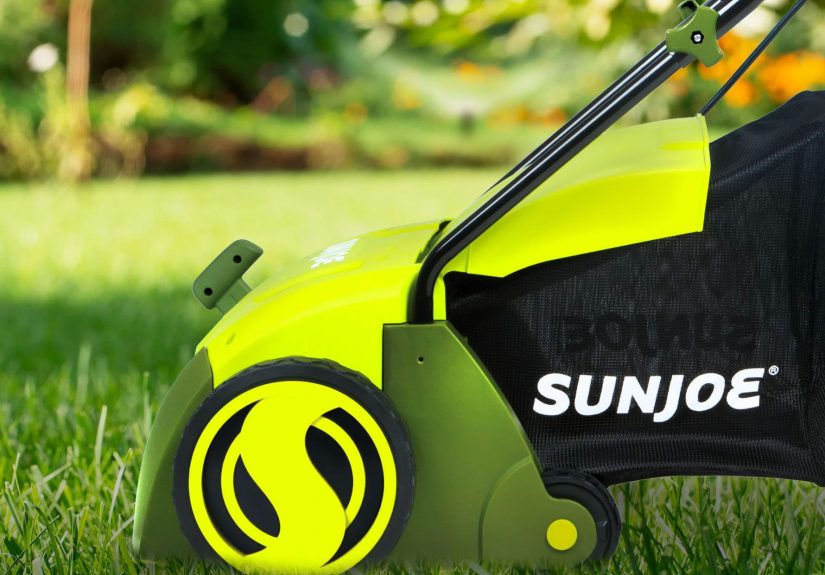
The Sun Joe dethatcher is an electric, walk-behind lawn tool that looks a lot like a compact mower but behaves more like a powered rake. It’s designed to pull up thatchthose layers of dead grass, roots, and debristhat sit between your green blades and the soil. Too much thatch and water, fertilizer, and air never quite reach the roots.
Sun Joe offers several models, but the AJ801E and AJ805E are the best-known electric dethatcher + scarifier combos. Both plug into a standard 120V outlet, use a powerful motor (around 12–13 amps depending on the model), and clear a path roughly 12.6 to 15 inches wide with each pass. Instead of dull, flimsy wires, they use rows of spring steel tines or blades to aggressively rake out the junk while you walk behind at a normal mowing pace.
Dethatcher vs. Scarifier: What’s the Difference?
One of the big selling points of Sun Joe’s dethatchers is that they’re actually 2-in-1 tools. With a quick cartridge swap, you can switch between:
- Dethatcher cylinder – uses multiple spring steel tines to comb through the turf and pull up thatch, moss, and dead material from the surface layer.
- Scarifier cylinder – uses thicker blades to slice shallow grooves into the soil line and cut grass roots. This helps stimulate fresh growth and prepares the ground for overseeding.
Think of dethatching as cleaning up your lawn’s “clutter,” while scarifying is more like a minor renovation that encourages stronger, thicker turf over time.
How Does the Sun Joe Electric Lawn Dethatcher Actually Work?
Under the hood (or rather, under the plastic housing), the Sun Joe dethatcher is a simple but smart machine:
Powerful Motor and Raking Width
Most popular Sun Joe models use a 12-amp or 13-amp motor, which is more than enough power for small and medium-size residential lawns. The AJ801E typically provides about a 12.6-inch working width, while the larger AJ805E stretches that to around 15 inches. That means fewer passes on bigger lawns and a faster job overall.
When you squeeze the handle and hit the safety switch, the motor spins the tine or blade cylinder at high speed. As you walk forward, those tines rake into the turf, lifting and loosening the thatch layer and tossing it up and back into the attached collection bagor onto the lawn surface for later raking if the bag fills quickly.
Depth Control: The Secret to Not Destroying Your Lawn
One of the key features that makes an electric dethatcher like the Sun Joe more forgiving than a DIY rake rampage is the depth control knob. Most models come with a five-position height adjustment that lets you set the working depth from slightly above the soil surface to a few millimeters below it.
At shallow settings, the tines just skim the top of the turf, lifting light thatch and debris. At deeper settings, the tines or blades dig in more aggressively, removing thick thatch and lightly slicing the soil surface. This is great for severely compacted or neglected lawnsbut if you start too deep, you’ll also pull up a lot of live grass, so it’s best to work your way down gradually.
AirBoost Technology and Spring Steel Tines
Several Sun Joe dethatcher models use what the brand calls “AirBoost” technologybasically a marketing way of saying the tines are designed and angled to maximize airflow and thatch pickup. They use spring steel tines, which stay sharper and more resilient than soft metal, so you can get repeated use without them bending out of shape.
As you move forward, the combination of tine angle, suction, and forward motion lifts thatch into the path of the machine and directs it toward the bag. On heavier jobs, you’ll still leave plenty of debris behind, but you’ll remove far more thatch than you could comfortably manage with a manual rake.
How to Use a Sun Joe Dethatcher Step-by-Step
Using the Sun Joe dethatcher is not complicated, but a little prep goes a long way toward better results (and fewer headaches).
1. Prep Your Lawn
- Mow first. Cut your grass a bit shorter than usualtypically about 2 inches for cool-season grasses. Removing excess leaf height makes it easier for the tines to reach the thatch layer.
- Check soil moisture. You want the lawn slightly dry to the touch, not soggy. Wet soil will clump and can cause the tines to bog down or tear the turf.
- Clear obstacles. Pick up sticks, toys, rocks, and irrigation flags. The tines do not enjoy surprise encounters.
2. Assemble and Adjust the Dethatcher
- Attach the handle and collection bag according to the manual.
- Install either the dethatcher or scarifier cylinder, depending on your goal.
- Set the depth control to the highest (shallowest) setting for your first pass. You can always go deeper later.
- Plug into a suitable outdoor extension cord rated for the motor’s amperage, and plug that into a GFCI-protected outlet.
3. Dethatch in Straight, Overlapping Passes
Start at one edge of the yard, keeping the power cord behind you and off to the side. Walk at a steady, normal pace; there’s no need to crawl, but don’t run the machine like you’re late for a flight either. Overlap your passes slightly, just like when you mow, to ensure full coverage.
After one pass, take a look at your lawn. If you see a decent amount of brown, stringy material pulled upbut mostly green grass still standingyou’re at a good depth. If you hardly see any thatch, you can lower the depth one notch and go again. If you see bare soil and a lot of live grass ripped up, you went too deepraise the setting and take it easier on the next pass.
4. Clean Up and Care for the Lawn
Even with a collection bag, you’ll likely have piles or windrows of thatch left on the lawn, especially on heavily compacted areas. Rake or use a leaf blower to gather it and bag or compost it. A dethatched lawn will look a bit rough and thin at firstthis is normal.
For best results, follow up with:
- Overseeding thin areas with a grass seed blend suited to your climate.
- Fertilizing with a slow-release formula appropriate for the season.
- Watering consistently to help new growth fill in.
Sun Joe Dethatcher Models: AJ801E vs. AJ805E and More
When people say “Sun Joe dethatcher,” they’re usually talking about one of a few core models:
- Sun Joe AJ801E – 12-amp motor, about 12.6-inch working width, dethatcher + scarifier cylinders, 5-position depth control, and a smaller thatch collection bag. Ideal for small to mid-sized lawns and homeowners who want something light, compact, and easy to store.
- Sun Joe AJ805E – 13-amp motor, wider 15-inch path, dethatcher + scarifier, and a larger collection bag. Better for mid-size to larger suburban lawns where you want to cover more ground in fewer passes.
- Other variants – Sun Joe also offers cordless and slightly different-width models, but the general design is the same: electric motor, tine or blade cylinder, depth adjustment, and a bag.
Functionally, all of these run on the same core idea. Your choice mainly comes down to yard size, whether you prefer plug-in versus cordless convenience, and how much storage space you can spare.
Pros and Cons of the Sun Joe Electric Dethatcher
Big Advantages
- Easy on the body. Compared with manual dethatching rakes, the Sun Joe is dramatically less punishing. You’re walking, not hacking away at the turf.
- No gas, no fumes. Electric power means no carburetors, oil changes, or fuel storage. Just plug in and go.
- Great for yearly maintenance. For lawns that need dethatching once or twice a year, this tool is much more affordable than hiring a lawn company repeatedly.
- 2-in-1 versatility. Being able to swap to a scarifier blade makes it more useful for serious lawn renovation projects.
- Compact and relatively lightweight. Easier to store than a full-size gas-powered machine and manageable for most homeowners to lift and maneuver.
Common Drawbacks
- The bag is small. Many users find the collection bag fills up in minutes or isn’t very effective when doing aggressive dethatching. Most people end up removing the bag and raking or blowing debris afterward.
- Cord management is a thing. Like any corded yard tool, you’ll need to be mindful of the extension cord so you don’t run over it or trip. This can be mildly annoying, especially on complex yards.
- Not ideal for huge properties. If you’re dealing with multiple acres, a homeowner-grade electric dethatcher may feel more like a trim tool than a primary solution. For very large lawns, a tow-behind unit that hooks to a riding mower may be more efficient.
- Can be “too aggressive” if misused. If you crank the depth all the way down and go to town, you’ll rip up healthy turf. The tool works best when you start shallow and adjust in small steps.
Sun Joe Dethatcher Reviews: What Real Owners Say
Real-world reviews of Sun Joe dethatchers are generally very positive, especially for the price point. Many homeowners are surprised at how much debris the unit pulls up on the first pass, even on lawns they thought looked “pretty good.” It’s common to see comments like “I can’t believe how much thatch was hiding under my grass” and “My lawn looked rough for a week, then came back greener and thicker.”
That said, a few recurring themes show up in user feedback:
- The bag situation. Over and over, people mention that the bag is really only useful for light raking or mild dethatching. On heavier jobs, it fills almost instantly, so many owners ditch it and plan to rake afterward.
- Impressive results for the cost. Compared with renting a commercial unit or paying a lawn service, the Sun Joe looks like a bargain, especially if you use it annually.
- Lawn shock is normal. First-timers often panic at how rough the lawn looks right after dethatching. Reviews consistently point out that, given a couple of weeksand some watering and fertilizingthe grass usually rebounds stronger.
- Best for small to medium yards. People with quarter-acre or half-acre lots are generally thrilled. Those with large properties often use it only on the most visible or stressed areas to save time.
When and How Often Should You Use a Sun Joe Dethatcher?
Most lawns do well with dethatching once a year, sometimes twice if you have heavy thatch buildup or aggressive fertilizing and watering habits. The best times are:
- Cool-season grasses (fescue, Kentucky bluegrass, ryegrass): Early spring or early fall, when temperatures are moderate and the lawn can recover quickly.
- Warm-season grasses (Bermuda, Zoysia, St. Augustine): Late spring to early summer, when the grass is actively growing.
A quick way to decide if you need it: dig a small plug of turf with a trowel and measure the thatch layer. If the brown, spongy layer between soil and green grass blades is more than about 1/2 inch thick, it’s time to dethatch.
FAQ: Sun Joe Dethatcher Basics
Will the Sun Joe dethatcher ruin my lawn?
Used correctly, no. Your lawn will look beat-up for a short time, but if you set the depth conservatively, rake up the debris, and follow with overseeding and proper watering, most lawns bounce back thicker and healthier.
Is the Sun Joe dethatcher hard to push?
On reasonably level lawns, most users find it about as easy as pushing a small corded mower. If your yard is very bumpy or sloped, it will feel more demandingbut still easier than manual dethatching.
Can I use it on wet grass?
It’s better to avoid dethatching when your lawn is wet or waterlogged. The tines can clog with mud, tear up turf more aggressively, and make cleanup messy. Slightly dry to just barely moist soil is ideal.
Is it worth buying instead of renting?
If you plan to dethatch yearly, or you’re rehabbing a neglected lawn over several seasons, owning a Sun Joe dethatcher often costs less than renting a commercial unit every time. Plus, you can tackle small problem areas whenever you want.
Real-World Experiences and Extra Tips with the Sun Joe Dethatcher
The first time you fire up a Sun Joe dethatcher, there’s a good chance you’ll experience the “oh no, I broke my lawn” moment. You start with what looks like a fairly normal yard, and within minutes there’s a trail of brown debris following you like a hay baler. That’s actually a good signit means the machine is finding the compacted thatch that’s been blocking water and nutrients for years.
One practical tip many homeowners learn the hard way: start shallower than you think you need. It’s tempting to crank the depth all the way down and attack thatch like a lawn superhero. In reality, the best approach is usually one conservative pass, then another slightly deeper pass in a different direction if needed. This “sneak up on it” method removes a ton of thatch without shocking the grass as badly.
Cord management is another real-world learning curve. With a corded Sun Joe, you’ll want to work away from the outlet, always dragging the cord behind you and off to the side. Imagine you’re vacuuming a room: you don’t want the cord in front of the vacuum head. Some users even loop the cord over a shoulder or through a lightweight cord strap on their belt to keep it from tangling around their ankles.
On smaller lawns, many people discover that dethatching pairs beautifully with an annual “lawn reset” ritual. In early spring, they mow low, run the Sun Joe over the lawn, rake or blow the loose debris, then overseed and fertilize. Two or three weeks later, the yard usually looks dramatically greener and more even, as new grass fills in the gaps where thatch used to smother the soil.
Another experience-based tip: don’t skip the cleanup. After dethatching, all that loose thatch has to go somewhere. If you leave it sitting on top of the grass, you’ve basically just created a brand-new layer of the problem you were trying to solve. Plan for a bit of extra time to rake or blow the lawn and bag or compost the material. It’s not the most glamorous part of the process, but it’s where a lot of the visual payoff comes from.
For people who like to tinker, the Sun Joe dethatcher also becomes part of a bigger DIY lawn care system. Some combine it with core aeration and topdressing with compost to improve soil structure. Others use the scarifier cylinder to lightly groove the soil before spreading high-quality seed blends, giving the seed a better place to settle and germinate. Once you see how much control you have over your lawn’s health with a few simple tools, it’s hard to go back to the “fertilize and hope” method.
Finally, one of the underrated benefits of owning a Sun Joe dethatcher is psychological. It turns a job most people dread into a once-a-year power session that feels oddly satisfying. You see immediate, tangible evidence of progress in the piles of thatch and the newly opened soil surface. And when you look out a month later and your lawn is thicker, greener, and more even, it’s pretty clear why so many homeowners say they wish they’d bought one sooner.
Conclusion: Is the Sun Joe Dethatcher Right for You?
If you have a small to medium-size lawn, want to improve its health without hiring a pro, and don’t mind managing an extension cord, the Sun Joe dethatcher is a strong contender. It’s affordable, relatively lightweight, and surprisingly effective at pulling up the gunk that’s been suffocating your grass. Used once or twice a yearpaired with good mowing, watering, and fertilizing practicesit can help transform a tired, patchy yard into a thicker, healthier lawn.
Is it perfect? No. The bag is undersized, and you’ll still do some cleanup. But as a home lawn-care upgrade that delivers visible results, the Sun Joe electric dethatcher punches well above its weight.