Table of Contents >> Show >> Hide
- What “addicted to alcohol” really means
- Early signs that alcohol may be becoming a problem
- Physical signs of alcohol addiction
- Behavioral and emotional signs to watch for
- Relationship signs that a loved one may be addicted to alcohol
- When alcohol use becomes medically urgent
- How to talk to someone you love about their drinking
- What getting help can look like
- What these signs can look like in real life: lived experiences and common patterns
- Final thoughts
Alcohol is woven into a lot of everyday life. It shows up at weddings, backyard cookouts, office happy hours, awkward first dates, and the occasional “I survived Monday” celebration. Because drinking is so normalized, it can be surprisingly hard to tell when casual use has crossed into something more serious.
That is exactly why this topic matters. The signs of alcohol addiction are not always dramatic. Sometimes there is no movie-scene rock bottom, no giant neon warning sign, and no villain soundtrack playing in the background. Sometimes it looks like someone joking about needing a drink every night, canceling plans because they are “tired,” hiding empties, or promising to cut back and somehow never getting around to it.
If you are wondering whether you or someone you care about may be addicted to alcohol, the best place to start is with patterns, not labels. One rough weekend does not automatically equal alcohol use disorder. But repeated warning signs, especially when drinking continues despite clear consequences, deserve attention.
In this guide, we will walk through the most common signs of alcohol addiction, what they can look like in real life, when things may be medically urgent, and how to approach the next step without shame, panic, or the classic “everything is fine” family group-text energy.
What “addicted to alcohol” really means
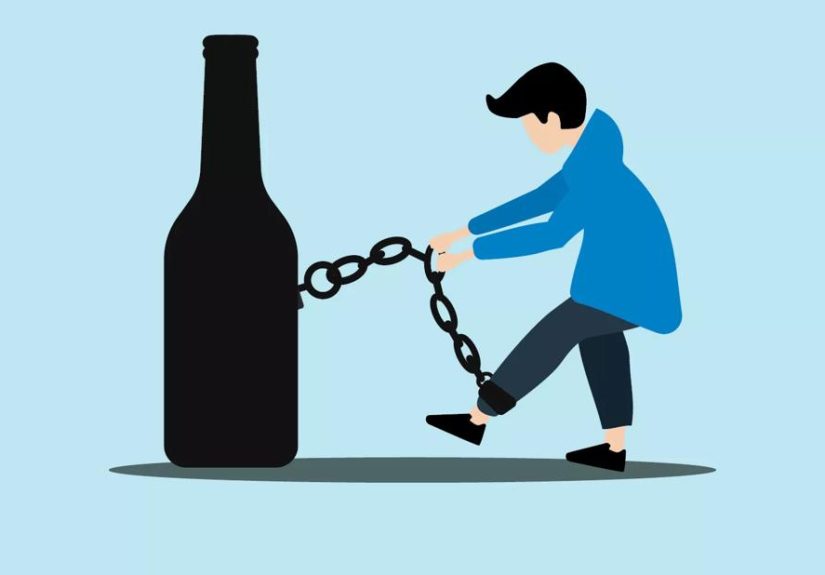
In medical settings, the term most often used is alcohol use disorder (AUD). You will also hear phrases like alcohol dependence, problem drinking, or alcohol addiction. While people use these terms a little differently, they all point to the same core issue: drinking has become difficult to control and is causing harm.
That harm can show up in several areas at once. It may affect physical health, mental health, finances, relationships, work performance, parenting, sleep, or personal safety. The person may sincerely want to cut back and still find themselves drinking again. That gap between intention and behavior is often one of the biggest clues.
In other words, the question is not just, “How much does someone drink?” It is also, “What is drinking doing to their life, and can they realistically stop or reduce it?”
Early signs that alcohol may be becoming a problem
1. Drinking more than planned
One of the earliest warning signs is regularly drinking more than intended. Someone may go out for one drink and end up having four. They may say, “I’m just having a little tonight,” then finish most of a bottle. If this happens once, that is human. If it keeps happening, it is a red flag.
2. Repeatedly trying to cut back but not succeeding
Many people with a growing drinking problem know something is off long before they say it out loud. They might set rules such as “only on weekends,” “never before dinner,” or “no liquor, just wine.” If those rules keep getting broken, that matters. Failed attempts to cut back are often a stronger sign than the drink count itself.
3. Thinking about alcohol a lot
Alcohol starts taking up more mental space than it used to. A person may plan the day around when they can drink, feel irritated if alcohol is not available, or find that social events only seem appealing if drinking is involved. When alcohol becomes the star of the show instead of a background extra, pay attention.
4. Needing alcohol to relax, sleep, or “feel normal”
People often describe drinking as a way to unwind. That alone does not prove addiction. But it becomes more concerning when alcohol feels necessary rather than optional. If someone says they cannot sleep without it, cannot socialize without it, or cannot calm down until they drink, that suggests growing dependence.
Physical signs of alcohol addiction
The body tends to keep receipts. Over time, problem drinking often shows up physically, even when someone is trying hard to act like everything is under control.
5. Tolerance is increasing
Tolerance means it takes more alcohol to get the same effect. A person who once felt buzzed after two drinks may now need four or five. This can be easy to dismiss as “just being able to hold my liquor,” but it is not a superpower. It can be a sign the body is adapting to frequent alcohol use.
6. Withdrawal symptoms appear
Withdrawal is a major warning sign of alcohol dependence. Symptoms may include shakiness, sweating, nausea, headache, anxiety, restlessness, irritability, poor sleep, or a racing heart when alcohol wears off. Some people notice these symptoms in the morning or after going several hours without a drink.
Severe withdrawal can be dangerous and may include seizures, hallucinations, or confusion. If someone drinks heavily and regularly, they should not assume they can safely quit cold turkey on their own. Medical supervision may be necessary.
7. Sleep, appetite, and energy are getting worse
Alcohol can make people sleepy at first, but it often disrupts sleep quality. Over time, a person may wake frequently, feel exhausted during the day, skip meals, lose interest in food, or seem physically run down. They may also experience frequent stomach issues, dehydration, or more illnesses than usual.
8. Physical appearance starts to change
This can be subtle. Someone may look puffy, tired, or chronically unwell. Their skin may change. They may neglect grooming, seem less steady on their feet, or smell like alcohol more often than they realize. No single appearance change confirms addiction, but several together can support the bigger picture.
Behavioral and emotional signs to watch for
9. Responsibilities start slipping
One of the clearest signs of a drinking problem is when alcohol begins interfering with everyday obligations. This may show up as missed deadlines, calling out sick, poor grades, forgetting family commitments, or being mentally checked out even when physically present. The person may still insist they are “handling it,” but their life says otherwise.
10. Risky behavior becomes more common
Driving after drinking, mixing alcohol with medications, blacking out, getting injured, or making unsafe sexual decisions are serious warning signs. So is drinking in situations where being alert matters, such as while caring for children, operating equipment, or dealing with an existing health condition.
11. Mood changes become more obvious
Alcohol addiction does not only affect the body. It often affects personality and emotional stability too. A person may become more irritable, defensive, anxious, withdrawn, or depressed. Some people seem cheerful while drinking and deeply low the next day. Others become angry, unpredictable, or emotionally distant.
12. Hiding, lying, or minimizing starts happening
Secrecy is common when someone knows their drinking is no longer harmless. They may hide bottles, pour alcohol into coffee cups, downplay how much they drank, or get unusually defensive when anyone brings it up. This is not about being “bad.” It is often about shame, fear, and a growing loss of control.
13. Activities shrink and the world gets smaller
As alcohol takes up more space, hobbies, friendships, routines, and goals tend to lose ground. A person may stop doing things they once enjoyed unless alcohol is involved. Over time, their life can quietly narrow to drinking, recovering from drinking, and planning the next time to drink.
Relationship signs that a loved one may be addicted to alcohol
If you are worried about someone else, you may notice the relationship damage before they notice the drinking pattern.
14. The same conflicts keep happening
Arguments about drinking are rarely just about the drink in hand. They are usually about broken trust, unpredictability, money, missed promises, or emotional absence. If you keep having the same conversation and nothing changes, that is information.
15. You feel like you are monitoring them
Many family members start counting drinks, checking trash cans, watching mood shifts, covering for the person, or rehearsing how to bring up the issue. If your life is increasingly shaped by someone else’s drinking, the problem may be more serious than anyone wants to admit.
16. They keep drinking despite obvious harm
This is one of the biggest signs of alcohol addiction. The person may keep drinking despite relationship problems, work consequences, health warnings, legal trouble, or clear emotional distress. Continuing to drink even after repeated damage is a hallmark of alcohol use disorder.
When alcohol use becomes medically urgent
Some situations call for fast action, not just a thoughtful conversation over coffee.
- If the person is passed out, hard to wake, vomiting repeatedly, breathing slowly, or seems confused, seek emergency help right away.
- If they show signs of severe withdrawal, such as seizures, hallucinations, severe shaking, or extreme confusion, get urgent medical care.
- If drinking is happening during pregnancy, with certain medications, or alongside serious mental health symptoms such as suicidal thinking, immediate professional support is important.
It is also worth noting that alcohol problems often overlap with anxiety, depression, trauma, or other substance use. Sometimes people drink to cope, then the drinking makes everything worse, and the cycle tightens like a knot.
How to talk to someone you love about their drinking
This is delicate territory. Most people do not respond well to being cornered, shamed, or hit with a dramatic “family intervention” speech copied from television.
Keep it specific
Focus on behaviors you have observed. For example: “I’ve noticed you’ve been drinking every night, and last week you missed work twice,” lands better than “You’re an alcoholic.”
Talk when they are sober
Trying to have a serious conversation when someone has been drinking usually goes nowhere fast. Pick a calm moment.
Use concern, not accusation
Try language like, “I’m worried about you,” “I’ve noticed some changes,” or “I want to help.” People are more likely to listen when they do not feel attacked.
Offer a next step
That might mean encouraging a visit with a primary care doctor, therapist, addiction specialist, or support group. The goal is not to win an argument. The goal is to open a door.
What getting help can look like
Treatment for alcohol addiction is not one-size-fits-all. And despite the myths, help is not limited to disappearing into rehab with a duffel bag and a haunted expression.
Depending on the severity, treatment may include:
- medical evaluation and supervised detox when withdrawal is a concern
- outpatient counseling or therapy
- behavioral treatments that help change drinking patterns
- medications that reduce cravings or support recovery
- mutual-support groups
- treatment for co-occurring mental health conditions
The most important thing to know is this: people do recover. Not always in a straight line, not always quickly, and not always on the first try, but recovery is absolutely possible.
What these signs can look like in real life: lived experiences and common patterns
For many people, alcohol addiction does not begin with an obvious crisis. It begins with a gradual shift that is easy to explain away. A man in his forties may start with a couple of drinks after work because it helps him “take the edge off.” Over time, two drinks become four, then drinking starts earlier on weekends, then he gets irritable when there is no alcohol in the house. He still pays the bills and shows up to work, so everyone tells themselves it cannot be that serious. But his sleep is terrible, his blood pressure is up, and his family has learned to read the room based on how many glasses he has had.
Another common experience involves someone who looks high-functioning from the outside. A woman may never miss a meeting, never get a DUI, and never appear drunk in public. But every evening she drinks alone, promises herself that tonight will be the last time she overdoes it, and wakes up at 3 a.m. anxious, sweaty, and full of regret. She starts skipping morning workouts, avoiding friends who might notice, and quietly building her schedule around recovery time. Because she does not fit the stereotype of “someone with an alcohol problem,” she delays asking for help.
Families often describe a slow build of confusion. At first, they wonder if they are overreacting. Then they start noticing patterns. The loved one forgets conversations. They become defensive over simple questions. Holidays feel tense because everyone is watching how much they drink without admitting they are watching. Children may start adapting too, becoming extra quiet, extra responsible, or unusually anxious because the emotional climate at home is unpredictable.
Adult children of parents with alcohol addiction often talk about how exhausting it was to become little detectives. They knew how to tell, from the sound of a voice or the way a door opened, whether the evening would be peaceful or chaotic. That kind of hypervigilance can follow people long after childhood ends.
Some people only recognize the seriousness of their drinking when they try to stop. They assume they can take a week off anytime, then discover they feel shaky, panicked, nauseated, or unable to sleep. That moment can be frightening, but it can also be clarifying. It reveals that drinking is no longer just a habit. The body has adapted, and that dependence deserves real medical attention.
There are also people whose turning point is not physical at all. It is relational. A spouse says, “I don’t know who you are when you drink.” A teenager stops asking for rides. A best friend pulls away. A boss quietly starts documenting missed work. In those moments, alcohol is no longer a private coping tool. It is a force shaping every important connection in the person’s life.
Still, one of the most hopeful patterns is this: once people receive appropriate support, many begin to feel better in ways they did not expect. Sleep improves. Mood stabilizes. Shame begins to loosen. Families have more honest conversations. Daily life becomes less chaotic and more solid. Recovery rarely looks perfect, but it often starts with something small and brave, such as admitting, “This is not working anymore.”
Final thoughts
If you have been searching for the signs that you or a loved one may be addicted to alcohol, there is a good chance something already feels off. Trust that instinct. You do not need to wait for a disaster to take concerns seriously.
The clearest signs of alcohol addiction include loss of control, cravings, tolerance, withdrawal, secrecy, repeated failed efforts to cut back, and continued drinking despite damage to health, work, or relationships. Whether the problem looks loud and obvious or quiet and polished, it still matters.
The good news is that help exists, and it works. A doctor, therapist, addiction specialist, or support program can help you figure out what is really going on and what comes next. That first conversation may feel uncomfortable, but it is far less uncomfortable than letting alcohol keep running the meeting.