Table of Contents >> Show >> Hide
- Why DIY Shelving Units Still Win
- 20 Incredible DIY Shelving Units to Build, Hack, or Customize
- 1. Floating Plywood Wall Shelves
- 2. Reclaimed Wood Rustic Shelf Unit
- 3. Industrial Pipe-and-Wood Bookcase
- 4. Leaning Ladder Shelf
- 5. Wall-Mounted Crate Shelving
- 6. Built-In Shelves Around a Fireplace
- 7. Corner Floating Shelf Tower
- 8. Picture Ledge Display Shelves
- 9. Garage 2×4 Storage Shelving
- 10. Closet Shelf System
- 11. Open Kitchen Shelving Wall
- 12. Over-the-Toilet Bathroom Shelving
- 13. Nursery Book Ledge Wall
- 14. Cube-Style Modular Shelving Unit
- 15. Rolling Utility Shelf Cart
- 16. Bookshelf Made From Stair Treads
- 17. Upcycled Vintage Window or Door Shelf
- 18. Tall Pantry Shelving Niche
- 19. Desk-and-Shelf Combo Wall
- 20. Under-the-Stairs Built-In Shelving
- How to Choose the Right DIY Shelving Unit
- Common DIY Shelf Mistakes That Make Life Harder
- Real-World DIY Shelving Experiences and Lessons Learned
- Conclusion
If your home is running out of places to stash books, baskets, plants, candles, tools, or the mysterious charging cables that seem to reproduce at night, DIY shelving units are the hero your walls have been waiting for. A great shelf doesn’t just hold stuff. It creates order, adds personality, and gives awkward corners a real job for once. Even better, building your own shelving unit lets you match your storage to your space instead of forcing your space to tolerate a generic flat-pack compromise with trust issues.
The beauty of DIY shelving is that it can be practical, stylish, and budget-friendly at the same time. You can go sleek with floating shelves, rustic with reclaimed wood, industrial with black pipe, or full custom with built-ins that make your room look like it hired a designer and then quietly learned how to use a drill. Whether you’re organizing a small apartment, upgrading a garage, or trying to make your living room look less like a drop-off zone for mail and throw blankets, these 20 incredible DIY shelving units offer ideas that are smart, beautiful, and surprisingly doable.
Why DIY Shelving Units Still Win
Store-bought shelves are fine. They exist. But DIY shelving units give you something better: control. You choose the height, width, depth, finish, hardware, and vibe. That means you can build a narrow corner shelf for a tiny office, a sturdy garage unit for heavy bins, or a built-in wall of bookcases that looks custom because it is custom. DIY shelves also let you use inexpensive plywood, dimensional lumber, reclaimed wood, crates, or old furniture pieces, which can stretch your budget without making the finished project look cheap.
More importantly, a smart shelving unit makes a room work harder. Open shelving can clear counters, vertical storage can free up floor space, and well-styled display shelves can turn everyday objects into part of the decor. In other words, your clutter doesn’t need to vanish into a closet. Sometimes it just needs a better stage.
20 Incredible DIY Shelving Units to Build, Hack, or Customize
1. Floating Plywood Wall Shelves
Clean, modern, and wonderfully unfussy, floating plywood wall shelves are the gateway project into the world of DIY shelving. They work in kitchens, offices, bathrooms, and living rooms because they look light while still providing real storage. Use them to hold dishware, framed art, or baskets of daily essentials. The trick is a sturdy hidden support structure and a finish that makes basic plywood look intentional instead of like you panicked in the lumber aisle.
2. Reclaimed Wood Rustic Shelf Unit
If you love warmth and character, reclaimed wood shelves bring instant texture to a room. The knots, nail marks, and uneven grain make them feel collected rather than manufactured. This type of shelving unit looks especially good in entryways, dining rooms, and farmhouse-style kitchens. Pair weathered boards with simple brackets and let the imperfections do the decorating. Rustic shelves are proof that “a little rough around the edges” can be a design strategy.
3. Industrial Pipe-and-Wood Bookcase
Few DIY shelving units make a statement faster than a pipe-and-wood bookcase. The metal gives it structure and attitude, while the wood keeps it from feeling like a mechanic’s waiting room. It’s perfect for loft-style spaces, home offices, and media walls. Black pipe adds visual weight, so this design looks best when you want shelves to be seen, not hidden. Bonus: it can make even a stack of tax folders look vaguely intentional.
4. Leaning Ladder Shelf
A leaning ladder shelf is one of the easiest ways to add vertical storage without making a room feel crowded. It’s great for bedrooms, apartments, or rental spaces where you want visual lightness. The shelves get deeper toward the bottom, which creates a pleasing shape and practical storage for books, plants, and decorative boxes. Paint it for a modern feel or stain it to keep the wood grain front and center.
5. Wall-Mounted Crate Shelving
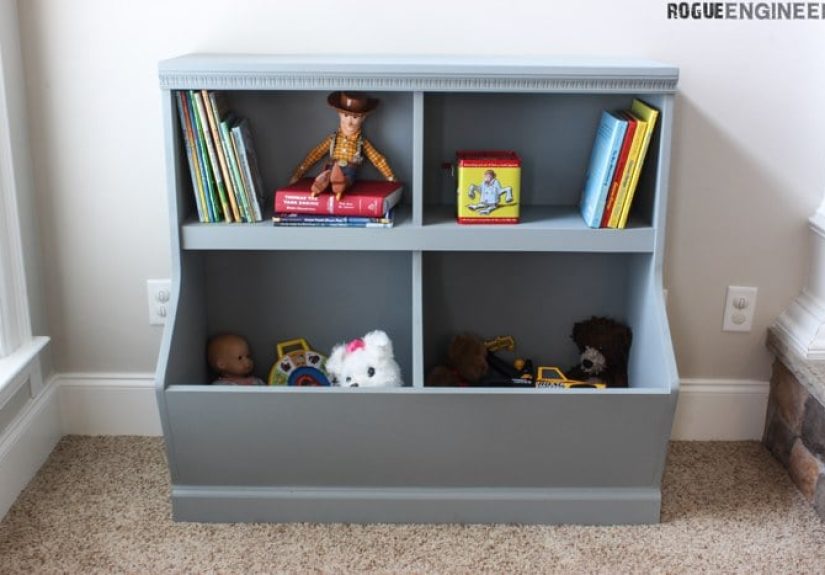
Wooden crates are the overachievers of the DIY world. Stack them, stain them, paint them, or mount them directly to the wall for an affordable shelving unit with built-in charm. Crate shelving works especially well in kids’ rooms, mudrooms, and bathrooms where a little casual texture helps the space feel relaxed. The cubby-like compartments make it easy to separate books, towels, toys, or toiletries without everything turning into one giant decorative avalanche.
6. Built-In Shelves Around a Fireplace
If you want maximum impact, built-in shelves around a fireplace are the crown jewel of DIY storage. They frame the room, create a focal point, and add both display space and hidden potential if you include base cabinets. This project takes planning, but the payoff is huge. Built-ins make a living room feel polished, expensive, and far more functional. They also have the magical ability to make random decor objects look curated instead of homeless.
7. Corner Floating Shelf Tower
Corners are often wasted, which is rude considering how much square footage they quietly contribute. A corner floating shelf tower turns dead space into useful display storage. These shelves are ideal for small living rooms, home offices, and reading nooks where a standard bookcase feels too bulky. Use them for plants, candles, or small stacks of books. It’s a great solution when you need storage but don’t want your furniture breathing down your neck.
8. Picture Ledge Display Shelves
Picture ledges are slim, simple, and incredibly versatile. Originally designed for frames, they also work beautifully for cookbooks, vinyl records, children’s books, or rotating seasonal decor. Because they’re shallow, they keep a wall visually clean while still giving you room to style. This is one of the best DIY shelving units for anyone who likes to rearrange often, because nothing says commitment issues like changing your wall display every other Saturday.
9. Garage 2×4 Storage Shelving
For pure practicality, garage shelving built from 2x4s and plywood is hard to beat. It’s strong, affordable, and customizable, which is exactly what a hardworking storage zone needs. This style is perfect for bins, tools, sports gear, and the mysterious “keep for later” pile that somehow becomes a lifestyle. Build it deep enough for large containers, space the shelves based on what you actually store, and prioritize strength over decorative ambition. The garage will cope without brass hardware.
10. Closet Shelf System
A DIY closet shelf system can completely transform a cramped, chaotic closet into something that feels custom. Add upper shelves for baskets, lower shelves for shoes, and dedicated zones for folded clothes or accessories. This is one of those shelving upgrades that pays you back daily because it saves time, reduces visual clutter, and makes getting dressed feel slightly less like a treasure hunt. Even a basic setup can make a builder-grade closet feel far more intelligent.
11. Open Kitchen Shelving Wall
Open kitchen shelves aren’t just trendy; they can genuinely improve flow in the right kitchen. The best version uses sturdy shelves for frequently used dishware, glassware, or pantry staples in attractive containers. The key is restraint. Open shelves should hold the things you use and love, not every mug you’ve acquired since middle school. Done well, this shelving unit makes a kitchen feel airy, useful, and more personal than a wall of upper cabinets.
12. Over-the-Toilet Bathroom Shelving
Bathrooms are often short on storage and rich in awkward vertical space, which is exactly where an over-the-toilet shelf unit shines. A few simple wood shelves or a compact ladder-style frame can hold towels, toiletries, jars, and small decorative accents without crowding the room. This type of unit works best when you keep it visually light. Think rolled towels, baskets, and clean lines, not a mountain of half-used hair products pretending to be decor.
13. Nursery Book Ledge Wall
A nursery book ledge system is both adorable and practical. Low-mounted shelves let book covers face outward, making stories easier for little readers to spot and grab. This setup encourages independence, keeps books organized, and doubles as cheerful wall decor. As kids grow, the same shelves can hold art books, favorite toys, or keepsakes. It’s one of the rare projects that is equal parts charming, useful, and not destined to become irrelevant in six months.
14. Cube-Style Modular Shelving Unit
Modular cube shelving is a smart choice for anyone who likes flexibility. Build a grid of open cubes and you get storage that can hold baskets, books, bins, plants, or office supplies in tidy zones. This unit works particularly well in playrooms and home offices because it keeps categories separate without adding visual heaviness. It also adapts as your needs change, which is useful because most rooms eventually change jobs at least twice.
15. Rolling Utility Shelf Cart
A shelving unit on casters is a gift to multitaskers. Use it as a craft station, coffee bar, laundry helper, or mobile pantry depending on where your life is currently unraveling. Rolling shelves are especially useful in small homes where furniture needs to be flexible. Build a narrow frame, add a few sturdy shelves, and make sure the wheels lock. Mobility is wonderful right up until your storage unit starts freelancing across the room.
16. Bookshelf Made From Stair Treads
Using stair treads for a bookshelf creates a solid, substantial look with minimal fuss. The material already feels finished, which cuts down on the amount of coaxing required to make the project look polished. This shelving unit suits hallways, offices, and bedrooms where you want a classic bookcase that feels a little more architectural than basic. Add trim, paint it, or keep the wood tone visible for a straightforward project with strong visual payoff.
17. Upcycled Vintage Window or Door Shelf
If you enjoy projects with personality, turn an old window frame or salvaged door into a shelving unit. Add interior shelves, paint or refinish the frame, and you’ve got a one-of-a-kind piece that feels equal parts storage and conversation starter. This idea works beautifully in farmhouse, cottage, and eclectic spaces. It also scratches that deep DIY itch of taking something nobody wanted and making it look like it belonged there all along.
18. Tall Pantry Shelving Niche
A narrow pantry niche with floor-to-ceiling shelves can be life-changing in a kitchen, utility room, or basement. Instead of one deep cabinet where items disappear into the cereal abyss, tall open shelving makes everything visible. This unit is best when designed around what you store: canned goods, baking supplies, appliances, or labeled baskets. Organization becomes much easier when you stop pretending all pantry items have the same size and emotional needs.
19. Desk-and-Shelf Combo Wall
Combining a desk with built-in or mounted shelves above it is one of the smartest DIY solutions for a home office. It keeps books, supplies, and reference materials close at hand while using vertical space instead of valuable floor area. The design can be minimal or dramatic, depending on your finish choices and shelf arrangement. It also creates a natural visual zone for work, which helps when your office is technically just a corner that used to hold a lamp.
20. Under-the-Stairs Built-In Shelving
Under-the-stairs shelving turns an awkward architectural leftover into a hard-working feature. You can create open shelves for books and decor, closed cabinets for hidden storage, or a mix of both. This is one of the most satisfying shelving projects because it makes use of space that often goes ignored. Plus, it has serious custom-home energy. Suddenly the area under the stairs isn’t a dark void. It’s useful, attractive, and possibly your favorite project in the house.
How to Choose the Right DIY Shelving Unit
The smartest shelving project starts with function, not fantasy. Before you build, decide what the shelves need to hold, where they will go, and how visible they’ll be. Heavy-duty garage shelves need strength, simple joinery, and dependable mounting. Living room shelves need proportion, finish quality, and styling potential. Kitchen shelves should balance beauty with daily usability. Kids’ room shelves should be accessible and forgiving. In every case, scale matters. A shelf that’s too deep becomes cluttered, too shallow becomes decorative only, and too weak becomes a future apology.
Material choice matters, too. Plywood is affordable, versatile, and easy to customize. Solid wood gives warmth and durability. Reclaimed boards add texture. Metal pipe creates industrial flair. Crates, vintage furniture pieces, and architectural salvage bring built-in character. The best DIY shelving units don’t chase perfection. They solve a real storage problem while looking like they belong in the room.
Common DIY Shelf Mistakes That Make Life Harder
The biggest shelving mistake is building for how you want a room to look instead of how you actually live. Open shelves become cluttered when they’re overloaded. Pretty shelves fail when they aren’t mounted securely. Long spans sag when the materials are too thin. Random shelf spacing wastes space. And nothing ruins the mood faster than a shelf that tilts just enough to make every object look nervous.
To avoid regret, plan your layout on paper first. Measure what you’re storing. Use a level. Mount into studs whenever possible. Reinforce longer shelves. Keep styling simple. And always remember: just because a shelf can hold twenty-seven decorative pumpkins doesn’t mean it should.
Real-World DIY Shelving Experiences and Lessons Learned
The funny thing about DIY shelving units is that they almost always begin with optimism and end with wisdom. At the start, it feels simple. You measure a wall, sketch a rough plan, and tell yourself this will be a “quick weekend project,” which is DIY language for “I may briefly lose control of my Saturday.” Then reality arrives carrying a stud finder, three conflicting tape measurements, and the humbling discovery that not all walls are as straight as they look from across the room.
One of the most common lessons people learn is that shelving changes the way a room behaves. A good shelf doesn’t just hold objects; it influences habits. A family that installs entryway shelves suddenly has a place for keys, bags, and shoes, and daily clutter drops almost immediately. A kitchen with open shelving often becomes more organized because only the useful or attractive items stay visible. A garage shelf system can save hours of frustration simply by keeping bins, tools, and seasonal gear off the floor and in plain sight. The project seems cosmetic at first, but the real payoff is often behavioral. People naturally use a room better when storage finally makes sense.
Another shared experience is discovering that custom matters more than perfection. Many first-time builders worry about achieving showroom polish, but the most successful shelves are usually the ones designed around real-life needs. A slightly rustic laundry shelf that perfectly fits baskets and detergent is often more satisfying than a flawless shelf that stores nothing well. A corner bookshelf that turns a dead zone into useful storage feels more rewarding than a fancy unit that overwhelms the room. DIY shelving teaches a practical truth: when something fits your home and routines exactly, small imperfections become part of the charm instead of part of the problem.
There’s also a decorating lesson hidden inside every shelving project. Once the unit is up, the styling begins, and that’s where many people realize that shelves need breathing room. The strongest displays usually mix functional items with visual pauses: books stacked both ways, a plant here, a basket there, something personal, something useful, and a little empty space so the whole arrangement doesn’t look like it got trapped in a gift shop. Over time, homeowners tend to edit what stays on a shelf. The result is a more curated room and a clearer sense of what they actually value enough to keep in sight.
Perhaps the biggest experience people take away from building DIY shelves is confidence. The first project can feel intimidating, but once you’ve cut boards, leveled brackets, corrected a small mistake, and stepped back to see something sturdy and good-looking attached to your wall, your brain starts making dangerous suggestions like, “What if we did the pantry next?” Shelving projects have a way of turning hesitant beginners into enthusiastic improvers. And honestly, that may be the most incredible part of all. You start out trying to build storage. You end up building momentum.
Conclusion
The best DIY shelving units do more than fill blank walls. They create order, add style, and turn overlooked spaces into useful parts of the home. Whether you choose floating shelves, a crate wall, a built-in media unit, or a hardworking garage system, the right project will make your room feel more intentional and your daily routines a little easier. Start with what you need to store, choose a style that suits the room, and build something that earns its square footage. Your walls have been waiting patiently. It’s time to put them to work.