Table of Contents >> Show >> Hide
- What Counts as “Severe” Dry Skin?
- Why Skin Gets So Dry: The Main Causes
- Severe Dry Skin vs. Dehydrated Skin: Not the Same Thing
- Remedies That Actually Work (and Why They Work)
- The #1 rule: moisturize at the right time (the “3-minute window”)
- Pick the right texture: ointment > cream > lotion (usually)
- Know the ingredient “trio” that helps severe dry skin
- Fix your shower routine (keep the comfort, lose the damage)
- Hands and feet: the “high-friction zones” need special care
- Humidifiers: underrated, very effective
- Itch relief without starting a scratch spiral
- When to See a Dermatologist (or Primary Care Clinician)
- Prevention Tips: Make Your Skin Barrier a Priority
- Quick “Severe Dry Skin” Action Plan (Save This)
- Real-World Experiences: What People Notice (and What Helps)
Severe dry skin has a special talent: it can make your elbows feel like sandpaper, your shins look like they’re auditioning
for a “winter wonderland” commercial, and your hands crack at the exact moment you need to open a jar. If you’re nodding
along (or wincing), you’re not alone. Dry skin is extremely commonand when it gets severe, it’s usually a sign your skin
barrier is overwhelmed, under-supported, or dealing with something more than “oops, I forgot lotion.”
In this guide, we’ll break down the most common causes of severe dry skin, what actually works for
dry skin treatment, how to build a routine that doesn’t feel like a second job, and when dryness might be
pointing to an underlying skin condition (like eczema) or a medical issue worth checking out.
What Counts as “Severe” Dry Skin?
Dry skin (often called xerosis or xeroderma) happens when the outermost layer of your skin
doesn’t hold onto enough water and protective oils. Mild dryness can feel tight or look a little flaky. Severe dry
skin tends to level up with:
- Intense itching that distracts you in meetings, class, or bedtime scrolling
- Visible scaling or “ashy” patches that come back fast
- Cracks (fissures), especially on hands, heels, or fingertips
- Burning or stinging when you moisturize (rude)
- Redness or irritation that looks like a rash
The big idea: severe dryness usually isn’t just about “not enough lotion.” It’s often about a compromised
skin barrierthe protective “brick-and-mortar” layer that keeps irritants out and moisture in.
Why Skin Gets So Dry: The Main Causes
1) Weather and low humidity (your skin vs. winter: the annual feud)
Cold air holds less moisture than warm air, and indoor heating can dry out the environment even more. That combination
increases water loss from the skin. Translation: your skin turns into a moisture-leaking sponge the moment the temperature
drops or the heater kicks on.
2) Hot showers, long baths, and over-washing
Hot water feels amazing. Your skin disagrees. Long, hot showers can strip natural oils that help keep your skin
comfortable and resilient. If you’re taking marathon showers, scrubbing hard, or showering multiple times a day,
you’re basically power-washing your skin barrier.
3) Harsh soaps, fragrances, and “squeaky clean” products
Many traditional soaps and heavily fragranced body washes can be drying. That “squeaky clean” feeling can mean
“I removed more protective oils than necessary.” The same goes for some detergents, fabric softeners, and skincare
products with strong alcohols or irritating fragrances.
4) Age and natural changes in skin oils
As people age, skin tends to produce less oil and may hold moisture less effectively. This is one reason severe dry skin
is common on the lower legs in older adults. Hormonal shifts can also affect dryness, especially in those already prone to
sensitive skin.
5) Skin conditions that mimic (or worsen) dryness
Sometimes what looks like “just dry skin” is actually a skin condition that needs targeted treatment. Common culprits include:
- Atopic dermatitis (eczema): often very itchy, can be red and inflamed, may flare repeatedly
- Contact dermatitis: triggered by irritants/allergens (new soap, fragrance, gloves, detergent)
- Psoriasis: thicker plaques with scale, sometimes on elbows/knees/scalp
- Ichthyosis vulgaris: inherited tendency toward thick, scaly dryness (often on legs)
6) Medical issues and medications
Severe dryness can also be associated with medical conditions (for example, thyroid disease or kidney disease) and
certain medications (like some acne treatments or diuretics). This doesn’t mean dry skin automatically signals a serious
problembut if dryness is new, intense, and persistent despite good care, it’s worth discussing with a clinician.
Severe Dry Skin vs. Dehydrated Skin: Not the Same Thing
People often use “dry” and “dehydrated” interchangeably, but they’re not identical:
- Dry skin is mainly about lacking oils/lipids and a weakened barrier.
- Dehydrated skin is about lacking water.
Here’s the practical takeaway: drinking water supports overall health, but most severe dry skin improves fastest when you
fix the barrier (gentle cleansing + the right moisturizer + smart habits).
Remedies That Actually Work (and Why They Work)
The #1 rule: moisturize at the right time (the “3-minute window”)
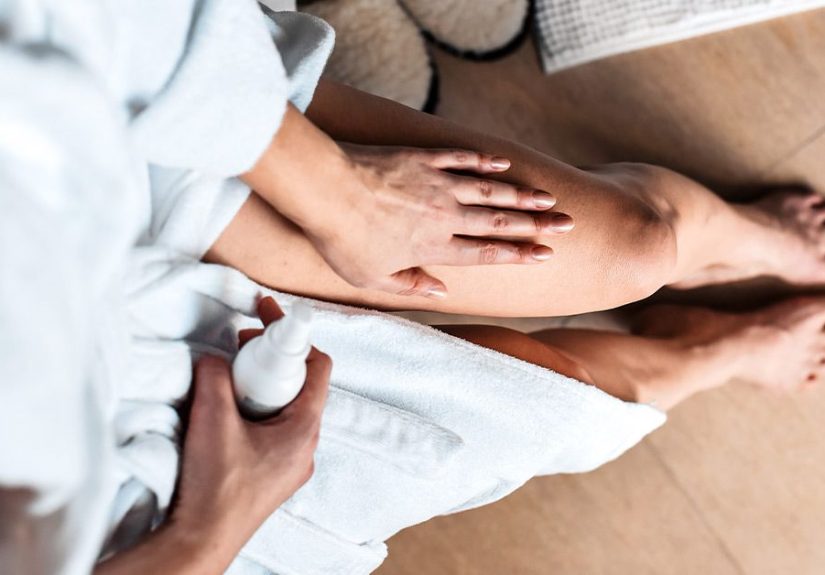
If severe dry skin had a love language, it would be: apply moisturizer to damp skin. After bathing or
washing, gently pat skin dry and moisturize right awayideally within a few minutesso you trap water in the outer layer.
This simple timing change often makes a bigger difference than buying the fanciest bottle on the shelf.
Pick the right texture: ointment > cream > lotion (usually)
For severe dryness, thicker products tend to work better because they reduce water loss.
- Ointments (very occlusive): great for cracks, hands, heels, and nighttime use
- Creams (balanced): often the best daily option for body and face
- Lotions (lighter): can help mild dryness, but may not be enough for severe dryness
If your skin is cracking or painfully itchy, consider upgrading from “lightweight lotion” to a fragrance-free cream or
ointmentat least for the driest areas.
Know the ingredient “trio” that helps severe dry skin
The best moisturizer for dry skin usually combines three types of helpers:
- Humectants (pull water in): glycerin, hyaluronic acid, urea, lactic acid
- Emollients (smooth and soften): ceramides, fatty acids, squalane, shea butter
- Occlusives (seal water in): petrolatum (petroleum jelly), mineral oil, dimethicone
If your skin is very dry and thick (especially on heels or elbows), products with urea or
lactic acid can help soften rough, scaly buildup. Just avoid applying these on open cracks, and patch-test
firstsome people feel stinging when the barrier is irritated.
Fix your shower routine (keep the comfort, lose the damage)
- Keep showers short: aim for 5–10 minutes
- Use lukewarm water: warm, not hot
- Cleanse strategically: focus soap on pits, bits, and sweaty zones
- Skip aggressive scrubbing: your skin is not a cast-iron pan
- Pat dry: don’t rub like you’re sanding a table
Hands and feet: the “high-friction zones” need special care
Hands and heels get hit hard: frequent washing, sanitizer, friction, and lots of “life” happening. A simple plan:
- Moisturize after every wash (keep a small tube by the sink)
- Use gloves for cleaning and cold weather
- At night: apply a thick ointment to hands/heels and wear cotton socks or gloves
- For heel cracks: consider urea-based foot creams, then seal with an occlusive
Humidifiers: underrated, very effective
If your home air is dry, your skin will constantly lose moisture. A humidifier can helpespecially during winter or when
indoor heat is running. Aim for a comfortable indoor humidity level (many experts suggest around the mid-range rather than
“tropical rainforest”). Keep the humidifier clean to avoid mold or bacterial buildup.
Itch relief without starting a scratch spiral
Scratching feels like relief… until it isn’t. Scratching can worsen inflammation and create tiny breaks that invite
irritation or infection. Better options:
- Cold compress: quick itch calming
- Colloidal oatmeal bath or soak (if tolerated)
- Short nails and gentle fabrics (cotton often wins)
- Targeted OTC anti-itch or hydrocortisone for short-term use on small areas (ask a clinician if unsure)
When to See a Dermatologist (or Primary Care Clinician)
Severe dry skin is often manageable at home, but it’s smart to get medical advice if you have:
- Dryness that doesn’t improve after 2–3 weeks of consistent barrier-focused care
- Cracks that bleed, worsen, or won’t heal
- A rash that’s very red, painful, or spreading
- Signs of infection: warmth, swelling, pus, crusting, fever
- Severe itch that disrupts sleep or daily life
A clinician can help identify eczema, contact dermatitis, psoriasis, fungal issues, or other conditionsand recommend
prescription treatments if needed.
Prevention Tips: Make Your Skin Barrier a Priority
Build a “lazy-proof” daily routine
Prevention works best when it’s easy. Try this:
- Morning: moisturize exposed areas (hands, face, arms)
- After shower: moisturize damp skin immediately
- Before bed: add a thicker layer to your driest zones
Choose gentle basics (and don’t let fragrance pick a fight with your skin)
If you’re prone to severe dryness, fragrance-free products are often better tolerated. Look for labels like “fragrance-free”
(not just “unscented”), and consider dye-free laundry detergent if your skin is reactive.
Dress like your skin is sensitive (because it is)
Soft, breathable fabrics can reduce irritation. If wool or rough synthetics make you itch instantly, listen to your body.
Also: cold wind is basically nature’s exfoliating fancover up exposed skin when it’s harsh outside.
Don’t over-exfoliate (especially during a flare)
Exfoliation can help with thick scale in some cases, but overdoing it can worsen severe dry skin. If your skin is cracked,
burning, or very irritated, pause scrubs, strong acids, and rough washcloths. Let the barrier heal first.
Nutrition and hydration: helpful, but not the whole story
Being dehydrated can make you feel worse overall, but severe dry skin is usually more about barrier function than
simply “not drinking enough water.” Aim for steady hydration, balanced meals, and skin-friendly fatsbut keep your main
focus on gentle cleansing and consistent moisturizing.
Quick “Severe Dry Skin” Action Plan (Save This)
- Short, lukewarm showers (5–10 minutes)
- Gentle cleanser (fragrance-free if possible)
- Moisturize damp skin immediately (within minutes)
- Use thicker products on hands, feet, and cracks
- Add a humidifier if indoor air is dry
- Protect skin from irritants (gloves, gentle laundry choices)
- See a clinician if not improving or if infection signs appear
Real-World Experiences: What People Notice (and What Helps)
When people talk about severe dry skin, the story often starts the same way: “It used to be annoying… and then it got
loud.” Loud dryness is the kind that interrupts your dayhands that sting after washing, shins that itch during meetings,
or heels that catch on socks like Velcro. A common experience is feeling confused because you’re already using “a lotion,”
but nothing changes. The missing piece is usually how and when the moisturizer is used, plus whether
the routine is quietly sabotaging the barrier.
One classic example is the “handwashing era” problem: a student, nurse, parent, or restaurant worker washes their hands
constantly, adds sanitizer between washes, and suddenly develops fingertip cracks that feel like paper cuts. People often
try a scented lotion (because it smells nice and promises “silky softness”), but the fragrance and lightweight texture
don’t help much. What tends to work better is switching to a fragrance-free cream, applying it every single time after
washing, and using a thicker ointment at nightespecially on knuckles and cuticles. Add gloves for dishwashing or cleaning,
and within a week or two, the “tiny knife cuts” often calm down.
Another common experience shows up in winter: someone’s legs get dry, flaky, and itchy, but only from the knees down.
They scrub harder in the shower to “get the flakes off,” which makes the itch worse (because now the barrier is even more
irritated). The turning point is usually swapping hot showers for lukewarm, shortening the shower, and moisturizing the
legs immediately afterward while the skin is still damp. Many people are surprised that a thicker moisturizer feels less
greasy when applied to damp skinbecause it spreads more easily and seals in water instead of sitting on top of a dry
surface.
A third pattern is “face dryness that fights back.” Someone uses a foaming cleanser morning and night, adds an exfoliating
acid “just in case,” and then wonders why their cheeks burn when they apply moisturizer. In these situations, backing off
the harsh steps for two weeksgentle cleanser once daily (or just water in the morning), then a simple barrier-supporting
moisturizeroften helps the skin stop feeling like it’s permanently offended. People also notice that sunscreen matters:
sun exposure can quietly worsen dryness and irritation, so using a moisturizer + sunscreen combo can reduce the cycle.
Finally, many people describe an emotional side to severe dryness: it’s distracting, it can feel embarrassing, and it’s
frustrating when “simple” fixes don’t work. The most helpful mindset shift is treating severe dry skin like barrier
rehabnot a one-time rescue. Consistency usually beats the “perfect” product. When someone finds a routine they can
actually repeat (short showers, gentle cleanser, moisturize damp skin, thicker layer at night), their skin often becomes
more predictable. And honestly? Predictable skin is underrated.