Table of Contents >> Show >> Hide
- What is acute bronchitis?
- Common symptoms of acute bronchitis
- Causes: Why acute bronchitis happens
- Is acute bronchitis contagious?
- Diagnosis: How healthcare pros tell what’s going on
- Treatment: What actually helps (and what usually doesn’t)
- What to avoid while you recover
- When to see a doctor
- Acute bronchitis vs. pneumonia: why the confusion?
- Prevention: lowering your odds of the next cough saga
- Experiences with acute bronchitis: what it’s like in real life (about )
- Conclusion
Acute bronchitis is basically your lungs throwing a short-term tantrum. The bronchial tubes (the airways that carry air into your lungs) get inflamed, crank out extra mucus, and suddenly you’re starring in a one-person cough concertoften right when you’re trying to sleep.
The good news: acute bronchitis is usually temporary and often improves on its own. The less-fun news: the cough can hang around like an uninvited houseguestsometimes long after you feel “fine.” Let’s break down what acute bronchitis is, what causes it, how to treat it safely, and when it’s time to call a healthcare professional.
What is acute bronchitis?
Acute bronchitis is a short-term inflammation of the bronchial tubes. It commonly happens after an upper respiratory infection (like a cold), when germs and inflammation move from your nose and throat “downstairs” into your chest. It’s sometimes called a chest cold because it can feel like your cold decided to relocate.
Acute bronchitis is different from chronic bronchitis, which is long-lasting (often related to smoking or long-term irritant exposure) and is part of the COPD family. Acute bronchitis is typically an infection-related event that comes on suddenly and improves over days to weeks.
Common symptoms of acute bronchitis
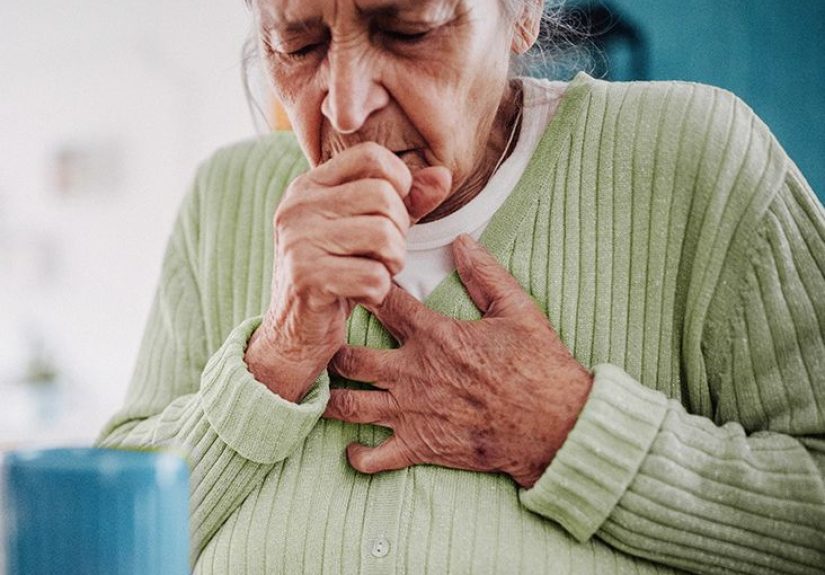
The headline symptom is a coughsometimes dry at first, then turning “productive” (bringing up mucus). Other symptoms can tag along, including:
- Cough (with or without mucus)
- Chest soreness or discomfort (coughing uses muscles; those muscles will complain)
- Fatigue (your body is doing repair work behind the scenes)
- Mild fever or chills
- Sore throat and nasal congestion (especially if it started as a cold)
- Wheezing or a whistling sound when breathing
- Shortness of breath (often mild, but it matters if it’s getting worse)
How long do symptoms last?
Many people start feeling better within a couple of weeks, but the cough can last longersometimes several weeksbecause the airway lining needs time to calm down. Think of it like a scraped knee: the injury may be “over,” but the skin still needs time to fully heal.
Does mucus color mean it’s bacterial?
Not necessarily. Yellow or green mucus can happen with viral infections, too. Color alone doesn’t reliably tell you whether you need antibiotics. Your overall symptoms, exam findings, and risk factors matter much more than what color shows up on the tissue.
Causes: Why acute bronchitis happens
Acute bronchitis is most often caused by virusesthe same general category responsible for many colds. It can also occur with influenza, COVID-19, or RSV. Less commonly, bacteria can be involved.
Triggers that can worsen symptoms
Even when infection is the main cause, irritants can make bronchitis feel worse or last longer:
- Cigarette smoke or vaping aerosols
- Air pollution
- Dust, fumes, or chemical vapors (workplace exposures count)
- Strong fragrances (your lungs may be dramatic about these right now)
Who’s more likely to get it (or get hit harder)?
Anyone can get acute bronchitis, but risk is higher if you:
- Smoke or are around secondhand smoke
- Have asthma, COPD, or other lung conditions
- Have a weakened immune system
- Are older, very young, or have chronic health conditions
- Work around dust/fumes or have frequent exposure to respiratory irritants
Is acute bronchitis contagious?
Acute bronchitis itself describes inflammation in the airways, but the viruses that cause it are contagious. If your bronchitis started after a viral illness, you can potentially spread that virus to othersespecially early on. Good etiquette helps: handwashing, covering coughs, avoiding close contact when you’re actively sick, and staying home when possible.
Diagnosis: How healthcare pros tell what’s going on
Acute bronchitis is usually diagnosed based on symptoms and a physical exam. The big goal is often to make sure it’s not something that needs different treatmentespecially pneumonia, asthma flare, or another condition that can mimic bronchitis.
What a clinician may check
- Vitals (fever, heart rate, breathing rate, oxygen level)
- Lung sounds (wheezing, crackles, signs of consolidation)
- Duration of cough and whether it’s improving
- Red flags like chest pain, significant shortness of breath, or coughing up blood
Do you need a chest X-ray?
Often, noespecially in otherwise healthy people with a normal lung exam and stable vitals. But imaging may be considered if pneumonia is suspected, symptoms are severe, or you have higher-risk health conditions.
Testing for flu or COVID-19
Because influenza and COVID-19 can start like “just a bad cold,” testing might be recommended based on your symptoms, local spread, and whether you’re within a window for antiviral treatment or need to protect high-risk contacts.
Treatment: What actually helps (and what usually doesn’t)
For most people, acute bronchitis treatment is about symptom relief and supporting recovery while your immune system clears the infection.
1) Supportive care that can make you feel human again
- Rest: Your body’s repairing inflamed airways; let it.
- Fluids: Hydration helps thin mucus so it’s easier to clear.
- Humidified air: A humidifier or warm shower steam can soothe irritated airways.
- Warm drinks: Tea, broth, or warm water can be oddly comforting (science and vibes).
- Honey for cough (not for children under 1 year): Many people find it calms cough and throat irritation.
2) Over-the-counter options (use labels and common sense)
Depending on your symptoms, OTC products may help with fever, aches, or congestion. Read labels carefully, avoid doubling up on the same ingredients across multiple products, and ask a pharmacist or clinician if you’re unsureespecially if you have chronic conditions or take other medications.
3) Inhalers or breathing treatments (sometimes)
If wheezing is significantespecially in people with asthma or reactive airwaysa clinician may recommend an inhaled bronchodilator to open airways. This isn’t for everyone, but it can be a game-changer for the “tight chest + wheeze” version of bronchitis.
4) Antibiotics: usually not the move
Here’s the plot twist many people don’t love: antibiotics usually don’t help acute bronchitis because it’s most often viral. Taking antibiotics when you don’t need them can cause side effects (hello, stomach chaos), contribute to antibiotic resistance, and doesn’t reliably shorten symptoms.
Antibiotics may be considered in specific scenarioslike suspected pertussis (whooping cough) or certain high-risk situations where a clinician is concerned about complications. But “I’m coughing a lot” and “my mucus looks gross” generally aren’t enough on their own to justify antibiotics.
5) Antivirals: a special case
If influenza is diagnosed early, antiviral medication may be recommended in some cases, especially for people at higher risk of complications. COVID-19 also has specific treatments for eligible patients. These are decision points for a clinician, based on timing, risk factors, and current guidance.
What to avoid while you recover
- Smoking or vaping: This can prolong irritation and slow healing.
- Heavy exposure to fumes/dust: If you can avoid it, do.
- Overexertion: Light activity can be fine if you’re improving, but pushing hard can keep the cough party going.
- Random leftover antibiotics: Not safe, not targeted, and not helpful.
When to see a doctor
Acute bronchitis is often manageable at home, but you should seek medical care if you have:
- Fever at or above 100.4°F (38°C) that’s persistent or concerning
- Shortness of breath, trouble breathing, or worsening wheeze
- Coughing up blood
- Symptoms lasting more than 3 weeks or repeated episodes
- Chest pain (especially if severe, new, or accompanied by breathing difficulty)
- Underlying lung/heart conditions or a weakened immune system with worsening symptoms
If an infant under 3 months has a fever of 100.4°F (38°C) or higher, that warrants urgent medical evaluation.
Acute bronchitis vs. pneumonia: why the confusion?
Bronchitis and pneumonia can both cause cough, fever, fatigue, and chest discomfort. The difference is location and severity: pneumonia involves infection deeper in the lungs (air sacs), which can make oxygen levels drop and symptoms more intense.
A practical example
Imagine two people who started with the same cold:
- Person A develops a rough cough, mild fever, and chest soreness from coughing. They feel lousy but can still drink fluids and breathe comfortably at rest. The cough slowly improves over the next couple weeks.
- Person B develops higher fever, significant shortness of breath, chest pain when breathing deeply, and feels progressively worse. This pattern raises concern for pneumonia and needs medical evaluation.
Prevention: lowering your odds of the next cough saga
- Wash hands and avoid close contact with people who are sick when possible.
- Stay up to date on vaccines recommended for you (flu, COVID-19, and pertussis boosters are common considerations).
- Avoid smoking/vaping and reduce exposure to respiratory irritants.
- Manage asthma/COPD with your clinicianbetter baseline control can reduce severe flare-ups.
Experiences with acute bronchitis: what it’s like in real life (about )
Medical descriptions are helpful, but they don’t always capture the lived experience of acute bronchitisthe part where you’re trying to do normal life while your lungs behave like a malfunctioning leaf blower. Here are common themes people report, drawn from patterns clinicians hear every day and the “why did nobody warn me?” moments that tend to come up afterward.
The cough that changes its personality. A lot of people notice the cough starts out dry and annoyingalmost like a tickle that won’t leave. A few days later, it can become wetter and more productive. This shift can feel alarming (“Is it getting worse?”), even when it’s part of the typical course. Many people say nights are the hardest: lying down seems to trigger coughing fits, and the lack of sleep makes everything feel twice as dramatic.
Chest soreness that feels suspiciously intense. The chest discomfort of acute bronchitis often surprises people. It’s not always sharp pain; sometimes it’s an achy, bruised feeling from coughing repeatedly. More than a few folks describe it as “the aftermath of doing 1,000 sit-ups… with my ribs.” This is also why some people become anxious, worrying they’ve developed something more serious. That worry is understandableand it’s also why knowing the red flags (like worsening shortness of breath or coughing up blood) is so important.
The antibiotic conversation. Many people go into a visit expecting antibioticsbecause coughing feels like an “infection,” and infection sounds like “antibiotics.” Then they find out most acute bronchitis is viral, and antibiotics won’t magically quiet the cough. Patients often describe frustration at first, followed by relief when a clinician explains what to watch for, how long symptoms typically last, and what supportive treatments can actually help. The best experiences tend to include a clear plan: “Here’s what you can do at home, here’s what improvement should look like, and here’s when to come back.”
Trying to function while feeling wiped out. Acute bronchitis is famous for making people feel drained. Many describe a weird mismatch: they don’t feel sick enough to be in bed all day, but not well enough to be productive. People who have physically demanding jobs often say the cough and fatigue make work feel ten times harder. Parents sometimes mention the challenge of caring for others while coughing nonstopespecially when kids copy the cough like it’s a new hobby.
Recovery is gradual, not cinematic. Instead of waking up one day “all better,” many people recover in small steps: coughing less often, sleeping a little more, needing fewer breaks when walking, and noticing mucus slowly decreases. It’s common to have a lingering cough even after the fever and aches are gone. People often say the most helpful mindset shift is treating the cough as a healing timeline, not a personal failure.
Conclusion
Acute bronchitis is a common, usually short-term lower respiratory infection that causes inflammation in the bronchial tubesmost noticeably a stubborn cough. In many cases, it’s triggered by viruses and improves with supportive care like rest, hydration, humidified air, and symptom management. Antibiotics typically aren’t helpful unless a clinician identifies a specific bacterial reason to use them.
The smartest move is to focus on comfort and recovery, avoid irritants like smoke, and keep an eye on warning signs. If you develop trouble breathing, cough up blood, run a significant fever, or symptoms drag past the expected window, get checked to rule out pneumonia or other conditions.