Table of Contents >> Show >> Hide
- Why Antibodies Matter in Scleroderma
- The Big Three, Translated
- Other Antibodies You’ll Hear About
- How Antibodies Fit Into Diagnosis
- Testing Basics (and Pitfalls)
- What Each Antibody Suggests About Monitoring
- Treatment Is Not Chosen by Antibody AloneBut Antibodies Help
- FAQ: Real-World Questions People Ask
- Putting It Together: How Antibodies Guide Next Steps
- Conclusion
- Extended Experiences & Practical Insights (≈)
Short version: In systemic sclerosis (scleroderma), your antibody “badge” often predicts the kind of disease you’ll have, the organs most likely to need attention, and even how doctors confirm the diagnosis. Think of these autoantibodieslike anti-centromere, anti-topoisomerase I (Scl-70), and anti-RNA polymerase IIIas road signs that help clinicians choose smarter screening and care plans. We’ll translate the science into plain English so you can actually use it at your next appointment (and maybe even impress your rheumatologistrespectfully).
Why Antibodies Matter in Scleroderma
Scleroderma is an autoimmune connective tissue disease marked by vascular injury and fibrosis. While no single blood test “proves” you have it, certain systemic sclerosis–specific autoantibodies strongly support the diagnosis and map to clinical subtypes. In fact, the widely used 2013 ACR/EULAR classification criteria give meaningful weight to SSc-specific antibodies because they improve sensitivity compared with older criteria.
Three antibody families dominate conversations in clinic: anti-centromere (ACA), anti-topoisomerase I (Scl-70), and anti-RNA polymerase III (RNAP III). They’re common (together found in a majority of patients), usually mutually exclusive, and each one tends to travel with a signature pattern of organ involvement.
The Big Three, Translated
1) Anti-Centromere Antibodies (ACA)
- What they’re linked to: Often seen in limited cutaneous systemic sclerosis (lcSSc), historically called CREST. Patients have a higher risk for pulmonary arterial hypertension (PAH), more digital ischemia and telangiectasias, and generally lower risk of interstitial lung disease (ILD) than some other antibody groups. Survival is often better than in diffuse disease.
- How they help diagnosis: A positive ACA supports SSc in the right clinical picture (Raynaud’s, skin changes, nailfold capillary abnormalities) and contributes points toward classification.
- Testing tidbit: On ANA by immunofluorescence, ACA typically shows a distinctive “centromere” pattern; a specific anti-CENP assay confirms it.
2) Anti-Topoisomerase I Antibodies (Scl-70)
- What they’re linked to: More often associated with diffuse cutaneous SSc (dcSSc), earlier and higher risk of ILD, and more aggressive internal organ involvement than ACA-positive disease. If Scl-70 is present, clinicians watch the lungs closely.
- How they help diagnosis: Like ACA, Scl-70 positivity is an SSc-specific marker in the ACR/EULAR scoring scheme.
- Mechanistic note: Experimental work suggests anti–topoisomerase I can activate fibroblasts and promote extracellular matrix depositionone plausible reason Scl-70 tracks with fibrotic complications.
3) Anti-RNA Polymerase III Antibodies (RNAP III)
- What they’re linked to: Typically diffuse skin involvement that can progress rapidly, a higher risk of scleroderma renal crisis, and a clinically important association with malignancy around the time of disease onset in some patients.
- How common: Meta-analyses estimate RNAP III antibodies in roughly 9–10% of SSc.
- Care implications: Many clinicians intensify blood pressure monitoring and consider age-appropriate (and sometimes enhanced) cancer screening, especially within a window of a few years around symptom onset.
Other Antibodies You’ll Hear About
Beyond the big three, multiple “minor” antibodies fine-tune risk profiles. Anti-U3 RNP (fibrillarin) often correlates with internal organ involvement and can be more frequent in certain ancestries; anti-Th/To tends to occur in limited disease but with possible lung or vascular issues; PM/Scl suggests scleroderma–myositis overlap; and Ro52 may signal broader autoimmune activity. These aren’t always part of first-line panels everywhere, but they’re increasingly available and can help personalize surveillance.
How Antibodies Fit Into Diagnosis
Doctors don’t diagnose scleroderma by antibody alone. They combine history (Raynaud’s, reflux, puffy hands), examination (skin thickening pattern, telangiectasias, calcinosis), nailfold capillaries, and organ testing (PFTs, HRCT chest, echocardiogram, labs). The 2013 ACR/EULAR criteria assign points for SSc-specific autoantibodiesso a positive ACA/Scl-70/RNAP III meaningfully raises the probability that what looks like scleroderma actually is. The net effect? Earlier classification and earlier, targeted screening.
Testing Basics (and Pitfalls)
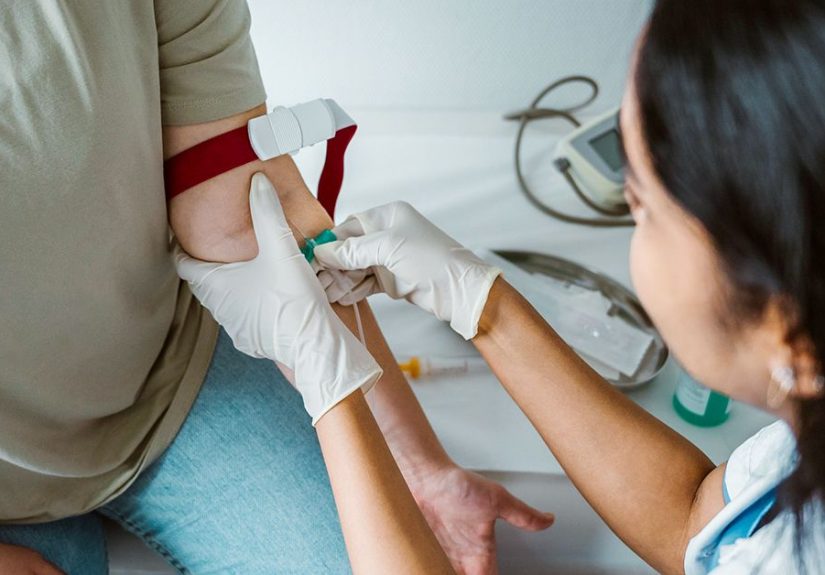
- ANA first, then reflex testing: Most labs start with an ANA by indirect immunofluorescence on HEp-2 cells. If positiveespecially with a centromere, nucleolar, or speckled patternlabs reflex to SSc-specific assays (ACA, Scl-70, RNAP III, etc.). Pattern plus specificity tells a richer story than either alone.
- Assays differ: Solid-phase assays vary in sensitivity/specificity. If results don’t match the clinical picture, clinicians may repeat or use a different method, especially for RNAP III and Scl-70. (Translation: one odd lab doesn’t always rewrite your diagnosis.)
- Don’t chase titers forever: In SSc, antibody titers don’t reliably track day-to-day disease activity, so repeat testing is limited and strategic. Your doctor will focus more on symptoms, imaging, and function tests than on whether your ACA went from 1:320 to 1:160.
What Each Antibody Suggests About Monitoring
Antibodies aren’t destiny, but they shape a smart surveillance plan. Here’s a quick, clinic-style cheat sheet you can discuss with your care team:
If you’re ACA-positive (often limited cutaneous)
- Cardiopulmonary: Regular echocardiograms and BNP/NT-proBNP screening for PAH risk, plus 6-minute walk tests as clinically indicated.
- Vascular/skin: Attention to Raynaud’s management, digital ulcers, and calcinosis; consider calcium channel blockers or PDE-5 inhibitors per guidelines.
- Lungs: ILD risk is lower than with Scl-70, but baseline PFTs (spirometry, DLCO) are still good practice.
If you’re Scl-70–positive (often diffuse cutaneous)
- Lungs: Early and periodic PFTs and consideration of HRCT (high-resolution chest CT) to catch ILD; prompt treatment discussion if declining function or radiographic fibrosis emerges.
- Heart & others: Watch for cardiac involvement; coordinate with rheumatology and pulmonology for antifibrotic or immunomodulatory options per current EULAR guidance.
If you’re RNAP III–positive (often diffuse, sometimes rapid)
- Kidneys: Vigilant blood pressure checks at home and in clinic to catch scleroderma renal crisis early; rapid action if headaches, visual changes, or sudden BP spikes occur.
- Cancer screening: Age-appropriate screening on time (and sometimes tailored/enhanced near disease onset) due to the observed temporal association in some cohorts. Discuss timing with your team.
Treatment Is Not Chosen by Antibody AloneBut Antibodies Help
Therapies are picked to treat what’s happeningfor example, vasodilators for PAH, mycophenolate for ILD, ACE inhibitors emergently for renal crisis, and newer targeted therapies for fibrosis per updated EULAR recommendations. Your antibody pattern helps your team predict which complications to scout for and treat early.
FAQ: Real-World Questions People Ask
“My ANA is positive. Does that mean I have scleroderma?”
Not necessarily. ANA can be positive in many conditions and even in some healthy people. What matters is the whole picturesymptoms, exam, capillaroscopy, and SSc-specific antibodies.
“Can antibodies change over time?”
Most SSc-specific antibodies, once present, remain detectable. Your care team tracks complications with imaging and function tests rather than chasing titers.
“Do I need different cancer screening if I’m RNAP III–positive?”
Talk with your clinician. Studies show a closer temporal clustering of cancer around disease onset in RNAP III–positive SSc, prompting some teams to be more vigilant early on. The approach is individualized based on age, sex, family history, and local guidelines.
Putting It Together: How Antibodies Guide Next Steps
Antibody profiles are about precision monitoring. ACA nudges focus toward pulmonary hypertension surveillance; Scl-70 raises ILD vigilance; RNAP III pulls attention to blood pressure and timely cancer screeningespecially near onset. Combined with the 2013 ACR/EULAR classification framework and modern treatment guidance, they help clinicians move from generic checklists to targeted action.
Conclusion
Scleroderma antibodies aren’t just lab report alphabet soupthey’re clinical signposts. Whether it’s ACA directing attention to PAH, Scl-70 flagging earlier lung imaging, or RNAP III cueing kidney vigilance and mindful cancer screening, knowing your antibody status empowers smarter conversations and earlier interventions. Pair that knowledge with guideline-directed care and regular follow-up, and you’ve got a strategy rather than guesswork.
sapo: Scleroderma antibodies do more than confirm suspicionthey point to likely organ risks and help tailor your monitoring plan. This in-depth guide breaks down the big three (anti-centromere, anti-topoisomerase I, anti-RNA polymerase III), the 2013 ACR/EULAR criteria, and what each antibody pattern means for lungs, heart, kidneys, and cancer screening. Walk into your next appointment knowing exactly which questions to ask and which tests to expect.
Extended Experiences & Practical Insights (≈)
What patients often notice first. A lot of people with future SSc recall months to years of cold-sensitive fingers (Raynaud’s), puffy hands in the morning, or stubborn reflux before anyone mentions “scleroderma.” When antibodies later come back positive, it can feel like the missing puzzle piece. ACA-positive folks frequently say, “My skin isn’t that thick, but my fingers turn patriotic colors in the freezer aisle.” That vignette fits: ACA tracks with vascular features and PAH risk more than deep skin thickening. If that’s you, bringing photos of color changes and a symptom diary helps your team gauge severity and treatment response over time.
Living with Scl-70 and the ILD watch. People with Scl-70 often describe shortness of breath that sneaks upclimbing stairs feels harder, or the dog’s favorite hill becomes a negotiation. The lung story in Scl-70 is why many clinics build a rhythm: baseline PFTs, early HRCT if needed, and prompt discussion of immunomodulatory therapy if there’s evidence of inflammatory ILD. Several patients remark that having concrete lung numbers (FVC, DLCO) reduces anxiety: you can track change, not just fear it. If your center offers pulmonary rehab, consider itstructured breathing work and conditioning make daily life easier while your medications do the slow work.
RNAP III, blood pressure, and “know your normal.” For RNAP III–positive patients, a simple home BP cuff is a power tool. People often set phone reminders to check BP daily for the first year or two after diagnosis, especially if skin thickening is moving quickly. The goal isn’t to worry; it’s to catch an unexpected jump that might signal renal crisis. One practical trick: keep a tiny wallet card with your usual BP range and your rheumatology/nephrology contacts. If a pharmacist or urgent care provider sees a sudden spike, that card cues rapid, appropriate care.
Talking about cancer screening without panic. Conversations about RNAP III and malignancy should be factual and time-bounded. Patients tell us it helps when teams explain that the risk signal clusters near the onset of disease in cohort studies, so the plan is to be thorough in that periodthen resume age-appropriate screening thereafter. It’s not about expecting cancer; it’s about not missing it early if it’s there. That framing lowers anxiety and increases follow-through on mammograms, colonoscopy, Pap/HPV testing, or targeted imaging guided by symptoms and personal history.
Mind the basics that help everyone. Regardless of antibody flavor, small, consistent habits pay off: warming strategies for Raynaud’s (rechargeable hand warmers, layered gloves), mouth and skin care for dryness and tightness (humidifiers, emollients, dental checkups), reflux routines (early dinners, bed head elevation), and vaccinations per guideline to reduce infection risk. Many patients find value in connecting with scleroderma support communities for practical hacks (zipper pulls, jar openers, adaptive kitchen tools) and for the steadying reminder that you’re not navigating this alone.
Final encouragement. Your antibody is a compass, not a verdict. Use it to co-create a monitoring plan with your clinicians, keep your appointments, and speak up early if something feels off. Precision care in scleroderma is a team sportand knowing your antibody status makes you a stronger captain.