Table of Contents >> Show >> Hide
- Why Pregnancy and Weight Gain Can Feel Weirdly Similar
- The Most Reliable Shortcut: When (and How) to Take a Pregnancy Test
- Signs That Lean More Toward Pregnancy (Especially Together)
- Signs That Lean More Toward Weight Gain, Bloating, or “Life Happening”
- Common Myths That Don’t Help (and Make You Overthink Your Belly)
- A Simple “Pregnant vs. Weight Gain” Checklist
- When to Get Medical Care ASAP (Don’t “Wait It Out”)
- FAQ: The Questions Everyone Googles at 2:00 a.m.
- Bottom Line
- Real-World Experiences: What People Notice (and What Actually Helped)
- Experience #1: “My belly was bigger… but it changed by the hour.”
- Experience #2: “My boobs felt different than PMS. Not just soredifferent.”
- Experience #3: “I was exhausted and moody… but so was my calendar.”
- Experience #4: “I tested too early, got a negative, and spiraled.”
- Experience #5: “My weight jumped fastand it wasn’t pregnancy.”
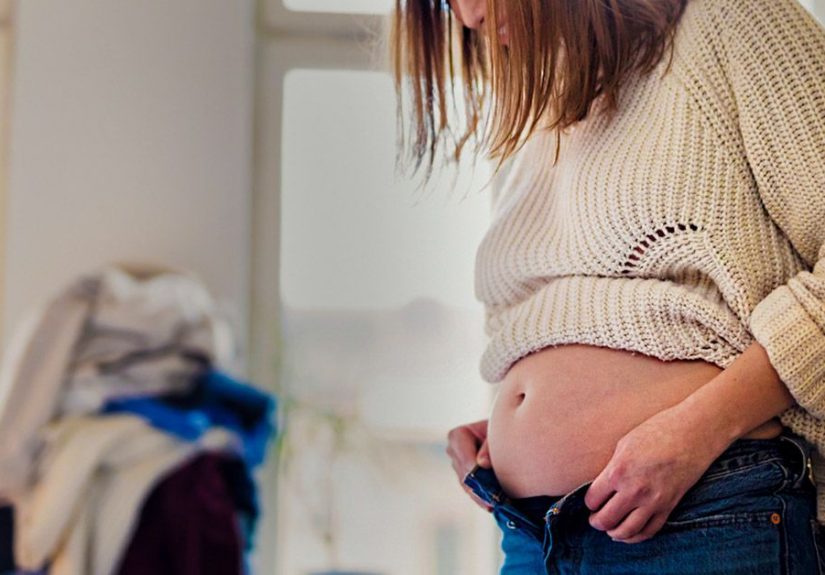
Your jeans are tighter. Your stomach feels… suspiciously round. You’re tired, moody, and suddenly the smell of garlic makes you want to move to a new planet. So now you’re staring into the mirror doing advanced detective work like: Is this pregnancy… or did my snack budget quietly become my main personality trait?
Let’s make this simple, accurate, and a little less panic-y. This guide walks through the most common signs of early pregnancy versus typical weight gain or bloating, plus the fastest way to get a real answer (spoiler: it’s not “poking your belly and squinting”).
Quick note: This is general health information, not medical advice. If you think you might be pregnant, a home pregnancy test and/or a clinician visit is the most reliable next step.
Why Pregnancy and Weight Gain Can Feel Weirdly Similar
Early pregnancy symptoms overlap with everyday body changes because hormones affect everything: your digestion, your appetite, your mood, your sleep, and even how much fluid your body holds onto. Meanwhile, “weight gain” isn’t always fat gainit can be water retention, constipation, stress-related appetite shifts, medication side effects, or hormonal changes across your cycle.
Translation: Your body has a limited number of ways to say, “Something’s changing,” and it loves reusing the same “tired + bloated” message for totally different reasons.
The Most Reliable Shortcut: When (and How) to Take a Pregnancy Test
If pregnancy is even a possibility, a test beats symptom-guessing every time. Home pregnancy tests look for hCG, a hormone your body makes during pregnancy. Timing matters: testing too early is the #1 reason people get a false negative.
Best timing (in plain English)
- If you have regular periods: Test after you miss your period for the most reliable results.
- If your periods are irregular: Consider testing about 3 weeks after the sex that could’ve caused pregnancy (or talk to a clinician sooner).
- If you test negative but still suspect pregnancy: Wait a couple days and test again, or get a blood test from a clinician.
How to avoid “user error” (aka the test wasn’t wrong, we were just stressed)
- Use first-morning urine if possible (it can be more concentrated).
- Check the expiration date.
- Follow the timing instructions exactlydon’t read it too soon or 45 minutes later “for vibes.”
- If results are unclear, retest or confirm with a clinician.
A clinician can also use a blood test (which can detect pregnancy earlier than some urine tests) and confirm what’s going onespecially helpful if symptoms are intense, your cycle is unpredictable, or you’re getting mixed results.
Signs That Lean More Toward Pregnancy (Especially Together)
No single symptom “proves” pregnancy (except a positive test), but certain patterns make pregnancy more likelyespecially when multiple symptoms show up together.
1) A missed period (the classic cluewhen your cycle is usually regular)
A missed period is often the first sign people notice. That said, stress, travel, illness, big weight changes, and some medical conditions can also delay a period. If you’re late and pregnancy is possible, testing is the cleanest answer.
2) Breast changes that feel different than your usual PMS
Tenderness can happen with PMS and pregnancy, but pregnancy-related changes may feel more intense, last longer, or come with swelling and sensitivity that doesn’t match your normal pattern. Some people also notice areola changes later on, but early on it’s usually soreness and swelling.
3) Nausea (not always “morning”)
Nausea can show up in early pregnancy, sometimes with food aversions or heightened smell sensitivity. But nausea also happens from stress, reflux, stomach bugs, anxiety, and even “I accidentally drank coffee on an empty stomach again.”
4) Fatigue that hits like a surprise power outage
Feeling unusually tired is common in early pregnancy, but it’s also common with poor sleep, stress, busy schedules, anemia, thyroid issues, and about a hundred other things. The key is whether this fatigue is a sharp change from your baseline.
5) Frequent urination
Needing to pee more often can happen early in pregnancy. It can also happen if you’re hydrating more, drinking caffeine, or dealing with a urinary tract infection. (If peeing burns or you have pelvic pain, talk to a clinician.)
6) Light spotting around the time your period is due
Some people experience light spotting in early pregnancy. But spotting can also happen for non-pregnancy reasonscycle variation, hormonal changes, or other causes. If bleeding is heavy, painful, or you feel dizzy, get medical care urgently.
Signs That Lean More Toward Weight Gain, Bloating, or “Life Happening”
Weight gain can be slow and steady, sudden and watery, or mostly “my stomach is inflatable now.” Here are patterns that tend to point away from pregnancy and toward everyday weight changes, digestion, or hormones.
1) The scale is up, but your period shows up (even if it’s annoying)
If you’ve had a normal period since the last time pregnancy could have happened, pregnancy is less likely. (Not impossiblebodies can be trickybut less likely.) If you’re unsure whether bleeding was a true period, testing is still reasonable.
2) Your “gain” is mostly in your belly and changes day to day
Pregnancy doesn’t usually make your abdomen noticeably larger in the first couple weeks. A belly that’s flatter in the morning and puffier by evening screams bloating (digestion, constipation, salt, carbonated drinks, stress, hormones).
3) Your clothes are tighter in multiple areas
Weight gain often shows up in more than one place: waist, hips, thighs, arms, and sometimes the face. Early pregnancy symptoms can include bloating, but it’s not typically “I gained two pant sizes everywhere overnight.”
4) You’ve recently changed your routine (even “good” changes)
- Less sleep or higher stress (hello, snack cravings).
- Less movement (busy season, injury, new schedule).
- More “liquid calories” (sweet drinks, fancy coffee, alcohol).
- New workouts that increase appetite or cause temporary water retention.
5) Possible medical or medication-related causes
Unintentional weight gain can be linked to things like hormone changes, thyroid issues, PCOS, menopause/perimenopause, certain medications, and fluid retention. If weight changes are rapid, unexplained, or come with swelling, shortness of breath, or other new symptoms, a clinician should evaluate it.
Common Myths That Don’t Help (and Make You Overthink Your Belly)
Myth: “Pregnancy belly feels hard; weight gain feels soft.”
Not reliable. Your belly texture changes with bloating, posture, muscle tension, constipation, and (yes) stress. Early pregnancy doesn’t come with a magical, unmistakable “pregnancy hardness” you can diagnose by poking yourself like a loaf of bread.
Myth: “If I’m pregnant, I’ll know immediately.”
Many people don’t feel anything early on, and many people feel a lotwithout being pregnant. Symptoms aren’t a lie detector test. A pregnancy test is.
A Simple “Pregnant vs. Weight Gain” Checklist
Use this as a calm decision toolnot a verdict.
Step 1: Ask the timing question
- Was there sex that could result in pregnancy?
- Has it been at least 10–14 days since then (or are you past a missed period)?
Step 2: Look for the strongest pregnancy signals
- Missed period (when your cycle is usually predictable)
- New breast tenderness/swelling that persists
- Nausea/food aversions + fatigue + frequent urination (a cluster)
Step 3: Look for strong “not pregnancy” patterns
- Symptoms fluctuate sharply day to day (classic bloating)
- Clear lifestyle changes explain the gain (sleep, stress, diet, routine)
- Digestive issues (constipation, gas) are front-and-center
Step 4: Test, don’t guess
If pregnancy is possible and you’re near/after a missed period, take a home pregnancy test. If it’s negative but your period doesn’t come, retest in a couple of days or talk to a clinician.
When to Get Medical Care ASAP (Don’t “Wait It Out”)
Some symptoms can signal serious issues in pregnancy or non-pregnancy situations. Seek urgent medical care if you have:
- Severe abdominal or pelvic pain
- Heavy bleeding, bleeding with dizziness, or fainting
- Severe or persistent vomiting (can’t keep fluids down)
- Rapid swelling, sudden rapid weight gain, or shortness of breath
- Severe headache, vision changes, chest pain, or leg swelling/pain
FAQ: The Questions Everyone Googles at 2:00 a.m.
Can stress delay my period and also cause weight gain?
Yes. Stress can affect appetite, sleep, and routines, and it can also shift your cycle. That overlap is exactly why testing is so useful when pregnancy is possible.
Can I feel pregnancy symptoms right after sex?
Usually not. It takes time for implantation and hormone levels to rise. Symptoms one or two days later are more likely due to normal hormonal changes, stress, or digestion.
If my test is negative, does that mean I’m definitely not pregnant?
Not alwaysespecially if you tested early. If your period doesn’t come, repeat the test after a couple of days or confirm with a clinician.
Bottom Line
Early pregnancy and weight gain can look alike because hormones and digestion love chaos. But you don’t have to live in symptom-limbo. If pregnancy is possible, the most accurate move is a properly timed testthen follow up if results don’t match what your body is doing. And if you have severe pain, heavy bleeding, fainting, or can’t keep fluids down, treat that as urgent.
Real-World Experiences: What People Notice (and What Actually Helped)
Here’s the honest truth: most people don’t have a cinematic “I just knew” moment. More often, it’s a collection of small clues that slowly become too loud to ignore. The experiences below are common patterns people describeshared here to help you recognize what’s worth acting on, not to replace a test or medical care.
Experience #1: “My belly was bigger… but it changed by the hour.”
A lot of people report a sudden “pregnancy panic” when their stomach looks rounder than usualespecially after meals. But when they paid attention over a few days, the pattern looked more like classic bloating: flatter in the morning, puffier at night, worse after salty foods, fizzy drinks, or when they were constipated. What helped wasn’t a new mirror angleit was simple digestion basics: more water, more fiber, less carbonated drinks, and noticing stress triggers. For many, the “bump” disappeared after a normal bowel movement (which is both hilarious and extremely humbling).
Experience #2: “My boobs felt different than PMS. Not just soredifferent.”
People who know their PMS symptoms well sometimes describe early pregnancy breast changes as “next level.” The tenderness may feel more intense, more persistent, or paired with a sense of heaviness or fullness that doesn’t fade the way PMS usually does. The key detail in these stories isn’t that breast tenderness equals pregnancyit’s that the symptom didn’t match their normal cycle pattern. In many cases, that “this is not my usual PMS” feeling was the nudge to take a test at the right time.
Experience #3: “I was exhausted and moody… but so was my calendar.”
Fatigue is one of the trickiest symptoms because it’s also a sign of modern life. Students during exams, people working extra shifts, anyone sleeping too little they can all feel wiped out and emotionally fragile. Some people assumed they were pregnant because they were suddenly tired, only to realize their sleep had quietly dropped from 8 hours to 5. Others had the opposite experience: they were sleeping normally and still felt unusually drained, like their energy got repossessed. The most helpful move was tracking: sleep, meals, stress level, and cycle timing for a week or two. If pregnancy was possible, they tested after a missed period instead of relying on vibes.
Experience #4: “I tested too early, got a negative, and spiraled.”
This is extremely common. Someone worries, tests immediately, sees a negative result, and either relaxes too soon or panics harder because symptoms continue. Later, they learn the test was taken before hCG was high enough to detect. The people who felt most in control did two things: (1) retested after a couple of days (or after a missed period), and (2) followed the instructions exactlyespecially the read-time window. If uncertainty remained, a clinician visit cleared it up fast.
Experience #5: “My weight jumped fastand it wasn’t pregnancy.”
Rapid weight gain can happen from fluid retention, medication changes, hormone shifts, or stress and sleep disruption. Some people noticed swelling in their hands, ankles, or face alongside the scale jump. In those cases, the smartest step was medical evaluationnot because pregnancy was guaranteed, but because sudden changes can signal issues that deserve attention. The takeaway from these stories is simple: if weight changes are rapid, unexplained, or come with swelling or other symptoms, it’s worth getting checked out.
If you recognize yourself in any of these experiences, you’re not alone. The goal isn’t to become a full-time symptom investigatorit’s to use symptoms as a clue, then use testing and healthcare support to get real clarity.