Table of Contents >> Show >> Hide
- Why Stomach Problems Can Tag Along With Schizophrenia
- Common Stomach and Gut Problems People Report
- Medication and the Gut: What to Know (Without Panic-Googling at 2 a.m.)
- When Stomach Symptoms Need Quick Medical Attention
- How Treatment Usually Works: A Whole-Person Plan
- Food, Microbiome, and Schizophrenia: What’s Real vs. What’s Hype
- Practical Tips for Patients and Caregivers
- Experiences: What Living With This Can Feel Like (and What Often Helps)
- Conclusion
If you live with schizophrenia (or love someone who does), you already know it’s not “just” a brain conditionit can show up
in the body, too. One of the most common places it likes to crash the party? The digestive system. Constipation, nausea,
belly pain, reflux, unpredictable bathroom schedules… it can feel unfair, like you didn’t order the “mental health entrée
with a side of stomach chaos.”
The good news: there are real, understandable reasons these issues happen, and there are practical ways to treat them.
This article breaks down the most common connections between schizophrenia and stomach problems, what to watch for,
how treatment usually works, and how to advocate for care that treats the whole personnot just one organ system.
Why Stomach Problems Can Tag Along With Schizophrenia
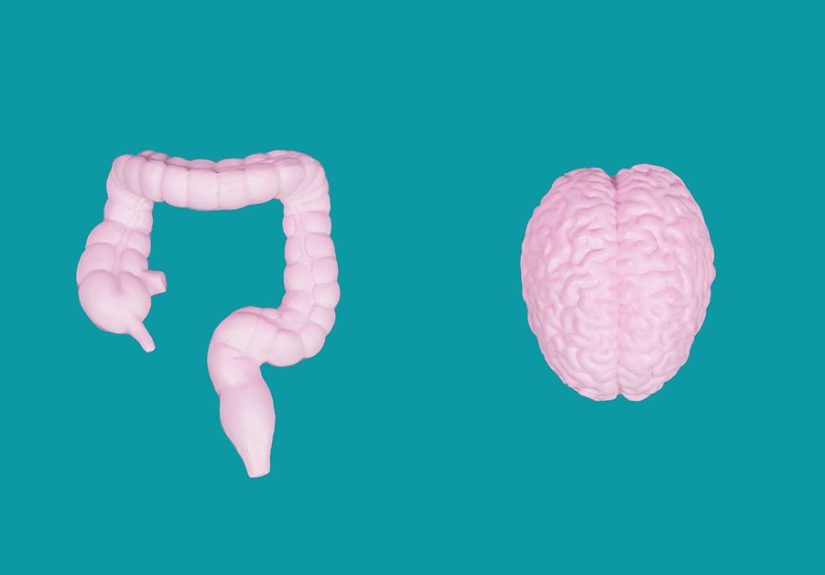
1) The gut-brain connection is a two-way street
Your brain and your digestive system talk constantly through nerves, hormones, and immune signals. That’s why stress can
make your stomach flip, and why long-term digestive irritation can affect mood and energy. Researchers often call this
“the brain-gut connection” or “gut-brain axis.” When either side is under strainpsychiatric symptoms, chronic stress,
sleep disruption, inflammationit can show up as GI symptoms like cramps, nausea, constipation, or diarrhea.
2) Medications can change digestion (sometimes a lot)
Antipsychotic medications are a cornerstone of schizophrenia treatment, helping reduce symptoms and prevent relapse.
But many antipsychotics can affect digestion by slowing gut movement, changing appetite, or causing side effects such
as constipation or nausea. Sometimes, it’s not the diagnosis causing the stomach issueit’s the treatment plan needing
a tune-up.
3) Lifestyle factors and access to care matter
Schizophrenia can make daily routines harderregular meals, hydration, grocery shopping, cooking, exercise, and
scheduling medical appointments. If your diet becomes lower in fiber, if you’re not drinking enough fluids, or if you’re
less physically active, constipation and reflux can become frequent visitors. Add in financial stress, transportation
barriers, and fragmented healthcare, and GI issues can stay untreated longer than they should.
4) Stress and anxiety can amplify functional GI symptoms
Digestive problems like irritable bowel syndrome (IBS) are “stress-sensitive” for many people, meaning symptoms can flare
during periods of worry, disrupted sleep, or life changes. Even if schizophrenia symptoms are stable, everyday stress can
still trigger gut symptomsbecause your gut does not care that you have plans.
Common Stomach and Gut Problems People Report
Constipation
Constipation typically means fewer than three bowel movements per week, hard or lumpy stools, straining, or the feeling
that you didn’t fully “finish the job.” It can be uncomfortable, distracting, and easy to ignoreuntil it isn’t.
Constipation is especially common with medications that have anticholinergic effects (they can slow the intestines),
as well as with dehydration, low fiber intake, and low activity.
Acid reflux (GERD)
Gastroesophageal reflux disease (GERD) happens when stomach contents flow back into the esophagus and cause symptoms like
heartburn, sour taste, chest discomfort, chronic cough, or hoarseness. Reflux can be worsened by late-night meals,
larger portions, certain foods, and weight changessome of which can be influenced by medication side effects or daily
routines.
Nausea, upset stomach, and appetite changes
Some people experience nausea when starting or adjusting psychiatric medications. Appetite may increase (or sometimes
decrease), and eating patterns can become irregular. Skipping meals then eating a large dinner later can be a reflux
recipe. So can eating quickly, eating under stress, or relying on convenience foods that are lower in fiber.
IBS-like symptoms (cramping, diarrhea, constipation, or both)
IBS is a functional GI disorderreal symptoms, real distress, but often without a visible structural cause on standard tests.
For some people, stress management and routine changes help as much as (or more than) medications. If you notice symptoms
tied to stress, sleep loss, or certain foods, IBS may be worth discussing with a clinician.
Medication and the Gut: What to Know (Without Panic-Googling at 2 a.m.)
Antipsychotics can cause constipation and other GI side effects
Many antipsychotic medications can cause constipation. Others can cause dry mouth (which can reduce fluid intake),
nausea, or appetite changes. None of this means “don’t take your meds.” It means: treat side effects early, and tell
your prescriber what’s happeningbecause suffering in silence isn’t a treatment strategy.
Clozapine deserves special attention
Clozapine can be life-changing for people with treatment-resistant schizophrenia, but it’s also well known for causing
constipation and slowing gut movement. The FDA has strengthened warnings that untreated constipation with clozapine can
lead to serious bowel problems. In plain English: if you’re taking clozapine, bowel habits are not “awkward small talk”
they’re important medical data.
Many clinicians recommend proactive monitoring: tracking bowel movements, reviewing other constipating medications,
and treating constipation promptly. In some cases, clinicians may even consider preventive laxatives for higher-risk patients.
Your job isn’t to self-prescribeyour job is to report symptoms early and clearly.
“Add-on” medications can pile on side effects
Some people take additional medications for side effects (like movement symptoms) or for sleep, allergies, or nausea.
Certain drugs with anticholinergic effects can worsen constipation, especially when combined. This is why a full medication
listincluding over-the-counter meds and supplementsshould be part of every appointment.
Newer options exist, but side effects still matter
Schizophrenia treatment continues to evolve. Some newer medications target different receptors than traditional
dopamine-focused antipsychotics. Even so, any effective medication can have side effectsso the goal is always
benefit-versus-burden, adjusted to the individual.
When Stomach Symptoms Need Quick Medical Attention
Most constipation or reflux can be managed, but some symptoms should not wait:
- Severe or worsening abdominal pain
- Persistent vomiting or inability to keep fluids down
- Blood in stool or black/tarry stools
- Unexplained weight loss
- Fever with significant GI symptoms
- Constipation that becomes severeespecially if taking clozapine
- Difficulty swallowing, chest pain, or choking sensations with reflux symptoms
If any of these occur, seek urgent medical evaluation. It’s not “overreacting.” It’s basic maintenancelike taking a weird
noise in your car seriously before it becomes a dramatic roadside story.
How Treatment Usually Works: A Whole-Person Plan
Step 1: Bring the gut symptoms into the treatment conversation
The most important first step is saying it out loud: “My stomach is not okay.” A psychiatrist can help identify whether a
medication change might reduce symptoms, but primary care clinicians and gastroenterologists can help rule out other causes
and treat the GI condition directly. Ideally, care is coordinatedbecause your body is one connected system, not a group project
where nobody talks to each other.
Step 2: Track symptoms like a detective (not like a judge)
A simple symptom log can help: bowel movement frequency, stool consistency, pain level, reflux triggers, meal timing,
hydration, and medication changes. This isn’t about perfection. It’s about patterns. Patterns give clinicians something
concrete to work with.
Step 3: Treat the specific issue with evidence-based tools
Constipation toolbox
First-line constipation treatment often includes diet and routine changes: increasing fiber, drinking enough fluids,
and staying physically active. Fiber helps soften and bulk stools, while fluids and movement help things move through.
If you increase fiber, fluids matter even moreotherwise fiber can backfire and worsen constipation.
If lifestyle measures aren’t enough, clinicians may recommend a stool softener, an osmotic laxative, or other treatments,
depending on the situation. If constipation is medication-related, your prescriber may also adjust doses, switch medicines,
or change add-on medications that worsen constipation.
GERD toolbox
GERD treatment often starts with lifestyle changes: smaller meals, avoiding lying down soon after eating, identifying
trigger foods, and sometimes weight management. Over-the-counter options include antacids and H2 blockers; proton pump
inhibitors (PPIs) can be more effective for frequent symptoms and may be used short-term or longer-term under medical guidance.
If symptoms persist, clinicians may recommend additional evaluation. That’s not scaryit’s just making sure nothing else is
going on and matching treatment to the actual problem.
IBS-like symptom toolbox
IBS care often combines symptom relief (diet adjustments, fiber type selection, medications when appropriate) with
nervous-system support: stress management, sleep improvement, therapy approaches, and routine stabilization. Since IBS is
stress-sensitive for many people, mental health support can reduce gut symptomsand gut symptom relief can reduce stress.
It’s a nice little cycle when it works in your favor.
Food, Microbiome, and Schizophrenia: What’s Real vs. What’s Hype
You may have heard that “gut health affects mental health,” and research does support a strong gut-brain connection.
Scientists are actively studying how the gut microbiome, immune signaling, and inflammation relate to mood, cognition,
and psychiatric symptoms. That said, microbiome science is still evolving. It’s not a magic shortcut, and anyone selling a
supplement as a cure is auditioning for a role in a documentary called Scams: Season 12.
What tends to be most helpful (and least risky) are the boring basics that work across many health conditions:
regular meals, enough fiber, fruits and vegetables, adequate hydration, and limiting ultra-processed foods when possible.
If someone wants to try probiotics or dietary changes, it’s smart to do it with clinical guidanceespecially if symptoms
are significant or medications are complex.
Practical Tips for Patients and Caregivers
- Make constipation a routine check-in. Especially if taking clozapine or other constipating medications.
- Hydration is a strategy. If you’re increasing fiber, increase fluids too.
- Build “meal rhythm.” Even two consistent meals plus planned snacks can reduce reflux and nausea.
- Move a little, often. Gentle daily activity supports gut motility and sleep.
- Review all meds regularly. Include OTC meds (like antihistamines) and supplements.
- Use support systems. Family education and community programs can help maintain routines and catch symptoms early.
- Bring a buddy to appointments. When symptoms are complex, a second set of ears helps.
If you’re supporting someone with schizophrenia, remember: digestive symptoms can feel embarrassing. Treat them like any
other health problemnormal, addressable, and worth taking seriously.
Experiences: What Living With This Can Feel Like (and What Often Helps)
People don’t always connect the dots between schizophrenia and stomach problems at first. A common experience is noticing
that GI symptoms quietly build in the background while everyone is (understandably) focused on psychiatric stability.
Someone might say, “My meds are helping, but I feel bloated all the time,” or “I’m anxious about leaving the house because
my stomach is unpredictable.” When life already requires extra planningappointments, refills, therapy sessionsadding
digestive symptoms can feel like one more unpredictable obstacle.
Many people describe constipation as the “sneakiest” side effect because it starts small. It’s easy to brush off for days,
especially if you’re busy, tired, or dealing with symptoms like low motivation. Some people only realize how much it’s affecting
them when they feel constant discomfort, reduced appetite, irritability, or poor sleep. Caregivers sometimes notice changes
first: less eating, pacing, more complaints of “stomach pressure,” or refusing to go out. The turning point is often when a
clinician asks directly about bowel habitsand treats it as a medical priority, not an awkward footnote.
Reflux and nausea can also shape daily routines. People report avoiding breakfast because morning nausea feels worse, then
getting hungrier later and eating a larger meal at nightright when reflux is most likely to flare. Others notice that stress
before appointments, social situations, or big life changes makes their stomach symptoms louder. When that happens, it’s not
“all in your head.” It’s the nervous system doing what nervous systems do: sounding alarms in the body.
What seems to help in real life is rarely one dramatic changeit’s a stack of small, doable moves. A few examples:
switching to a regular “water routine” (like a glass after each bathroom break), adding a fiber-friendly food the person already
likes (oatmeal, berries, beans, popcorn, or high-fiber cereal), taking a short walk after meals, and creating a simple
“bathroom baseline” (like checking in every few days rather than waiting until symptoms are severe). Some people do better
with a written checklist on the fridge. Others prefer phone reminders because paper is easy to ignore when your brain is
overloaded. There’s no moral virtue in the methodonly results.
People also talk about the relief of coordinated care. When a psychiatrist and primary care clinician communicate, it becomes
easier to balance psychiatric benefits with GI comfort. In some cases, adjusting the dose, timing, or type of medication reduces
stomach problems without sacrificing symptom control. In other cases, treating GERD or constipation directly improves energy and
sleep, which then improves mental health resilience. That positive feedback loop can be a game-changer.
One more theme shows up again and again: dignity. Digestive symptoms can be embarrassing, and embarrassment can delay care.
When clinicians normalize GI side effectsespecially for medications known to affect gut motilitypeople feel safer reporting
symptoms early. Early reporting leads to early treatment. Early treatment prevents complications. In other words: honesty is
good medicine, and your gut deserves the same respect as your brain.
Conclusion
Schizophrenia and stomach problems often travel together for very understandable reasons: the gut-brain connection, stress,
daily routine challenges, and medication side effects. The solution isn’t to “power through.” It’s to name the symptoms,
track patterns, and treat the gut issues with the same seriousness as psychiatric symptomsbecause comfort, nutrition, and sleep
are part of stability.
If you or a loved one is dealing with both, start with a simple step: bring it up at the next appointment and ask for a plan.
When care teams address schizophrenia and GI symptoms together, people often feel better physicallyand that can make mental
health recovery more sustainable.