Table of Contents >> Show >> Hide
- Why heart health matters so much when you have diabetes
- The core principles of a heart-healthy diabetes diet
- Heart-healthy foods that fit beautifully into a diabetes diet
- Non-starchy vegetables (the “eat a lot” category)
- Berries and whole fruit (yes, fruit belongs here)
- Legumes (beans, lentils, chickpeas): fiber + protein in one package
- Whole grains (the “carbs with benefits” group)
- Nuts and seeds (small food, big heart energy)
- Fatty fish (omega-3s without the “sad salad” tax)
- Heart-healthy oils and avocado (flavor that pulls its weight)
- Low-fat or unsweetened dairy (or fortified alternatives)
- Lean proteins and plant proteins (building blocks with fewer downsides)
- Herbs, spices, and “smart flavor” foods
- How to put it together: realistic meal ideas
- Shopping and cooking tips that actually make this easier
- Quick “best choices” list for your diabetes-and-heart-friendly kitchen
- Real-life experiences: from the “this sounded easier in theory” department
- Wrap-up
If you have diabetes, you’ve probably heard two pieces of advice on repeat:
“Watch your blood sugar” and “Protect your heart.” It can feel like you’re managing two different
to-do listsone for glucose, one for cholesterol and blood pressureplus a third list for staying sane.
Here’s the good news: the overlap is huge. Many foods that help stabilize blood sugar also support
heart health (and don’t require you to live on sad lettuce).
This guide breaks down the most heart-healthy foods to include in a diabetes diet, why they work,
and how to actually eat them in real lifemeaning weeknights, budget reality, picky family members,
and the occasional “I deserve a treat” moment. You’ll also get practical meal ideas and shopping tips,
because “eat better” is not a plan. It’s a fortune cookie.
Why heart health matters so much when you have diabetes
Diabetes and heart disease are frequent uninvited guests at the same party. Over time, high blood sugar
can damage blood vessels and nerves that help control your heart and circulation. Diabetes also often
travels with other heart risk factors like high blood pressure, abnormal cholesterol, and inflammation.
That’s why a heart-smart diabetes diet isn’t about “perfect eating.” It’s about stacking the deck in your
favor: more fiber, more unsaturated fats, fewer ultra-processed foods, and a steady approach to carbs.
Think of it as upgrading your body’s “plumbing” while keeping your glucose from doing rollercoaster loops.
The core principles of a heart-healthy diabetes diet
1) Choose carbs that come with fiber (and a plan)
Carbs aren’t the villain; carb quality and carb timing are the plot twist. Fiber slows digestion,
helps improve fullness, supports gut health, and can reduce post-meal blood sugar spikes.
High-fiber carbs also tend to support healthier cholesterol levels.
Practical rule: build most meals around non-starchy vegetables and add a measured portion of higher-fiber
carbs (like beans, oats, quinoa, or brown rice) rather than refined carbs (like white bread and pastries).
2) Prioritize unsaturated fats and limit trans fats
Heart-healthy eating often means swapping saturated and trans fats for unsaturated fats. Unsaturated fats
(especially from plants and fish) can support healthier cholesterol patterns. Translation: olive oil, nuts,
seeds, avocado, and fatty fish are your “VIP fats.”
3) Pick protein that helps your heart, not just your hunger
Protein steadies meals and helps keep you fullsuper helpful for glucose management. For heart health,
lean proteins and plant proteins (beans, lentils, tofu, edamame) are strong choices, and fish is a frequent
all-star. Processed meats (bacon, sausage, deli meats) are best treated as “sometimes” foods.
4) Keep sodium and added sugars on a short leash
High sodium intake can push blood pressure up, and high blood pressure is a major heart risk factor.
Added sugars can contribute to weight gain, triglyceride increases, and glucose spikes. You don’t need to
ban everything sweet forever. You just need a strategy that doesn’t start with “a venti caramel whatever.”
5) Portion size is the quiet hero
Even heart-healthy foods can spike glucose if portions are huge (looking at you, “healthy” granola).
A simple method many people find helpful is the plate approach:
half non-starchy vegetables, one quarter lean protein,
and one quarter high-fiber carbsplus a small amount of healthy fat.
Heart-healthy foods that fit beautifully into a diabetes diet
Non-starchy vegetables (the “eat a lot” category)
Non-starchy vegetables are low in calories, high in volume, and packed with fiber, potassium, and
antioxidants. They’re also naturally lower in carbs, which makes them a glucose-friendly base for meals.
- Leafy greens: spinach, kale, romaine, arugula
- Cruciferous: broccoli, cauliflower, Brussels sprouts, cabbage
- Color crew: peppers, tomatoes, zucchini, mushrooms, green beans
Easy win: roast a sheet pan of mixed veggies with olive oil, garlic, and pepper. Put them in bowls,
omelets, salads, wraps, and “I-don’t-feel-like-cooking” snack plates.
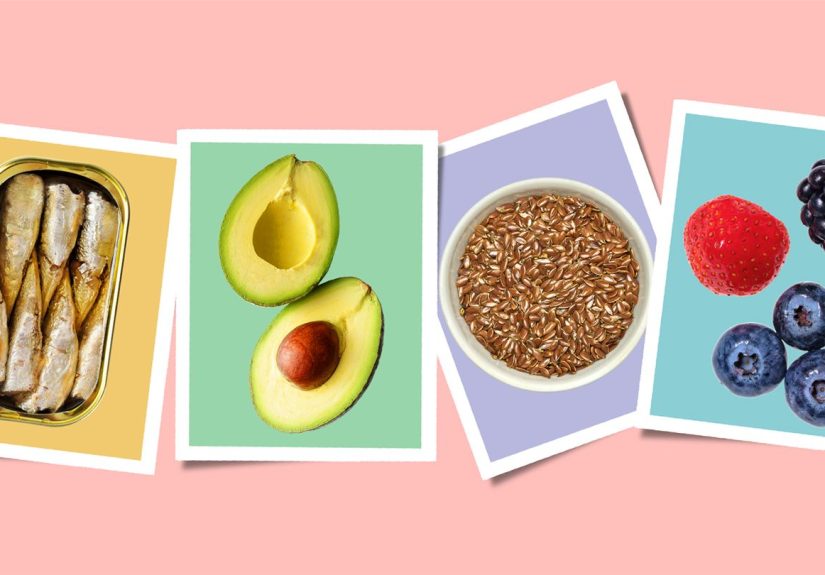
Berries and whole fruit (yes, fruit belongs here)
Fruit contains natural sugars, but it also contains fiber, vitamins, and plant compounds.
Whole fruit is generally a better choice than juice because the fiber helps slow absorption.
Berries are especially popular because they’re flavorful and tend to be lower in sugar than many fruits.
- Great picks: blueberries, strawberries, raspberries, blackberries
- Also strong: apples, pears, oranges, peaches, cherries
Glucose-friendly trick: pair fruit with protein or fat (apple + peanut butter, berries + Greek yogurt,
orange + handful of nuts). It’s like giving your snack a seatbelt.
Legumes (beans, lentils, chickpeas): fiber + protein in one package
Legumes are a triple threat: fiber, plant protein, and slow-digesting carbs. They can support steadier
post-meal glucose and are linked with heart-friendly dietary patterns.
- Try: black beans, kidney beans, pinto beans, lentils, chickpeas, split peas
- Easy meals: lentil soup, bean chili, chickpea salad, hummus + veggie plate
Budget tip: canned beans are finejust rinse them to cut sodium.
Whole grains (the “carbs with benefits” group)
Whole grains contain more fiber and nutrients than refined grains. They’re not automatically “free foods”
for glucose, but they can be part of a balanced diabetes meal plan.
- Solid options: oats, quinoa, barley, farro, brown rice, whole wheat
- Label clue: look for “whole” as the first ingredient (and watch added sugars)
Practical portion: start with about 1/2 cup cooked grains at a meal and adjust based on your needs and
glucose response.
Nuts and seeds (small food, big heart energy)
Nuts and seeds bring unsaturated fats, fiber, and a little proteinhelpful for satiety and heart health.
They’re calorie-dense, so portions matter, but they’re worth the space in your pantry.
- Nuts: walnuts, almonds, pistachios, peanuts, pecans
- Seeds: chia, flax, pumpkin seeds, sunflower seeds
Try: sprinkle chia or ground flax into oatmeal, yogurt, or smoothies; use nuts as a snack portion
(about a small handful); add pumpkin seeds to salads for crunch.
Fatty fish (omega-3s without the “sad salad” tax)
Fatty fish like salmon and sardines are rich in omega-3 fats, which are associated with cardiovascular
benefits. Many diabetes-friendly eating plans recommend fish a couple times per week.
- Best bets: salmon, sardines, trout, herring, mackerel
- Simple prep: bake, grill, or air-fry (avoid deep frying)
Not a fish fan? You can still get healthy fats from plants (olive oil, nuts, seeds), and you can choose
other lean proteins. No one gets a medal for forcing down tuna if it ruins your day.
Heart-healthy oils and avocado (flavor that pulls its weight)
Liquid, non-tropical vegetable oilslike olive, canola, soybean, and sunflower oilare staples of
heart-healthy eating patterns. Avocado adds monounsaturated fats and makes “healthy” feel less like a chore.
- Use oils for: sautéing, roasting, salad dressings
- Avocado ideas: slice on a bowl, mash on whole-grain toast, blend into a creamy dressing
Low-fat or unsweetened dairy (or fortified alternatives)
Yogurt, milk, and cheese can fit into a diabetes dietespecially when you choose unsweetened options and
watch portions. Plain Greek yogurt is a favorite because it’s higher in protein and easy to pair with
berries, cinnamon, or chopped nuts.
If you use plant-based dairy alternatives, choose unsweetened and, ideally, calcium- and vitamin D-fortified
versions.
Lean proteins and plant proteins (building blocks with fewer downsides)
Protein helps keep meals steady. For heart health, lean and minimally processed choices are generally
recommended.
- Lean animal proteins: skinless chicken or turkey, eggs (in moderation), fish, low-fat dairy
- Plant proteins: tofu, tempeh, edamame, beans, lentils
If you eat red meat, keep it occasional and choose lean cuts. The main goal is an overall pattern that
emphasizes plants and minimally processed foods.
Herbs, spices, and “smart flavor” foods
Heart-healthy eating doesn’t mean bland food. It means your flavor doesn’t come primarily from salt,
sugar, or deep-fried regret.
- Flavor boosters: garlic, onion, lemon, vinegar, mustard, chili flakes, cumin, cinnamon
- Swap idea: use herbs and citrus to cut back on salty sauces and seasoning packets
How to put it together: realistic meal ideas
A “build-your-plate” formula
Use this as a starting template and tweak based on your preferences and blood sugar response:
- 1/2 plate: non-starchy vegetables
- 1/4 plate: lean protein (or plant protein)
- 1/4 plate: high-fiber carbs (whole grains, beans, starchy veg in measured portions)
- Add: a small portion of healthy fat (olive oil, avocado, nuts) if not already included
Sample day (mix and match)
Breakfast: Plain Greek yogurt + berries + chopped walnuts + cinnamon.
Lunch: Big salad (greens, tomatoes, cucumbers, peppers) + grilled chicken or chickpeas + olive oil & vinegar dressing + a side of fruit.
Snack: Apple slices + peanut butter (or a small handful of almonds).
Dinner: Baked salmon + roasted Brussels sprouts + 1/2 cup quinoa (or barley) + lemon-garlic drizzle.
Three fast “no-recipe” dinners
- Taco bowl: cauliflower rice or brown rice + black beans + salsa + avocado + sautéed peppers/onions.
- Sheet-pan meal: chicken thighs (trimmed) or tofu + broccoli + carrots + olive oil + spices; roast and serve with a small portion of whole grains.
- Soup night: lentil soup + side salad; add plain yogurt or a sprinkle of seeds for extra protein and creaminess.
Shopping and cooking tips that actually make this easier
Shop the perimeter… but don’t fear the aisles
The perimeter has produce, fish, lean meats, and dairygreat. The aisles have beans, oats, brown rice,
canned tomatoes, spices, and frozen veggiesalso great. The key is to focus on minimally processed staples.
Read labels like a detective (minus the trench coat)
- Added sugars: look for them in cereal, yogurt, sauces, and “healthy” snack bars.
- Sodium: especially in canned soups, deli meats, frozen meals, and condiments.
- Fiber: higher is usually better for carbs (compare bread, tortillas, cereals).
Prefer cooking methods that love your heart back
Bake, grill, roast, steam, sauté with a small amount of oil, or use an air fryer. Frying now and then won’t
erase your progress, but it shouldn’t be the main method if heart health is your goal.
If you have kidney disease or other conditions, personalize
Some people with diabetes also have kidney disease or heart failure and may need to limit sodium, potassium,
or phosphorus. That’s not a reason to panicit’s a reason to get individualized guidance from a clinician or
registered dietitian who knows your labs and medications.
Quick “best choices” list for your diabetes-and-heart-friendly kitchen
- Vegetables: leafy greens, broccoli, peppers, zucchini, frozen mixed veg
- Fruits: berries, apples, oranges, pears
- Proteins: salmon, sardines, chicken breast, tofu, eggs, lentils
- Carbs with fiber: oats, quinoa, barley, brown rice, whole-grain bread (watch sugar)
- Fats: olive oil, avocado, walnuts, chia/flax seeds
- Flavor helpers: garlic, cinnamon, vinegar, mustard, lemon/lime, herbs
Real-life experiences: from the “this sounded easier in theory” department
People often assume a heart-healthy diabetes diet means a fridge full of celery and a personality that
quietly dissolves into kale. In reality, most “success stories” look way less dramatic and way more human:
a handful of small upgrades that stick because they feel doable.
One of the most common early experiences is the snack rethink. A lot of folks start by swapping
“naked carbs” (like crackers alone or a pastry on the run) for snacks that pair carbs with protein or healthy fat.
The first time someone tries apple slices with peanut butter or berries with plain Greek yogurt, the reaction is
often: “Wait, I’m full… and my blood sugar didn’t do interpretive dance afterward?” That steadier feeling can
be surprisingly motivating.
Another frequent moment is the bean breakthrough. Beans can feel like “diet food” until you realize
they’re actually comfort food in disguise. Chili with black beans. Lentil soup that tastes better the next day.
Chickpea salad that plays the role of tuna salad without the fishy aftertaste. People who add legumes a few
times a week often describe feeling more satisfied at mealsand they like that beans are budget-friendly,
especially when groceries start costing “luxury handbag” prices.
Then there’s the olive oil awakening. Many folks grew up thinking “fat is bad,” so using olive oil on
purpose can feel rebellious. But once you learn to roast vegetables with a drizzle of olive oil and spices,
it becomes clear: flavor is not the enemy. The “experience” here is that eating for heart health can actually
taste better than the old routineespecially when you lean on garlic, lemon, vinegar, and herbs instead of
drowning everything in salt or sugar.
A big real-world challenge is fish confidence. People know fish is recommended, but they don’t always
know how to cook itor they’ve only met fish in the form of a fried fillet that tastes like crunchy regret.
A common win is starting simple: baked salmon with lemon, pepper, and a timer you actually trust.
Some people decide they’re not “fish people,” and that’s okaymany still do great by emphasizing plant fats,
beans, nuts, and lean proteins. The best diet is the one you can repeat without feeling personally betrayed.
Finally, lots of people report a mindset shift: instead of aiming for perfection, they aim for
patterns. They keep frozen veggies in the freezer so “no time” doesn’t equal “drive-thru.”
They build a few default breakfasts. They rinse canned beans. They buy plain yogurt and add their own fruit.
And when they do eat dessert, it’s intentionalnot an accidental sugar ambush.
If there’s one shared experience worth stealing, it’s this: heart-healthy diabetes eating works best when it’s
not a punishment. It’s a series of upgrades that make you feel bettersteady energy, fewer crashes, more
satisfying mealsand yes, still room for joy. Because a diet that destroys your happiness is not, in fact,
“healthy.”
Wrap-up
The best heart-healthy foods for a diabetes diet aren’t exotic superfoods with celebrity endorsements.
They’re the basics done well: non-starchy vegetables, legumes, whole grains in smart portions, nuts and seeds,
healthy oils, fruit (especially berries), and lean proteinsplus fish when you enjoy it. Build meals around
fiber and minimally processed foods, keep sodium and added sugars in check, and use portions as your secret
superpower. You’ll be supporting blood sugar control and heart health at the same timemultitasking your way
to better health, without making dinner miserable.