Table of Contents >> Show >> Hide
- What the Roost Berlin Pendant Lamp Actually Is
- Design Notes: Why Clear Glass Pendants Always Win
- Specs and Materials: The Stuff You’ll Care About After You Fall in Love
- Where It Looks Best: Kitchen Islands, Dining Tables, and Sneaky Corners
- Bulb Pairings That Make the Berlin Look Expensive
- Installation and Safety: Don’t Let Your Pendant Become a Plot Twist
- How to Style the Roost Berlin Pendant Lamp
- Care and Cleaning: Keeping Clear Glass Clear
- Is It Still Available? What to Do If It’s Discontinued
- Comparable Alternatives (If You Want the Same Vibe)
- FAQ: Quick Answers Before You Commit
- Hands-On Experiences With the Roost Berlin Pendant Lamp (and Similar Clear Glass Pendants)
- Conclusion
Some lighting fixtures are like that friend who shows up in jeans and a blazer: effortlessly put-together, never trying too hard,
and somehow works at both brunch and a black-tie wedding. The Roost Berlin Pendant Lamp is that friendonly it hangs from your ceiling
and politely makes your kitchen look more expensive.
If you’ve been scrolling kitchens and dining rooms thinking, “Why does their space feel so calm, airy, and magazine-y?”chances are,
there’s a clear glass pendant involved. The Berlin’s hand-blown glass shade and classic silhouette hit that sweet spot between
modern minimalism and vintage warmth. It’s simple. It’s elegant. And it makes even leftover pizza feel like a lifestyle choice.
What the Roost Berlin Pendant Lamp Actually Is
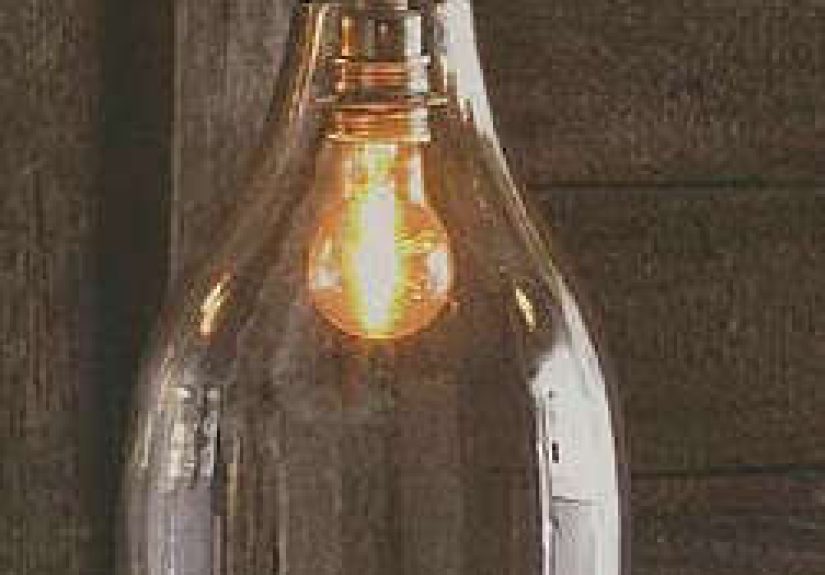
The Berlin is a clear hand-blown glass pendant light with a timeless dome-like profile. It was designed to be versatile:
hang it above a dining table, float it over a kitchen counter, or tuck it into a gloomy corner that desperately needs a glow-up.
The signature move is the transparencybecause clear glass doesn’t visually “weigh down” a room. It gives light a clean stage,
letting the bulb become part of the design.
Key details people love about this style:
- Clear, single-piece hand-blown glass that looks refined but not fussy.
- Compact, flexible size that works solo or in multiples.
- Classic-modern vibe that plays nicely with farmhouse, industrial, Scandinavian, and contemporary interiors.
- That “designer bulb” momentespecially with a filament/Edison-style bulb.
Design Notes: Why Clear Glass Pendants Always Win
Clear glass pendant lights are the Swiss Army knife of lighting. They can look crisp in a modern kitchen, nostalgic in a vintage-inspired
dining room, or slightly industrial in a loft space. The reason is simple: glass disappears visually, but the light remains.
They don’t block sightlines
Over an island or table, you want light without a visual barrier. Clear glass gives you an “open” feelinggreat for smaller kitchens,
narrow galley layouts, or open-concept rooms where you don’t want fixtures shouting across the space.
They’re easy to style (even if you’re allergic to styling)
Clear glass doesn’t clash with cabinet colors, countertops, or hardware finishes. It’s the neutral of the lighting worldexcept it sparkles
and doesn’t judge your choice of backsplash.
They highlight the bulbso the bulb matters
Because the bulb is visible, this is one of those fixtures where a basic bargain bulb can make the whole look feel “meh.”
A warm filament-style bulb (or an LED filament look-alike) usually gives the Berlin its signature glow.
Specs and Materials: The Stuff You’ll Care About After You Fall in Love
Here’s the practical scoop on what the Berlin is known for: a clear glass shade paired with metal hardware (often described with stainless steel
elements). The fixture is typically hardwired with a cord drop, designed for indoor use where it can be admiredand where you can avoid turning
it into a wind chime during storms.
The Berlin is also frequently associated with a “squirrel cage” style filament bulb for a warm, vintage glow. Just remember:
the bulb you choose will determine whether your space feels like “romantic café” or “interrogation room.”
About that wattage and glow
Many Berlin-style listings mention a max wattage (commonly 60W). If you’re using LED, you’ll usually get plenty of brightness at far lower watts.
Translation: you can have the vibe and see your food. What a concept.
Where It Looks Best: Kitchen Islands, Dining Tables, and Sneaky Corners
Over a kitchen island
The Berlin shines (politely) over an island because it’s visually light. Designers commonly recommend hanging pendants so the bottom of the fixture
is about 30–36 inches above the countertop for comfortable sightlines and functional task lighting.
If you’re using multiples, a common guideline is spacing them roughly 24–30 inches apart (center to center), adjusting based on the
pendant’s width and the island length. For a Berlin-sized pendant, three-in-a-row is a popular look because it feels intentional and balanced without
looking like an airport runway.
Above a dining table
Over a dining table, that same 30–36 inch hanging range (from tabletop to the bottom of the pendant) is a widely used starting point.
If your ceiling is higher than standard, you can nudge the fixture up slightly for proportionthink of it as tailoring the “hem” of your lighting.
In an entryway or reading corner
Clear glass pendants are underrated in small entryways. They brighten a space without turning it into a chandelier situation.
In a reading nook, one Berlin pendant can act like a “spotlight” for a chair and side tablejust pair it with a warm bulb and, ideally, a dimmer.
Bulb Pairings That Make the Berlin Look Expensive
The Berlin’s glass is basically a display case for your bulb, so pick one that deserves the attention.
Go-to choices
- LED filament “Edison” bulb: warm, classic look with modern efficiency.
- Soft white color temperature (often in the warm range): cozy, flattering, and less “hospital chic.”
- Dimmable bulb + dimmer switch: lets you slide from “cook mode” to “date-night pasta” instantly.
E26 vs. E27 (quick sanity check)
You may see E27 mentioned with Berlin-style fixtures because the design is often associated with European bulb naming. In the U.S.,
E26 is the most common “medium” base. They’re very close in size, but best practice is to use a bulb base that matches your fixture and local
electrical standardsand when in doubt, follow the fixture’s labeling or ask an electrician. A one-millimeter difference sounds tiny until it’s
also the difference between “snug fit” and “why is this flickering like a haunted house?”
Installation and Safety: Don’t Let Your Pendant Become a Plot Twist
The Berlin is typically a hardwired pendant, which means it connects to a ceiling box. If you’re swapping an existing fixture, installation can be
straightforward. If you’re adding new wiring or new ceiling boxes, it’s smart to involve a licensed electricianespecially in kitchens where
code, load, and placement matter.
Pro tips that save headaches
- Use a dimmer if the fixture and bulb allow itclear glass pendants look best when you can control the mood.
- Check ceiling box support before hanging anything. Even lighter fixtures should be mounted securely and correctly.
- Mind the rating if you’re installing near moisture (like a covered porch): dry vs. damp vs. wet ratings matter.
How to Style the Roost Berlin Pendant Lamp
Modern minimal kitchen
Pair the Berlin with flat-panel cabinets, simple hardware, and a clean countertop. Because the pendant is transparent, it won’t compete with
statement stone or bold tileso you can go dramatic elsewhere without visual chaos.
Warm transitional dining room
Use a wooden dining table, linen textiles, and a warm bulb. The clear glass keeps things fresh, while the filament glow keeps it welcoming.
Bonus: it photographs beautifully, which is apparently a requirement for dinner now.
Industrial edge
Bring in blackened metal finishes, concrete, or reclaimed wood. Clear glass plus industrial materials is a classic combo because you get the
grit and the sparkle.
Care and Cleaning: Keeping Clear Glass Clear
Clear glass pendant lights look amazingright up until kitchen grease, dust, or water spots try to join the design team.
The good news: cleaning is easy if you do it regularly.
Simple cleaning routine
- Turn off the light and let the bulb cool completely.
- Use a microfiber cloth for dusting (lint is the enemy of sparkle).
- For smudges, use a gentle mix of warm water and a small amount of dish soap or diluted white vinegar, then dry with a clean cloth.
- Avoid harsh abrasivesscratches on clear glass are forever, like embarrassing middle school photos.
Is It Still Available? What to Do If It’s Discontinued
The Roost Berlin Pendant Lamp has been widely listed as discontinued through some original retail channels, which means you may have to
shop like a treasure hunter. The good kindno maps, no pirates, just a few browser tabs.
Smart ways to find it
- Secondhand marketplaces: estate sales, online resale platforms, vintage lighting sellers.
- Design salvage shops: especially those that handle modern and mid-century inventory.
- Look for “clear hand-blown glass dome pendant” as a search phrase if the exact product name isn’t listed.
If you’re buying pre-owned, pay attention to the condition of the cord, canopy, and socket. If anything looks questionable, have it inspected
or re-wired by a professional. A beautiful pendant is not worth a “why does it smell like toasted plastic?” moment.
Comparable Alternatives (If You Want the Same Vibe)
If you can’t track down the Berlin, look for these traits:
- Clear, hand-blown glass (or quality blown glass) with minimal seams.
- Compact dome silhouette that feels classic rather than trendy.
- Simple metal hardware in stainless, nickel, black, or aged brass.
- Works with a visible filament bulb for that warm, atmospheric look.
Many U.S. lighting retailers carry comparable clear glass pendant lightsoften with more modern LED compatibility and readily available replacement
parts. The key is the proportion: the Berlin look is about restraint, not drama.
FAQ: Quick Answers Before You Commit
Is a clear glass pendant bright enough for a kitchen?
It can beif you choose the right bulb and you layer your lighting. Pendants are great for focused task lighting, but most kitchens still need
recessed lights, under-cabinet lighting, or other sources to avoid shadows.
How many pendants should I hang over an island?
It depends on island length and pendant size. Two pendants can look clean and symmetrical; three can feel more “designed” and evenly lit.
With Berlin-scale pendants, three is often a sweet spot for standard-sized islands.
Do I really need a dimmer?
If you want the Berlin to look its best, yes. Clear glass and filament-style bulbs shine (literally) when you can dial the brightness down
to a soft glow.
Hands-On Experiences With the Roost Berlin Pendant Lamp (and Similar Clear Glass Pendants)
Let’s talk about what it’s actually like to live with a clear glass pendantbecause the showroom version is always spotless, perfectly staged,
and suspiciously free of fingerprints. Real life is messier (and deliciously full of pasta sauce).
Experience #1: The “I installed one…and now I want three” effect.
A common pattern is starting with a single Berlin pendant over a small breakfast table or a quiet corner, then realizing it looks so good that it
deserves siblings. Clear glass has this magical ability to look intentional without dominating the room, so adding multiples doesn’t feel “too much.”
It feels like you planned it that way all along. (We support tasteful retroactive planning.)
Experience #2: The bulb becomes the main character.
With opaque shades, you can get away with a mediocre bulb. With the Berlin? Not so much. People often try a standard LED first and notice the vibe
is a little…clinical. Then they swap to a warm LED filament bulb and suddenly the whole room feels softer and more welcoming. It’s the lighting version
of changing from overhead fluorescents to golden-hour sunshine. Same room, totally different personality.
Experience #3: It’s surprisingly forgiving in mixed-style homes.
Homes are rarely one-style-only, despite what perfectly curated social feeds want you to believe. Clear glass pendants tend to bridge style gaps:
modern cabinets + vintage rug? Works. Farmhouse table + contemporary chairs? Works. The Berlin silhouette doesn’t argue with your furnitureit just
quietly improves the scene like a good supporting actor.
Experience #4: Cleaning is easy…until the kitchen reminds you it’s a kitchen.
In a dining room, the Berlin stays pretty clean with occasional dusting. Over a kitchen island, especially near a cooktop, the glass can collect a light
film over time. Most people find a quick wipe-down every couple of weeks keeps it crystal clear. The trick is drying it well so you don’t get streaks.
If you’ve ever cleaned a window and thought, “I made it worse,” you’re not alone. Microfiber cloths and a gentle solution usually solve the problem.
Experience #5: The “soft glow” surprise.
If you use a very low-output filament bulb for atmosphere (which is gorgeous), you may be shocked by how little task light you getespecially if you’re
trying to chop onions without crying from both the onions and the darkness. Many homeowners end up doing a two-step: keep the warm, visible bulb
for vibe, and rely on recessed/under-cabinet lighting for actual work. In other words: let the Berlin be beautiful, and let other fixtures do the heavy lifting.
Experience #6: It photographs like a dream.
Clear glass pendants catch reflections and glow in a way that makes rooms look polished on camera. That’s why you see this style in so many kitchen
features and home tours. If you’ve ever taken a photo of your kitchen and felt like it looked “flatter” than real life, a warm pendant glow can add depth.
It’s not magicjust good lighting. (Okay, it’s a little magic.)
Bottom line: the Roost Berlin Pendant Lamp is loved because it balances form and function. It’s elegant without being precious, flexible without being bland,
and it’s one of those fixtures that can survive trend cycles because it doesn’t depend on a trend to be interesting.