Table of Contents >> Show >> Hide
- Why This Quick Fish au Gratin Recipe Works
- What “Au Gratin” Means in This Recipe
- Best Fish for a Quick Fish au Gratin Recipe
- Ingredients for Quick Fish au Gratin
- How to Make Quick Fish au Gratin
- How to Know When the Fish Is Done
- Easy Variations to Try
- What to Serve with Fish au Gratin
- Common Mistakes to Avoid
- Storage and Reheating Tips
- Quick Fish au Gratin Recipe FAQ
- Final Thoughts
- Kitchen Experiences with a Quick Fish au Gratin Recipe
- SEO Tags
Note: Clean HTML body only, ready for publishing and copying.
If dinner needs to happen fast, but your taste buds are filing a formal complaint against boring food, this quick fish au gratin recipe is the answer. It delivers flaky fish, a creamy sauce, a golden cheesy topping, and that “I absolutely meant to make something elegant on a Tuesday” energy. Best of all, it comes together with simple ingredients and doesn’t require a culinary degree, a seafood market on the coast, or a pep talk from Julia Child’s ghost.
At its core, fish au gratin is comfort food with a little polish. You start with mild white fish, add a velvety sauce, top it with cheese and breadcrumbs, and bake until bubbly and lightly browned. The result is rich but not heavy, fast but not lazy-looking, and fancy enough to earn compliments even if you made it while wearing socks that don’t match.
This version is designed for real life. It skips fussy steps, uses easy-to-find ingredients, and keeps the flavor clean and bright with lemon, Dijon mustard, garlic, and Parmesan. Whether you use cod, haddock, pollock, tilapia, or another mild flaky fish, the method is forgiving and weeknight-friendly.
Why This Quick Fish au Gratin Recipe Works
A good au gratin recipe needs contrast. The fish should stay tender, the sauce should feel silky, and the topping should add crispness instead of sitting there like a sleepy blanket. That balance is what makes this dish so satisfying.
The fish cooks quickly, which is why it’s perfect for a speedy gratin. A mild white fish absorbs flavor well without fighting the sauce. A fast stovetop cream mixture gives the dish body, while a topping made from breadcrumbs, Parmesan, and butter creates the golden finish that makes people hover near the oven like it’s a live concert.
Lemon keeps everything from tasting too rich. Dijon adds depth without shouting. Garlic and shallot bring savory flavor. Parmesan provides nutty saltiness. In other words, the ingredient list is basically a team of overachievers.
What “Au Gratin” Means in This Recipe
“Au gratin” usually refers to a dish topped with cheese, breadcrumbs, or both, then baked until browned. In many classic gratins, cream, butter, and a savory topping work together to create that irresistible crust. For fish, that’s especially useful because seafood can be delicate. The topping protects the surface, adds texture, and turns a simple baked fillet into something that feels far more special.
This quick fish au gratin recipe borrows that classic idea and simplifies it. Instead of a heavy layered casserole that takes forever, you get a streamlined version that still feels cozy and impressive.
Best Fish for a Quick Fish au Gratin Recipe
The best choice is a firm to medium-firm white fish that flakes easily once cooked. Cod is a favorite because it’s mild, sturdy, and widely available. Haddock is another excellent option with a gentle flavor and tender texture. Pollock works well for a budget-friendly version, and tilapia is handy when you want something super easy to find.
You can also use halibut if you’re feeling a little fancy, though it’s often pricier. If your fillets are thin, reduce the baking time slightly. If they’re thick, give them a few extra minutes. Fish is wonderfully cooperative that way, as long as you don’t forget it exists and bake it into sadness.
Fish Options That Work Well
- Cod
- Haddock
- Pollock
- Tilapia
- Halibut
- Hake
Ingredients for Quick Fish au Gratin
- 1 1/2 pounds white fish fillets, cut into large pieces
- 1 tablespoon lemon juice
- Salt and black pepper, to taste
- 2 tablespoons butter
- 1 small shallot, finely chopped
- 2 cloves garlic, minced
- 1 tablespoon all-purpose flour
- 3/4 cup milk
- 1/3 cup heavy cream
- 1 teaspoon Dijon mustard
- 1/4 teaspoon paprika
- 1/4 cup grated Parmesan cheese, for the sauce
- 1/2 cup panko breadcrumbs
- 1/3 cup grated Parmesan cheese, for the topping
- 1 tablespoon melted butter
- 1 tablespoon chopped parsley
- Lemon wedges, for serving
How to Make Quick Fish au Gratin
1. Prep the Fish
Preheat your oven to 400°F. Lightly grease a baking dish. Pat the fish dry with paper towels, then season it with salt, black pepper, and lemon juice. Arrange the fillets in a single layer in the baking dish. Drying the fish first matters more than people think. Wet fish steams. Dry fish bakes. Steamy fish can still taste good, but it won’t give you the same polished result.
2. Make the Quick Cream Sauce
In a skillet over medium heat, melt the butter. Add the shallot and cook for 2 to 3 minutes until softened. Stir in the garlic and cook for about 30 seconds. Sprinkle in the flour and stir constantly for 1 minute. Slowly pour in the milk and cream, whisking so the sauce stays smooth. Add the Dijon mustard, paprika, and 1/4 cup Parmesan. Cook for 2 to 3 minutes, just until lightly thickened.
The sauce should coat a spoon, not behave like concrete. If it gets too thick, add a splash of milk. If it seems thin, remember it will continue thickening in the oven.
3. Add the Sauce
Spoon the sauce evenly over the fish. Don’t drown the fillets. You want enough sauce to keep everything luscious, but not so much that the topping floats away like a tiny bread-crumb raft.
4. Make the Gratin Topping
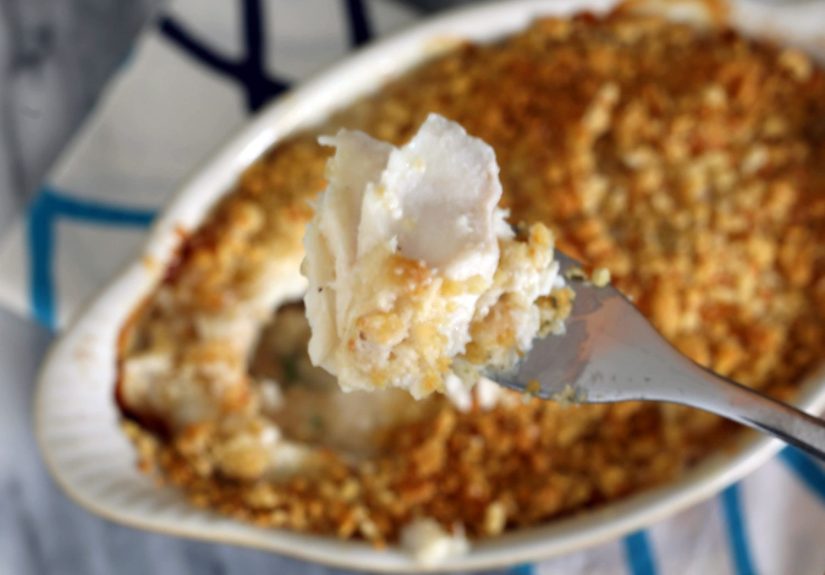
In a small bowl, combine the panko, remaining Parmesan, melted butter, and parsley. Sprinkle the mixture over the fish and sauce. This topping is where the au gratin magic happens. It bakes into a crisp, golden layer that contrasts beautifully with the tender fish underneath.
5. Bake Until Bubbling
Bake for 15 to 20 minutes, depending on the thickness of the fish, until the top is golden and the fish flakes easily with a fork. Let it rest for 3 minutes before serving with lemon wedges.
How to Know When the Fish Is Done
Fish cooks quickly, and overcooking is the fastest route to disappointment. The easiest sign of doneness is that the flesh flakes easily when tested with a fork. The surface should look opaque rather than translucent. If you use a thermometer, the fish should reach 145°F in the thickest part.
Because this is a creamy baked dish, carryover heat will continue working for a minute or two after the pan comes out of the oven. That’s why resting the gratin briefly before serving helps both texture and flavor.
Easy Variations to Try
Add Vegetables
Want to make it feel more complete in one dish? Add a layer of sautéed spinach, mushrooms, or leeks under the fish. These vegetables pair beautifully with creamy sauces and seafood.
Swap the Cheese
Parmesan keeps things sharp and savory, but Gruyère is excellent if you want a nuttier, more classic gratin flavor. A little cheddar can work too, especially if you enjoy a richer casserole-style result.
Use Seafood Instead of Just Fish
You can turn this into a mixed seafood au gratin by adding shrimp or scallops. Just be careful with cooking time. Smaller seafood pieces cook fast and can go from tender to rubbery if you treat them like they owe you money.
Make It Extra Bright
Add lemon zest to the sauce or a pinch of fresh thyme to the topping. Both give the finished dish a fresher, more layered flavor.
What to Serve with Fish au Gratin
Because the gratin is rich and creamy, the best sides bring freshness or simplicity. A crisp green salad with a lemony vinaigrette works beautifully. Steamed green beans, roasted asparagus, or sautéed spinach also make excellent partners.
If you want something heartier, serve it with rice, buttered peas, roasted baby potatoes, or crusty bread for scooping up the extra sauce. And yes, people will absolutely scrape the dish. This is normal behavior.
Common Mistakes to Avoid
Using Very Thin Fish Fillets
Super-thin fillets cook so quickly that the topping may not have time to brown properly before the fish is done. If that’s what you have, use a shallower layer of sauce and keep a close eye on the oven.
Skipping the Drying Step
Patting fish dry helps the sauce cling better and keeps the dish from becoming watery. It’s a tiny step with big payoff.
Overloading the Sauce
This is a quick fish au gratin recipe, not fish soup in formalwear. The sauce should support the fish, not bury it.
Overbaking
The difference between flaky and dry can be just a few minutes. Start checking early, especially if your oven runs hot.
Storage and Reheating Tips
Leftovers can be refrigerated in an airtight container for up to 2 days. Reheat gently in a 325°F oven until warmed through. The microwave works in a pinch, but the topping loses some crunch. It still tastes good, though it trades tuxedo vibes for sweatpants vibes.
Freezing is possible, but the sauce may separate slightly after thawing, so this dish is best enjoyed fresh or the next day.
Quick Fish au Gratin Recipe FAQ
Can I use frozen fish?
Yes, as long as it is thawed safely and patted very dry before baking. Excess moisture is the enemy of a good gratin.
Can I make it ahead?
You can make the sauce and topping ahead of time, then assemble just before baking. For the best texture, bake it fresh.
Is this recipe kid-friendly?
Very much so. The creamy sauce and cheesy topping make mild fish far more approachable for picky eaters.
Can I make it gluten-free?
Yes. Use a gluten-free flour blend for the sauce and gluten-free breadcrumbs for the topping.
Final Thoughts
This quick fish au gratin recipe is proof that fast dinners do not have to taste rushed. It’s creamy, crisp, savory, bright, and deeply comforting in a way that makes everyone at the table think you had a much more organized day than you actually did.
It also gives you room to adapt. Keep it simple with cod and Parmesan, or dress it up with shrimp, Gruyère, herbs, or vegetables. Either way, the core formula stays the same: tender fish, a silky sauce, and a golden topping that makes the whole dish feel a little celebratory. And honestly, if Tuesday survives, that counts as a celebration.
Kitchen Experiences with a Quick Fish au Gratin Recipe
One of the best things about making fish au gratin is how it changes the mood of a kitchen. A plain fish dinner can feel practical, which is another way of saying nobody writes poems about it. But the minute butter hits the pan, shallots soften, and breadcrumbs get involved, the whole meal starts acting like it has a reservation somewhere expensive.
For many home cooks, the first win with this dish is confidence. Fish can be intimidating because it cooks quickly and seems fragile. People worry about undercooking it, overcooking it, drying it out, or somehow producing a pan of expensive flakes and regret. A gratin solves a lot of that stress. The sauce adds protection, the topping adds forgiveness, and the oven does the heavy lifting. It feels less like handling a delicate protein and more like assembling a cozy baked dinner.
Another common experience is discovering how flexible the recipe is. Maybe one week you use cod because it looks great at the store. The next week it’s haddock. Another time it’s tilapia because life is busy and the freezer section was there for you when nobody else was. The basic method still works. That makes this recipe useful instead of just interesting, and useful recipes tend to become repeat recipes.
There’s also something satisfying about the contrast in textures. The creamy fish underneath and the crisp topping above create that classic spoonful everyone loves. It’s the same reason casseroles and gratins have survived every food trend known to humankind. Texture matters. A crunchy top can make a humble dinner feel finished, intentional, and restaurant-ish without demanding restaurant effort.
Many cooks also notice that this dish is surprisingly social. Set a bubbling pan of fish au gratin on the table and people lean in. They ask what smells so good. They take “just a little” and then circle back for more. Even people who claim they’re not big fish fans often soften when cheese, cream, and buttery crumbs enter the conversation. It turns out seafood has a much easier time making friends when it arrives wearing a golden crust.
On practical nights, this recipe is also a small lesson in balance. It feels indulgent, but it doesn’t require a mile-long ingredient list. It tastes rich, but lemon and herbs keep it lively. It’s quick enough for a weeknight, yet polished enough for guests. Those are the recipes that tend to stay in rotation because they solve more than one problem at once.
And maybe that’s the real charm of a quick fish au gratin recipe. It gives you comfort without fuss, elegance without pressure, and a dependable way to make seafood feel approachable. In a world full of complicated dinners and overachieving recipes, that kind of calm, crispy, creamy reliability is a beautiful thing.