Table of Contents >> Show >> Hide
- What Is Protein Diet Coke, Exactly?
- Can Protein Diet Coke Help You Lose Weight?
- What Nutrition Experts Would Probably Like About It
- The Downsides No Viral Video Wants to Mention
- How to Make Protein Diet Coke a Smarter Choice
- So, Should You Drink Protein Diet Coke for Weight Loss?
- Experience Notes: What Trying Protein Diet Coke Often Feels Like in Real Life
- SEO Tags
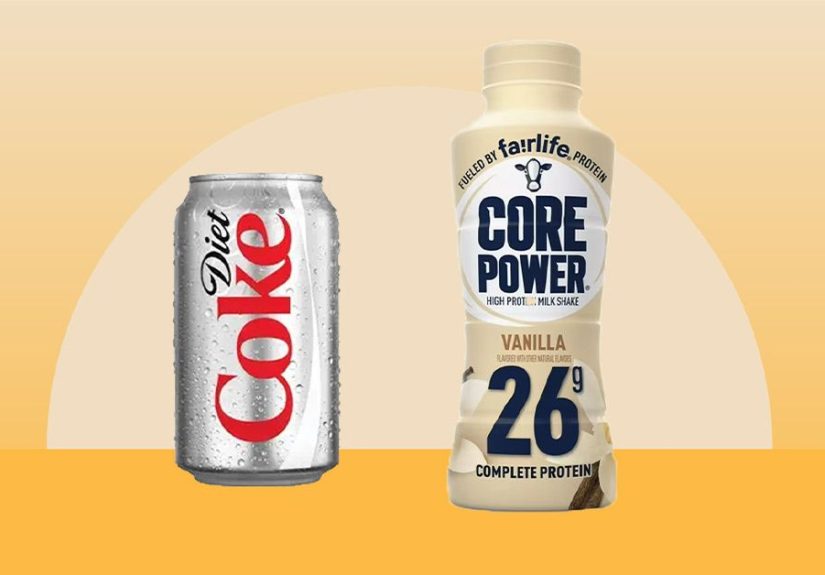
Somewhere between “wellness hack” and “wait, are we really doing this?” sits Protein Diet Coke, the fizzy mash-up that turned TikTok into a virtual soda fountain. The formula is simple: take a diet cola, pour in a vanilla protein shake, and watch the internet treat it like the second coming of the drive-thru Coke float. It is part dirty soda, part gym-bag snack, and part social media science experiment.
But once the foam settles, a more useful question bubbles up: can Protein Diet Coke actually help with weight loss, or is it just another viral drink wearing a protein halo? The honest answer is more interesting than a yes-or-no. This trendy drink can fit into a calorie-conscious routine for some people, but it is not a fat-loss shortcut, not a magic metabolism button, and definitely not a substitute for a balanced diet. In other words, the drink may be smart in the right context, but TikTok’s tendency to crown every cold beverage as a life coach remains undefeated.
What Is Protein Diet Coke, Exactly?
Protein Diet Coke is a riff on the broader dirty soda trend, which became famous for mixing soda with syrups and creamers. The protein version swaps the creamer for a ready-to-drink protein shake, usually vanilla, creating a drink that tastes somewhere between a cola float and a lightly caffeinated dessert. Some people use Diet Coke, while others reach for Coke Zero Sugar or another zero-sugar cola.
The drink caught fire because it checks every box social media loves: it is easy to make, visually dramatic, slightly chaotic, and sounds like it might help people hit their protein goals while still sipping something fun. Add the words “high protein,” “low sugar,” and “viral,” and TikTok basically rolls out a red carpet.
Why the idea sounds healthy
On paper, the appeal is obvious. A standard diet soda has little to no calories, while a protein shake can add around 20 to 30 grams of protein, depending on the brand. That means the combo may deliver a sweet, creamy drink for fewer calories than a milkshake, flavored coffee drink, or full-sugar soda float. For people trying to cut back on sugary beverages, that sounds like a nutritional plot twist.
And to be fair, there is one genuinely useful idea hidden under the hype: protein can help with fullness. Compared with a plain soft drink, a protein-containing beverage is more likely to feel satisfying. That matters, because hunger has ruined more “healthy eating plans” than birthday cake ever could.
Can Protein Diet Coke Help You Lose Weight?
Potentially, but only indirectly. Protein Diet Coke does not cause weight loss all by itself. What it can do is help some people manage calorie intake, feel fuller for longer, or replace a higher-calorie treat. If it helps create a sustainable calorie deficit without leaving you prowling the pantry at 9 p.m., then yes, it could support your goals.
That distinction matters. Weight loss still comes down to overall eating patterns, total calories, activity, sleep, stress, and consistency over time. A drink can support that process, but it cannot do the job alone. The beverage is a side character, not the hero.
Where it may help
1. It may curb a sweet craving.
If you usually reach for a regular soda, milkshake, or sugary coffee drink, Protein Diet Coke could be the lower-calorie option that scratches the same itch. That swap can reduce daily calorie intake without making you feel deprived, which is often more realistic than trying to replace every craving with plain water and positive thinking.
2. It can add protein in a convenient way.
Many adults struggle to spread protein intake across the day. A protein drink can be an easy bridge between meals, especially when schedules are busy or appetites are weirdly small until suddenly they are not.
3. It may increase satiety more than soda alone.
Protein is known to support fullness better than a drink that offers sweetness without substance. If a plain diet soda makes you want a cookie five minutes later, adding protein may help make the drink feel more snack-like and less like flavored air.
4. It can be a better “treat strategy” than some alternatives.
Compared with a drive-thru frappe, dessert coffee, or giant fountain soda with syrup and cream, the protein version may be a more controlled choice. That does not make it a health food masterpiece, but it can make it the better pick in a real-world moment.
Where the weight-loss logic falls apart
1. Liquid calories are still calories.
The protein shake part is not calorie-free. If you add a whole bottle to your soda on top of your usual meals, snacks, and “I deserved a little something” moments, the drink can simply become extra intake. That is not sabotage; it is math.
2. “High protein” can create a health halo.
Once a food or drink gets labeled high protein, people sometimes treat it like nutritional diplomacy: all is forgiven, no questions asked. But plenty of protein drinks also contain sweeteners, thickeners, added sodium, or enough calories to matter if you drink them casually and often.
3. It does not teach long-term habits.
If your entire weight-loss plan depends on a trendy beverage, that plan is built on carbonation and vibes. Sustainable progress usually comes from repeatable habits: balanced meals, fiber, adequate protein, movement, and fewer calories from foods that do not keep you full.
4. Diet soda itself is not a guaranteed weight-loss tool.
Zero-sugar soda may help some people cut sugar and calories in the short term, but long-term research on artificial sweeteners and weight management is mixed. In plain English: swapping regular soda for diet soda can help, but it is not a magic loophole that guarantees fat loss forever.
What Nutrition Experts Would Probably Like About It
Here is the most charitable reading of the trend: Protein Diet Coke is not ridiculous because it contains protein; it is only ridiculous when people pretend it is a complete nutrition strategy.
Nutrition professionals often encourage people to find swaps they can actually live with. If this drink keeps someone from buying a 500-calorie blended coffee drink every afternoon, that is a meaningful improvement. If it helps them hit protein targets on a chaotic workday, great. If it turns into a fun occasional treat that fits their routine, no one needs to call the beverage police.
Experts also generally agree that higher-protein eating patterns can help preserve muscle during weight loss and may improve fullness. That is the strongest nutrition argument in the drink’s favor. It is not that cola is suddenly a wellness elixir. It is that protein can make the drink more satisfying than soda alone.
The Downsides No Viral Video Wants to Mention
It can upset your stomach
For some people, the combination of carbonation, caffeine, dairy proteins, gums, or sugar alcohols is a gastrointestinal group project gone wrong. The result may be bloating, gas, reflux, or an urgent desire to never trust TikTok again. If you are sensitive to artificial sweeteners, carbonation, or lactose, this drink may feel less like a hack and more like a prank.
It may trigger heartburn
Cola is acidic, carbonated, and usually caffeinated. That trio can be rough for people prone to acid reflux. Add a thick protein shake, and the whole thing may sit heavier than expected. Delicious? Maybe. Gentle? Not always.
It can crowd out better choices
A drink with protein is not the same as a balanced snack or meal. It may lack fiber, fruits, vegetables, and the broader nutrition you would get from whole foods. If Protein Diet Coke becomes a daily meal replacement, your body may eventually file a formal complaint.
It is not ideal for everyone
People with chronic kidney disease or other medical conditions may need individualized advice about protein intake. Others may need to watch caffeine, artificial sweeteners, or certain protein ingredients. Trend-friendly does not mean universally smart.
How to Make Protein Diet Coke a Smarter Choice
If you want to try it without turning your kitchen into a soda-lab startup, keep it practical:
1. Use it as a replacement, not a bonus beverage
If this drink is standing in for dessert, a sugary soda, or a calorie-heavy afternoon pick-me-up, it makes more sense. If it is just stacked on top of everything else you already eat, the benefits shrink fast.
2. Check the protein shake label
Not all protein drinks are created equal. Some are relatively moderate in calories and sugar, while others edge closer to “liquid snack with a marketing budget.” Look at calories, protein, added sugars, and ingredients before crowning a winner.
3. Start with a half serving
You do not need a chemistry degree or a full bottle. Start with half a protein shake and pour slowly. This reduces foam chaos, saves calories, and lowers the chance that your drink becomes a beige science volcano.
4. Keep your expectations normal-sized
This is a beverage, not a breakthrough. If it helps you stay on track, wonderful. If it tastes like a melted float and brightens your afternoon, also wonderful. Just do not expect it to cancel out overeating, inactivity, or a generally unbalanced diet.
So, Should You Drink Protein Diet Coke for Weight Loss?
Protein Diet Coke can support weight loss in a very specific way: it may help you replace a higher-calorie treat, increase fullness compared with soda alone, and make it easier to stick with a calorie-controlled routine. That is the best-case scenario.
But no, it is not a weight-loss trick. It does not melt fat, reset hormones, or turn cola into a superfood just because a vanilla shake cannonballed into the cup. If it works for you, it works because it helps with appetite, satisfaction, and calorie management, not because TikTok accidentally invented nutrition.
The smartest way to view the trend is as an optional tool. For some people, it is a clever substitute. For others, it is a fizzy dessert wearing gym clothes. Both things can be true.
Experience Notes: What Trying Protein Diet Coke Often Feels Like in Real Life
One reason this drink blew up online is that the experience is weirdly entertaining. The first few seconds are dramatic: the soda foams up, the color turns into a cloudy tan, and the glass suddenly looks like a root beer float that started following fitness influencers. That visual alone is half the appeal. It feels playful, a little silly, and just rebellious enough to make people think, “This cannot possibly be diet culture again, right?”
Then comes the first sip, and that is where reactions split. Some people love the creamy cola flavor immediately. They describe it as dessert-like, nostalgic, and surprisingly good, especially with vanilla protein shakes. Others think it tastes like someone whispered “ice cream” into a can of soda and then walked away before finishing the job. In other words, your mileage may vary, and your taste buds may file opposing opinions.
Another common experience is that the drink feels much more filling than expected. That is probably the most useful real-world takeaway. A plain diet soda can feel refreshing, but it usually does not keep hunger quiet for long. Add protein, and the drink starts to behave more like a snack. People often notice that it takes the edge off an afternoon craving or helps bridge the gap between lunch and dinner without the “I am suddenly starving and one granola bar has offended me” moment.
But there is also a less glamorous side. Some people report that the drink feels heavy, overly sweet, or oddly foamy after a few sips. Others get bloating, a gassy stomach, or reflux, especially if they are sensitive to carbonation, artificial sweeteners, or certain protein ingredients. This is the part social videos usually skip, because digestive realism is not exactly viral content. Still, it matters. A drink is not helping your routine if it leaves you uncomfortable for the next two hours.
There is also the expectation problem. When people go into Protein Diet Coke expecting a miraculous health drink, disappointment arrives quickly. When they treat it like a smarter treat or a more filling soda-shop-style indulgence, satisfaction tends to be higher. That framing makes a difference. It is not “clean eating.” It is not a replacement for balanced meals. It is simply a fun beverage that may fit into a sensible plan better than some sweeter, pricier alternatives.
In day-to-day life, the people who seem happiest with the trend are the ones who use it strategically: after a workout, during a busy afternoon, or in place of a dessert drink they would have chosen anyway. The people least impressed are often the ones hoping it will perform magic. Protein Diet Coke can be enjoyable, convenient, and even helpful. It just stops being helpful the moment we ask one fizzy cup to solve an entire lifestyle.