Table of Contents >> Show >> Hide
- Why Gray Hair Can Change Your Makeup “Vibe”
- The 10-Step Makeup Routine for Grey Hair
- Step 1: Start with “Comfort Skin” Prep (Hydration + SPF)
- Step 2: Choose a Base That Looks Like Skin (Not a Mask)
- Step 3: Color-Correct and Conceal Strategically
- Step 4: Set Only Where Makeup Moves (A.K.A. The “Don’t Powder Your Entire Soul” Rule)
- Step 5: Add Cheek Color to Prevent the “Washed Out” Effect
- Step 6: Use Soft Bronzer or Contour for Gentle Dimension
- Step 7: Define Brows (Because Gray Hair Can Steal Their Spotlight)
- Step 8: Pick Eye Colors That Add Life (Not Flatness)
- Step 9: Choose Lip Color That Balances Your New Contrast
- Step 10: Finish with “Controlled Glow” and a Reality Check
- Quick Color Cheat Sheet for Makeup with Gray Hair
- Common Mistakes (and Easy Fixes)
- FAQ: Makeup with Grey Hair
- Experiences: What People Commonly Notice When They Go Gray (and How They Adjust)
Going gray (or “going grey,” if your keyboard is feeling fancy) can be one of the most stylish beauty upgrades you’ll ever make. Silver strands add instant sophistication, a little edge, andlet’s be honestmajor “I have my life together” energy, even if you’re wearing sweatpants and arguing with your email inbox.
But there’s one surprise many people notice after they embrace gray hair: their old makeup routine may suddenly feel… off. Not bad. Just like it’s speaking a slightly different language than your new hair. That’s because gray hair changes contrast around your face, can shift the way colors look against your skin, and often arrives around the same time skin texture and hydration needs start evolving.
This guide walks you through how to wear makeup with grey hair in a way that looks modern, flattering, and effortlesswithout turning your bathroom into a chemistry lab. We’ll keep it practical, not precious. And yes, there will be a few gentle jokes, because makeup should be fun, not a final exam.
Why Gray Hair Can Change Your Makeup “Vibe”
Gray hair is often cooler-toned than pigmented hair, and it can soften the overall contrast between your hair, brows, and skin. Translation: some faces look a bit more “washed out” with the exact same makeup they wore before. Not because you need more makeupjust because you may need slightly different placement, finish, or color balance.
Also, many people go gray during perimenopause/menopause or later adulthood, when skin can become drier and fine lines more noticeable. Makeup still looks amazing on mature skinbut it usually behaves best with hydration, lighter layers, and strategic glow (not glitter that announces itself from space).
The 10-Step Makeup Routine for Grey Hair
Use these steps as a menu, not a strict rulebook. The goal is to bring back definition and warmth where you want it, while keeping everything fresh and skin-like.
Step 1: Start with “Comfort Skin” Prep (Hydration + SPF)
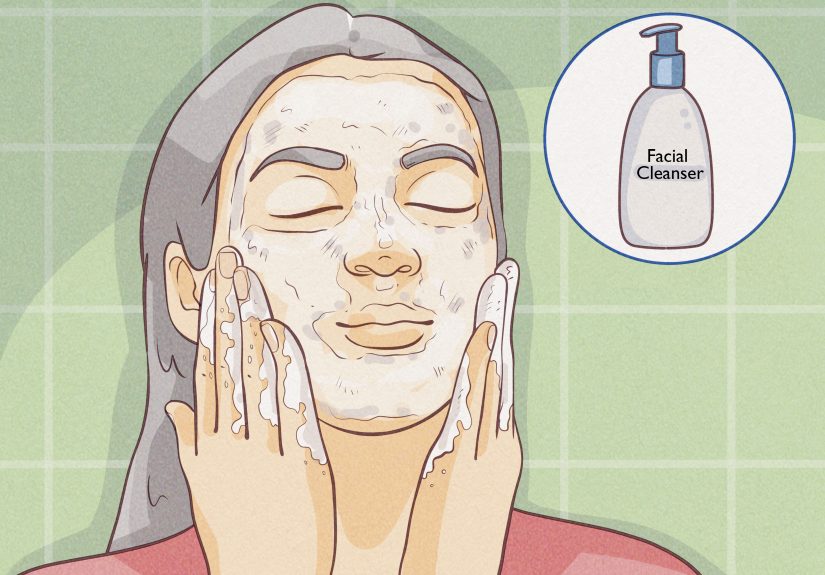
If your skin ever feels tight after cleansing, makeup will likely cling to dryness and texture. The fix is not “more foundation.” The fix is prep. Apply a moisturizer that makes your skin feel comfortable (not greasy), then finish with sunscreen in the daytime.
Example: If your cheeks get dry but your T-zone gets shiny, moisturize all over, then add a small amount of oil-control or primer only where needed (usually the center of the face). This keeps your base from separating while still looking dewy in a good way.
Step 2: Choose a Base That Looks Like Skin (Not a Mask)
With gray hair, a heavy, matte base can look harsher because it removes natural dimension from the face. Aim for a tinted moisturizer, serum foundation, or light-to-medium foundation with a natural or luminous finish.
Pro tip: Apply foundation where you need it most (usually around the nose, chin, or redness) and sheer it out toward the edges. This keeps the look lifted and modernespecially in daylight.
Step 3: Color-Correct and Conceal Strategically
Under-eye concealer is where a lot of makeup routines go to die. It’s also where they can be rebornquietly, beautifully, and without creasing.
- If you have blue/purple under-eye darkness, try a peach or salmon corrector first (thin layer), then a hydrating concealer.
- Use less product than you think. You can always add more; you can’t un-crease without removing everything and starting over.
Example: Instead of swiping concealer from inner corner to outer corner like a paint roller, focus on the inner half where darkness is strongest, then blend outward lightly.
Step 4: Set Only Where Makeup Moves (A.K.A. The “Don’t Powder Your Entire Soul” Rule)
Gray hair often looks most flattering with a soft, radiant facenot a flat, fully powdered finish. Set your concealer and oily zones lightly with a finely milled powder. Leave the rest of the face alone so your skin can look like… skin.
Pro tip: If you love powder, press it in with a puff only where needed (under eyes, sides of nose, center forehead), then dust off the excess with a fluffy brush. It’s the difference between “polished” and “biscuit.”
Step 5: Add Cheek Color to Prevent the “Washed Out” Effect
Blush is your best friend with gray hair because it restores warmth and liveliness instantly. Cream blushes are especially forgiving on mature skin and tend to melt in rather than sit on top.
How to choose a shade:
- Warm undertone: peach, coral, warm rose
- Cool undertone: berry, rosy pink, cool rose
- Neutral undertone: “rosewood” shades that aren’t too orange or too blue
Placement that lifts: Start slightly above the apples of the cheeks and blend upward toward the temples. (Yes, you can smilejust don’t park blush directly on the lowest part of the cheek if you want a lifted look.)
Step 6: Use Soft Bronzer or Contour for Gentle Dimension
Gray hair can make your facial features look softerbeautiful, but sometimes you miss a little definition. A light bronzer or contour can bring it back. The key is sheer and well-blended. Cream formulas tend to look more natural and less powdery.
Example: Apply a touch of bronzer along the hairline, on the tops of the cheekbones (not the hollows), and a whisper across the bridge of the nose. If you can clearly see a stripe, blend until it becomes a rumor.
Step 7: Define Brows (Because Gray Hair Can Steal Their Spotlight)
When hair turns gray, brows can appear lighter by comparisoneven if your brow hairs haven’t changed much. Defining brows frames the face and makes every other makeup step look more intentional.
- Choose a shade like taupe, soft ash brown, or neutral brown (often more flattering than very warm brow products).
- Use light strokes where sparse. Avoid filling the entire brow into a solid block unless you’re auditioning for a cartoon villain role.
Step 8: Pick Eye Colors That Add Life (Not Flatness)
Here’s the funny thing about gray hair: many people think they should wear gray eyeshadow to “match.” You canbut it can also make the face look monochrome if everything is cool-toned at once.
Try these easy eye options:
- Everyday neutral: taupe, soft brown, champagne
- Brightening: warm bronze, copper, soft gold (especially if you like warmth)
- Elegant pop: plum, mauve, navy, deep green (great contrast with silver hair)
Liner tip: If black eyeliner feels harsh, switch to deep brown, charcoal, or navy. Smudge it slightly for softnesslike you meant to be dramatic, but only a little.
Step 9: Choose Lip Color That Balances Your New Contrast
One of the biggest upgrades with gray hair is the ability to wear lip color that looks chic and intentional. Many people find that very pale nude lips can make them look washed out with silver hair, while rosy, berry, coral, and classic reds look especially striking.
Easy winning shades:
- Rosy nude (still natural, but alive)
- Soft berry (brightens the whole face)
- Coral (fresh and youthful)
- Blue-based or neutral red (timeless with gray hair)
Example: If you’re nervous about bold lipstick, try a tinted balm or lipstick blotted down and topped with a little balm. It reads “fresh” rather than “full glam.”
Step 10: Finish with “Controlled Glow” and a Reality Check
Gray hair pairs beautifully with glowjust keep it refined. Use a cream or liquid highlighter on the high points (tops of cheekbones, a tap on the brow bone, cupid’s bow). Avoid heavy shimmer on textured areas.
Then do the most important step: check your makeup in natural light or take a quick phone photo. Bathroom lighting lies. It lies like it’s getting paid.
Quick Color Cheat Sheet for Makeup with Gray Hair
- If you feel washed out: add blush + a slightly bolder lip
- If your makeup looks harsh: switch matte base to natural finish; soften eyeliner; use cream formulas
- If you look “too cool-toned”: add warmth with bronzer or a coral/rose lip
- If you look “too warm” next to silver hair: choose neutral brow shades; try berry/rose tones; keep bronzer sheer
Common Mistakes (and Easy Fixes)
Mistake 1: Going too matte
Fix: Use a hydrating base, set only where needed, and add a touch of cream blush.
Mistake 2: Skipping brows entirely
Fix: A tinted brow gel alone can make a huge difference in framing your face.
Mistake 3: Wearing the same lip color you used for years (even if it no longer works)
Fix: Try a rosy nude or berry tint. You don’t need neonjust a bit more life.
Mistake 4: Using too much concealer under the eyes
Fix: Correct first (if needed), then use a thin layer of hydrating concealer and minimal powder.
FAQ: Makeup with Grey Hair
Do I need to wear brighter makeup with gray hair?
Not brighterjust more intentional. Many people benefit from slightly more cheek and lip color to balance the softer contrast of gray hair.
Is cool-toned makeup always best for silver hair?
Nope. Your skin undertone matters most. Silver hair can look amazing with warm bronzes, corals, and soft goldsespecially if you have warm or neutral undertones.
Can I still wear black eyeliner?
Absolutely. If it feels harsh, soften it by smudging or switching to deep brown/charcoal for everyday looks.
What’s the most flattering finish for mature skin with gray hair?
Most people love a natural-to-luminous finish with strategic setting. Think “healthy glow,” not “oily shine” and definitely not “chalk dust.”
Experiences: What People Commonly Notice When They Go Gray (and How They Adjust)
When someone transitions to gray hair, the first “experience” they often describe isn’t about hair at allit’s about their face. They’ll put on their usual makeup and think, “Why do I look tired?” or “Why does my lipstick look different?” This is incredibly common, and it’s usually not a problem with your features. It’s simply that your overall contrast changed, and your makeup needs a tiny recalibration.
Experience #1: The ‘Washed Out’ Moment in Daylight. A lot of people feel great in the bathroom mirror, then catch themselves in the car visor mirror and suddenly feel like their face vanished. Daylight has zero mercy. The fix most people love is adding one defining elementeither a cream blush with a bit more pigment or a slightly bolder lip (like a rosy berry). The funny part? It often takes less makeup, not more. Just better placement and color choice.
Experience #2: Brows Suddenly Feel “Missing.” Even if your brows haven’t changed, gray hair can make them appear softer. People who never used brow products sometimes start using a tinted brow gel and are shocked at how instantly “done” they look. It’s the lowest-effort, highest-payoff adjustment. Many also report that warmer brow shades they used for years start to look orangey next to silver hair, so they switch to taupe or ash and everything looks calmer.
Experience #3: Lipstick Becomes the Main Character. One of the happiest surprises is how chic lip color can look with gray hair. People often experiment morereds, berries, coralsand realize silver hair makes classic shades feel modern instead of “too much.” A common learning curve: very pale nude lipstick can drain the face, while a rosy nude keeps things natural but lively. Many end up keeping two “gray hair hero” shades: one everyday rosy tone and one bolder option for events.
Experience #4: Texture Shows Up Faster (Especially Under the Eyes). Lots of people notice that heavier concealer settles more than it used to. The adjustment is usually three-part: better hydration, less product, and lighter powder. People also learn to apply concealer only where darkness is strongest instead of coating the entire under-eye. The result looks fresher and smootherlike you slept, drank water, and made good choices… even if you didn’t.
Experience #5: Gray Hair Encourages a Softer, More Modern Look. Many describe feeling drawn toward “skin that looks like skin,” cream blushes, and softly smudged eyeliner instead of harsh lines. Gray hair can look powerful with bold makeup, but it also pairs beautifully with minimal, glowy routines. People often find their signature look becomes more refined: fewer heavy layers, more strategic definition, and a focus on healthy-looking skin.
The biggest takeaway from these shared experiences is simple: gray hair doesn’t require a whole new face. It just nudges you toward smarter color balance and more flattering textures. Once you find your new rhythm, makeup with gray hair can feel easier, cooler, and more you than ever.