Table of Contents >> Show >> Hide
- The Core Idea: Heat + Flow + Control
- Storage Tank Water Heaters: The Classic “Hot Water Vault”
- Tankless Water Heaters: Hot Water on Demand (No Tank Required)
- Heat Pump Water Heaters: A Refrigerator in Reverse
- Why Hot Water Runs Out (And Why It’s Not Personal)
- Safety (The Part You Should Actually Read)
- What the Sounds and Symptoms Usually Mean
- How to Make a Water Heater Work Better (Without Treating It Like a Science Fair Project)
- Putting It All Together
- Real-World Experiences: What People Notice Once They Understand How Water Heaters Work
Your water heater is basically the quiet roommate who pays rent on time, never starts drama, and somehow keeps you from turning every shower into an arctic survival documentary. You rarely think about ituntil the day it stops doing its job and you discover what “invigorating” really means.
So how does a water heater work? The short version: it heats cold water, stores it (or heats it on-demand), and uses controls and safety devices to keep things comfortable and… not explosive. The longer version (the one you’re here for) explains what’s happening inside that metal cylinder, why hot water sometimes runs out, and what the different water heater types are actually doing behind the scenes.
The Core Idea: Heat + Flow + Control
No matter the brand or fuel type, every water heater is solving the same problem: deliver water at a target temperature when you open a hot tap. That requires three things:
- Heat (electric elements, a gas burner, or a heat pump system)
- Flow (cold water in, hot water out)
- Control (thermostats and sensors that decide when to heat)
Many systems add a fourth ingredient: safety. Because hot water expands, pressure rises, and combustion gases need to vent safely. Water heaters are designed with multiple layers of “let’s not turn this into a headline.”
Storage Tank Water Heaters: The Classic “Hot Water Vault”
The most common setup in U.S. homes is a storage tank water heater. Picture an insulated tank holding a ready supply of hot wateroften around 20 to 80 gallons, depending on the model and household needs.
Step-by-Step: What Happens When You Turn on the Hot Water
- Hot water leaves the top of the tank. The hot outlet is near the top because hot water naturally rises.
- Cold water enters through a dip tube. Instead of splashing cold water at the top (rude), the dip tube carries incoming cold water down toward the bottom where it can be heated.
- The thermostat senses a temperature drop. As cold water mixes in, the tank temperature falls below the set point.
- The heater turns on. A gas burner fires or electric heating elements energize.
- Water heats, rises, and “re-stacks” by temperature. Hotter water tends to sit above cooler water, so the tank forms layers (called stratification) that help you get usable hot water quickly.
- When the set temperature is reached, heating stops. The system cycles on and off throughout the day to maintain temperature.
The Parts Inside a Tank Water Heater (And What They Actually Do)
Water heaters look simple from the outside. Inside, they’re a team effort:
- Tank and lining: Often steel with a protective lining to resist corrosion.
- Insulation: Wrapped around the tank to reduce “standby heat loss” (heat leaking into the room when nobody is using hot water).
- Dip tube: Directs incoming cold water to the lower part of the tank so it doesn’t instantly chill the hot outlet.
- Anode rod (sacrificial rod): A metal rod that “sacrifices” itself so the tank is less likely to corrode. It slowly breaks down over time to protect the steel tank.
- Thermostat(s): The temperature brain that calls for heat when water cools.
- Heat source: Gas burner at the bottom (gas models) or heating elements inside the tank (electric models).
- T&P relief valve: A safety valve that releases water if temperature or pressure gets dangerously high.
- Drain valve: Used for maintenance/draining (typically handled by a professional due to scald risk).
- Vent/flue (gas): Routes combustion gases out of the home safely.
Gas vs. Electric: Same Goal, Different Playbook
Both types heat water and store it, but how they deliver heat differs:
How a Gas Water Heater Works
A gas water heater burns natural gas or propane in a sealed combustion area under the tank. The flame heats the tank bottom and a central flue (a vertical passage through the tank) helps transfer heat upward. Exhaust gases then vent out through the flue and into the home’s venting system.
The thermostat tells the gas control valve when to open and fire the burner. Many modern units use electronic ignition, while some older ones use a standing pilot. The big advantage: gas models often have strong “recovery”they can reheat water quickly after heavy use.
How an Electric Water Heater Works
Electric tank heaters typically use one or two heating elements. In many two-element designs, the upper thermostat and upper element heat the top portion first. Once the top is hot, the system shifts power to the lower element to heat the rest of the tank. This staged approach helps you get “shower-ready” hot water faster without running both elements at once.
Electric models are simple and common where gas isn’t available, but they may reheat more slowly than gas in some situations especially after multiple back-to-back showers.
Tankless Water Heaters: Hot Water on Demand (No Tank Required)
A tankless water heater (also called on-demand) heats water only when you open a hot water tap. Instead of keeping 40–80 gallons hot all day, it waits. Then it works fast.
Step-by-Step: What Happens in a Tankless Unit
- You open a hot tap. Water starts moving through the unit.
- A flow sensor detects demand. The unit “wakes up” because it senses water flow.
- The heat source activates. A gas burner fires or electric heating components energize.
- A heat exchanger transfers heat to the water. Water flows through coiled tubing or channels designed to absorb heat efficiently.
- Controls modulate output. Many units adjust the flame or power level to maintain a steady outlet temperature.
- Water exits hotcontinuously. As long as demand continues (and the unit can keep up), hot water keeps coming.
The upside is reduced standby heat loss and virtually endless hot water during steady demand. The tradeoff is flow limit: tankless units are rated for how many gallons per minute they can heat by a certain temperature rise. If multiple showers, a dishwasher, and laundry all run at once, the unit may deliver lukewarm water or reduce flow to keep temperature stable.
Condensing vs. Non-Condensing Tankless (Why Venting Can Change)
Some tankless models are condensing, meaning they capture additional heat from exhaust gases using extra heat exchange surfaces. This improves efficiency and can allow cooler exhaust venting, which sometimes opens up different venting options compared to non-condensing designs.
Heat Pump Water Heaters: A Refrigerator in Reverse
A heat pump water heater (HPWH) doesn’t make heat the same way electric resistance elements do. Instead, it uses electricity to move heat from the surrounding air into the waterkind of like a refrigerator working backward. That’s why heat pump water heaters can be significantly more efficient than standard electric tank heaters.
How a Heat Pump Water Heater Works
- A fan draws in warm air from the surrounding space (garage, basement, utility room).
- Refrigerant absorbs heat from that air through an evaporator coil.
- A compressor concentrates the heat by raising refrigerant temperature and pressure.
- A condenser transfers heat into the tank water.
- Hybrid backup heating may kick in during heavy demand (many HPWHs include resistance elements for peak usage).
Bonus side effect: HPWHs often cool and dehumidify the air around them slightlygreat in some basements, less great if you were trying to heat that space in winter.
Why Hot Water Runs Out (And Why It’s Not Personal)
If you have a tank system, your “hot water supply” is basically a mixing game. As you draw hot water, cold water refills the tank. Eventually, the overall tank temperature drops enough that what comes out feels warm-ish instead of hot.
Three factors usually decide whether you run out:
- Tank size: A 30-gallon tank serves a smaller household differently than a 50-gallon tank.
- Recovery rate: How quickly the heater can reheat incoming cold water (often strong for gas, variable for electric).
- Demand timing: A shower after laundry + dishwasher is like asking your water heater to juggle while running a sprint.
With tankless units, “running out” is more about too much flow at once. One shower may be fine; two showers plus a tub fill might exceed capacity.
Safety (The Part You Should Actually Read)
Water heaters are safe when installed correctly and maintained, but they deal with high heat, high pressure, or combustion. Here are the big safety conceptswithout turning this into a panic movie trailer:
1) Temperature Settings and Scald Risk
Many households set water heaters around 120°F for comfort, energy savings, and reduced scald risk. Higher settings can increase burn risk at the tapespecially for kids, older adults, and anyone with slower reaction time. In homes that need higher tank temperatures for specific reasons, professionals often use mixing/tempering valves to deliver safer temperatures at fixtures.
2) The T&P Relief Valve: The “Last Line of Defense”
The temperature and pressure relief valve is designed to open if temperature or pressure becomes unsafe. Many common residential setups use valves rated around 150 psi and 210°F (exact requirements depend on the heater and local code). This valve should never be blocked or pluggedever.
3) Venting and Combustion Safety (Gas Units)
Gas water heaters must vent combustion byproducts out of the home. Poor venting can lead to dangerous backdrafting and air quality issues. If you ever smell gas, notice soot, or suspect venting problems, treat it as urgent and contact a qualified technician immediately.
4) “DIY” vs. “Please Don’t”
It can be tempting to tinker, but water heaters involve scalding water, gas lines, and high-voltage electricity. For safety especially if you’re a teenstick to observation (listening, noticing leaks, checking the area is dry and ventilated) and ask a qualified adult or licensed pro for any hands-on work.
What the Sounds and Symptoms Usually Mean
Water heaters communicate in a language made entirely of annoyance. Here are common “messages” and what they often point to:
- Popping or rumbling: Sediment buildup can harden at the bottom of a tank, creating noise as water boils through it.
- Rusty or metallic water: Corrosion could be happening in pipes or the tank; a worn anode rod is a common factor.
- Rotten-egg smell: Often linked to reactions involving water chemistry and the anode rod; this is a “call a pro” situation.
- Lukewarm water: Could be thermostat settings, a failing heating element (electric), burner issues (gas), or simply too much demand.
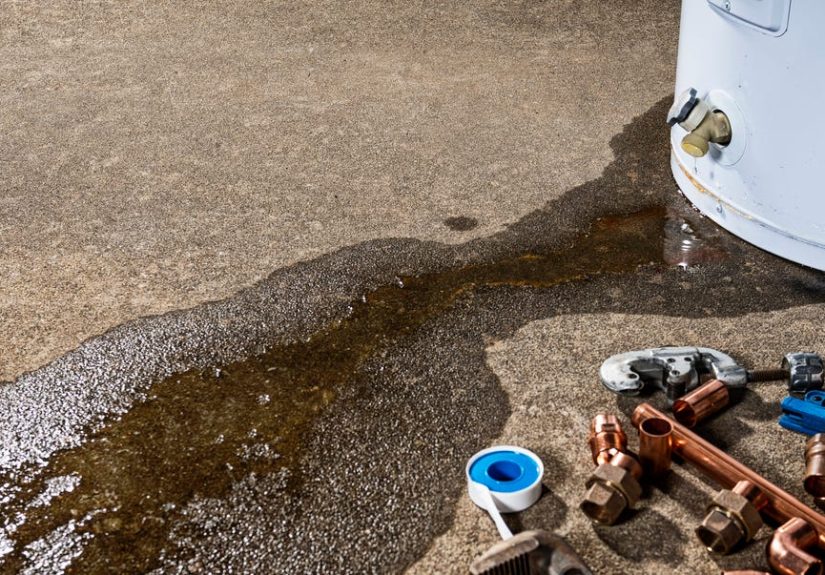
- Water around the base: Could be a loose fitting, relief valve discharge, or a tank leak. Any persistent leak deserves prompt attention.
How to Make a Water Heater Work Better (Without Treating It Like a Science Fair Project)
Performance and efficiency usually improve when the system is sized correctly, set to a sensible temperature, and maintained. Homeowners often focus on these big levers:
- Right sizing: Choose capacity/output based on household size and simultaneous hot water use.
- Sensible temperature: Avoid overly high settings unless there’s a specific need and proper anti-scald controls.
- Regular maintenance: Sediment control and inspections help tanks last longer and run quieter.
- Efficient upgrades: Heat pump or high-efficiency tankless models can reduce energy waste in many homes.
Putting It All Together
A water heater works by combining a heat source with smart controls and safe plumbing design: storage tanks keep a reservoir hot, tankless units heat water as it flows, and heat pump systems move heat instead of generating it directly. Once you understand the basicscold water in, hot water out, thermostat calls for heat, safety valve stands guardyou’ll read your home’s hot water behavior like a pro.
And the next time someone says “hot water heater,” you can politely think, “Yes… it’s a heater… for water… that is not already hot.” Then you can take your shower and enjoy your secret victory.
Real-World Experiences: What People Notice Once They Understand How Water Heaters Work
Once you know what’s going on inside a water heater, everyday hot water moments start making a lot more senseand you’ll notice patterns that used to feel random. For example, a lot of people realize their “I ran out of hot water” problem isn’t mysterious at all; it’s usually timing. If one person showers right after another, the tank is refilling with cold water through the dip tube while the burner or heating elements are trying to catch up. That’s why the first shower feels perfect and the second one suddenly feels like the water heater is holding a grudge. It’s not. It’s just physics and a limited tank volume.
People also tend to notice the difference between tank size and recovery rate. A smaller tank with a strong gas burner can sometimes feel “better” than a larger electric tank that reheats slowlyespecially in households where hot water use happens in bursts (morning routines, sports practice showers, laundry marathons). Once you understand recovery, you can predict when the water heater will be happiest: spaced-out showers, fewer simultaneous fixtures, and giving the unit time to reheat between big draws.
Another common experience is the “mystery noises” phase. Someone hears popping or rumbling and assumes the tank is about to launch itself into orbit. Usually, it’s sediment. Minerals can settle at the bottom of a storage tank, and when the burner fires (or the lower element heats), that layer can create sizzling and popping sounds as water moves through it. The funny part is that the sound often shows up graduallyso people only notice it one day and act like the tank started beatboxing overnight.
Tankless owners have their own “aha” moments too. Many people love endless hot wateruntil they learn the unit still has a maximum flow it can heat. That’s when you get the classic household negotiation: “Can you not run the dishwasher while I’m showering?” It’s not that tankless is bad; it’s that it’s designed around flow rate and temperature rise. Understanding that helps people choose smarter habits (or install a unit sized for higher simultaneous demand).
Heat pump water heater experiences are often surprisingly sensory. People notice the room feels cooler or less humid, especially in basements and utility spaces, because the unit is pulling heat from the air. Some homeowners love that side effect in muggy climates. Others learn quickly that putting a heat pump water heater in a tiny, sealed closet can be a bad vibe unless the space has enough air volume or ventilationbecause the unit needs access to ambient heat to run efficiently.
And then there’s the “temperature setting reality check.” Many households bump the temperature up hoping it will “create more hot water,” and it kind of doesbecause hotter tank water mixes with more cold at the faucet. But people also learn that higher settings can raise scald risk and can speed up scaling in hard-water areas. Once they understand the tradeoff, they’re more likely to keep a safer temperature and solve comfort issues with better sizing, smarter scheduling, or professional upgrades like mixing valves rather than just cranking the dial and hoping for the best.