Table of Contents >> Show >> Hide
- What Home Tours Really Are
- Why Home Tours Are So Addictive
- How to Read a Home Tour Like a Pro
- What Buyers Should Look for During Home Tours
- Virtual Home Tours vs. In-Person Tours
- What Homeowners Can Learn From Editorial Home Tours
- How to Create a Home Worth Touring
- The Real Value of Home Tours
- Experiences From the World of Home Tours
- Conclusion
Some people watch true crime. Some people watch football. And then there are the rest of us, happily nosey but socially acceptable, clicking through home tours like it is our civic duty. One more kitchen, one more mudroom, one more suspiciously perfect linen closet. Just one more. Suddenly it is midnight and you have strong feelings about unlacquered brass.
That is the magic of home tours. They are part inspiration, part education, and part harmless peeking into how other people actually live. A great house tour is not just a parade of pretty furniture. It shows how a home works, why a layout feels easy, where storage quietly saves the day, and how personality can live alongside practicality. In other words, home tours are design school without the tuition bill.
Whether you are decorating your current place, buying your first home, renovating a fixer-upper, or simply trying to stop your living room from looking like a waiting area at a dentist’s office, learning how to read home tours can make you smarter, faster, and more intentional. Let’s take a proper walk-through.
What Home Tours Really Are
Home tours come in a few flavors. There are editorial tours, the kind you see in design magazines and lifestyle sites, where the emphasis is inspiration: color palettes, room flow, layered textures, clever storage, and all the little choices that make a home feel distinct. Then there are buyer-focused home tours, where the job is less “admire the pendant light” and more “please notice the ancient HVAC system before you fall in love.”
Both matter. Editorial tours teach you how to think like a designer. Real-estate tours teach you how to think like an adult with a budget and a future roof replacement to worry about. Put them together, and you get the full picture: beauty plus function, style plus maintenance, dream plus spreadsheet.
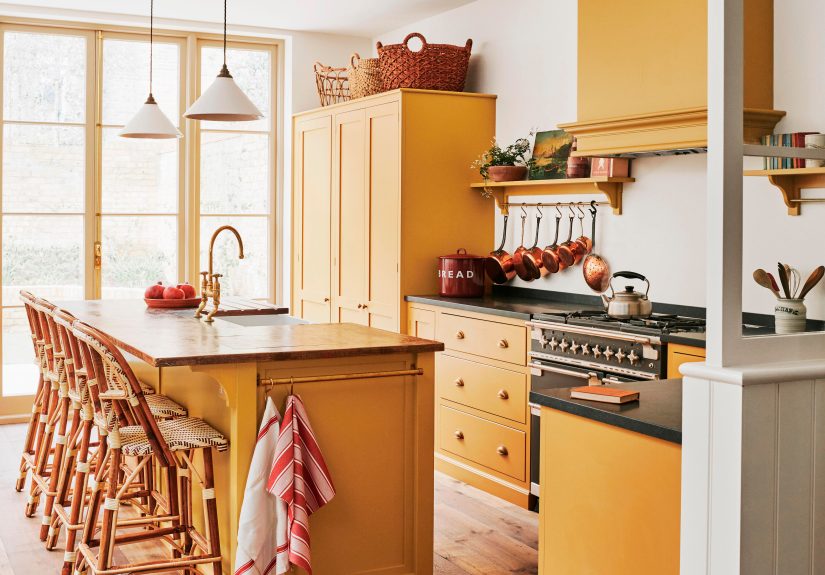
That is why the best home tours are never only about trends. They show how people solve real-life problems. A narrow hallway becomes useful with built-ins. A small bedroom grows up with vertical storage. An awkward entryway learns manners with a bench, hooks, and a rug that can survive weather, pets, and whatever mystery substance kids track indoors.
Why Home Tours Are So Addictive
Let’s be honest: part of the appeal is curiosity. We want to know how people arrange their books, where they hide the litter box, and whether anyone else also has a chair that exists purely to hold laundry. But the deeper reason is that interior design inspiration feels more useful when it is shown in a real home instead of a sterile showroom.
Real homes have constraints. They have weird corners, low ceilings, dark hallways, outdated bathrooms, and rooms that somehow need to be an office, gym, guest room, and emotional support zone all at once. When you see how other homeowners and designers handle those challenges, the ideas feel transferable.
Home tours also help you understand what you actually like. Maybe you thought you wanted a minimalist home until you saw three beige living rooms in a row and felt your soul leave your body. Maybe you assumed bold color was too risky, then one painted pantry or wallpapered powder room changed your mind. Taste gets sharper when it has something real to react to.
How to Read a Home Tour Like a Pro
If you want more than a temporary Pinterest high, do not scroll past a home tour too quickly. Study it. Good home tours are full of clues.
1. Start with the layout, not the lamp
A beautiful room can distract you from the real lesson. Before you notice the art, notice the flow. Where do people enter? What do they see first? How does one space connect to another? In strong homes, circulation feels easy. You are not squeezing sideways past a coffee table or wondering why the dining chairs are in a knife fight with the kitchen island.
When a home tour works, it usually means the room arrangement supports daily life. Seating faces conversation. Task lighting sits where people actually read. Storage appears near the mess it is meant to control. The glamorous part is nice. The invisible logistics are what make it livable.
2. Watch how color moves through the house
One of the smartest tricks in many home tours is color continuity. Not sameness, continuity. A house does not need to look like every room was dipped in one gallon of greige. It does need some rhythm. That might be repeated wood tones, a family of greens and blues, warm neutrals carrying through public rooms, or one punchy accent color used like a signature instead of a scream.
If a home feels calm and collected, look for the thread connecting the rooms. It is often subtle. The secret is not matching everything; it is making everything feel related.
3. Pay attention to scale
Home tours are excellent teachers of proportion. A tiny rug can make a living room look like it is wearing shoes two sizes too small. Oversized lighting can make a plain room memorable. Long curtains make ceilings feel taller. The right sofa can anchor a room; the wrong one can make it feel like a manatee parked indoors.
When you study a tour, ask yourself why the room feels balanced. It is usually scale. Designers obsess over it for good reason.
4. Notice what is missing
This is a big one. Great homes are often edited homes. Not empty, not cold, just intentional. If a room looks polished, it is probably because someone removed five things. Home tours teach restraint in a way shopping never will. The lesson is not “buy more decor.” It is often “stop putting random tiny objects on every available surface.”
What Buyers Should Look for During Home Tours
If your version of a home tour involves a real-estate agent and a lockbox, admiration must share space with analysis. This is where home walkthrough skills matter.
Start outside. Curb appeal is not just cosmetic; it can signal upkeep. Look at the roofline, drainage, siding, windows, foundation, and landscaping. Inside, go beyond fresh paint and nice staging. Check natural light at different times if possible. Open doors and windows. Look at storage, outlet placement, ceiling height, traffic flow, and sight lines. Turn on faucets. Listen for suspicious rattles. Peek at utility areas. Romance is wonderful, but plumbing still exists.
Ask practical questions. How old are the major systems? What repairs were done recently? Are there signs of moisture, patchwork fixes, or deferred maintenance? Does the home suit your everyday routines, not just your fantasy self who bakes sourdough and alphabetizes pantry jars?
The smartest buyers use home tours to imagine real life in the space. Where does the stroller go? Where do guests put coats? Can two people cook here without passive-aggressively bumping hips? Is there enough quiet if someone works from home? A good home can be beautiful. A better home makes ordinary life easier.
Virtual Home Tours vs. In-Person Tours
Virtual home tours are useful, fast, and blessedly efficient. They help narrow options, compare layouts, and save time before committing to an in-person visit. They are especially good for spotting obvious deal-breakers like cramped room shapes, bizarre circulation, or a kitchen that appears to have been designed by someone deeply opposed to counter space.
But virtual tours have limits. Cameras flatter. Wide angles stretch rooms. Screens cannot tell you whether the street is noisy, whether the natural light feels flat, or whether the place smells vaguely like “previous water issue.” In person, details reveal themselves: the quality of finishes, the condition of floors, the feel of storage, the relationship between rooms, and the true size of everything.
The best strategy is to use virtual tours for efficiency and in-person tours for truth. One saves time. The other saves regret.
What Homeowners Can Learn From Editorial Home Tours
You do not need a celebrity budget, a showhouse pedigree, or a marble bathtub the size of a canoe to learn from real home tours. In fact, the most useful lessons often come from homes with constraints.
A small apartment may teach you more about storage than a mansion ever could. A family home may reveal smarter entryway systems, better laundry placement, and more forgiving materials. A restored historic house might show how to preserve character without turning daily life into a museum field trip.
Here are the lessons home tours repeat again and again:
- Lighting changes everything. Layer overhead, task, and accent lighting instead of relying on one heroic ceiling fixture.
- Storage should be near the problem. Shoes belong near the door, not in some aspirational closet three rooms away.
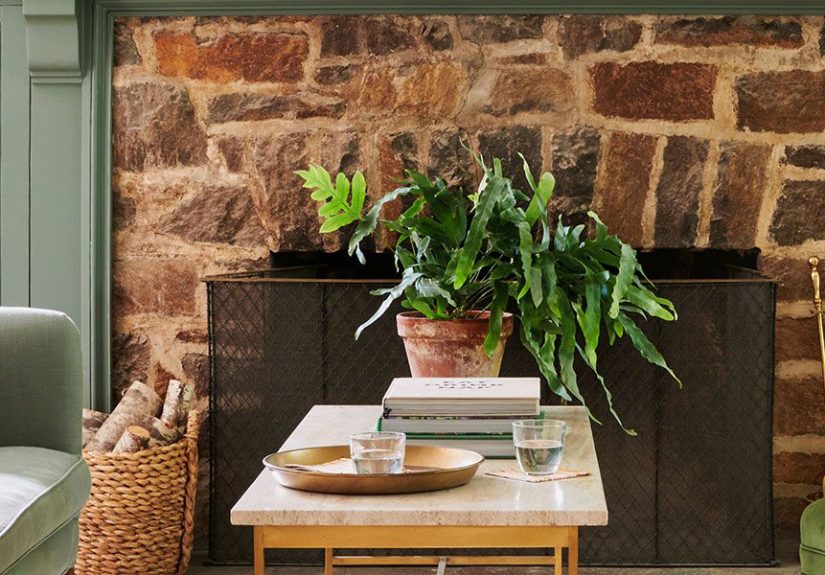
- Texture adds depth. Wood, linen, stone, metal, and woven elements make even simple rooms feel richer.
- Personality beats perfection. Art, books, vintage finds, travel pieces, and handmade details make a home memorable.
- Every room needs a job. The prettiest spaces usually work hard behind the scenes.
That is the quiet genius of home tours. They remind us that good design is not about copying a room exactly. It is about understanding why it works, then translating that logic to your own life.
How to Create a Home Worth Touring
If you want your own space to feel tour-worthy, start with function, then style. Clear the routes people walk. Improve lighting. Edit clutter. Define each zone. Make the entryway welcoming. Give the eye a few memorable moments: art above a console, a painted ceiling, a bold rug, a fantastic reading chair, a shelf that looks curated instead of mugged by miscellaneous objects.
Then add the human part. The best homes do not feel staged into submission. They feel lived in, but thoughtfully lived in. A kitchen with a bowl of fruit, a mudroom that handles real boots, a bedroom that looks restful instead of over-accessorized, a living room that invites people to sit instead of admire from a distance like fragile museum interns.
Home tours should inspire better living, not just better photographing. If your home functions beautifully on a Tuesday morning, congratulations: you are already winning.
The Real Value of Home Tours
At their best, home tours do something rare. They make design feel accessible. They show that style is not a magic trick reserved for professionals with endless square footage. It is a series of decisions: what to keep, what to edit, where to spend, how to arrange, when to paint, and why comfort matters as much as visual drama.
Home tours also sharpen your eye. After enough of them, you begin to notice patterns. The rooms you love usually have balance, warmth, usable storage, layered light, and at least one element of surprise. The rooms that leave you cold may be technically expensive but emotionally empty. That is useful knowledge, whether you are buying, renovating, decorating, or simply trying to make home feel more like you.
So yes, go ahead and click that next home tour. Study the kitchen. Judge the sconces. Admire the millwork. But also pay attention to the deeper lesson: every beautiful home is really a well-solved problem wearing a nice lamp.
Experiences From the World of Home Tours
Spend enough time around home tours, and you start collecting little moments that never show up in the glossy photos. That is where the topic becomes more than design content and starts feeling human. One of the most interesting things about touring homes is how quickly you can sense the difference between a house that is simply styled and a house that is actually loved.
In one home, you may notice an entry bench with scratched legs and instantly understand that this is where the kids kick off sneakers every day. In another, you may see a sun-faded patch on the floor near a window and realize that a dog clearly spends entire afternoons there like a furry philosopher. These details are tiny, but they tell the truth. They reveal how people move through their homes, what they value, and where life really happens.
There is also a particular thrill in walking through a small home that has been designed brilliantly. Square footage starts to matter less when every inch has a purpose. A narrow galley kitchen can feel charming instead of cramped. A tiny office nook tucked under the stairs can feel smarter than a giant unused formal room. These tours leave a strong impression because they prove that creativity often shows up best under pressure. Big budgets are nice. Clever thinking is better.
Then there are the homes that look stunning in photos but feel surprisingly cold in person. Maybe the furniture is too delicate, the lighting too harsh, or the layout too formal for normal life. Those experiences are valuable too. They teach you that a home should not just photograph well; it should welcome people, support routines, and survive a spilled cup of coffee without requiring a ceremonial apology.
Some of the most memorable home tours are not the grandest ones at all. They are the places where the owner has made deeply personal choices: a hallway turned into a library, a dining room painted a moody color because it makes candlelight look dramatic, a kitchen full of mismatched chairs that somehow works better than a showroom set ever could. Those homes feel brave. They remind us that taste becomes interesting when it stops asking permission.
Home tours can also change how you see your own space. After enough of them, you stop thinking, “I need a whole new house,” and start thinking, “Maybe I just need better lamps, less clutter, and a rug that is not emotionally giving up.” That shift matters. It turns inspiration into action.
And perhaps that is the best experience of all. A great home tour does not leave you feeling inadequate. It leaves you feeling alert, energized, and full of possibility. It gives you one useful idea, then another, then maybe ten more. Suddenly your home is no longer a fixed backdrop. It is a living project, an evolving reflection of your habits, your taste, and your sense of comfort. That is why home tours endure. They are not really about looking at someone else’s home. They are about learning how to see your own.
Conclusion
Home tours are more than design entertainment. They are practical lessons in space planning, decorating, maintenance, and daily living. They help buyers become sharper, homeowners become more intentional, and design lovers become more confident about what actually works. The best ones balance aspiration with reality, beauty with usefulness, and personality with comfort. And that is exactly why they remain irresistible.