Table of Contents >> Show >> Hide
- What Is a Gluten-Free, Vegan Diet?
- Can a Gluten-Free, Vegan Diet Help With Weight Loss?
- Key Nutrients to Watch on a Gluten-Free, Vegan Diet
- How to Build a Balanced Gluten-Free, Vegan Plate
- Sample Gluten-Free, Vegan Meal Plan for Weight Loss
- Potential Downsides and Who Should Be Careful
- Practical Tips for Success
- Everyday Experiences on a Gluten-Free, Vegan Diet
- The Bottom Line
Thinking about going gluten-free and vegan at the same time? Congratulations, you’ve just unlocked “expert mode” for healthy eating.
A gluten-free, vegan diet can support weight loss, improve overall health, and reduce your environmental footprint but only if it’s done thoughtfully.
Done poorly, it can lead to lots of expensive snacks, nutrient gaps, and a very cranky version of you at 3 p.m.
In this guide, we’ll break down exactly what a gluten-free, vegan diet is, how it may help with weight loss, what nutrients to watch, and how to build an easy, realistic meal plan.
We’ll also share real-life style “experiences” to help you decide if this lifestyle is truly right for you.
What Is a Gluten-Free, Vegan Diet?
Gluten-free: more than a trend word on a snack bag
Gluten is a family of proteins found in wheat, barley, rye, and related grains. People with celiac disease, non-celiac gluten sensitivity, or wheat allergy need to avoid gluten because it can trigger immune reactions, digestive symptoms, and long-term damage to the small intestine.
A gluten-free diet removes obvious sources like regular bread, pasta, crackers, and pastries, as well as less obvious sources such as many sauces, seasonings, and processed foods.
Fortunately, many grains and starches are naturally gluten-free, including quinoa, brown rice, corn, millet, sorghum, amaranth, teff, certified gluten-free oats, and starchy vegetables like potatoes and sweet potatoes.
When these foods are minimally processed and combined with plenty of produce and legumes, they can form the foundation of a very nutritious pattern of eating.
Vegan: plant-powered eating
A vegan diet excludes all animal products meat, poultry, fish, eggs, dairy, and ingredients like gelatin. People choose vegan diets for many reasons: health, animal welfare, climate concerns, or simply because they really love chickpeas.
Well-planned vegan diets are typically rich in fiber, vitamins, minerals, and antioxidants from fruits, vegetables, legumes, whole grains, nuts, and seeds. Research links plant-based eating patterns to a lower risk of heart disease, type 2 diabetes, and some cancers, especially when the focus is on whole foods rather than ultra-processed vegan junk food.
Combining both: gluten-free and vegan together
A gluten-free, vegan diet is essentially a plant-based pattern that avoids both animal products and gluten-containing grains. That means building meals around:
- Fruits and vegetables in all colors
- Legumes: beans, lentils, chickpeas, peas, and soy foods (tofu, tempeh, edamame)
- Gluten-free whole grains: quinoa, brown rice, buckwheat, millet, amaranth, sorghum, teff, certified gluten-free oats
- Nuts, seeds, and nut/seed butters
- Plant-based fats like avocado and olive oil
- Fortified plant milks and products for nutrients like calcium, vitamin D, and vitamin B12
In other words, you’re not just “taking things out” you’re intentionally putting nutrient-dense foods in.
Can a Gluten-Free, Vegan Diet Help With Weight Loss?
Short answer: it can. Long answer: it depends on how you build your plate, your overall calorie intake, and your lifestyle.
Why weight loss is possible on a gluten-free, vegan diet
Several studies show that vegan diets can support weight loss, often more than some traditional low-fat or heart-healthy diets, especially when they emphasize whole plant foods and modest fat intake.
Fiber-rich foods like beans, vegetables, and whole grains tend to be more filling per calorie than many animal-based and processed foods, which can naturally lower calorie intake without meticulous counting.
A gluten-free, vegan pattern can promote weight loss because:
- Higher fiber intake: Fiber helps you feel full, stabilizes blood sugar, and supports healthy digestion.
- Lower saturated fat: Removing animal products usually cuts back on saturated fat, which may benefit heart health.
- Lower energy density: Big portions of vegetables, fruits, and broth-based dishes provide volume with fewer calories.
- More home cooking: People on specialized diets often cook more at home and rely less on restaurant meals and takeout, which tend to be high in calories.
When weight loss may stall (or reverse)
“Vegan” and “gluten-free” labels don’t automatically mean “light” or “healthy.” It’s absolutely possible to gain weight on a gluten-free, vegan diet if:
- Most of your meals come from highly processed gluten-free breads, cookies, chips, and frozen meals.
- You rely heavily on refined starches (white rice, white rice pasta) instead of fiber-rich whole grains and beans.
- You pour generous amounts of oil, nut butter, vegan cheese, or coconut products on everything.
- Portions are large and physical activity is low.
Gluten-free packaged products are sometimes higher in sugar and fat and lower in protein and certain nutrients than their gluten-containing counterparts. The key to weight loss isn’t the label it’s the overall balance of calories, fiber, and food quality.
For steady, sustainable weight loss, pair your gluten-free, vegan diet with movement you enjoy, good sleep, and stress management. If you have medical conditions such as diabetes, heart disease, or celiac disease, it’s wise to work with a registered dietitian or healthcare provider before making major changes.
Key Nutrients to Watch on a Gluten-Free, Vegan Diet
Any time you remove major food groups, you need a plan for replacing what they used to provide. On a gluten-free, vegan diet, pay special attention to these nutrients:
Vitamin B12
Vitamin B12 is crucial for nerve health, red blood cell production, and DNA synthesis. It’s naturally found almost exclusively in animal products, so vegans are at higher risk of deficiency.
Fortified foods (like some plant milks, breakfast cereals, and nutritional yeast) and/or a B12 supplement are usually recommended for people on long-term vegan diets.
Iron
Plant foods contain non-heme iron, which is a bit harder for the body to absorb than the heme iron in animal foods. However, many plant-based, gluten-free foods are very rich in iron:
- Lentils and beans
- Tofu and tempeh
- Pumpkin seeds and sunflower seeds
- Quinoa and amaranth
- Dark leafy greens
To boost absorption, pair iron-rich foods with vitamin C sources in the same meal think lentil soup with tomatoes, tofu stir-fry with bell peppers, or a spinach salad with strawberries or citrus.
Calcium and vitamin D
Without dairy, you’ll need other sources of calcium and vitamin D. Gluten-free, vegan options include:
- Calcium-fortified plant milks (soy, almond, oat, pea, etc.)
- Calcium-set tofu (check the label for calcium sulfate)
- Leafy greens like kale, bok choy, and collard greens
- Fortified orange juice or other fortified beverages (in moderation)
Vitamin D is harder to get from food alone. Sunlight exposure, fortified foods, and supplements are often used together. Many adults not just vegans run low on vitamin D, so ask your healthcare provider if you should be tested.
Protein
The stereotype that vegans “don’t get enough protein” is exaggerated, but protein still matters for satiety, muscle maintenance, and healthy weight loss. Aim to include a good source of protein at each meal:
- Tofu, tempeh, or edamame
- Beans, lentils, and chickpeas
- Quinoa, buckwheat, and amaranth
- Hemp seeds, chia seeds, pumpkin seeds, and peanuts
Omega-3 fats, iodine, and zinc
Round out your diet with omega-3 fats (from ground flaxseed, chia seeds, hemp seeds, and walnuts), iodine (from iodized salt or seaweed products that clearly state iodine content), and zinc (from legumes, nuts, and seeds). For anyone on a strict long-term vegan diet, a multivitamin formulated for vegans can be a safety net but it shouldn’t replace a balanced whole-food eating pattern.
How to Build a Balanced Gluten-Free, Vegan Plate
Use this simple formula at most meals:
- ½ plate non-starchy vegetables – salad, broccoli, green beans, zucchini, peppers, cauliflower, etc.
- ¼ plate gluten-free whole grains or starchy vegetables – quinoa, brown rice, millet, sweet potato, or corn.
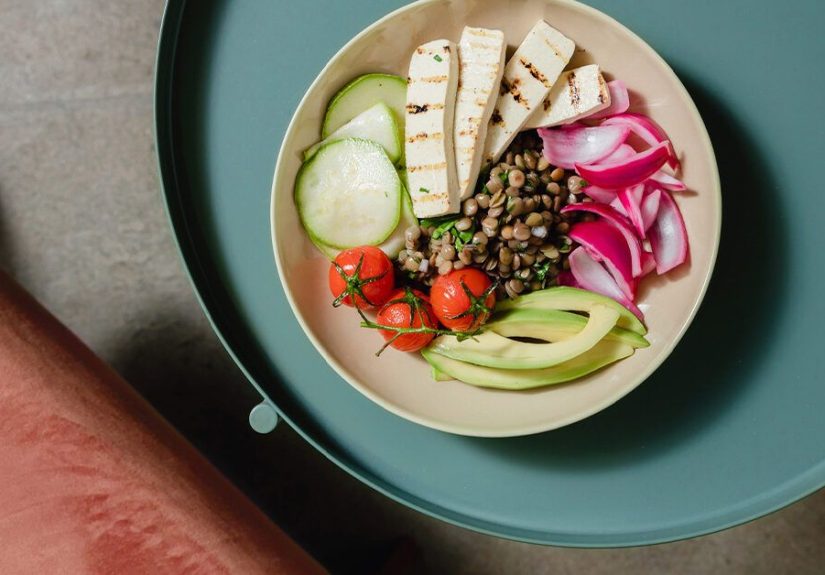
- ¼ plate plant protein – beans, lentils, tofu, tempeh, or a combination.
- Plus a source of healthy fat – avocado, nuts, seeds, or a small amount of oil for cooking.
- Optional fruit – as dessert or a side.
This pattern helps you get fiber, protein, healthy fats, and micronutrients in one colorful, satisfying meal without obsessing over every gram.
Gluten-free, vegan pantry staples
Stocking the right ingredients makes this lifestyle much easier. Consider keeping these on hand:
- Grains & starches: quinoa, brown rice, buckwheat groats, millet, sorghum, teff, certified gluten-free oats, potatoes, and sweet potatoes.
- Proteins: canned beans, lentils, chickpeas, tofu, tempeh, edamame (frozen), and canned refried beans labeled gluten-free.
- Fats: olive oil, avocado oil, tahini, nut and seed butters, nuts, and seeds.
- Flavor boosters: tamari (gluten-free soy sauce), coconut aminos, nutritional yeast, spices, garlic, onions, lemon, lime, and fresh herbs.
Sample Gluten-Free, Vegan Meal Plan for Weight Loss
This sample plan is designed with modest portions and lots of fiber to support weight management for many adults. Actual calorie needs vary, so treat this as inspiration rather than a strict prescription.
If you have health conditions or take medications, check with a healthcare professional before changing your eating pattern.
Day 1
- Breakfast: Warm quinoa “porridge” cooked in fortified soy milk with sliced banana, berries, cinnamon, and a spoonful of ground flaxseed.
- Snack: Apple slices with 1–2 tablespoons of peanut butter.
- Lunch: Big salad with mixed greens, shredded carrots, cherry tomatoes, cucumber, black beans, corn, avocado, and a lime-cilantro vinaigrette; side of baked sweet potato wedges.
- Snack: Baby carrots and cucumber sticks with hummus.
- Dinner: Tofu and vegetable stir-fry (broccoli, bell peppers, snap peas) over brown rice with a tamari-ginger sauce.
Day 2
- Breakfast: Green smoothie with spinach, frozen mango, frozen pineapple, chia seeds, and unsweetened almond milk; piece of gluten-free toast with avocado and tomato.
- Snack: Handful of walnuts and a clementine.
- Lunch: Lentil and vegetable soup with carrots, celery, tomatoes, and kale; side salad with olive oil and lemon.
- Snack: Rice cakes topped with hummus and sliced cucumber.
- Dinner: Chickpea “Buddha bowl” with quinoa, roasted Brussels sprouts, roasted carrots, chickpeas, tahini drizzle, and pumpkin seeds.
Day 3
- Breakfast: Overnight oats made with certified gluten-free oats, soy milk, chia seeds, blueberries, and a dash of vanilla.
- Snack: Sliced bell peppers and a small portion of guacamole.
- Lunch: Tofu taco salad: shredded lettuce, black beans, seasoned crumbled tofu, corn, salsa, and avocado; optional crumbled gluten-free corn tortilla chips for crunch.
- Snack: A small bowl of fruit salad (kiwi, orange, grapes).
- Dinner: Baked potato topped with steamed broccoli, white beans, nutritional yeast “cheese” sauce, and a side of mixed greens.
For Days 4–7, you can rotate similar meal patterns: smoothies or porridge at breakfast, soups or salads with beans or tofu at lunch, and hearty grain-and-veggie bowls or stir-fries at dinner.
Batch cooking grains and beans on the weekend makes weekday meals a lot smoother future you will be very grateful.
Potential Downsides and Who Should Be Careful
A gluten-free, vegan diet isn’t automatically healthier for everyone. Possible drawbacks include:
- Nutrient gaps: Without planning, you may fall short on B12, iron, calcium, vitamin D, omega-3s, and protein.
- Higher food costs: Specialty gluten-free products and vegan convenience foods can be pricey.
- Social and practical challenges: Eating out, traveling, or attending social events can take more planning.
- Overreliance on processed foods: Gluten-free cookies, vegan cupcakes, and plant-based “meats” can crowd out whole foods.
People with celiac disease, inflammatory bowel disease, kidney disease, diabetes, or a history of disordered eating should get personalized guidance before starting restrictive dietary patterns.
A registered dietitian who understands plant-based and gluten-free diets can help build a safe, balanced plan that fits your lifestyle.
Practical Tips for Success
- Start with what you already eat. Take your favorite meals and swap ingredients: use gluten-free tortillas, brown rice instead of regular pasta, beans or tofu instead of chicken.
- Read labels. Look for certified gluten-free products when needed and check for animal-derived ingredients, added sugars, and sodium.
- Plan your protein. When you think about a meal, ask: “Where’s the protein?” Add beans, lentils, tofu, tempeh, or edamame first, then build the rest around that.
- Prep once, eat multiple times. Cook a big pot of quinoa and lentils on Sunday; use them in salads, bowls, and soups throughout the week.
- Have “emergency” options. Keep shelf-stable items like canned beans, instant brown rice, and frozen vegetables for nights when life doesn’t go as planned.
- Be flexible. If you’re trying this pattern mainly for weight loss and you don’t medically need to avoid gluten, you might experiment with a plant-forward diet that includes some whole-grain wheat to see what feels sustainable.
Everyday Experiences on a Gluten-Free, Vegan Diet
Research is great, but what does this actually feel like in real life? While everyone’s experience is unique, many people who follow a gluten-free, vegan lifestyle report some common themes.
Week 1–2: The learning curve (and the label-reading Olympics)
At first, everything takes longer. Grocery trips can double in length because you’re reading every label like it’s a legal contract.
You start noticing how often wheat, milk, eggs, or “natural flavors” sneak into sauces, veggie burgers, and snacks. This can be frustrating, but it’s also an eye-opener: you quickly learn which brands are your new best friends and which ones aren’t worth the mental math.
Energy levels may fluctuate as you adjust. Some people feel lighter and less sluggish after cutting back on heavy animal-based meals and refined flours. Others feel a bit tired or hungry at first if they’re not eating enough calories or protein.
The fix is almost always the same: add more beans, tofu, grains, and healthy fats, not just more salad.
Month 1–3: Finding your groove
As you practice, meals and snacks become more automatic. You figure out a few “default” breakfasts (like overnight oats or tofu scramble with potatoes and veggies), go-to lunches (soups, salads, and bowls), and quick dinners (stir-fries, sheet-pan veggies with beans, or taco bowls).
Many people notice:
- Better digestion thanks to the increased fiber although it’s wise to ramp fiber up gradually and drink plenty of water.
- More stable energy from meals built around whole foods rather than sugar and refined starches.
- Some weight loss if overall calories decrease and physical activity is steady.
Social situations still require planning. You might become the person who always brings a big, crowd-pleasing gluten-free, vegan dish to potlucks not just for yourself, but because, surprisingly, people like delicious food that happens to be healthy.
Beyond 3 months: Tweaking for the long term
Over time, people who stick with a gluten-free, vegan lifestyle usually do so because they’ve found a pattern that feels good physically and fits their values.
They often report less reliance on processed foods, more comfort in the kitchen, and a better sense of which meals keep them full for hours versus which ones leave them raiding the pantry at 9 p.m.
Common long-term tweaks include:
- Paying more attention to protein at breakfast and lunch.
- Adding a B12 supplement and sometimes vitamin D or omega-3s after talking with a healthcare provider.
- Rotating different gluten-free whole grains to avoid food boredom and broaden nutrient intake.
- Planning ahead for travel with snacks like roasted chickpeas, trail mix, and instant oatmeal packets made with hot water.
Most importantly, successful long-term eaters don’t aim for perfection. They aim for patterns. If one day is heavy on gluten-free pasta and vegan ice cream, they simply balance it with extra vegetables, beans, and whole grains the next day without guilt.
The Bottom Line
A gluten-free, vegan diet can absolutely support weight loss and overall health when it centers on whole, minimally processed plant foods and covers key nutrients like protein, B12, iron, calcium, vitamin D, and omega-3s.
It’s not magic, and it’s not the only path to better health but for many people, it can be a powerful and satisfying way to eat.
If you’re curious, start slowly: swap in more plant-based, gluten-free meals during the week, see how your body feels, and consider working with a registered dietitian to customize a plan.
The goal isn’t just to be gluten-free and vegan; it’s to feel energized, nourished, and confident in the way you eat.