Table of Contents >> Show >> Hide
- What Is a Hinoki Copper Bath Bucket, Exactly?
- Why Hinoki + Copper Feels So Luxurious (Without Being Fussy)
- How to Use a Hinoki Copper Bath Bucket (Onsen-Inspired, Home-Friendly)
- Everyday Uses (Because Most of Us Don’t Have a Dedicated Onsen Wing)
- What to Look For Before You Buy
- Care & Maintenance: Keep the Wood Happy, Let Copper Be Copper
- Design Tips: When Your Bucket Isn’t Bucketing
- Quick FAQ
- The Experience: of Hinoki Copper Bath Bucket Reality
The humble bucket doesn’t usually get a starring role in your bathroom. It’s a supporting actorquiet, dependable, and mostly ignored until it spills. But a hinoki copper bath bucket shows up with main-character energy: aromatic Japanese cypress, gleaming copper bands, and the audacity to make your daily rinse feel like a boutique onsen experience. Yes, it’s “just a bucket.” No, you will not go back to your sad plastic scoop afterward.
In this guide, we’ll break down what a hinoki bath bucket is, why copper bands matter, how it fits into Japanese bathing culture, and how to keep both the wood and copper looking (and smelling) amazing. We’ll also get real about quirks like “not leakproof,” the occasional resin blush, and why a little patina on copper is basically nature’s way of signing your décor.
What Is a Hinoki Copper Bath Bucket, Exactly?
A traditional Japanese bath bucket (often called an oke) is designed for rinsingscooping warm water and pouring it over your body after you’ve washed, and before you soak. In Japanese bathing etiquette, the soaking bath is for relaxing, not for scrubbing. The bucket helps keep that bathwater clean while still letting you enjoy a hot rinse. Modern versions are also used in showers, for hair rinses, and for generally turning “Tuesday night hygiene” into “tiny spa ritual.”
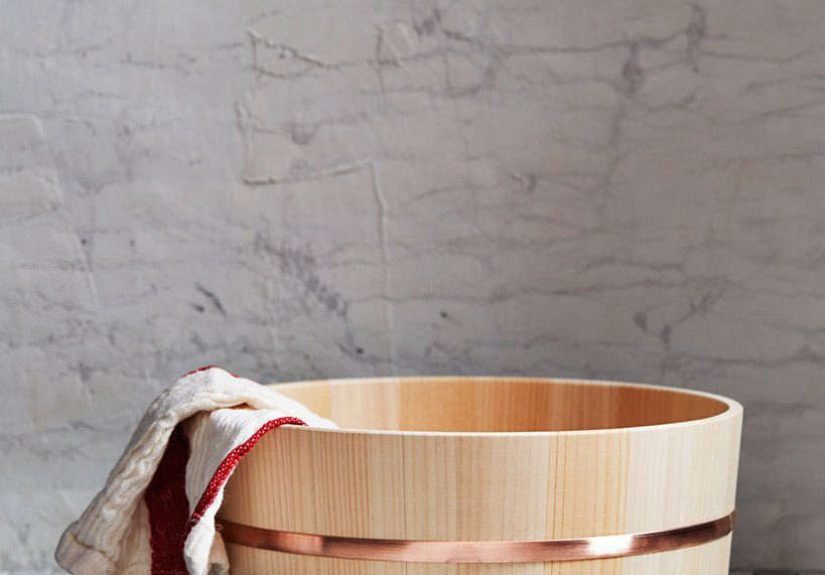
The “hinoki + copper” version is a specific style: the bucket is made from hinoki (Japanese cypress) and reinforced with copper bands (sometimes called copper rings). The result is lightweight, durable, visually warm, andthis is the big onenoticeably fragrant when it gets damp.
Hinoki 101 (A Very Friendly Wood Nerd Moment)
Hinoki is prized in Japan for its fine grain, pale pinkish tone, and natural fragrance. It has long been used in high-end building and bath applications, partly because it holds up well in humid environments and is associated with a clean, calming scent. If you’ve ever stepped into a cedar sauna and felt your shoulders drop two inches, hinoki is that vibecleaner, brighter, and more “forest after rain” than “campfire cabin.”
Why Copper Bands Aren’t Just Bathroom Jewelry
Wooden buckets are often constructed from staves that rely on tight joinery and compression. Copper bands provide a practical “hug” around the bucket, helping it keep its shape as the wood expands and contracts with moisture. Copper is also loved for the way it ages: it can brighten with polishing or develop a deeper, lived-in patina if you let it do its thing.
Why Hinoki + Copper Feels So Luxurious (Without Being Fussy)
1) The sensory upgrade is real
Hinoki doesn’t just sit there looking prettyit performs. Many people notice the aroma becomes more pronounced in wet environments, which makes sense: the wood’s natural oils and resins are part of what gives hinoki its signature scent. That means the bucket can quietly perfume the room while you’re doing something as unglamorous as rinsing shampoo out of your hair. A rare win-win.
2) It’s purpose-built for the bath zone
These buckets are meant to live where water lives: bathtub ledges, shower floors, wet-room corners. Many makers describe them as bath tools rather than decorative objectsso the handle shape, weight, and balance matter. A good hinoki bucket feels easy to carry when full and comfortable to tip without splashing your entire reality.
3) Copper has a “cleanliness story,” but don’t overhype it
Copper and copper alloys have been studied for antimicrobial behavior on frequently touched surfaces, and U.S. regulators have evaluated specific copper alloys for antimicrobial claims when used and maintained properly. That’s fascinatingand it’s one reason copper appears in everything from hardware to hospital design talk.
But here’s the practical bathroom truth: the copper on your bucket is usually a band (not an uncoated, certified copper alloy “surface system”), and your best hygiene upgrade is still the classic: rinse, dry, ventilate. Think of copper bands as smart reinforcement with a bonus of good looks, not a magical germ-zapper that replaces cleaning.
How to Use a Hinoki Copper Bath Bucket (Onsen-Inspired, Home-Friendly)
You don’t need to memorize etiquette like you’re studying for a bar exam. Just borrow the spirit of the ritual: cleanse first, soak second, and keep the soaking water as “relaxation-only.”
- Warm rinse setup: Fill the bucket with warm water and set it within reach (tub ledge or shower floor).
- Wash first: Use soap/shampoo outside the soak (or before you sit in the bath). This is the key difference between “Japanese-inspired ritual” and “human soup.”
- Rinse with the bucket: Scoop and pour water over your shoulders, arms, and legs. You can rinse soap away, warm up, and transition into soaking.
- Soak second: If you’re doing a bath, now you soak. Keep the bucket nearby for quick warm pours over shoulders if the air feels chilly.
- Finish and care: Empty the bucket, rinse it with clean water, and dry it out properly (we’ll cover the best routine below).
Everyday Uses (Because Most of Us Don’t Have a Dedicated Onsen Wing)
- Shower rinse bucket: Especially nice if you prefer a gentler rinse than a blasting showerhead.
- Hair rinse helper: Great for thick hair or conditioner that clings like it pays rent.
- Warm water “reset”: Pour warm water over your forearms and neck for a quick decompression moment.
- Foot-only rituals: Some buckets are small and not designed for foot bathscheck size before you try.
- Bathroom organizer: When dry, it can corral washcloths, soaps, or bath salts without screaming “storage bin.”
One practical note: many hinoki buckets are described as not intended to be leakproof. That’s not a defect; it’s a reality of natural wood joinery designed for wet areas. Use it where a few drips won’t start a war with your flooring.
What to Look For Before You Buy
Material clarity: hinoki vs. “cypress-ish”
If you’re shopping specifically for a Japanese cypress bath bucket, confirm it’s hinoki (not just generic “cypress”). Some buckets are made from other water-friendly woods, which can still be excellentjust a different scent and grain story.
Build details that actually matter
- Copper bands/rings: Look for snug bands and tidy fasteners where applicable.
- Handle ergonomics: A good handle feels secure when wet and balanced when the bucket is full.
- Finish: Raw/untreated hinoki often smells stronger but needs good drying habits. Sealed finishes can reduce staining but may soften the aroma.
Size and capacity (don’t guessmeasure your space)
Bath buckets vary more than you’d think. Some are taller and slimmer for easy scooping; others are shorter and wider. If your tub ledge is narrow, a wide bucket becomes a physics experiment. If you want to store it on a shelf, measure the shelf depth and height so you’re not playing bucket Tetris.
Price reality check
In the U.S. market, hinoki copper-banded bath buckets commonly land in the $100–$200 range depending on maker, size, and import details. If you see one far below that, double-check materials and construction. If you see one far above that, you’re likely paying for brand, craft pedigree, or “this could be in a museum gift shop” vibeswhich is valid, if that’s your thing.
Care & Maintenance: Keep the Wood Happy, Let Copper Be Copper
The best care routine is simple and consistent. Think: rinse, dry, ventilate. Hinoki is resilient, but it’s not a plastic kayak. Treat it like a beautiful wooden object that happens to enjoy humidity in small, well-managed doses.
Daily care (the 90-second routine)
- Rinse with clean water after use to remove soap residue or bath additives.
- Wipe it dry with a soft clothespecially around the bottom edge and inside corners.
- Air dry in ventilation (not sealed inside a steamy shower 24/7).
- Avoid prolonged soaking or leaving standing water inside.
- Skip harsh chemicals that can stress wood fibers or discolor copper.
If the copper bands loosen (yes, that can happen)
Wood naturally expands and contracts. In drier conditions, you may notice copper rings feel slightly loose. Many makers recommend a surprisingly elegant fix: fill the bucket (or bowl) with water briefly so the wood swells back and reseats the band. Then dry it properly afterward. It’s basically hydration therapy… for wood.
About those dark spots and sticky resin moments
Untreated hinoki can release natural resin over timesometimes called “yani.” It may look like a slight discoloration or feel mildly sticky. It’s not necessarily damage; it’s part of the wood’s natural character. If you don’t love the look, wipe gently with a dry cloth or a slightly damp cloth and let it dry thoroughly.
Copper cleaning: shine it up, or embrace the patina
Copper tarnishes as it reacts with air and moisture. Some people polish it; others prefer the darker, antique glow. If you want a brighter finish, gentle household methods (like lemon + salt or vinegar-based cleaning) are commonly recommended for copperfollowed by a thorough rinse and complete drying. Avoid abrasive scrubbers that can scratch.
Design Tips: When Your Bucket Isn’t Bucketing
A hinoki copper bath bucket is one of those rare bath accessories that can look intentional even when it’s just sitting there. A few ideas:
- Minimalist caddy: Roll two washcloths, add a soap, and let the copper bands do the decorating.
- Guest-bath flex: Keep it dry and use it to hold hand towels (people will ask about it).
- Shower shelf upgrade: Corral shampoo bottles so they stop doing the slip-and-fall tango.
- Seasonal spa corner: Add eucalyptus sprigs (kept out of water contact with the wood) and a candle nearby.
Quick FAQ
Will it smell like hinoki forever?
The aroma can mellow over time, especially if the bucket is sealed or constantly left wet. Good drying habits help preserve the scent. Think of it like perfume: best when fresh, still lovely when subtle.
Is it supposed to leak?
Many handmade wooden bath buckets are described as not intended to be leakproof. Minor seepage can happen, especially as the wood “learns” your bathroom’s humidity cycles. Use it in wet-safe areas and don’t store standing water inside.
Do the copper bands make it “antibacterial”?
Copper has well-documented antimicrobial behavior in certain contexts, but your bucket’s copper bands are best viewed as reinforcement with aesthetic benefits. Your practical hygiene superpower is still cleaning and drying the bucket after use.
The Experience: of Hinoki Copper Bath Bucket Reality
Imagine you’re standing in your bathroom, holding a bucket, and feeling oddly sophisticated about it. That’s the first surprise: a hinoki copper bath bucket makes a basic rinse feel intentional. The wood is light in the handmore “well crafted” than “heavy-duty utility”and the handle is shaped for a secure grip even when your fingers are doing their best impression of a wet noodle. You fill it with warm water and, for a moment, you just pause. Because the scent shows up right on cue.
Hinoki’s aroma isn’t loud. It’s not trying to dominate the room like a candle labeled “BOLD MOUNTAIN MASCULINITY.” It’s cleaner than thatbright, slightly citrusy, forest-adjacent. When the bucket gets damp, the smell seems to lift into the steam, and suddenly your bathroom feels less like “place where I rush” and more like “place where I arrive.” That’s a subtle but real shift: you start moving slower, like you’re not trying to outrun your own to-do list.
Then comes the best part: rinsing. Instead of a harsh shower blast, you pour warm water over your shoulders and it lands in a soft sheet. The sound is different tooless aggressive, more like rain on stone than water pressure on regret. If you’re doing an onsen-inspired routine, the bucket becomes your bridge between washing and soaking. You rinse off soap completely, then step into the bath without bringing suds along for the ride. Your soak feels cleaner, calmer, and honestly more “spa” even if you’re soaking in a tub that’s three feet from laundry you haven’t folded.
Copper bands add their own tiny drama. They catch the light in a way that makes the bucket feel like an object with a backstory. Over time, the copper may darken and soften in shine, especially in a humid bathroom. Some people love that aged look; it reads warm and lived-in, like a favorite leather chair. Others will want the copper brightso they’ll polish it occasionally and enjoy the little ritual of restoring the glow. Either way, the bucket looks better with use, not worse, which is rare for anything that spends its life around steam.
You’ll also learn the bucket’s personality. If you forget and leave water sitting inside, it will not “thank you for the hydration.” It will remind youpolitely but firmlythat wood prefers a balanced relationship with moisture. If your bathroom gets dry in winter, you might notice the copper bands loosen slightly, and you’ll do the funny little fix of adding water to let the wood expand again. It feels almost alive in the way it responds to your space. And that’s the point: a hinoki copper bath bucket turns a routine into a relationshiplow maintenance, high reward, and just fancy enough to make you feel like you’ve got your life together, even if dinner is cereal.