Table of Contents >> Show >> Hide
- What exactly is a live-edge trestle table?
- Why this table became the “it” piece
- High/Low picks: splurge, save, and “still nice”
- Quick comparison: what you’re really paying for
- How to choose the right size (so your table doesn’t eat your room)
- Styling a live-edge trestle table without trying too hard
- Living with live edge: care, durability, and wood movement
- Common mistakes (and how to avoid them)
- So… is this a trend or a forever table?
- Final takeaway: pick the version that fits your life
- Extra: real-life experiences with the “It” live-edge trestle table (500-ish words)
Every few years, one dining table silhouette struts into the room like it owns the place. Not because it’s loud or
flashy—but because it has presence. Enter the “it” live-edge trestle table: a thick wood slab top with
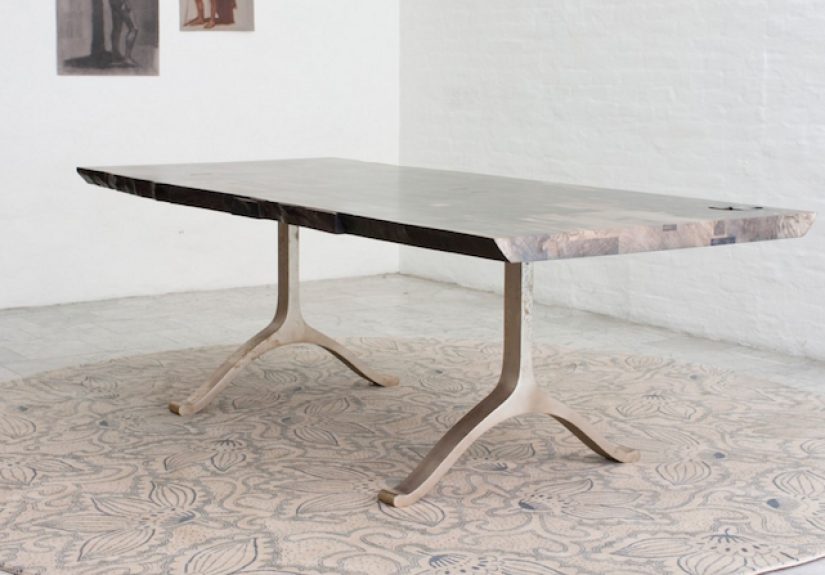
an organic, tree-shaped edge (no straight lines were harmed in the making), perched on a sculptural trestle base
that looks like it could support a small bridge.
This table is the interior-design equivalent of wearing sneakers with a tailored suit: a little natural, a little
refined, and somehow it makes everything around it look more intentional. The best part? You don’t have to spend
“custom bronze base” money to get the vibe. In this High/Low guide, we’ll break down what makes the look work,
where splurge pieces earn their price tags, how to spot smart saves, and how to actually live with one without
turning into the person who yells, “NO JUICE AT THE TABLE!” (No judgment. We’ve all been there.)
What exactly is a live-edge trestle table?
Live edge: nature, but make it furniture
A live-edge (also called natural-edge) tabletop keeps at least one of the tree’s original contours instead of
milling both sides perfectly straight. That wavy outline is the point: it celebrates knots, curves, and grain
pattern the way a good photo celebrates freckles. The result is a top that reads as one-of-a-kind, even when it’s
produced at scale. You’ll often see details like butterfly (bowtie) joints, which are both structural and
decorative—like a tiny wooden bow tie that says, “I’m here to prevent cracks from spreading, and I’m dressed for
the occasion.”
Trestle base: legroom with main-character energy
A trestle table typically swaps four corner legs for two or three supports connected by a stretcher running lengthwise.
Translation: fewer chair-versus-leg battles at family gatherings, often more stability, and a base that can be the
table’s design moment all by itself. It’s also a favorite for bench seating because there aren’t corner legs to block
a bench from sliding in neatly.
Why this table became the “it” piece
The magic is contrast. A live-edge top feels raw, earthy, and honest. A trestle base can feel architectural,
polished, and bold. Put them together and you get a table that works in modern farmhouse spaces, warm minimal rooms,
loft-y industrial settings, and even traditional homes that want one rebellious statement piece.
Designers love it because it does two jobs at once: the slab brings warmth and character, while the base adds
geometry and intention. Homeowners love it because it can handle everything from Tuesday tacos to Thanksgiving
chaos to “why is there glitter in my salad?” craft nights.
High/Low picks: splurge, save, and “still nice”
In classic High/Low fashion, we’re comparing the pieces that define the look: a statement-making splurge with
serious craftsmanship energy, and lower-priced options that deliver the same silhouette and mood with different
materials and construction choices.
High: the sculptural splurge
The gold-standard version of this look pairs a thick slab top with a base that feels like functional sculpture.
One iconic approach is a solid-wood slab paired with a cast-metal “wishbone” or trestle form, where the base is
just as visually important as the top. This is where you’ll see premium materials (like bronze), small-batch
production, and a level of finishing that makes the table feel like it belongs in a gallery and your dining room.
Who it’s for: people who want their dining table to be an heirloom, a conversation piece, and a “please don’t put
a hot pan directly on that” situation all at once.
Low: the design-forward save
Lower-priced versions often keep the essential formula—live-edge slab + trestle base—but adjust the details:
different wood species (often oak or acacia), thinner tops, simplified joinery, or cast/steel legs finished to look
like brass or bronze. Many are still solid wood on the top, but the base may be less substantial, the finish may
be more standardized, and the “one-of-a-kind” feel may come more from the concept than from truly unique slab
variation.
Who it’s for: anyone who wants the look (and the hosting bragging rights) without the custom-furniture price tag.
Still nice: the practical middle path
The smartest “middle” option is usually the one with durable finishes, sensible dimensions, and a base that’s
stable but not toe-stubbing. You’re paying for reliability and everyday livability: smooth edges, consistent
construction, and a finish that doesn’t punish you for being human.
Quick comparison: what you’re really paying for
| Feature | Splurge live-edge trestle | Budget-friendly live-edge trestle |
|---|---|---|
| Top | Thicker slab, more dramatic grain/edge variation | Often slightly thinner; still beautiful, usually more uniform |
| Base | Heavier metal or fine woodworking joinery | Cast iron/steel with plated or painted finish, simplified shapes |
| Details | Hand-finished edges, premium joinery, custom sizing options | Standard sizes, fewer custom details, streamlined production |
| Feel | Heirloom + art object | High-style centerpiece that’s easier to live with |
How to choose the right size (so your table doesn’t eat your room)
Live-edge trestle tables love being the star of the show. The trick is making sure they don’t hog the stage.
A few practical sizing rules keep your dining area comfortable:
- Give each person breathing room: Aim for roughly 24–30 inches of width per diner for comfort.
- Plan clearance behind chairs: About 36 inches behind chairs helps people scoot in and out without a traffic jam.
- If there’s a walkway behind seating: More space (roughly 44–60 inches) keeps the flow easy when people are moving around.
Example: An 80-inch-long table often seats six comfortably (three per side), sometimes eight if you add end seating
and your guests are okay with being on “friendly terms.” A 108-inch table can handle bigger groups without forcing
anyone to play elbow Tetris.
Styling a live-edge trestle table without trying too hard
1) Let the edge be the art
Keep at least one side of the table visually clear so the live edge reads. If your table runner looks like it’s
trying to wallpaper the entire tabletop, the edge disappears. Choose a narrower runner or skip it entirely.
2) Mix chairs like you mean it
Matching dining sets can feel stiff. A live-edge table loves contrast: modern upholstered side chairs with a rustic
bench, or simple wood chairs with sculptural end chairs. The table is already doing the most—your chairs can be
supportive cast members, not understudies.
3) Consider a bench (but be honest about your lifestyle)
Trestle bases often work well with benches because there are no corner legs in the way. A bench is great for
squeezing in extra guests or making weeknight dinners feel casual. The honesty part: benches also mean people
scoot. If you have a back that enjoys drama, pick chairs.
4) Choose a rug that can handle chair legs
Dining room rugs should be big enough that chairs stay on the rug even when pulled out. If your chair legs catch
the rug edge every time someone stands up, you’ll start hearing the rug being blamed for things it didn’t do.
5) Go simple with centerpieces
Because the top is visually busy (in a good way), centerpieces look best when they’re either low and minimal
(a bowl, a few candles) or tall and sculptural (a vase with branches) but not cluttered.
6) Warm metals love warm wood
Many “it” versions of this table pair wood with warm metal bases or accents. Echo that warmth with brass-toned
hardware nearby, amber glass, or warm lighting. It makes the whole space feel cohesive.
7) Balance the organic top with clean lines elsewhere
If your table has an irregular edge, let other pieces be calmer: a simple pendant, streamlined sideboard,
or plain linen curtains. Your room shouldn’t look like a forest-themed escape room.
Living with live edge: care, durability, and wood movement
Wood moves (yes, even after it becomes a table)
Solid wood expands and contracts with humidity changes. Finishes can slow that movement, but they don’t stop it.
This is normal and not a sign your table is plotting against you. The important part is that well-made tables are
designed to accommodate this seasonal change.
Sealed vs. unsealed: know what you’re dealing with
A sealed surface (varnish, lacquer, polyurethane) is typically easier to wipe clean. Unsealed or oil-finished wood
can be more forgiving about small scratches (because you can refresh it), but it’s also more sensitive to water rings
and needs routine maintenance. If you’re buying online, read the care notes like they’re the fine print on a
concert ticket.
Daily habits that keep your table looking good
- Dust weekly: It prevents gritty buildup that can scratch the finish over time.
- Wipe spills fast: Wood is not a fan of mystery puddles.
- Don’t spray cleaner directly on the surface: Spray onto a cloth, then wipe.
- Go easy on water: Damp cloth, not soaking wet. Dry after.
- Use coasters and trivets: They’re cheaper than therapy after your first heat mark.
Common mistakes (and how to avoid them)
Mistake: buying the biggest table your heart desires
Your heart wants a 108-inch slab. Your dining room might want, “Can we still walk around it?” Measure carefully,
and include chair pull-out space in your plan.
Mistake: ignoring the base when planning seating
Some trestle stretchers can interfere with end seating or taller guests. If you regularly host big groups, look for
a base design that leaves comfortable foot space at the ends.
Mistake: treating wood like it’s indestructible
Wood is durable, but it’s also a living material with opinions. Heat, sun, and moisture can fade or stress finishes.
A few protective habits keep the table gorgeous without turning your dining room into a museum.
So… is this a trend or a forever table?
The live-edge trestle look has trend energy because it photographs beautifully and instantly warms up a room. But it
also has staying power because it’s rooted in classic furniture logic: solid wood surfaces, sturdy support, and a
design that invites people to gather. If you choose a size that fits your space and a finish you can live with,
it won’t feel dated—it’ll feel like your home has a strong, timeless anchor.
Final takeaway: pick the version that fits your life
A splurge live-edge trestle table is a piece you pass down. A smart save is a piece you actually use without fear.
Either way, the secret is the same: prioritize proportion, traffic flow, and a finish that matches your household’s
reality. (If you have kids, pets, or a friend who gestures wildly while holding red wine, plan accordingly.)
Extra: real-life experiences with the “It” live-edge trestle table (500-ish words)
Week one with a live-edge trestle table is a little like adopting a very calm, very large pet: you keep walking past
it just to admire it, you tell everyone about it, and you occasionally apologize to it when you bump into it.
The first thing you notice is how it changes the room’s mood. Suddenly your dining area feels like a place where
people might casually discuss art, or at least pretend they didn’t eat cereal for dinner last night.
Then you host. Because you have to. It’s basically the law when you buy a statement table. The trestle base earns
its keep immediately: chairs slide in without corner legs trying to start a feud. Someone inevitably runs their hand
along the live edge and says, “Wow, this is so organic,” like they’re complimenting a very handsome tree.
And you nod, because yes, it is organic, and yes, you are now emotionally attached to a piece of furniture.
By dinner, you learn the table’s true superpower: it makes even basic food look intentional. Pizza on a live-edge slab?
Suddenly it’s “artisanal.” A salad in a wooden bowl? You’re one candle away from a magazine shoot. But the table also
reveals your habits. If you’re a “set the keys anywhere” person, the tabletop will become an elegant landing strip for
sunglasses, mail, and that one sock nobody knows how it got there. The fix is easy: a catchall tray or a low bowl
near the center keeps clutter contained without hiding the wood.
Midweek, the table becomes your everything surface: homework station, laptop desk, puzzle zone, craft corner, and
occasional emotional-support counter for staring into space while holding a mug. This is where finish choice matters.
If your table is sealed, you’ll wipe it down and move on. If it’s oil-finished, you’ll start developing a gentle
routine that feels oddly satisfying—like skincare, but for furniture. You’ll also become a coaster influencer.
You won’t mean to. It will just happen. “Oh, here, use this,” you’ll say, casually sliding a coaster across the table
like you’re in a spy movie.
The funniest part is how the live edge affects people’s behavior. Guests treat the edge like a conversation starter.
Kids treat it like a racetrack. Pets treat the underside like a shadowy nap lounge. And you, eventually, stop tiptoeing
around the table and start enjoying it the way it’s meant to be enjoyed: as the place where life happens. A tiny scratch
appears? You breathe. A water ring tries to form? You wipe it. The table survives, the room stays beautiful, and you
realize the whole point of an “it” table isn’t perfection—it’s gathering.