Table of Contents >> Show >> Hide
- Why Gardening Trends Are Changing
- The Biggest Gardening Trends Right Now
- 1. Native Plants Are Moving from “Nice Idea” to Main Character Energy
- 2. Pollinator Gardens Are No Longer a Side Project
- 3. Edible Landscaping Is Replacing the Strict Divide Between “Pretty” and “Useful”
- 4. Water-Wise Gardening Is Getting a Better Makeover
- 5. Small-Space and Vertical Gardening Keep Growing Up
- 6. Wellness Gardens Are Turning the Yard into a Real Escape
- 7. Gardens for Wildlife, Pets, and Real Life
- 8. Technology Is Quietly Becoming a Gardening Assistant
- How to Follow Gardening Trends Without Turning Your Yard Into a Trend Costume
- Final Thoughts on Gardening Trends
- Experience: What These Gardening Trends Feel Like in Real Life
Gardening trends used to be easy to spot. One year everybody wanted a perfectly clipped hedge. The next year everyone was suddenly acting like they had always loved lavender, galvanized tubs, and the phrase “outdoor oasis.” But today’s gardening trends are a little more interestingand a lot more practical. Modern gardeners are not just chasing pretty flowers for the sake of curb appeal. They want beauty, yes, but they also want resilience, wildlife, food, lower water bills, less maintenance, and a yard that does not behave like a full-time job in a sun hat.
That shift is what makes current garden design trends so compelling. The best ideas are no longer about showing off a flawless yard that looks like it was ironed every morning. Instead, the biggest gardening trends are all about creating spaces that feel alive, useful, personal, and realistic. In plain English: people still want gorgeous gardens, but they would also like to sit down occasionally.
If you are planning a backyard refresh, a container garden on a patio, or a tiny balcony setup that bravely believes it is an estate, here are the gardening trends shaping modern outdoor spaces right now.
Why Gardening Trends Are Changing
Today’s gardening trends are being shaped by real-world pressures. Gardeners are thinking more about climate swings, drought, pollinator decline, rising costs, and the desire to grow at least some food at home. At the same time, people are craving gardens that help them unplug. That means the modern garden is doing double duty: it is both a productive space and a peaceful retreat.
This is why so many current trends overlap. A pollinator garden is also a low-maintenance garden. A water-wise garden is often a native plant garden. An edible landscape can be beautiful enough to replace purely ornamental beds. A vertical garden is both stylish and practical in a small space. The smartest trends are winning because they solve more than one problem at once.
The Biggest Gardening Trends Right Now
1. Native Plants Are Moving from “Nice Idea” to Main Character Energy
One of the strongest gardening trends is the move toward native plants and regionally adapted selections. Gardeners want plants that actually belong where they live, instead of flowers that require constant pampering, dramatic rescue watering, and whispered encouragement at sunset.
Native plants support local ecosystems, feed pollinators, and usually ask for less fertilizer, less water, and fewer chemical interventions once established. They also work beautifully in modern landscapes because they create a more natural, layered look. Think coneflowers, milkweed, black-eyed Susans, little bluestem, bee balm, yarrow, and serviceberry. These plants do not just sit there looking decorative. They participate.
The visual trend that grows from this idea is the “deliberately imperfect” garden: looser planting, more movement, softer edges, and a landscape that looks like it belongs to the place instead of landing there by accident.
2. Pollinator Gardens Are No Longer a Side Project
Pollinator gardening has become one of the most important garden trends because it combines ecological value with real beauty. Gardeners are intentionally choosing nectar-rich flowers, host plants, layered bloom times, and habitat features that support bees, butterflies, hummingbirds, and beneficial insects.
A true pollinator garden is not just a random handful of flowers with a hopeful attitude. It is a garden designed with purpose. That means planting in groups so pollinators can find blooms easily, choosing a succession of flowers from spring through fall, reducing pesticide use, and mixing annuals, perennials, shrubs, and even trees. A smart pollinator border might include spring salvia, summer echinacea and zinnias, then fall asters and goldenrod for a long season of activity.
The bonus is that pollinator-friendly gardens look lively and full. There is movement, sound, and energy. A garden with birds, bees, and butterflies feels richer than one that is technically perfect but emotionally vacant.
3. Edible Landscaping Is Replacing the Strict Divide Between “Pretty” and “Useful”
Another major gardening trend is edible landscaping, which blends food crops into ornamental design. Instead of hiding vegetables in a separate corner like they are garden relatives no one mentions at holidays, gardeners are weaving them into the main landscape.
Blueberry shrubs, rosemary hedges, rainbow chard, compact peppers, kale, dwarf tomatoes, figs, strawberries in containers, and espaliered fruit trees all make edible gardens look intentional and attractive. Herbs are especially popular because they are easy to grow, fragrant, and useful in the kitchen. A pot of basil or mint near the back door may not sound revolutionary, but it is exactly the kind of practical luxury people want right now.
This trend has also branched into specialty concepts like cut-flower gardens, cocktail gardens, pizza gardens, and kitchen gardens with seating nearby. In other words, the garden is becoming part pantry, part design feature, and part lifestyle flexbut in a charming way, not an obnoxious one.
4. Water-Wise Gardening Is Getting a Better Makeover
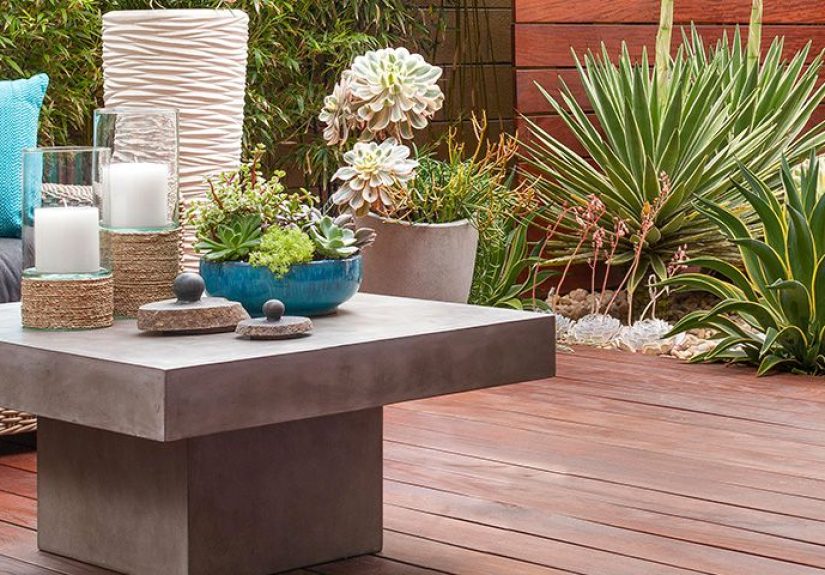
For years, some people heard “xeriscape” and pictured a tragic arrangement of gravel and regret. Thankfully, modern water-wise gardening trends look much better. Today’s low-water landscapes are softer, more colorful, and far more plant-forward.
Water-wise gardening focuses on choosing drought-tolerant plants, improving soil, grouping plants by water needs, using mulch strategically, and watering more efficiently. Drip irrigation, soaker hoses, and smart watering schedules are increasingly common because gardeners want to conserve water without frying everything they planted in April with optimism.
Good water-wise design does not mean giving up lushness. It means being intentional. You can still have texture, bloom, fragrance, and seasonal color with ornamental grasses, salvias, agastache, penstemon, lavender, sedum, and many native perennials. The new look of low-water gardens is natural, relaxed, and designed to survive real weather rather than fantasy weather.
5. Small-Space and Vertical Gardening Keep Growing Up
Not everyone has a backyard large enough to support a cutting garden, a greenhouse, three fruit trees, and a quiet place to contemplate tomatoes. That is why small-space gardening remains one of the most practical gardening trends.
Container gardens, balcony gardens, raised beds, trellised vines, wall planters, and vertical growing systems are helping people garden where they actually live. Vertical gardening is especially popular because it saves space while adding height and visual interest. Cucumbers, pole beans, peas, strawberries, herbs, and trailing flowers all work well in compact setups.
Small-space gardening has also become more design-conscious. Gardeners are matching containers, repeating foliage shapes, mixing edible and ornamental plants, and creating mini garden rooms on patios and porches. A few handsome pots, a dwarf tomato, some thyme, a trellis with jasmine, and a chair can feel more luxurious than a giant yard with no plan at all.
6. Wellness Gardens Are Turning the Yard into a Real Escape
One of the more human-centered gardening trends is the rise of wellness-focused outdoor spaces. People want gardens that feel calming, restorative, and sensory. This includes fragrant plants, shaded seating, soft color palettes, gentle movement, bird-friendly features, and spaces designed for slowing down.
This trend shows up in several styles: green-drenched planting, sensory gardens, moon gardens, and what some designers are calling “quiet luxury” or more structured, restful garden rooms. The basic idea is simple: a garden should not only impress the neighbors; it should also lower your blood pressure.
Good plants for this approach include lavender, jasmine, gardenia, rosemary, hydrangea, camellia, lamb’s ear, ornamental grasses, and white or blush flowers that glow in evening light. Add a bench, a path, a birdbath, or a modest fountain, and suddenly the backyard starts acting like it has spa credentials.
7. Gardens for Wildlife, Pets, and Real Life
Another clear gardening trend is designing for actual living. That means gardens that work for kids, pets, outdoor meals, and seasonal entertaining. The yard is no longer being treated as a museum where everyone is expected to admire the hydrangeas from a respectful distance.
Pet-friendly outdoor spaces are becoming more common, especially with durable plant choices, shade, safe pathways, and soft landing zones. At the same time, wildlife-friendly landscaping is expanding beyond flowers to include berries, seed heads, layered shrubs, and nesting cover. Living fences, mixed hedges, and borders that support birds and insects are replacing some of the old obsession with sterile lawn-and-boxwood minimalism.
The best part of this trend is that it makes gardens more personal. A family that hosts outside may prioritize herbs, lighting, and cut flowers. A dog owner may focus on sturdy ground covers, shaded spots, and non-toxic plants. A bird lover may add serviceberry, coneflower, and a shallow water source. A good garden now reflects how people live, not just what photographs well.
8. Technology Is Quietly Becoming a Gardening Assistant
While many gardeners want a break from screens, they also appreciate tools that reduce waste and guesswork. That is why tech-assisted gardening is one of the newer gardening trends worth watching. Soil moisture sensors, weather-based irrigation tools, plant ID apps, lighting timers for indoor starts, and even basic garden planning apps are all becoming more common.
The point is not to turn your tomato bed into a robotics lab. It is to use technology where it helps. A smart irrigation controller can prevent overwatering. A moisture meter can stop you from drowning a container plant out of excessive affection. A plant identification app can help a beginner distinguish between a seedling and a weed before a tragic misunderstanding occurs.
In a climate-conscious gardening world, data-driven decisions can save water, money, and plants. Used lightly, garden tech feels less like cheating and more like finally reading the instructions.
How to Follow Gardening Trends Without Turning Your Yard Into a Trend Costume
The smartest way to use gardening trends is not to copy every idea at once. A garden works best when trends are filtered through your climate, space, budget, and lifestyle. Start with the trends that solve your biggest problem.
If your yard is hot and dry, lean into water-wise gardening and native plants. If you want more function, add edible landscaping. If your space is tiny, go vertical and container-heavy. If you feel stressed every time you look outside, build a sensory corner with fragrance, shade, and fewer maintenance headaches.
The common thread in the best garden trends is intention. Modern gardens are trending toward purpose. They are not just collections of plants. They are systems that support people, wildlife, and the realities of daily life.
Final Thoughts on Gardening Trends
The biggest gardening trends right now are not random fads. They are responses to how people actually want to live. Gardeners want native plants that support pollinators, edible gardens that earn their keep, water-wise landscapes that survive tough summers, and outdoor spaces that feel restorative instead of demanding. They want gardens with personality, not perfection.
That is good news for anyone who has ever felt intimidated by traditional garden design. You do not need a grand estate, a formal rose walk, or a gardening budget that requires a private accountant. You need a clear goal, the right plants for your conditions, and permission to build a garden that works for you.
And honestly, that may be the best gardening trend of all: less performance, more joy.
Experience: What These Gardening Trends Feel Like in Real Life
What makes these gardening trends especially appealing is how they change the feeling of everyday life. A lot of trend articles stop at “here’s what’s popular,” but the real story starts after planting day. That is where trends either become useful or become expensive decorations with commitment issues.
Take native planting, for example. The first experience most gardeners notice is not some dramatic ecological epiphany. It is relief. The plants look less fussy. They settle in more naturally. They stop demanding the level of emotional support usually reserved for difficult houseguests. Then, a few weeks later, you realize the garden is busier. Bees are working. Butterflies are showing up. Birds are poking around with purpose. The space feels alive in a way a purely ornamental border often does not.
Edible landscaping changes your routines in a different way. When herbs, peppers, berries, and greens are woven into the main garden, you use the garden more often. You step outside for basil before dinner. You snip mint for iced tea. You notice the tomatoes because they are growing beside the flowers instead of hiding in a vegetable patch across the yard. It turns gardening from a weekend project into a daily relationship. A useful garden gets visited. A forgotten garden just grows weeds and resentment.
Water-wise gardening has its own kind of satisfaction. It feels responsible, yes, but it also feels surprisingly stylish now. Once gardeners realize drought-tolerant plants can still be soft, colorful, and layered, there is a bit of a mindset shift. You stop equating abundance with excess. You begin noticing texture, form, and seasonal rhythm more than sheer volume. And when the weather gets rough, there is nothing quite like the smug serenity of watching your better-adapted plants continue on with their lives.
Small-space and vertical gardening create a sense of possibility. A balcony starts feeling like a tiny sanctuary instead of an architectural afterthought. A patio corner becomes a place for herbs, a trellis, and a chair. Even a few containers can create the feeling that something is growing, and that feeling matters more than many people expect. It makes a home feel inhabited in the best way.
Wellness-focused gardens may be the most personal trend of all. Fragrance, shade, soft planting, and a place to sit can change how you end a day. You notice evening light. You hear more birds. You put your phone down for ten minutes and suddenly act like a person from a healthier century. No garden can solve every problem, of course, but a good one can interrupt the noise.
That is why gardening trends matter when they are grounded in real experience. The best ones do not just make a yard look current. They make life outside easier, calmer, tastier, and more connected. That is not hype. That is just a very good reason to keep planting.