Table of Contents >> Show >> Hide
- Why Do People Dream About Dead Relatives?
- What Does Dreaming of Dead Relatives Mean?
- Common Types of Dreams About Dead Relatives
- What These Dreams Do Not Necessarily Mean
- How to Respond After a Dream About a Dead Relative
- When to Seek Professional Help
- Experiences People Commonly Share When Dreaming of Dead Relatives
- Final Thoughts
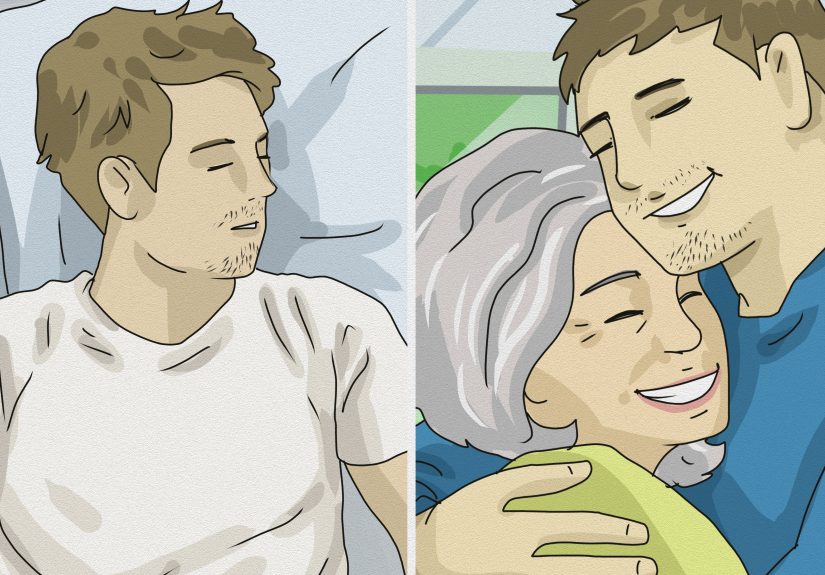
Dreaming of dead relatives can feel strangely ordinary and completely world-shaking at the same time. One minute you are asleep, minding your own business, and the next your grandmother is standing in the kitchen looking twenty years younger, or your father is giving you advice you did not ask for but probably needed. Then you wake up with a racing heart, teary eyes, and one enormous question: What was that?
The short answer is that dreams about deceased loved ones are common, especially during grief. They can happen soon after a loss, years later, or during stressful periods when your brain decides to reopen the family scrapbook at 3 a.m. Sleep researchers link vivid dreaming to emotional processing, while grief experts note that dreaming of the deceased can be part of how people adapt to loss, maintain a sense of connection, and work through unfinished feelings.
That does not mean every dream has one fixed message stamped on it like a cosmic receipt. Sometimes a dream of a dead relative reflects mourning. Sometimes it reflects memory. Sometimes it reflects guilt, longing, relief, fear, or the simple fact that your brain is excellent at remixing emotion into nighttime cinema. And sometimes, for people with spiritual beliefs, the dream feels like a real visitation. The meaning depends on the dream, the relationship, your beliefs, and the season of life you are in.
Here is the deeper look at why these dreams happen, what they may mean, and when they are comforting, confusing, or worth talking through with a professional.
Why Do People Dream About Dead Relatives?
Grief does not clock out when you go to bed
Grief is not just a daytime emotion. It follows people into sleep because loss reshapes memory, identity, routine, and emotional life. Health experts have long noted that normal bereavement can include dreams of the deceased, intrusive images, yearning, sadness, sleep disruption, and waves of distress. In other words, if you dream about a dead relative after a loss, your mind is not malfunctioning. It is doing grief work.
That grief work is rarely neat. It can show up as a warm reunion dream one night and a stressful “why did you leave?” dream the next. Human emotions are complicated enough while awake; they do not suddenly become tidy once a pillow enters the chat.
REM sleep is prime time for emotional material
Most vivid dreams happen during REM sleep, the stage associated with intense mental activity, emotional processing, and memory consolidation. Researchers still debate the exact purpose of dreams, but sleep science strongly suggests that dreaming is tied to the brain’s effort to process emotionally charged experiences. Loss definitely qualifies.
That helps explain why a deceased parent, sibling, aunt, or grandparent may appear in a dream long after the funeral flowers are gone. Your brain is not necessarily sending a coded prophecy. It may be revisiting emotionally important memories, softening the sharpest edges of them, or trying to integrate the reality that someone is physically gone but psychologically still very present.
Dreams can support an “ongoing bond”
Older ideas about grief often focused on “moving on” as though mourning were a train schedule. Newer grief thinking is more nuanced. Many people heal not by erasing the bond with the person who died, but by changing the relationship. You no longer call them, hug them, or argue about potato salad recipes, but the bond continues in memory, ritual, values, and yes, dreams.
That is one reason dreams of dead relatives can feel so powerful. The dream may allow the relationship to continue in a symbolic form. It can be one of the few places where the person still seems available, responsive, and vividly themselves.
Triggers often wake the sleeping archive
You may be more likely to dream of a deceased relative around anniversaries, birthdays, holidays, family gatherings, major life transitions, or periods of stress. Graduations, weddings, pregnancies, illnesses, breakups, and moves often stir these dreams because your mind naturally reaches for emotionally important figures when life feels big, uncertain, or tender.
That is why people sometimes dream of a dead grandmother before becoming a parent, or of a late father during a job crisis. The dream is not random. It may reflect the role that person played in your inner life: protector, critic, cheerleader, safe place, or unfinished chapter.
What Does Dreaming of Dead Relatives Mean?
There is no universal decoder ring, but several interpretations come up again and again.
1. You are processing grief
This is the most grounded explanation and often the most accurate. If the death was recent, the dream may reflect the emotional labor of accepting the loss. If the death was years ago, the dream may signal that grief has been reactivated by a new event. In one bereavement survey, many participants reported dreams of deceased loved ones, and a large share said those dreams affected their mourning process by bringing comfort, acceptance, sadness, or spiritual reflection.
2. You miss the person, not just the memory
Dreams can restore a sense of contact that waking life cannot. Seeing a dead relative laugh, cook, hug you, or say your name can feel healing because it temporarily relieves the ache of absence. This does not mean you are “stuck.” It means attachment is powerful. Love does not become irrelevant because someone died.
3. There may be unfinished emotional business
Not every relationship was warm and tidy. Some dreams feature arguments, silence, illness, regret, or things left unsaid. Those dreams may reflect unresolved feelings such as guilt, resentment, longing, or the wish for a different ending. A dream about a dead relative who seems angry or distant is not proof they are angry in some supernatural sense. It may be your sleeping mind working through the emotional truth of the relationship.
4. The dream reflects a quality you associate with them
Sometimes the relative in the dream represents more than themselves. A dead grandfather may symbolize stability. A deceased mother may symbolize comfort, conflict, or home. A late sibling may represent humor, competition, or a lost version of yourself. In that sense, the dream is not only about the person who died. It is also about what they still mean inside your life story.
5. For some people, the dream feels spiritual
Many people describe “visitation dreams” that feel more vivid, peaceful, and emotionally distinct than ordinary dreams. The deceased relative may appear healthy, calm, and deeply real, sometimes communicating reassurance without spoken words. Science cannot confirm that such dreams are supernatural visits. But it can confirm that they are meaningful experiences for many mourners. If a dream brings comfort, calm, and connection, its emotional value is real whether you interpret it psychologically, spiritually, or somewhere in between.
Common Types of Dreams About Dead Relatives
The healthy-and-whole dream
In this dream, the relative appears younger, stronger, or free from the illness that preceded death. These dreams often feel peaceful and can help counter painful end-of-life memories. If your strongest waking images are of hospitals, decline, or suffering, the dream may be the mind’s way of restoring a fuller memory of the person.
The message dream
Sometimes the deceased says, “I’m okay,” “I love you,” or “Don’t worry.” Even when the message is simple, the emotional impact can be huge. People often wake feeling soothed, crying, or oddly steady, as though the dream handed them a glass of water after a very long walk.
The silent presence dream
In some dreams, the dead relative says nothing at all. They simply appear. This can still feel meaningful. Silence in a dream may reflect comfort, unresolved distance, or the fact that presence itself is the point.
The distressing replay dream
Some dreams revisit the illness, death scene, funeral, or a frightening hospital period. These are especially common after traumatic losses. They may signal that the nervous system is still trying to process what happened. If these dreams become frequent nightmares or leave you highly distressed, professional support may help.
The recurring dream
When the same deceased relative appears in similar dream scenarios over and over, it usually means the underlying emotion has not fully settled. That does not automatically mean pathology. It may simply mean the theme remains important. Think of it as your brain circling a paragraph with a neon highlighter.
What These Dreams Do Not Necessarily Mean
Let us save you from the internet’s weirder corners for a moment. Dreaming of dead relatives does not automatically mean:
- you are losing touch with reality,
- you are grieving “wrong,”
- a disaster is coming,
- your loved one is upset with you, or
- you must accept somebody else’s spiritual interpretation.
The most useful question is not “What does the universal dream dictionary say?” but “What did this dream feel like, and what does it connect to in my life right now?” Emotion matters more than symbolism ripped out of context.
How to Respond After a Dream About a Dead Relative
Start with the feeling
Before analyzing symbols, ask yourself what stayed with you: comfort, sadness, guilt, relief, fear, or longing. The emotional aftertaste often tells you more than the dream’s odd details. Yes, the purple refrigerator may be memorable, but it is probably not the star witness.
Write it down
Dream journaling can help you notice patterns. Record who appeared, what happened, how the dream felt, and what was going on in your waking life. Over time, you may notice links to anniversaries, stress, family conflict, or major transitions.
Talk about it with someone safe
Sharing the dream with a trusted friend, therapist, grief counselor, pastor, or support group can reduce the emotional load and help you reflect without spiraling. For many people, simply saying the dream out loud makes it feel less haunting and more understandable.
Take care of your sleep
Because vivid dreams cluster around REM sleep, protecting sleep quality matters. A stable sleep schedule, less alcohol before bed, and attention to stress can help. That will not erase grief dreams entirely, but it can reduce the chaos around them.
When to Seek Professional Help
Dreaming about dead relatives is usually a normal part of grief and memory. But it may be time to talk with a mental health professional if:
- the dreams are frequent nightmares that disrupt sleep,
- you cannot function well in daily life,
- you feel persistently hopeless or numb,
- you are isolating from others for a long period,
- life feels meaningless, or
- you have thoughts of wanting to die or be with the deceased.
Complicated or prolonged grief can involve intense pain, difficulty moving forward, avoidance, loneliness, and a deep sense that life has stopped. Getting help is not a failure of love. It is one way of carrying love without letting it crush your lungs.
Experiences People Commonly Share When Dreaming of Dead Relatives
One of the most striking things about dreaming of dead relatives is how similar many experiences sound, even when the dreamers have different beliefs. A woman may dream of her late mother standing at the foot of the bed, smiling but saying nothing, and wake up feeling deeply calm. A man may dream of arguing with his dead brother and spend the next day rattled, only to realize he is still carrying guilt about their last conversation. Another person may see a grandfather in a dream right before a wedding, graduation, or childbirth and feel as though the mind reached for the family member whose presence feels missing on an important day.
Many people describe these dreams as unusually vivid. The colors seem sharper. The relative seems healthier. The whole thing has a feeling of “this was different,” which is why some call them visitation dreams. Even people who are not especially spiritual sometimes say the dream felt more like an encounter than a random story. Others experience the opposite: a fragmented, painful dream full of hospitals, unfinished conversations, or the shock of realizing all over again that the person is gone. Those dreams can feel brutal, but they also make sense in the context of grief. When a loss is traumatic, the dreaming mind may replay distressing material while trying to process it.
Another common experience is the “second loss” feeling upon waking. During the dream, the relative feels alive and available. Then morning arrives, reality returns, and grief crashes in again. This can leave people feeling strangely tender all day. Some cry in the shower. Some feel comforted. Some feel both at once, which is grief in a nutshell: emotional multitasking with no user manual.
People also report that the meaning of these dreams changes over time. Early after a death, dreams may be full of searching, confusion, or denial. Months or years later, the dreams may become calmer, with the dead relative appearing peaceful, affectionate, or simply present. In some cases, the dream seems to track the mourner’s own healing. In others, the dreams return during stressful periods, as though the brain pulls an important inner figure back into focus when life feels shaky.
It is also common for people to wonder whether they should tell anyone about the dream. Some worry they will sound irrational. Others fear someone will flatten the experience with a cheesy line or an overly mystical one. But talking can help, especially with someone who respects both psychology and personal meaning. You do not have to decide whether the dream was “really” supernatural in order for it to matter. If it helped you feel close to someone you miss, revealed grief you had been avoiding, or reminded you of a part of yourself connected to that person, then it already meant something important.
In the end, the most honest view may be this: dreams of dead relatives are not one thing. They can comfort, unsettle, connect, reopen, soften, or clarify. They may reflect grief, attachment, memory, identity, or faith. Sometimes they feel like the mind healing. Sometimes they feel like love refusing to become past tense. Either way, they are deeply human.
Final Thoughts
Dreaming of dead relatives is common, emotionally rich, and often deeply meaningful. Sleep science suggests these dreams are connected to memory and emotional processing, while grief research shows that dreams of the deceased can play a real role in mourning. For some people, the meaning is psychological. For others, it is spiritual. For many, it is both.
The healthiest response is usually not to force a single explanation, but to stay curious. Notice the feeling, the context, and the relationship. If the dream comforts you, let it comfort you. If it troubles you, take it seriously and talk it through. Grief has many languages, and dreams are one of its most powerful dialects.