Table of Contents >> Show >> Hide
- Before You Pick a Style: 6 Planning Rules That Save Money and Regret
- 1) Match the seat type to who actually uses the shower
- 2) Decide if your seat is for quick tasks or full-on lounging
- 3) Coordinate seat location with controls and spray direction
- 4) Treat slip resistance as a design feature, not a boring add-on
- 5) Waterproofing details matter more than bench shape
- 6) Design for cleaning day, not just reveal day
- 34 Stylish and Functional Ideas for Walk-In Shower Seats
- 1) Seamless Full-Width Built-In Bench
- 2) Floating Stone Slab Bench
- 3) Contrasting Seat Cap
- 4) Waterfall Bench Edge
- 5) Bench + Niche Combo Wall
- 6) Corner Triangle Bench
- 7) L-Shaped Bench for Shared Showers
- 8) Half-Wall Bench Integration
- 9) Bench Under a Window
- 10) Bench with Rounded Front Edge
- 11) Fold-Down Teak Seat
- 12) Fold-Down Seat with Grab-Bar Pairing
- 13) Slatted Wood Wall Seat
- 14) Compact Wall-Hung Perch
- 15) Industrial Metal-Frame Fold Seat
- 16) Dual-Level Seat Shelf
- 17) Freestanding Teak Bench
- 18) Ceramic Garden Stool Seat
- 19) Acrylic Clear Stool
- 20) Stone Cube Seat
- 21) Adjustable Shower Chair That Doesn’t Look Medical
- 22) Slim Bench for Narrow Showers
- 23) End-Wall Seat to Preserve Entry Width
- 24) Doorless Walk-In + Built-In Bench
- 25) Bench Beneath Handheld Shower Dock
- 26) Bench with Hidden Storage Cavity
- 27) “Perch + Ledge” Hybrid
- 28) Marble-Look Quartz Bench
- 29) Bookmatched Slab Bench Feature
- 30) Warm Wood + Cool Stone Contrast
- 31) Mosaic Accent on Bench Face
- 32) Color-Drenched Bench in Tonal Tile
- 33) Bench with Linear Drain Composition
- 34) Spa Bench with Steam-Shower Readiness
- Common Mistakes to Avoid (So Your Seat Stays Stylish)
- How to Pick Your Best Option in 60 Seconds
- Conclusion
- Experience Notes (Extended 500+ Words)
Some bathroom features are pure eye candy. A walk-in shower seat is not one of them. It’s one of those rare upgrades that looks great and quietly makes life easier every single day. Need a place to shave, steam, rest, or keep shampoo from staging a dramatic floor dive? A seat has your back (and your knees).
In this in-depth guide, you’ll find 34 practical and beautiful ideas for walk-in shower seats, plus planning tips that help your renovation avoid costly “why did we do it like this?” moments. You’ll also get real-world experience notes from homeowners and designers who’ve lived with these setupsnot just admired them on mood boards.
Before You Pick a Style: 6 Planning Rules That Save Money and Regret
1) Match the seat type to who actually uses the shower
If this is a forever-home move, prioritize comfort and support over visual minimalism. If it’s a guest bath, a compact or fold-down seat may be enough. Designing for real daily habits beats designing for one perfect photo.
2) Decide if your seat is for quick tasks or full-on lounging
A perch for leg shaving needs less depth than a spa-style bench for longer showers. This one decision affects everything else: footprint, tile layout, glass placement, and cost.
3) Coordinate seat location with controls and spray direction
No one wants to sit directly in a firehose. Place the seat where water can reach comfortably when desired, but not constantly blast your face while you’re trying to exfoliate in peace.
4) Treat slip resistance as a design feature, not a boring add-on
Use floor tile with grip in wet conditions, and avoid overly polished surfaces where standing happens. A pretty floor is nice; a non-skating-rink floor is better.
5) Waterproofing details matter more than bench shape
A gorgeous bench with poor waterproofing is just an expensive moisture science experiment. Build quality behind the tile determines whether your shower stays beautiful five years from now.
6) Design for cleaning day, not just reveal day
Fewer grout lines, smooth transitions, and accessible corners make maintenance dramatically easier. If it looks amazing but takes an hour to scrub, that romance fades quickly.
34 Stylish and Functional Ideas for Walk-In Shower Seats
1) Seamless Full-Width Built-In Bench
Run a bench wall-to-wall at the back of the shower using the same tile or slab as surrounding surfaces. It looks calm, intentional, and architectural. Bonus: the long footprint doubles as storage for products without looking cluttered.
2) Floating Stone Slab Bench
A cantilevered seat gives a lightweight, modern look while keeping floor area visually open. It’s especially effective in smaller showers where every inch of perceived space matters. Pair it with under-seat lighting for an upscale hotel vibe.
3) Contrasting Seat Cap
Keep wall tile simple, then cap the bench in a contrasting stone (for example, white tile walls with a charcoal quartz top). You get a focal point without committing the entire shower to a premium material budget.
4) Waterfall Bench Edge
Wrap your bench cap down the sides in one continuous material for a “waterfall” effect. This detail instantly reads custom, and it visually ties the seat to vanities or thresholds elsewhere in the bathroom.
5) Bench + Niche Combo Wall
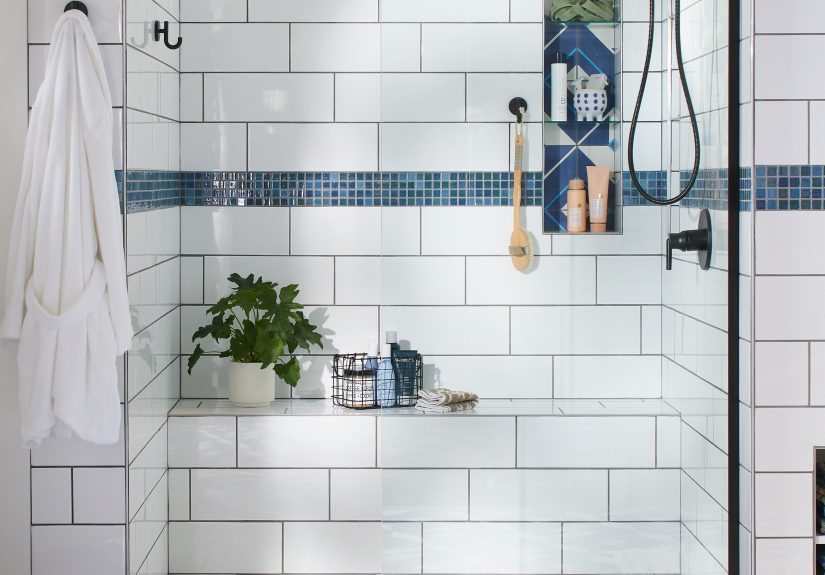
Align a horizontal niche above the seat for a clean composition. It’s practical and aesthetically balancedthe niche handles bottles, the seat handles humans. Think of it as a tiny architecture lesson that also holds conditioner.
6) Corner Triangle Bench
Tight footprint? A corner seat preserves open standing room while still offering functionality. It works beautifully in midsize showers where a full bench would make movement feel cramped.
7) L-Shaped Bench for Shared Showers
For larger walk-ins, an L-shaped bench supports multiple users, creates “zones,” and adds lounge-like flexibility. It also offers staging space for towels, scrubs, and the occasional dramatic post-leg-day recovery.
8) Half-Wall Bench Integration
Build the seat into a short partition wall that helps control splash and creates subtle privacy. This approach works especially well in open bathroom layouts where you want a more defined shower boundary.
9) Bench Under a Window
If privacy allows, place the bench where natural light hits. Morning light plus warm tile is peak spa mood. Use moisture-resistant trim details and coordinate waterproofing carefully around openings.
10) Bench with Rounded Front Edge
Soften the front profile to reduce shin bumps and create a friendlier look. Curved geometry can make contemporary showers feel less severe and more comfortable, especially in family bathrooms.
11) Fold-Down Teak Seat
Ideal for small showers, a wall-mounted fold-down seat gives support when needed and tucks away when not. Teak adds warmth and a spa look while helping avoid “clinical bathroom” energy.
12) Fold-Down Seat with Grab-Bar Pairing
Combine a fold-down seat with properly positioned grab bars for high-function universal design. This is a strong choice for multigenerational households where needs may change over time.
13) Slatted Wood Wall Seat
Use a marine-grade slatted seat against a stone or large-format tile backdrop for textural contrast. The natural material balances hard surfaces and makes minimalist bathrooms feel more human.
14) Compact Wall-Hung Perch
Think of this as the espresso shot of shower seating: small, efficient, and surprisingly useful. Great for quick tasks like foot care or product staging in narrow shower footprints.
15) Industrial Metal-Frame Fold Seat
For loft-style bathrooms, a matte black or brushed metal frame with wood insert can echo shower hardware. Keep it simple and sturdy so the look stays intentional, not over-designed.
16) Dual-Level Seat Shelf
Create a higher ledge plus lower sitting surface. One handles bottles and decorative accents; the other supports actual sitting comfort. This two-tier idea is both practical and visually dynamic.
17) Freestanding Teak Bench
No construction changes needed: drop in a teak bench for instant function. It’s flexible, renter-friendly in many contexts, and easy to reposition. Great for testing whether permanent built-ins are worth it.
18) Ceramic Garden Stool Seat
A glazed ceramic stool adds personality, color, and mobility. It’s the easiest way to bring style into neutral showers and works beautifully in eclectic or coastal-inspired bathrooms.
19) Acrylic Clear Stool
Want seating that visually disappears? A clear acrylic stool keeps sightlines open and helps small showers feel less crowded while still providing a place to sit or hold bath items.
20) Stone Cube Seat
A monolithic stone cube can act as both bench and sculptural accent. Keep surrounding materials quiet so the seat becomes the star without overwhelming the room.
21) Adjustable Shower Chair That Doesn’t Look Medical
Today’s better-designed chairs can blend in more gracefully than old-school clinical options. Useful for households needing adaptability, especially during recovery periods or temporary mobility changes.
22) Slim Bench for Narrow Showers
In tight spaces, go shallower and prioritize edge comfort. You’ll still gain functionality without choking circulation. The trick is balancing sit-ability with open movement paths.
23) End-Wall Seat to Preserve Entry Width
Place the bench on the far wall so entry and turning areas remain open. This simple move improves usability and keeps the shower feeling generous.
24) Doorless Walk-In + Built-In Bench
Pair a curbless or low-threshold concept with a built-in seat for a clean, modern look and easier access. Proper drainage planning is critical so style doesn’t turn into splash chaos.
25) Bench Beneath Handheld Shower Dock
Put the seat where the handheld reaches comfortably. This creates a versatile zone for seated rinsing, pet bathing, or targeted cleaning without awkward stretching.
26) Bench with Hidden Storage Cavity
Some custom builds can integrate a lift-top or side-access cavity in adjacent dry zones. If done correctly, this adds serious utility for backup toiletries or linens.
27) “Perch + Ledge” Hybrid
Use a compact sitting perch plus long wall ledge for products. You save square footage while keeping the shower visually organized and functionally complete.
28) Marble-Look Quartz Bench
Love the marble aesthetic but not the maintenance burden? Quartz gives similar visual elegance with less sealing fuss in many households. It’s a practical luxury move.
29) Bookmatched Slab Bench Feature
For high-impact design, continue dramatic veining across walls and seat surfaces. This creates a boutique-hotel effect and makes the shower feel intentionally composed.
30) Warm Wood + Cool Stone Contrast
Combine a teak-style seat with cooler tile tones for balance. The result feels serene, layered, and less sterileespecially effective in minimalist or Scandinavian-inspired bathrooms.
31) Mosaic Accent on Bench Face
Keep walls calm, then add personality to the bench front with subtle mosaic or textured tile. This is a clever way to introduce pattern without visual overload.
32) Color-Drenched Bench in Tonal Tile
Use one color family throughout the shower, including the seat, then vary texture and sheen for depth. It looks cohesive, upscale, and editorial without being flashy.
33) Bench with Linear Drain Composition
Align the seat geometry with a linear drain and large-format tile for a modern “quiet luxury” vibe. The clean lines make the whole shower look more intentional and professionally designed.
34) Spa Bench with Steam-Shower Readiness
If your remodel may eventually include steam, plan the bench, slope, and enclosure from day one. Future-proofing now costs less than ripping out beautiful tile later. Your future self will send thank-you notes.
Common Mistakes to Avoid (So Your Seat Stays Stylish)
- Choosing glossy floor tile in wet standing zones.
- Installing seating without nearby reachable controls.
- Forgetting where bottles, razors, and handheld sprayers actually go.
- Overbuilding bulky benches in undersized showers.
- Using high-maintenance materials without accepting high-maintenance routines.
- Treating ventilation like an optional extra. It is not.
How to Pick Your Best Option in 60 Seconds
Small shower: corner bench, fold-down, or compact perch.
Family shower: full-width built-in with reachable handheld.
Aging-in-place goal: stable seat + grab bars + low-threshold layout.
Low maintenance: fewer grout lines, easy-clean surfaces, strong ventilation.
Design-first bathroom: floating slab or contrasting seat cap with coordinated niche.
Conclusion
The best walk-in shower seat ideas do not force you to choose between beauty and practicality. They do bothquietly, daily, and with less drama than your old suction-cup footrest. Whether you choose a floating slab, a compact fold-down, or a spa-worthy built-in bench, the winning design is the one that fits your space, your routines, and your future needs. Build for real life, and your bathroom won’t just photograph wellit will age well.
Experience Notes (Extended 500+ Words)
After reviewing many remodel outcomes and owner feedback, one pattern keeps repeating: people underestimate how often they use shower seating once it exists. At first, most homeowners describe the seat as a “nice-to-have.” Six months later, it becomes their default spot for everything from shaving and skincare to stretching stiff ankles after long workdays. Even people who thought they would never sit in the shower end up using the seat as a practical staging area. This is one of those upgrades that reveals its value through repetition, not novelty.
In small bathrooms, the biggest surprise is psychological. A thoughtfully designed seat can make a shower feel more organized, not more crowded. That sounds backward, but it’s true. When toiletries are placed in a niche above a compact seat and tools are docked in predictable spots, visual clutter drops. The space starts to feel intentional. On the other hand, when a bench is oversized for the footprint, users report feeling boxed in and annoyed while turning. The lesson is simple: scale wins. A smaller, smarter seat usually beats a giant “statement bench” in tight rooms.
Material experience is another place where expectations collide with reality. People often fall in love with high-drama natural stone, then discover maintenance routines they weren’t emotionally prepared for. It’s not that stone is wrongit can be gorgeous and durable when detailed and maintained correctly. But users who prefer low-fuss cleaning consistently report higher long-term satisfaction with easier-care surfaces and fewer grout lines. In plain English: if you dislike specialty cleaners and sealing schedules, choose materials that don’t ask for weekend devotion.
Households with mixed generations tend to value flexibility above all else. A fold-down seat, a well-positioned handheld shower, and sturdy support features can make one shower work for teenagers rushing through school mornings, adults doing quick rinse-offs, and older relatives who need occasional seated comfort. These families often mention a subtle but important benefit: confidence. When the shower feels stable and predictable, everyone moves with less hesitation. That confidence changes the way people use the bathroom, especially during illness, injury recovery, or temporary mobility limitations.
Designers frequently note that seat placement affects how luxurious the shower feels more than expensive fixtures do. If the bench aligns with light, has comfortable reach to controls, and avoids constant direct spray, users describe the space as “calm” and “spa-like,” even in modest bathrooms. But if placement is awkward, even premium materials feel inconvenient. A beautiful seat that forces weird posture or gets blasted by water the entire time becomes decorative sculpturenot functional design. Comfort geometry is underrated and absolutely worth planning in detail.
Cleaning experiences are brutally honest and very useful. Owners love open undersides on floating benches because mopping is easier and visual weight is lighter. They dislike sharp inside corners where soap residue camps indefinitely. They also appreciate when tile transitions are simple and intentional instead of overly segmented. The difference between “easy upkeep” and “constant scrubbing” is often tiny in drawings but huge in real life. Future-you does not care whether an extra trim piece looked clever on install day; future-you cares whether the shower can be cleaned in ten minutes.
Finally, the emotional response to good shower seating is surprisingly consistent: people say they feel their bathroom works with them instead of against them. That sounds dramatic for a bench, but daily comfort adds up. A seat can turn rushed routines into smoother rituals, support independence during temporary setbacks, and make a bathroom feel intentionally designed rather than merely assembled. If you are debating whether to include one, the lived experience trend is clear: when scaled correctly and built well, shower seats deliver value far beyond their footprint.