Table of Contents >> Show >> Hide
- What Is a DIY Cleaning Binder (and Why Bother)?
- Why Printable + Editable Cleaning Calendars Are a Game Changer
- Inside a Cleaning Binder Inspired by Remodelaholic
- How to Build Your Own DIY Cleaning Binder Step by Step
- Tips to Make Editable Cleaning Calendars Actually Work
- Troubleshooting: Why Your Cleaning Binder Isn’t Working (Yet)
- Real-Life Experiences: What a DIY Cleaning Binder Actually Teaches You
- Wrapping It Up: Your Home, Your Binder, Your Rules
If your house constantly hovers between “almost clean” and “oh no, someone’s at the door,” a DIY cleaning binder might be your new favorite sidekick. Think of it as a personal assistant for your home: it remembers the cleaning schedule, tracks all the little tasks you forget, and keeps your printable cleaning calendars neat and in one place. Plus, when the binder looks cute, cleaning somehow feels a little less… painful.
Inspired by cleaning binder printables and editable cleaning calendars from home blogs like Remodelaholic and other organizing pros, this guide walks you through exactly how to build a system that works for your real lifenot some imaginary person who enjoys scrubbing baseboards for fun. We’ll break down what to put in your binder, how to use editable calendars, and how to actually stick with the routine.
What Is a DIY Cleaning Binder (and Why Bother)?
A DIY cleaning binder is a simple 3-ring binder (or digital file, if you’re paper-light) filled with printable checklists, editable cleaning calendars, chore charts, and sometimes even homemade cleaner recipes. Instead of hunting for random lists on your phone or scribbles on sticky notes, you have a single “command center” for your home care routine.
Most cleaning binder printable packs include:
- Daily, weekly, and monthly cleaning checklists to keep your basics covered.
- Editable cleaning calendars so you can type in your own tasks before printing.
- Rotating or 6–12-week schedules to tackle deep-cleaning projects a little at a time.
- Room-by-room checklists for bathrooms, kitchen, bedrooms, and living spaces.
- Specialty pages like spring cleaning lists, decluttering challenges, or kids’ chore charts.
The magic isn’t just in the printables; it’s in the system. A binder keeps you consistent, helps you see your progress, and turns vague guilt (“I should clean more…”) into an actual plan (“On Wednesdays I wipe baseboards, like a functioning adult”).
Why Printable + Editable Cleaning Calendars Are a Game Changer
1. They Turn Chaos into a Routine
Most expert cleaning schedules divide tasks into daily, weekly, monthly, and seasonal categories. That structure keeps you from trying to do everything in one exhausting Saturday. A good editable cleaning calendar lets you assign tasks like:
- Daily: dishes, quick counters, tidy living room, wipe bathroom sink.
- Weekly: vacuum and mop, clean bathrooms, wash towels and sheets.
- Monthly: dust blinds, wipe baseboards, clean light fixtures, purge fridge.
- Seasonal or yearly: deep clean oven, wash windows, declutter closets, rotate mattresses.
Instead of wondering what to clean, you just open your binder, check the calendar, and follow the plan. No overthinking required.
2. They’re Customizable for Real Homes (Not Showrooms)
Editable cleaning calendars are especially helpful because no two homes have the same needs. A 600-square-foot apartment with one cat and no kids cleans very differently from a four-bedroom house with three kids, a dog, and a partner who “doesn’t see mess.” With editable templates, you can:
- Adjust how often you need to vacuum or mop (hello, shedding pets).
- Add tasks specific to your homelike “wipe glass shower door” or “scoop litter box.”
- Remove tasks that don’t apply (no need to clean a formal dining room if you don’t have one).
- Balance the workload around your work schedule and energy levels.
Instead of feeling like you’re failing someone else’s system, you’re using your ownbuilt around your life, your people, and your chaos.
3. They Work with Any Cleaning Style
Whether you’re a “15 minutes a day” cleaner, a “blitz everything on Saturday” personality, or a zone-cleaning fan, an editable calendar adapts. You can set it up for:
- Daily micro-tasks: One or two small jobs each day.
- Theme days: Monday = bathrooms, Tuesday = dust + surfaces, Wednesday = floors, etc.
- Zones: One area of the house gets extra attention each week (kitchen week, bathroom week, etc.).
The binder isn’t bossy. It follows your systemonce you tell it what that system is.
Inside a Cleaning Binder Inspired by Remodelaholic
Remodelaholic’s cleaning binder printables and similar packs usually include a mix of functional and flexible pages: editable schedules, a calendar creator for 6–12-week rotations, and supportive extras like chore charts and cleaner recipes. Building your own version is easy if you follow the same structure.
1. Cover Page and Index
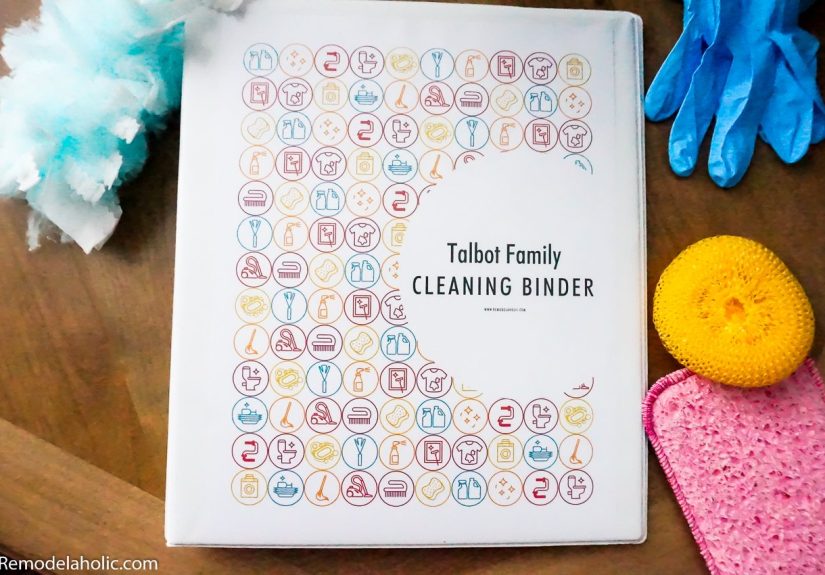
Start with a simple cover and a table of contents. It doesn’t have to be fancy, but a cute cover makes you more likely to actually pick up the binder (the same way pretty workout clothes mysteriously make exercise easier).
- Cover: “Home Cleaning Binder” or “Sparkle Squad Command Center.”
- Index: Sections like Daily, Weekly, Monthly, Deep Cleaning, Calendars, Chores, Recipes.
2. Daily & Weekly Cleaning Checklists
Print a daily checklist you can reuse (inside a sheet protector with a dry-erase marker works great). Keep it short and realistic: dishes, quick tidy, wipe counters, one “anchor” task like floors or a bathroom touch-up.
For weekly tasks, break them down by either day or category. For example:
- Monday: dust surfaces and ceiling fans.
- Tuesday: vacuum carpets and rugs.
- Wednesday: kitchen focusappliances, sink, microwave, fridge front.
- Thursday: bathroomssinks, toilets, showers, mirrors.
- Friday: floorssweep, mop, spot-clean baseboards.
- Weekend: laundry, sheet changes, catch-up tasks.
3. Editable 6–12-Week Cleaning Calendars
This is where the truly “deep clean” magic happens. An editable multi-week calendar lets you plug in one or two deeper tasks per week so you’re slowly but consistently tackling the less obvious stuff.
Sample 12-week rotation tasks might include:
- Wash windows (inside) on week 1 and (outside) on week 2.
- Wipe baseboards and door frames in different rooms each week.
- Pull furniture away from walls and vacuum behind it.
- Clean inside oven and fridge in separate weeks.
- Declutter one closet, drawer set, or cabinet per week.
Type tasks into the editable PDF or spreadsheet, print, and slide into your binder. Every year, you can tweak based on what actually got done and what felt unrealistic.
4. Room-by-Room Checklists
Room checklists are your backup when things feel overwhelming. They show you, step by step, what “clean” looks like in each space.
- Kitchen: clear counters, wipe surfaces, clean sink, wipe appliances, sweep, mop.
- Bathroom: mirrors, sinks, counters, toilet, tub/shower, trash, floor.
- Bedrooms: tidy surfaces, dust, change sheets, vacuum or sweep.
- Living room: declutter, dust, vacuum, fluff pillows, wipe remote controls.
When you have 20 minutes, pick a room checklist instead of doom-scrolling. Your future self will be impressed.
5. Chore Charts for Kids or Roommates
If you’re not the only human living in the house, you should not be the only human cleaning it. Add simple chore charts, especially for kids, that tie into your calendar:
- Daily: put toys away, clear dishes, wipe table with a parent’s help.
- Weekly: dust their room, help sort laundry, wipe baseboards in one room.
For roommates, keep it grown-up: a shared weekly calendar with rotating bathroom, trash, and kitchen duties cuts down on “I thought you were doing that” arguments.
6. Homemade Cleaner Recipes & Supply Lists
A cleaning binder is a great place to stash your favorite cleaning recipes and supply listsespecially if you like DIY cleaners using vinegar, baking soda, or simple store-bought concentrates.
Include:
- Your go-to all-purpose cleaner recipe or brand.
- Glass cleaner, bathroom cleaner, floor solution notes.
- Running list of items to restock (sponges, microfiber cloths, trash bags).
Having this list handy keeps you from realizing mid-clean that you’re completely out of toilet bowl cleaner. Again.
How to Build Your Own DIY Cleaning Binder Step by Step
Step 1: Choose Your Format
You can use a classic 8.5 x 11-inch binder with page protectors and dividers, or a discbound planner, or even a digital version on a tablet. Paper works best for most people because it’s visibleif you leave your binder on the counter or a shelf you see daily, you’re more likely to actually follow it.
Step 2: Download or Design Your Printables
You can start with pre-made printable cleaning binder pages, editable calendars, or schedule templates, then customize. Look for:
- Daily/weekly checklists.
- Editable monthly or yearly cleaning calendars.
- Room-by-room checklists.
- Deep-cleaning checklists and seasonal tasks.
- Chore charts for kids or shared households.
If you’re comfortable in Word, Google Docs, or spreadsheet tools, you can also create your own layout and print. The goal is clarity, not graphic-design perfection.
Step 3: Map Your Real Life onto the Calendar
Before you start printing everything, take a minute to look at your week:
- Which days are completely packed with work, school, or activities?
- Which days have a little breathing room?
- What time of day do you naturally have energy?
Then assign cleaning tasks accordingly. For example, if weeknights are brutal but Saturday mornings are chill, your calendar might show small daily tidies plus one heavier “cleaning session” on Saturday.
Step 4: Print and Assemble
Print your pages and organize them behind labeled dividers: “Daily & Weekly,” “Monthly & Deep Cleaning,” “Calendars,” “Chores,” “Recipes & Supplies.” Slide high-use pages into page protectors so you can check off tasks with a dry-erase marker and reuse them.
Step 5: Put the Binder Where You’ll See It
Hiding your cleaning binder in a file cabinet is like hiding your gym shoes in the attic. Keep it somewhere visible and accessible, such as:
- In the kitchen, near your command center or family calendar.
- On a shelf in the living room, where you usually start tidying.
- On a counter or in a basket with your cleaning caddy.
The more you see it, the more your cleaning routine becomes automatic.
Step 6: Review and Adjust Every Month
At the end of each month, flip through your calendar and ask:
- Which tasks did you regularly skip?
- Which days felt too heavy or too light?
- Are there tasks you could do less oftenor more often?
Adjust your editable calendars and checklists accordingly. A sustainable cleaning routine evolves with your life.
Tips to Make Editable Cleaning Calendars Actually Work
Use Time Blocking
Instead of “clean when you have time” (translation: never), block out specific windows. For example:
- 10–15 minutes after dinner for kitchen + quick tidy.
- One 30-minute cleaning block three times a week.
- A 60-minute “power hour” on Saturday or Sunday.
Write these blocks right onto your editable calendars so they feel like real appointmentsnot vague intentions.
Stack Cleaning with Existing Habits
Attach cleaning tasks to habits you already have:
- After making coffee in the morning, wipe kitchen counters.
- After brushing your teeth at night, do a 2-minute bathroom tidy.
- After dinner, put on a playlist and spend 10 minutes picking up the living room.
When you add these to your cleaning binder, they become part of your rhythm, not extra chores you resent.
Make It Visible and Fun
Use a highlighter to mark completed weeks, colored pens for different family members, or stickers as rewards for kids (or honestly, for yourselfgrown-ups like stickers too). The more visual and fun your binder is, the more your brain reads cleaning as a game instead of a punishment.
Pair Your Binder with a Caddy
Keep a small cleaning caddy stocked with your most-used suppliesspray cleaner, microfiber cloths, glass cleaner, scrub brush. When your binder says “bathroom day,” you grab the caddy and go. No hunting around for a sponge while you lose motivation minute by minute.
Troubleshooting: Why Your Cleaning Binder Isn’t Working (Yet)
Problem 1: The Schedule Is Unrealistic
If your calendar expects you to clean like a full-time housekeeper while you’re juggling kids, work, and life, you’ll burn out and stop using it. Start smaller:
- Limit daily tasks to 3–5 items.
- Assign one main focus per day (like bathrooms or floors).
- Spread deep-clean tasks over weeks, not days.
Problem 2: You Forget to Look at the Binder
Out of sight, out of mind. Try:
- Keeping the binder open on the counter.
- Pairing it with a reminder on your phone.
- Doing a quick “binder check” after breakfast or dinner each day.
Problem 3: Other People Aren’t Helping
If you share a home, the binder should be for everyone, not just you. Make a point to:
- Assign tasks with names, not just “someone.”
- Hold a quick weekly “house meeting” to review the upcoming tasks.
- Post a weekly page on the fridge so no one can claim ignorance.
You’re building a household system, not auditioning for a solo cleaning show.
Real-Life Experiences: What a DIY Cleaning Binder Actually Teaches You
A pretty cleaning binder and editable calendars look amazing on Pinterest, but what happens when you live with one for a few months? Here are some real-world lessons that tend to show up again and again when people commit to a binder-based cleaning system.
You Learn What “Enough” Looks Like
One of the biggest mental wins is realizing that a clean home doesn’t mean every surface is spotless at all times. Your binder quietly defines “enough” for you:
- If today’s tasks are done, the day is successfuleven if that mysterious stain on the ceiling is still there.
- Deep-cleaning tasks have their own scheduled weeks, so you’re not constantly feeling behind.
- You stop measuring yourself against random Internet strangers with all-white sofas and no visible cables.
That shift alone reduces a ton of guilt and decision fatigue. The binder becomes your permission slip to rest once the boxes are checked.
Small Consistent Effort Beats Rare Marathons
Most of us grew up with the “Big Cleaning Day” model: let things slide all week, then dedicate an entire Saturday to scrubbing. With a binder and editable calendars, you begin to see how much more sustainable it is to spread tasks out:
- Ten minutes of daily tidying keeps clutter from ever exploding.
- One or two weekly “focus” tasks prevent any single area from becoming a crisis zone.
- Scheduled deep-cleaning jobs mean you’re rarely facing a truly scary project.
Over time, you notice that “big clean” days are shorter, less intense, and sometimes unnecessary. That’s when you know the system is working.
You Discover Your Personal Cleaning Personality
Using a cleaning binder is also an experiment in self-awareness. Some people realize they prefer doing a little each morning before work; others find an evening routine fits better. A few discover they actually like doing several tasks back-to-back in one focused block.
Because your calendars are editable, you can reshape the system every month based on what you learned:
- If you always skip Thursday tasks, maybe Thursday needs to be designated “rest” or “catch-up.”
- If weekend cleaning always gets pushed aside for family plans, move heavy tasks to weekdays and leave weekends lighter.
- If certain tasks never get done, either move them to a more realistic frequency or delegate them if possible.
The binder becomes a feedback loop: you track what works, update the calendars, and keep improving your routine.
Visual Progress Is Extremely Motivating
Checking off boxes in your binder is weirdly satisfying. On hard days, seeing a line of completed tasks reminds you that you’re not failingyou’re gradually building a cleaner, calmer home. Some people even take quick “before and after” photos and tuck them in a pocket at the back of the binder as a mini lookbook of wins.
That visual record matters. When life gets messyliterally and emotionallyyour binder shows you that you do know how to regain control. You’ve done it before. You can do it again.
It Spills Over into Other Areas of Life
Once you get comfortable with a structured cleaning binder, it often inspires similar systems: a meal-planning binder, a budget planner, a project tracker. You realize that clear, simple printables and realistic schedules remove stress in almost any area of life.
The very same skillsbreaking tasks into manageable steps, assigning them to specific days, and tracking progressare useful for everything from decluttering and home projects to work goals. Your DIY cleaning binder isn’t just about a shiny sink; it’s quiet training in project management, self-knowledge, and consistency.
Wrapping It Up: Your Home, Your Binder, Your Rules
A DIY cleaning binder with printable and editable calendars doesn’t magically clean your housebut it does give you structure, clarity, and a place to put all your good intentions. Instead of trying to remember every chore in your head, you outsource it to paper. Instead of feeling behind, you follow a plan that spreads the work out and fits your actual life.
Start simple: a few checklists, one editable calendar, and a handful of realistic tasks. As you go, tweak, refine, and customize. Soon, your binder won’t just be another cute printableit’ll be the quiet backbone of a home that feels more peaceful, more predictable, and yes, more clean.