Table of Contents >> Show >> Hide
- What Is a Callus, and Why Does Diabetes Make It Riskier?
- The “3-Minute a Day” Foot Routine (Yes, Really)
- Safe Callus Care at Home (What’s Okay vs. What’s a Hard No)
- Footwear That Prevents Calluses (Because Shoes Start Most of This Drama)
- Toenails, Skin, and Tiny Details That Prevent Big Problems
- When to Call a Podiatrist (or Your Clinician) About a Callus
- What Professionals Can Do (That You Really Shouldn’t)
- Prevent Calluses by Managing the “Invisible” Stuff
- Quick FAQ
- Conclusion: Treat Calluses Like a Smoke Alarm, Not a Decoration
- Extra: Real-World Experiences and Lessons (Composite Stories)
A callus is basically your skin trying to be helpful. It’s like, “Hey! I noticed you keep rubbing this spot, so I built you some extra armor.” Cute idea… until diabetes shows up and turns that “armor” into a potential troublemaker.
If you live with diabetes, foot calluses aren’t just a cosmetic nuisance (sorry, sandal season). They can hide pressure points, crack, trap bacteria, and sometimes become the opening act for a foot ulcer. The good news: most callus-related problems are preventable with a simple routine, the right shoes, and a firm “no thank you” to bathroom surgery.
What Is a Callus, and Why Does Diabetes Make It Riskier?
Calluses 101: pressure + friction = thick skin
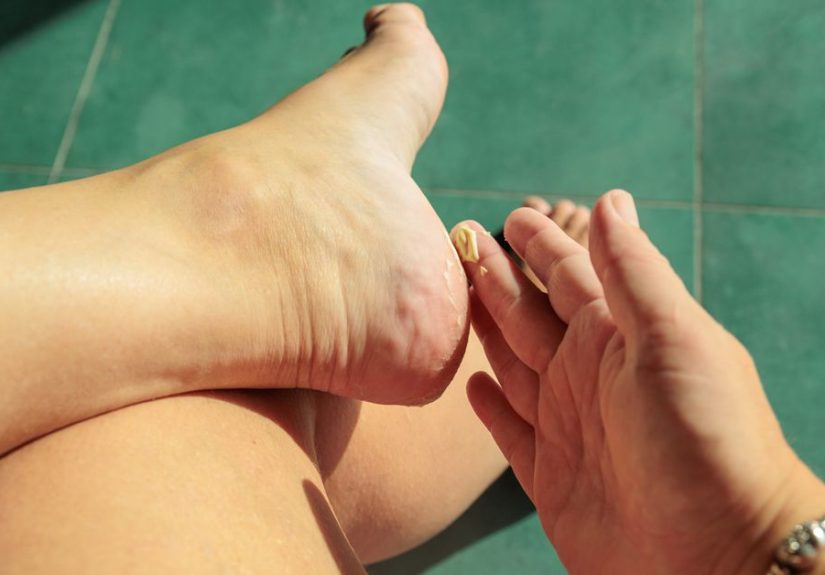
Calluses form when a spot on your foot takes repeated pressure or rubbingthink a tight shoe, a bony bump, or the way you naturally walk. The body responds by thickening the outer skin layer. That’s the callus.
The diabetes twist: less feeling, slower healing, higher stakes
Diabetes can affect your feet in two especially unfair ways:
- Nerve damage (diabetic neuropathy): You may not feel pain from rubbing, heat, a pebble in your shoe, or a callus cracking.
- Reduced circulation: Less blood flow can mean slower healing and a harder time fighting infection.
Here’s why that matters: a callus often forms over a high-pressure spot. If it gets thick, it can increase pressure even morelike stacking mattresses on a pea and still feeling the pea. Eventually the skin underneath can break down and form an ulcer. And ulcers can become infected quickly if they’re not caught early.
The “3-Minute a Day” Foot Routine (Yes, Really)
The secret to diabetic foot care isn’t fancyit’s consistent. Make this your daily habit, ideally at the same time every day (after a shower, before bed, right after brushing your teethwhatever sticks).
Step 1: Look (every day)
Check the tops, soles, heels, between toes, and around nails. You’re looking for: redness, swelling, cracks, blisters, cuts, drainage, hot spots, corns, and calluses. If you can’t see the bottom of your feet easily, use a mirror or ask someone you trust.
Step 2: Wash (warm, not hot)
Wash your feet daily with warm water and mild soap. Avoid hot waterneuropathy can make it hard to judge temperature, and burns are not a fun hobby.
Step 3: Dry like you mean it
Dry your feet thoroughly, especially between the toes. Moisture trapped there can invite fungal infections (athlete’s foot), which can lead to skin breakdown.
Step 4: Moisturize (strategically)
Put lotion on the tops and bottoms of your feet to prevent dry skin and cracking. Skip lotion between the toesthose areas should stay dry.
Step 5: Shoe check (the pebble audit)
Before you put shoes on, run your hand inside. One small rock can rub a numb foot all day like it’s training for a marathon.
Safe Callus Care at Home (What’s Okay vs. What’s a Hard No)
What’s okay (with your clinician’s approval)
- Gentle smoothing after bathing: If your healthcare provider says it’s safe for you, lightly use a pumice stone on a softened callus after a shower or bath. Think “polishing,” not “renovation.”
- Moisturizers that soften thick skin: Many people do well with thick creams (often containing urea, lactic acid, or ammonium lactate). With diabetes, ask your clinician what’s appropriate for your skin and risk level.
- Pressure protection: Non-medicated cushioning (like moleskin or donut-style pads) can reduce friction and pressure over callusesespecially while you’re fixing the shoe issue that caused them.
What’s a hard no (seriously, put the tools down)
- No razors, knives, scissors, or “callus shavers” (a.k.a. bathroom surgery).
- No chemical callus removers or medicated pads unless a clinician specifically directs youthese can burn skin.
- No digging around to “get it all.” A small cut can turn into a big problem fast.
If your callus is thick, painful, cracked, or keeps coming back, that’s your cue to involve a professionalusually a podiatrist. In diabetes care, “DIY” should mostly mean “Do Inspect Yourself,” not “Do It Yourself.”
Footwear That Prevents Calluses (Because Shoes Start Most of This Drama)
Fit matters more than brand
Calluses thrive in shoes that rub, pinch, or slide. Look for:
- A roomy toe box (your toes should be able to wiggle)
- Secure heel (minimal slipping)
- Support that matches your foot (arch support helps distribute pressure)
- Enough length (about a half-inch from the longest toe to the end of the shoe is a common guideline)
Socks: the underrated sidekick
Wear clean, dry socks daily. Choose seamless or low-seam socks if seams irritate your skin. Avoid tight elastic bands that can restrict circulation.
Diabetic shoes and orthotics: when “regular shoes” aren’t enough
If you have neuropathy, foot deformities (like bunions or hammertoes), a history of ulcers, or calluses that keep returning, ask about therapeutic shoes or custom orthotics. These can reduce pressure on hot spotsthe places where calluses like to set up camp.
Real-world example: the “big toe callus” clue
A callus under the big toe joint (the ball of the foot) often signals high pressure from the way you walk, a stiff joint, or shoe issues. A podiatrist might offload that area with an insert, adjust footwear, or recommend exercisesso the callus doesn’t keep rebuilding itself like a villain in a sequel.
Toenails, Skin, and Tiny Details That Prevent Big Problems
Trim nails straight across
Cut toenails straight across and smooth sharp edges with a file. Don’t round the corners too aggressivelythis can lead to ingrown nails. If your nails are thick, curved, or hard to reach, let a podiatrist handle them.
Don’t go barefoot (even at home)
Barefoot walking increases the risk of cuts, splinters, and stubbed toes. With reduced sensation, you might not notice an injury until it’s already irritated or infected.
Protect against temperature extremes
Avoid heating pads, hot water bottles, and very hot baths. If you can’t reliably feel heat, you can’t reliably avoid burns.
When to Call a Podiatrist (or Your Clinician) About a Callus
Calluses don’t always require urgent care. But with diabetes, certain signs should move you from “I’ll watch it” to “I’m calling today.”
Call promptly if you notice:
- Bleeding under or around a callus (or a dark spot that could be blood under the skin)
- Cracks/fissures that open the skin
- Redness, warmth, swelling, or drainage (possible infection)
- A sore, blister, or open area anywhere on the foot
- New numbness, tingling, or increasing pain
- Color changes (blue, black, very pale), or a suddenly cold foot
- Fever plus a foot problem
If you’ve ever had a foot ulcer, amputation, or severe neuropathy, you may need foot checks more often than once a year. Ask your care team what schedule makes sense for you.
What Professionals Can Do (That You Really Shouldn’t)
Safe callus trimming (debridement)
A podiatrist can carefully trim thick callus with sterile instruments without injuring healthy skin. This reduces pressure and lowers the risk of breakdown into an ulcer.
Pressure “offloading”
If your callus keeps returning, the real fix is usually pressure redistribution. That can include custom orthotics, therapeutic shoes, padding, or in some cases bracing. The goal: stop the friction cycle that created the callus in the first place.
Neuropathy and circulation checks
A comprehensive foot exam may include sensation testing and circulation assessment. That matters because treatment choices (including how aggressively to manage thick skin) depend on your risk profile.
Prevent Calluses by Managing the “Invisible” Stuff
Calluses are partly mechanical (pressure) and partly medical (how your body heals). A few behind-the-scenes habits can make your feet more resilient:
- Keep blood sugar in range as well as you canthis supports nerve and vessel health over time.
- Move regularly to support circulation (even ankle circles and toe wiggling count when you’re sitting).
- Manage swelling (ask your clinician if leg elevation or compression is safe for you).
- Quit smoking if you smokesmoking reduces blood flow and slows healing.
- Maintain a healthy weight if possibleless pressure can mean fewer hot spots and less friction.
Quick FAQ
Can I use a pumice stone if I have diabetes?
Sometimesgently and typically only with your clinician’s okay. The safest approach is to have corns and calluses treated by a foot professional, especially if you have neuropathy, poor circulation, or a history of ulcers.
Are over-the-counter callus remover pads safe?
Many contain chemicals that can burn skin. With diabetes, it’s generally safer to avoid medicated pads and chemical removers unless a clinician specifically recommends a product for your situation.
Why do my calluses keep coming back?
Because the cause is usually ongoing pressureshoe fit, foot shape, gait, or lack of support. Trimming a callus helps, but correcting the pressure pattern is what prevents the repeat performance.
Conclusion: Treat Calluses Like a Smoke Alarm, Not a Decoration
With diabetes, a foot callus is often a sign that pressure is building somewhere it shouldn’t. The goal isn’t to “sand it down and forget it.” The goal is to find the cause, protect the skin, and get professional help when the callus is thick, painful, cracked, bleeding, or paired with any signs of infection.
Do the daily check. Keep skin clean and moisturized (not between toes). Wear shoes that fit like they were introduced to your feet before they met your wallet. And if you’re tempted to grab a blade and “fix it real quick,” remember: your feet would like to remain attached to your body.
Extra: Real-World Experiences and Lessons (Composite Stories)
The best way to make foot care stick is to connect it to real lifebecause no one wakes up excited to moisturize their heels. Here are a few common “experience-style” scenarios people with diabetes often recognize (composites, not one specific person), plus what actually helped.
1) The “It Didn’t Hurt, So I Ignored It” Callus
Someone notices a thick callus under the ball of the foot. No pain, no drama, so it becomes background scenery. Weeks later, the callus looks darker, like a bruise under glass. Turns out it’s pressure-related bleeding under the skina warning sign that the tissue is stressed. The fix wasn’t heroic scraping. It was a podiatry visit, careful trimming, and an insert that offloaded the pressure point. The lesson: pain isn’t always the messenger when neuropathy is involved.
2) The “Magic Pad” Experiment
A medicated callus pad seems like a shortcut. It also seems like a tiny chemical lab taped to the foot. In people with diabetes, those chemicals can irritate or burn skinespecially if left on too long or used on sensitive areas. The result can be a raw spot that’s suddenly vulnerable to infection. The lesson: if it promises a fast peel, ask your clinician first. Gentle and boring beats fast and risky.
3) The Sneaky Shoe Seam
A new pair of shoes feels fine in the store. Two days later, there’s a callus on the side of the big toe. The culprit? A seam or stiff edge inside the shoe that rubs in exactly the wrong place. With normal sensation, you’d feel it and stop. With neuropathy, you might not notice until the skin changes. The fix: checking the inside of shoes before wearing, choosing a wider toe box, and breaking shoes in gradually. The lesson: shoes can be bulliesdon’t give them the chance.
4) The “I Only Go Barefoot at Home” Habit
Home feels safe, so barefoot becomes the default. Then a tiny splinter happens. Or a stubbed toe. Or stepping on a toy (which, frankly, is a universal hazard). A small injury can become a big issue if it’s not noticed quickly or if it’s irritated by walking. The fix: house shoes or supportive slippers, daily checks, and quick attention to any skin break. The lesson: indoors isn’t automatically low-risk.
5) The Dry-Heel Crack That Turned Into a Project
Dry skin seems harmlessuntil it cracks. A heel fissure can be a doorway for bacteria, especially if the skin is thick and tight. People often try to scrub it aggressively, which can worsen the problem. What helped most was consistent moisturizing on heels, avoiding soaking, and using gentle smoothing only when approved. Sometimes a clinician recommends specific creams or protective coverings. The lesson: prevent cracks with routine moisture, not emergency sanding.
6) The “My Callus Keeps Coming Back” Mystery
Some calluses are persistent because the foot’s mechanics are persistent. A bunion changes pressure distribution. A hammertoe rubs the shoe top. A flat arch loads the midfoot differently. People often feel like they’re “failing” because the callus returns. But it’s not a willpower issueit’s physics. The fix: orthotics, shoe changes, padding, and sometimes addressing deformities. The lesson: recurring calluses usually mean recurring pressure.
7) The “I Didn’t Want to Bother the Doctor” Delay
This one is painfully common: someone sees redness or a small blister but waits because it seems minor. In diabetes care, early treatment is the cheat code. A quick call can prevent a small issue from becoming an ulcer. The fix: knowing the warning signs (redness, warmth, swelling, drainage, bleeding callus, cracks) and treating them like priority mail. The lesson: you’re not bothering anyoneyou’re preventing a complication.
If these stories feel familiar, that’s not a moral failingit’s just life. The win is building small systems: a mirror by your bed, lotion next to your toothbrush, shoes you actually like wearing, and a standing rule that you don’t “DIY” anything sharp on your feet. Your future self (and your feet) will appreciate the teamwork.