Table of Contents >> Show >> Hide
- What Is the Dexton Great Plains Teepee?
- Key Features That Make This Teepee Stand Out
- Dexton Great Plains Teepee Models and Size Guide
- Where the Great Plains Teepee Works Best
- Setup Tips: Make It Stable, Make It Easy
- How to Decorate Without Regrets
- Safety and Standards: What to Pay Attention To
- Cleaning and Care: Keep the Canvas Nice Without Overthinking It
- Is the Dexton Great Plains Teepee Worth It?
- of “Real-Life” Experiences with a Great Plains Teepee
- Conclusion
- SEO Tags
If you’ve ever watched a kid turn a cardboard box into a spaceship, you already understand the magic behind a good
play structure: it’s not the objectit’s the permission to imagine. The Dexton Great Plains Teepee
is basically that permission, but in sturdy cotton canvas with real wooden poles, a roomy footprint, and enough “blank canvas”
energy to become whatever your child’s brain cooks up before snack time.
In this guide, we’ll break down what the Dexton Great Plains Teepee is, how to choose the right size, where it shines
(and where it doesn’t), how to decorate it without turning your living room into a paint-splatter crime scene, and how to
keep play safe and respectful. Along the way, we’ll add practical examplesbecause “imaginative play” is great, but
“my kids are arguing about who gets the teepee tonight” is the real-world use case.
What Is the Dexton Great Plains Teepee?
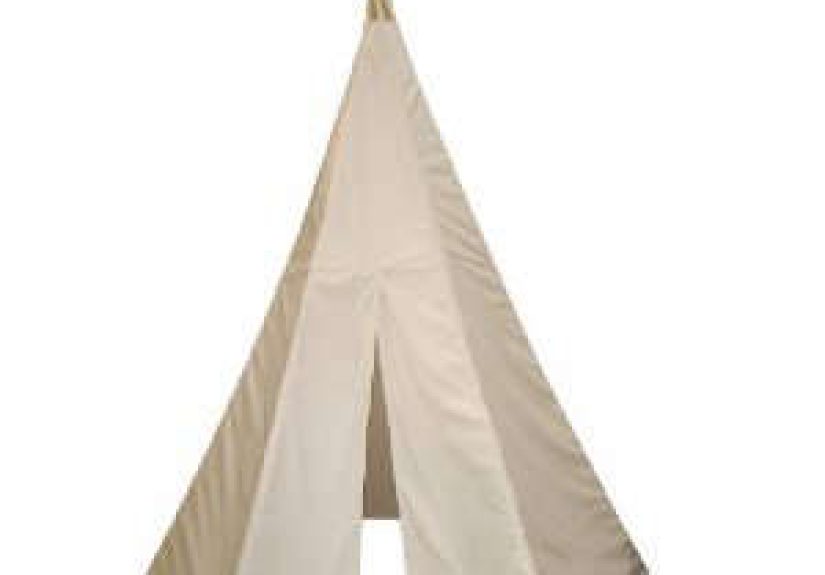
The Dexton Great Plains Teepee is a tipi-style play tent designed for indoor or outdoor use. It’s typically made
from durable cotton canvas with wood poles and is marketed as easy to set up and easy to decorate.
One well-known model (DX-1006) is listed at 72 inches tall with a base around 60 inches by 60 inches,
built from cotton and wood, and described as using water-repellent and fire-resistant materials. It’s also commonly presented
as appropriate for children ages 3 and up. The same product info mentions included decorative patterns and references
toy-safety and flammability standards. In plain English: it’s a kid-sized “home base” that’s sturdier than most pop-up tents,
and customizable enough to feel personal.
A quick word about “teepee” vs. “tipi”
The word tipi (often spelled “teepee”) refers to a traditional dwelling used by several Indigenous Peoples of the Plains.
It’s a real home with deep cultural significancenot just a décor trend. Modern play tents are typically “tipi-inspired.”
If you’re bringing one into your home, you can make the experience richer (and more respectful) by pairing it with learning:
books by Indigenous authors, museum resources, and age-appropriate conversations about the many distinct Nations and cultures
of the Plains.
Key Features That Make This Teepee Stand Out
1) Cotton canvas that can handle actual kid life
Cotton is loved for comfort, breathability, and durabilitybasically, the trifecta you want when something will be climbed on,
tugged, and used as a pretend dragon’s cave. Cotton fabric is generally breathable (helpful for airflow) and strong against wear,
though it can wrinkle and shrink if washed aggressively. Translation: it’s a good material for a play structure, but treat it like fabric,
not a kitchen floor.
2) A decorate-it-yourself vibe
A signature selling point of the Great Plains line is customizationsome listings explicitly say you can decorate the canvas with
permanent latex or oil-based paint, and that patterns may be included as guides. If your child loves art, this turns the teepee into a
“big project” that lasts longer than a single afternoon. (And if your child does not love art, you can still decorate it with
fabric markers, iron-on patches, or removable décorno paint required.)
3) Sizes that scale from “reading nook” to “mini clubhouse”
The 6-foot model is the one most families start with because it fits in a bedroom, playroom, or living room without requiring
you to remove a wall (or your entire personality). But there are larger versions tooincluding a commonly listed
7.5-foot version (DX-1075), and a 12-foot version (DX-1012) marketed for bigger play setups.
Dexton Great Plains Teepee Models and Size Guide
Not every retailer lists every detail the same way, but here’s a practical overview of how these models are typically positioned:
6-Foot Great Plains Teepee (DX-1006): the “fits in real houses” option
- Approx. size: 72″ H x 60″ W x 60″ L
- Materials: Cotton and wood
- Use: Indoor/outdoor play, reading nook, imaginative play hub
- Customization: Often described as paintable with latex or oil-based paint; may include pattern guides
- Age guidance: Commonly listed as ages 3+
Real-life example: This is the sweet spot for a child who wants a “private” spot to read, play pretend, or host stuffed-animal
meetings with a strict “no grown-ups unless you bring snacks” policy.
7.5-Foot Great Plains Teepee (DX-1075): taller, roomier, more “clubhouse” energy
- Approx. size: around 69″ x 69″ x 78″
- Typical notes: Often described as water-repellent and fire-resistant cotton canvas; marketed as indoor/outdoor
- Practical difference: more headroom and a larger footprint, which means easier “two kids can play without a summit meeting” space
Real-life example: This is the version you pick when your child’s best friend comes over and they immediately decide the teepee
is a bakery, a vet clinic, and a spaceshipsimultaneouslyand you don’t want elbows colliding every 14 seconds.
12-Foot Great Plains Teepee (DX-1012): the big one (for big spaces)
The 12-foot model is often marketed as suitable for indoor or outdoor play and built from cotton canvas with water- and fire-resistant
materials. In practice, this size tends to make the most sense in a large playroom, basement, covered patio, or backyardespecially if
you’re building a party setup, a classroom reading corner, or a multi-kid play zone.
Real-life example: This is the teepee you bring out for a birthday party “campout” themewhere kids rotate in and out all afternoon
like it’s the hottest venue in town.
Where the Great Plains Teepee Works Best
Indoor playroom or bedroom “home base”
Put a soft rug inside, add a couple of pillows, and suddenly you’ve created a cozy retreat that feels separate from the rest of the room.
Kids often use “small spaces” as emotional reset zonesquiet, predictable, theirs.
Reading nook (that also doubles as a dramatic storytelling stage)
Add a basket of books and a clip-on light (outside the fabric, safely positioned), and you’ve got a reading corner that makes books feel
like an event. Bonus: the teepee naturally reduces visual distractions, which can help kids focus.
Outdoor “backyard camp” setup
Canvas-style play tents are great for shaded, supervised backyard play. The key is placement: choose level ground, avoid gusty spots,
and anchor it properly if you’re using it outside.
Setup Tips: Make It Stable, Make It Easy
1) Choose the right spot first
- Indoors: Pick a flat surface away from heaters, fireplaces, candles, or anything that gets hot.
- Outdoors: Use level ground, avoid areas with sharp rocks, and keep it out of high-wind zones.
2) Do a “dry assembly” before decorating
If you plan to paint or permanently decorate the canvas, assemble it once first. This helps you see how the fabric drapes and where
your design will actually land (because “centered” on the floor can become “mysteriously off to the left” once it’s upright).
3) Make anchoring non-negotiable outdoors
Even if a teepee feels heavy, wind can turn fabric into a sail. If you use it outside, stake or weigh it down according to the
manufacturer’s guidance. Indoors, you can improve stability by placing the base on a non-slip rug pad and keeping rough play
(like pole-vaulting) out of the teepee’s job description.
How to Decorate Without Regrets
Paint choices: what “safe and sane” looks like
Many product listings say latex or oil-based paint can be used on the canvas. Practically, if you’re decorating something that will live
in your home, water-based options are usually the easiest to manage for cleanup and odors. Whatever you choose:
work in a well-ventilated area, let it fully dry and cure, and keep kids away from wet paint and fumes. If you want to minimize indoor-air
impact, look for paints that meet recognized indoor-air emissions methods or are marketed as low-emitting.
Easy decorating ideas that look great
- Stenciled borders: Painter’s tape + simple geometric shapes = crisp, modern patterns.
- Fabric markers: Less mess than paint, more control for kids.
- Patch party: Iron-on patches (applied by an adult) or sew-on badges that turn the teepee into a “travel log.”
- Removable décor: Bunting, clip-on pennants, and string lights placed safely outside the canvas (no hot bulbs).
Respectful design choices
If your family wants a “Great Plains” theme, skip stereotypes and lean into learning. Think: nature motifs, prairie colors, animal tracks,
night-sky patterns, and storytime resources from Indigenous creators. A teepee can be a doorway into curiosity and respectnot a costume.
Safety and Standards: What to Pay Attention To
Toy safety standards matter
Some Great Plains Teepee listings reference compliance with toy-safety standards (like ASTM F963) and flammability standards for textiles/tents.
For parents, the practical takeaway is: treat the teepee like you’d treat any large toysupervise younger kids, check regularly for wear,
and follow age guidance.
Common-sense play tent safety checklist
- Heat safety: Keep it away from fireplaces, space heaters, candles, and grills. “Fire-resistant” is not “fire-proof.”
- Ventilation: Ensure openings aren’t blocked during playespecially if kids bring in pillows and blankets.
- Condition checks: Look for fraying seams, cracked poles, or loose ties and repair promptly.
- No roughhousing rule: This is a hideout, not a wrestling ring.
- Recalls awareness: Periodically check consumer product recalls for play tents and similar items.
A useful mindset: the teepee should feel like a calm space. If it turns into a chaotic space, it’s not failingthe rules just need a refresh.
(And yes, you can absolutely be the “Teepee Safety Manager.” Add a clipboard if you want instant authority.)
Cleaning and Care: Keep the Canvas Nice Without Overthinking It
Spot cleaning usually wins
Cotton canvas and painted fabric tend to do best with gentle spot cleaning: mild soap, water, and patience. If you machine wash, cotton
may shrink, and painted designs may fade or crack over time. If the teepee is going to be decorated, treat it more like a piece of fabric art
than a washable blanket.
Storage tips
- Make sure it’s fully dry before storing to avoid musty odors.
- Store poles together and keep small parts (like ties) in a labeled bag.
- If it’s been outside, brush off dirt before folding to reduce abrasion.
Is the Dexton Great Plains Teepee Worth It?
It can beespecially if you’re buying it for more than “cute photos.” The value shows up when the teepee becomes a daily-use space:
a reading nook, a quiet retreat, a pretend café, a puppet theater, or a “no adults allowed” clubhouse that mysteriously has a guest list
containing only stuffed animals and one very loyal pet.
Who it’s great for
- Kids who love pretend play and “home base” spaces
- Families who want a screen-free play anchor in a room
- Parents who enjoy DIY customization (or at least tolerate it)
- Teachers or caregivers creating a cozy corner
Who might want a different option
- Homes with very limited floor space (measure firstfuture you will be grateful)
- Families who want a fully washable, toss-in-the-laundry play tent
- Kids who prefer open-ended building toys (like forts) over a fixed structure
of “Real-Life” Experiences with a Great Plains Teepee
Here’s what tends to happen when a Dexton Great Plains Teepee enters a home: for the first five minutes, everyone is calm and respectful.
Then the teepee becomes a sovereign nation with its own laws, currency (stickers), and border control (a sibling holding the flap closed like
a nightclub bouncer).
On a rainy afternoon, it’s a lifesaver. A kid crawls in with two books, a flashlight, and a snack they definitely weren’t supposed to bring inside.
Ten minutes later, you hear whisper-reading, which is adorable until you realize the whisper-reading is actually a dramatic reenactment of a
dinosaur trial. The defendant is a teddy bear. The verdict is “more grapes.”
If you decorate the canvas together, the teepee becomes personalless like a product and more like a family artifact. Some kids go bold:
big geometric shapes, handprints, and a name across the top like it’s a sports arena (“WELCOME TO MAX’S TEEPEE STADIUM”).
Others are precise and methodical, carefully coloring patterns and adding tiny details. Either way, it turns into a conversation piece:
“Look! That’s the star I painted!” “That’s where we messed up and turned it into a flower!” Suddenly, imperfections are memories.
The teepee also becomes a social tool. When friends come over, it breaks the ice immediately: “Let’s play in the tent!” And inside,
kids naturally practice negotiationwho gets to be the shopkeeper, who’s the customer, who’s the dragon, and who has to be the
dragon’s accountant (a tragic role, but someone must do the paperwork). Pretend play looks silly, but it’s real skill-building:
turn-taking, storytelling, empathy, and problem-solvingjust wrapped in giggles.
In classrooms or reading corners, it’s often the quietest spot in the room. Kids who feel overwhelmed sometimes choose the teepee
as a reset place. Toss in a couple of soft cushions and a basket of books, and it signals: “This is where we breathe, read, and calm down.”
The best part? It’s inviting without being complicated. No batteries, no apps, no setup beyond opening a flap.
And yes, there will be moments when you step on a toy and consider moving into the teepee yourself. You’ll look at itpeaceful, soft,
tucked in the cornerand think, “That seems nice.” Congratulations. You have become your child. The teepee has won.
Conclusion
The Dexton Great Plains Teepee isn’t just a cute tentit’s a durable, customizable play space that can become a daily anchor
for imagination, reading, and calm. Choose the right size for your space, decorate it thoughtfully, use it safely, and treat its inspiration with
respect. Do that, and you’ll end up with a “kid headquarters” that earns its footprintone story, one snack (hopefully outside), and one
teddy-bear dinosaur trial at a time.