Table of Contents >> Show >> Hide
- The Quick Verdict
- Design: Classic, Compact, and Extremely Unapologetic
- Display: Good Quality, Tiny Canvas
- Performance: The Little Rocket
- Camera: One Lens, Better Than You Think
- Battery Life and Charging: Fine, Not Fabulous
- Storage, Connectivity, and Everyday Use
- Who Should Buy the iPhone SE?
- Final Thoughts
- Real-World Experience: What Living With the iPhone SE Actually Feels Like
If modern smartphones were houses, the iPhone SE would be the charming old cottage on the block with suspiciously powerful wiring. It looks familiar, even old-school, but under the hood it packs more muscle than its modest size suggests. That is the magic trick of the iPhone SE: Apple took a classic design, stuffed in a fast chip, kept the price lower than its flagship models, and called it a day. For some people, that is genius. For others, it feels like paying for a time capsule with great manners.
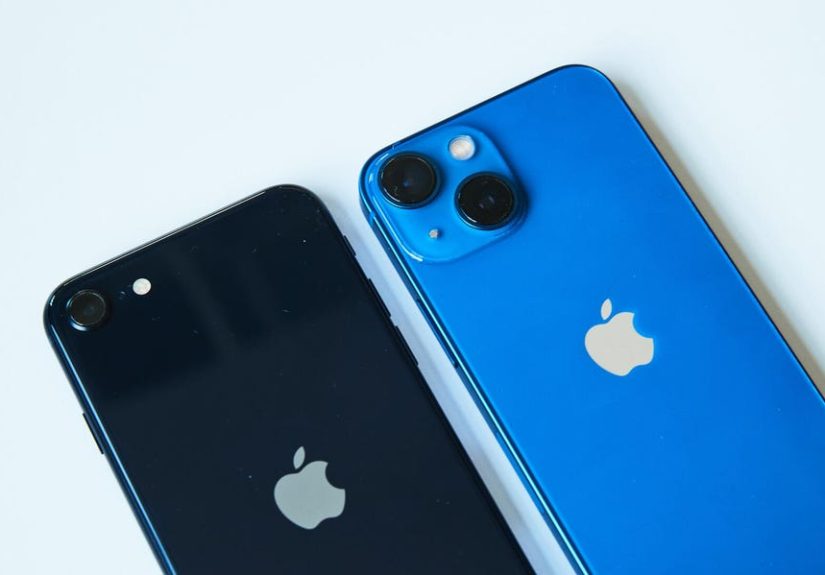
This review focuses on the iPhone SE (3rd generation), the final true SE-era model and the one most people mean when they search for an iPhone SE review. It is the compact, home-button iPhone with the A15 Bionic chip, 5G support, a single rear camera, and a 4.7-inch display. On paper, it sounds like a bargain iPhone. In real life, it is both better and weirder than that.
The Quick Verdict
The iPhone SE is still a surprisingly good phone for the right buyer. Its biggest strengths are speed, long-term software value, pocket-friendly size, reliable Touch ID, and a main camera that performs better than “single camera” sounds on paper. Its biggest weaknesses are just as clear: dated bezels, limited battery life, a small LCD display, no Night mode, and base storage that can feel stingy fast.
In other words, this is not the best cheap phone for everyone. It is the best cheap iPhone for a very particular kind of person: someone who wants Apple’s ecosystem, likes one-handed use, does not care about trend-chasing design, and would rather have a fast chip than an ultrawide camera. If that sounds oddly specific, welcome to the iPhone SE fan club. Meetings are small. The phone is smaller.
Design: Classic, Compact, and Extremely Unapologetic
The iPhone SE does not try to look futuristic. It looks like the older iPhone 8 design because, well, that is basically the silhouette Apple kept alive. You get a compact aluminum-and-glass body, a Home button with Touch ID, thick bezels, and a shape that feels almost rebellious in a world where phones keep auditioning for tablet roles.
There is a real upside to that older design. The phone is lightweight, easy to grip, and genuinely comfortable to use with one hand. It slips into small pockets, works well during quick errands, and never feels like it needs its own seat at the dinner table. If you are tired of oversized devices, the iPhone SE feels refreshingly sane.
Touch ID is also still excellent. Fast, familiar, and dependable, it is especially nice for people who prefer fingerprint unlocking over Face ID. That Home button is old, yes, but it is old in the same way your favorite diner is old: not trendy, still useful, and weirdly comforting.
Display: Good Quality, Tiny Canvas
The display is where the iPhone SE starts showing its age most clearly. The 4.7-inch Retina HD LCD is sharp enough for everyday use, with good color, True Tone, and respectable brightness. Text looks clean, photos look decent, and scrolling through email or social apps is perfectly fine.
But this is also a small 60Hz LCD in a market full of bigger OLED screens with slimmer bezels and better contrast. Watching movies on the iPhone SE feels less cinematic and more like peeking through a nice window. Black bars look bigger, the viewing area feels cramped, and immersive content never quite gets a chance to breathe.
For reading messages, checking maps, or firing off quick searches, the screen is absolutely serviceable. For gaming, streaming, long-form reading, or serious productivity, it feels limited. It is not a bad display. It is just a display from a different era trying to survive in a modern smartphone fight.
Performance: The Little Rocket
This is the section where the iPhone SE stops being quaint and starts showing off. Apple gave it the A15 Bionic chip, the same family of processor used in the iPhone 13 lineup, and that decision completely changes the phone’s personality. The result is snappy app launches, fluid multitasking, fast photo processing, and excellent general responsiveness.
For everyday tasks, the iPhone SE feels way faster than many people expect from a budget phone. It handles social media, navigation, streaming, web browsing, and casual gaming with no drama. Even more demanding tasks like editing short videos or running heavier apps feel surprisingly smooth. This phone is the technological equivalent of a compact car with a sports engine hidden under the hood.
That performance advantage matters for longevity, too. A fast chip usually ages better than a flashy feature list. Even when its design feels old, the iPhone SE still moves like a modern device. That makes it an appealing option for buyers who care more about speed and software life than about having the prettiest screen in the coffee shop.
Camera: One Lens, Better Than You Think
The iPhone SE has a single 12MP rear camera, which sounds almost suspiciously modest today. No ultrawide. No telephoto. No camera island the size of a waffle. Just one main camera and a lot of Apple image processing.
In daylight, the results are often genuinely impressive. Photos are sharp, colors are natural, dynamic range is strong, and skin tones usually look believable. Apple’s processing helps the SE punch above its weight, especially in bright or mixed lighting. It is fast to open, fast to shoot, and dependable for spontaneous snapshots. That reliability matters more than spec-sheet bragging rights for a lot of users.
Portrait mode is useful, though limited compared with newer iPhones. Video is also a strength. The iPhone SE records crisp, stable footage, and Apple still tends to do video extremely well even when the hardware looks modest next to newer rivals.
The weakness is low light. The lack of Night mode hurts. Once the sun goes down, the iPhone SE starts losing ground to competitors with stronger computational photography. Indoor evening shots can get murky, shadow detail falls off, and scenes that newer phones handle gracefully can look flat or noisy here. So yes, the iPhone SE camera is good. It is just not good at being everywhere good.
Battery Life and Charging: Fine, Not Fabulous
Battery life on the iPhone SE is best described as “respectable, with an asterisk.” Apple improved endurance over the previous SE generation, and for light to moderate users the phone can get through a day. But if you spend a lot of time on 5G, stream video, use GPS heavily, or take lots of photos, the battery may start waving a white flag by evening.
This is one of the biggest compromises of the phone. You are getting a powerful processor inside a small body, and physics remains annoyingly committed to being physics. There is only so much battery you can fit in a compact design.
Charging is decent rather than cutting-edge. Fast charging is supported, and Qi wireless charging is a welcome convenience. But there is no MagSafe, and the overall charging experience lacks some of the polish found in Apple’s pricier models. None of this is a disaster. It is just another reminder that the iPhone SE wins by prioritizing essentials, not extras.
Storage, Connectivity, and Everyday Use
The base 64GB storage option is the one most likely to frustrate long-term owners. For a phone meant to last, 64GB feels cramped once you factor in photos, apps, updates, offline media, and the occasional game that believes it is a console. The 128GB version is the smarter buy for most people.
5G support is helpful, though this is not the most advanced 5G experience in Apple’s lineup. That will not matter to many buyers, because in normal use the phone still feels quick and reliable on modern networks. Calls are clear, wireless connections are stable, and iOS remains one of the most polished mobile operating systems around.
Software is one of the iPhone SE’s strongest long-term selling points. Apple’s budget phones tend to stay relevant longer than many comparably priced Android alternatives because they continue getting updates for years. That means the SE’s value is not just about day-one performance. It is about how usable the phone still feels after the initial excitement wears off and the marketing confetti gets vacuumed up.
Who Should Buy the iPhone SE?
Buy it if you want:
A compact iPhone, excellent speed for the money, a reliable main camera in daylight, Touch ID, and access to Apple’s ecosystem without flagship pricing.
Skip it if you want:
A large display, all-day heavy-use battery life, modern design, Night mode photography, or more versatile cameras. In those areas, the iPhone SE feels outclassed.
The best audience for the iPhone SE includes first-time iPhone buyers, parents shopping for a simple Apple phone, people upgrading from an older iPhone with a Home button, and anyone who values compact phones enough to forgive the throwback design. If you are buying on the refurbished market, the iPhone SE can still make a lot of sense. If you are chasing the most future-proof cheap iPhone experience with a modern look, it becomes a tougher sell.
Final Thoughts
The iPhone SE is a wonderfully contradictory device. It is old-fashioned and fast. Budget-minded and oddly premium in performance. Easy to recommend and easy to criticize. That tension is what makes it interesting.
At its best, the iPhone SE feels like a phone for people who miss the days when phones were for calling, texting, taking a quick picture, and fitting into jeans without causing structural damage. At its worst, it feels like Apple asking customers to tolerate too many compromises in the name of nostalgia.
Still, there is a reason the iPhone SE has had such a loyal following. It does the core things extremely well. It is fast, dependable, portable, and familiar. No, it is not the most exciting phone in its class. But excitement is overrated when your main goal is a phone that simply works, works quickly, and does not require hand gymnastics.
Bottom line: the iPhone SE is not the best cheap smartphone overall, but it remains one of the most distinctive. If you want a small iPhone with real speed and can live with the old-school design, it still earns its place. If not, the SE may feel less like a hidden gem and more like a charming relic with excellent reflexes.
Real-World Experience: What Living With the iPhone SE Actually Feels Like
The experience of using the iPhone SE every day is a story of tiny surprises. The first one happens when you pick it up after using a larger phone. It feels almost comically small at first, like your brain briefly thinks, “Wait, did phones used to be this manageable?” Then something interesting happens: you stop adjusting your grip every five minutes. You stop stretching your thumb across a giant screen. You stop noticing your phone as a physical object because it is not constantly trying to become a second tablet.
In the morning, the iPhone SE is great. It is fast for checking notifications, weather, email, calendar alerts, and maps before you head out. Touch ID remains one of those features that never begs for attention but keeps quietly doing useful work. Unlocking the phone is quick and familiar, especially when you are half awake and not interested in performing a face scan like a tired airport traveler.
During errands, the SE can be delightful. It slips into a pocket easily, disappears into a small bag, and is comfortable to use with one hand while carrying coffee, groceries, or your dignity after walking into the wrong store. For messaging, calling, Apple Pay, podcasts, and quick photos, it feels confident and efficient. This is where the phone makes its strongest case: in short bursts of practical daily use.
The camera experience follows the same pattern. In good light, you tap the shutter and usually get a photo that looks ready to share. Colors are pleasing, motion is handled well enough for casual shooting, and Apple’s processing gives images a polished look without making them feel cartoonish. The phone does not invite you to become a mobile cinematographer, but it does encourage spontaneous photography because it is so simple and fast. That matters. A camera you trust often beats a camera loaded with features you never use.
By afternoon, the compromises start becoming more obvious. If you read a lot on your phone, the small display can feel cramped. If you type long messages, the keyboard feels tighter than on modern devices. If you stream video during lunch, the bezels and smaller viewing area can make the whole experience feel less immersive. None of it is broken. It just reminds you that the SE is optimized for convenience, not indulgence.
Battery life is the other reality check. On a lighter day, the phone can make it comfortably into the evening. On a busier day with navigation, 5G, camera use, and social media, you may start checking the battery percentage with the nervous energy of someone monitoring a countdown clock. The iPhone SE can absolutely get through real life, but it usually prefers real life in moderation.
At night, the SE becomes a phone of trade-offs. Indoors under softer lighting, the camera is less forgiving. Watching a movie in bed is fine, though not exactly luxurious. Gaming is surprisingly smooth thanks to the strong chip, but the small screen makes some titles feel like they are happening through a keyhole.
And yet, after a few days, many people end up understanding the appeal. The iPhone SE is not trying to win every category. It is trying to be easy to live with. That is its real personality. It is the kind of phone that nails the basics, adds flagship-level speed, and asks you one question in return: do you want a better smartphone on paper, or a simpler smartphone in your hand? The answer will decide whether the iPhone SE feels outdated or oddly perfect.