Table of Contents >> Show >> Hide
- Style vs. Theme: What’s the Difference?
- The Big Decorating Styles (And How to Spot Them)
- Popular Decorating Themes That Add Personality
- How to Choose Your Decorating Style (Without Overthinking It)
- How to Mix Decorating Styles So It Looks Intentional
- Color Palettes: The Shortcut to a Put-Together Home
- Room-by-Room Mini Recipes
- Common Decorating Mistakes (And the Fix)
- Wrapping It Up: Your Home, Your Rules (But Make Them Cute)
- Experiences Related to Decorating Styles and Themes (Real-World Scenarios)
- Experience 1: The “I Like Everything” Phase
- Experience 2: The Rug That Started a New Personality
- Experience 3: Mixing Styles With a Partner (Diplomacy, But With Pillows)
- Experience 4: The Theme That Went Too Literal
- Experience 5: The “My House Looks Choppy” Problem
- Experience 6: Maximalism Without the Mess
- Experience 7: The “It Doesn’t Feel Cozy Yet” Mystery
- SEO Tags
Decorating your home is a little like getting dressed for a party: you want to look like yourself, not like you fell into a display at a furniture store and rolled out wearing five throw pillows and a lamp.
The good news? You don’t need a design degree (or a secret Pinterest board with 4,000 pins) to build a space that feels polished, personal, and comfortable.
This guide breaks down the most popular decorating styles and home decor themes, plus how to mix them without your living room looking like it’s hosting an identity crisis.
Along the way, you’ll get practical “what to buy,” “what to skip,” and “how to make it work in real life” tipsbecause style should be fun, not stressful.
Style vs. Theme: What’s the Difference?
Think of decorating style as your home’s “design language”the shapes, materials, and overall vibe you repeat across furniture and finishes.
A decor theme, on the other hand, is the story you’re tellingoften through color, pattern, and accessories.
- Style examples: traditional, contemporary, modern farmhouse, mid-century modern, Scandinavian, industrial.
- Theme examples: coastal, botanical, desert-inspired, dark academia, Parisian café, “grandpa chic,” holiday/seasonal.
You can absolutely have a transitional style home with a coastal theme, or a modern home with a vintage travel theme.
Style is the structure; theme is the personalitylike the difference between a well-tailored blazer and the fun socks you insist are “subtle.”
The Big Decorating Styles (And How to Spot Them)
Below are the core interior design styles you’ll see across magazines, model homes, and those “I just threw this together” living rooms that clearly took three weekends and a minor emotional journey.
For each style, you’ll get a quick definition, key elements, and a real-world example.
1) Traditional
Traditional decor is rooted in classic European-inspired design: elegant furniture shapes, layered textiles, and a sense of symmetry. It leans into timeless over trendy.
Start with “investment” silhouettes (sofas, dining tables) in classic forms, then update with art, rugs, and lighting.
- Look for: rolled arms, carved wood, tailored drapery, antiques or antique-inspired pieces
- Colors: warm neutrals, deep jewel tones, soft creams
- Example: a wingback chair, a Persian-style rug, and framed art in a balanced layout
2) Contemporary
Contemporary decorating means “of-the-moment.” It changes over time, borrowing from current trends while keeping a clean, edited feel.
If modern is a specific era, contemporary is a moving target (the stylish cousin who always knows what restaurant opened yesterday).
- Look for: clean lines, statement lighting, mixed materials, minimal clutter
- Colors: often neutrals with bold accents
- Example: a neutral sofa paired with sculptural coffee tables and art-forward accessories
3) Modern
Modern style (often associated with early-to-mid 20th century modernism) prioritizes function, simplicity, and strong forms.
It tends to feel sleek and intentionallike your furniture has a calendar invite for being in the right place.
- Look for: simple silhouettes, minimal ornamentation, glass/metal/wood mixes
- Colors: monochrome bases with strategic contrast
- Example: low-profile seating, streamlined cabinetry, and uncluttered surfaces
4) Transitional
Transitional decor blends traditional comfort with contemporary simplicity. It’s one of the easiest styles to live with because it’s flexible, calm, and forgiving.
If you’re decorating with a partner (or roommates) and you both like different aesthetics, transitional is the diplomatic solution.
- Look for: classic shapes with cleaner lines, layered neutrals, subtle texture
- Colors: warm whites, beiges, soft grays, muted blues/greens
- Example: a classic sofa paired with modern side tables and a contemporary rug
5) Mid-Century Modern
Mid-century modern celebrates iconic 1940s–1960s design: tapered legs, warm woods, and graphic shapes.
It’s popular because it feels both retro and surprisingly freshlike a vintage record player that also has Bluetooth.
- Look for: walnut/teak finishes, clean geometry, “floating” furniture on legs
- Colors: warm woods with mustard, olive, rust, or teal accents
- Example: a low credenza, globe lighting, and a bold abstract print
6) Scandinavian
Scandinavian design is bright, functional, and cozy in a minimalist way. It favors natural light, pale woods, clean lines, and texture (because comfort matters).
The vibe: “I keep things simple, but I also own a blanket that could emotionally support me.”
- Look for: light wood, white walls, simple shapes, tactile textiles
- Colors: whites, soft grays, beige, muted tones
- Example: a light oak table, linen curtains, and layered throws for warmth
7) Industrial
Industrial style borrows from warehouses and old factories: exposed materials, rugged textures, and utilitarian forms.
Done well, it’s edgy and warm. Done poorly, it can feel like you’re living inside a toolbox.
- Look for: metal, reclaimed wood, concrete, exposed brick, black accents
- Colors: charcoal, brown, black, distressed finishes
- Example: a wood-and-metal shelving unit with warm lighting and soft textiles to balance
8) Farmhouse and Modern Farmhouse
Farmhouse decor emphasizes comfort, practicality, and rustic charm. Modern farmhouse cleans it up with simpler lines and fewer “live laugh loaf-of-bread” signs.
The key is warmth: natural wood, cozy textures, and a relaxed, welcoming feel.
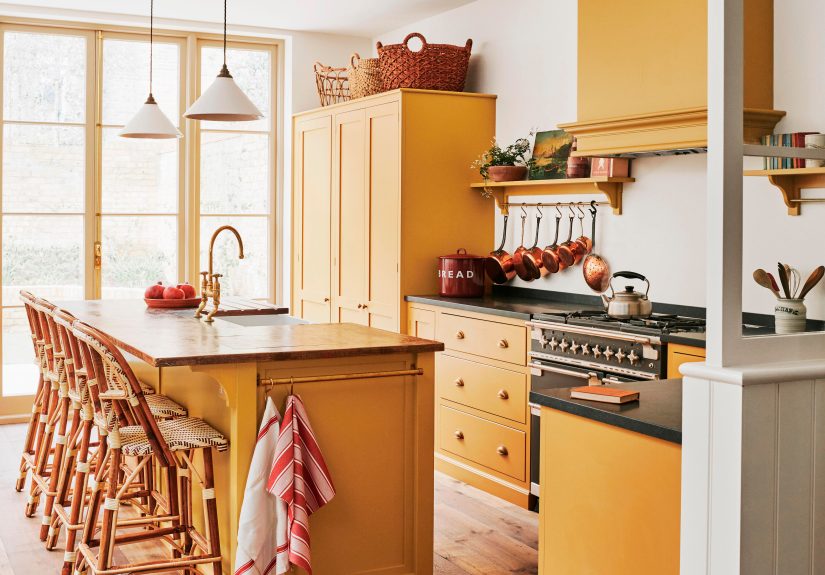
- Look for: shaker cabinetry, apron-front sinks, woven baskets, simple textiles
- Colors: creamy whites, warm neutrals, soft blacks, muted greens
- Example: a slipcovered sofa, a vintage-style rug, and a chunky knit throw
9) Coastal
Coastal decorating is airy, relaxed, and inspired by the seasidewithout requiring you to actually own a beach house (rude, but okay).
The best coastal rooms lean on texture and light rather than literal anchors and ship wheels.
- Look for: linen, rattan, light wood, woven textures, breezy curtains
- Colors: white, sand, sea-glass greens, soft blues
- Example: slipcovered seating, jute rug, and ocean-toned accessories
10) Bohemian (Boho)
Bohemian decor is layered, eclectic, and personalmore “collected over time” than “bought in one afternoon.”
It thrives on pattern mixing, global-inspired textiles, vintage finds, and a relaxed approach to rules.
- Look for: layered rugs, mixed patterns, plants, vintage and handmade pieces
- Colors: warm, saturated tones; or a neutral base with bold accents
- Example: a neutral sofa with colorful pillows, a patterned rug, and mixed art styles
11) Minimalist
Minimalist style is intentional and uncluttered. It’s not “empty,” it’s “edited.”
Every item earns its placelike a tiny design jury is constantly evaluating your side table choices.
- Look for: simple forms, hidden storage, negative space, high-quality basics
- Colors: whites, creams, soft grays, muted earth tones
- Example: a streamlined sofa, one statement artwork, and a sculptural lamp
12) Maximalist
Maximalism is “more is more”but done with intention. It embraces bold color, pattern, and collections, often layered in a way that still feels curated.
The secret sauce is repetition: repeat colors, shapes, and motifs so it feels designed, not chaotic.
- Look for: saturated color, pattern mixing, gallery walls, statement furniture
- Colors: jewel tones, high contrast, playful palettes
- Example: patterned wallpaper, velvet seating, and cohesive accents repeated across the room
Popular Decorating Themes That Add Personality
If style is the framework, decor themes are the fun details that make your home feel like it belongs to you.
Themes work best when they’re suggested, not shouted. (A bowl of seashells: charming. A 6-foot lighthouse sculpture: a lifestyle choice.)
Coastal-Inspired (Without the Clichés)
Instead of going “nautical,” focus on breezy textures, light woods, and an ocean-adjacent palette. Add woven baskets, linen curtains, and soft blue accents.
Think: calm beach morning. Not: gift shop at a pier.
Botanical and Nature-Driven
This theme plays well with almost any style. Use plant-inspired artwork, natural fibers (jute, linen, cotton), and earthy greens.
A botanical theme can feel crisp and modern or cozy and cottage-like depending on the furniture you pair it with.
Vintage Travel / Collected Souvenirs
One of the most timeless themes is “collected over time.” Display travel photos, vintage maps, ceramics, or textilesthen keep the arrangement intentional.
Group items in threes, vary heights, and leave breathing room so it reads as curated, not cluttered.
Grandpa Chic / Heritage Cozy
This theme leans into warm woods, classic patterns (like plaid), leather accents, and a lived-in, library-like comfort.
It’s nostalgic in the best waylike your living room offers you tea and tells you everything will be fine.
How to Choose Your Decorating Style (Without Overthinking It)
1) Start with your “fixed elements”
Your home already has design clues: flooring tone, ceiling height, window style, and architectural details.
Choosing a style that works with those elements is easier than fighting them (and cheaper than replacing them).
2) Pick a “base style,” then add a theme
If you’re stuck, choose a base style that matches your lifestyle:
transitional for flexibility, Scandinavian for calm, modern farmhouse for cozy practicality, or contemporary for clean polish.
Then layer in a theme through textiles, art, and accessories.
3) Choose 1–2 anchor pieces first
Anchor pieces set the tone: sofa, bed frame, dining table, or a large rug. Once those are right, everything else becomes easier.
Pro tip: if you buy a “statement” couch, keep your other big items simpler so the room doesn’t start arguing with itself.
How to Mix Decorating Styles So It Looks Intentional
Mixing styles is not only allowedit’s often what makes a home feel real. The goal is cohesion, not perfect matching.
A useful way to think about it: build a calm background, then add personality in layers.
Use these three guardrails
- Repeat a unifying element: a color family, wood tone, or metal finish across the room.
- Balance old and new: pair vintage pieces with modern shapes, or traditional forms with contemporary textures.
- Keep one thing consistent: if your furniture is eclectic, keep the palette tighter; if your palette is bold, keep shapes simpler.
This is why eclectic decorating works best when it’s “a harmonious blend” rather than random collecting.
Think curated contrast, not chaos.
Color Palettes: The Shortcut to a Put-Together Home
If you want your home to feel cohesive, color is your best friend.
A simple approach is building a whole-home palette you can repeat room to room, even if each space has a different vibe.
Warm neutrals vs. cool neutrals
Warm neutrals (think creamy whites, beiges, soft taupes) generally feel inviting and cozy. Cool neutrals (some grays and off-whites with blue/green undertones) can feel crisp and modern.
Lighting mattersa neutral can change personality faster than a toddler offered a cupcake.
Create a “whole house” palette
A practical target is six or seven hues you can reuse: a dominant color, a few supporting colors, a trim color, and an accent.
That doesn’t mean every room looks the sameit means your home feels connected.
Room-by-Room Mini Recipes
Here are quick, specific examples you can copy (and then adjust to taste) for common rooms.
Transitional Living Room
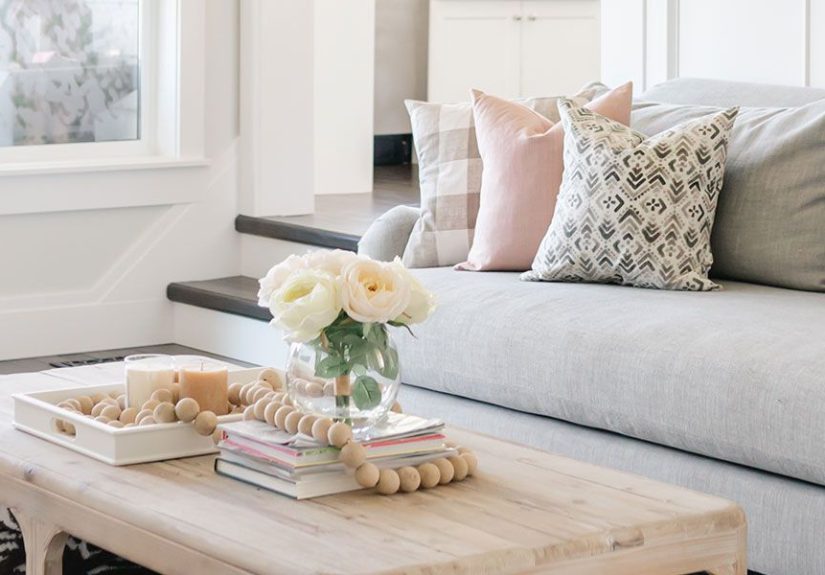
- Neutral sofa with clean lines
- Textured rug (subtle pattern)
- Wood coffee table + simple metal floor lamp
- Two pillows in the same color family + one with gentle contrast
- Art that echoes your accent color
Scandinavian Bedroom
- Light wood bed frame or simple upholstered headboard
- White or warm-neutral bedding with layered texture (linen + knit)
- Minimal nightstands, warm lamps, and one large mirror
- Soft rug underfoot and a small plant for life
Modern Farmhouse Kitchen
- Shaker-style cabinet fronts (or cabinet hardware upgrade if you’re renting)
- Warm neutral walls, black or aged brass accents
- Wood cutting boards, woven baskets, simple ceramics
- One standout pendant light over the island
Boho Reading Nook
- Comfortable chair (vintage or modern), plus a textured throw
- Layered rug + floor pillow
- Mix of patterns that share at least one color
- Small side table, warm lamp, and a plant that can survive your attention span
Common Decorating Mistakes (And the Fix)
Buying everything at once
Fast decorating often looks…fast. Instead, start with anchors, then layer gradually. Your space will feel more personal and less like a showroom.
Ignoring scale
A tiny rug under giant furniture makes the room feel awkward. When in doubt, go bigger on rugs and artthose two choices instantly elevate a space.
Over-theming
Themes should be a whisper, not a megaphone. One or two nods to your theme (color, texture, motif) usually reads more sophisticated than ten literal objects.
Wrapping It Up: Your Home, Your Rules (But Make Them Cute)
Decorating styles and themes aren’t about following strict rulesthey’re tools to help you create a home that feels cohesive and true to you.
Pick a base style you can live with, use a theme to add personality, and let color and repetition tie it all together.
If you get stuck, remember: the best rooms aren’t the most perfectthey’re the most you.
Experiences Related to Decorating Styles and Themes (Real-World Scenarios)
Decorating tends to look effortless online, but most real homes come together through trial, error, and at least one “Why did I buy this?” moment.
Here are common experiences people run into when choosing interior decorating styles and home decor themesand what usually helps.
Experience 1: The “I Like Everything” Phase
A lot of people start by saving inspiration from five different stylesScandinavian calm, boho color, modern lighting, farmhouse coziness, and a random Art Deco bar cart.
The breakthrough usually happens when they pick a base style (often transitional or contemporary) and treat the rest as accents.
Once there’s a foundation, the “everything” they love becomes a curated mix instead of a design pile-up.
Experience 2: The Rug That Started a New Personality
It’s surprisingly common for one purchaseoften a rugto change the whole plan.
Someone buys a bold vintage-style rug and suddenly the room wants warmer woods, softer lighting, and fewer sharp-edged modern pieces.
The best move is to accept the rug as an anchor and let it lead: pull 2–3 colors from it for pillows and art, then keep larger furniture calmer so the rug can do the talking.
Experience 3: Mixing Styles With a Partner (Diplomacy, But With Pillows)
One person wants mid-century modern; the other wants cozy farmhouse. The compromise that often works is transitional structure with carefully chosen “style signals.”
For example: keep the sofa clean-lined (mid-century friendly), add a warm wood coffee table and woven textures (farmhouse cozy), and unify everything with a consistent palette.
The result feels intentionallike a collaboration instead of a negotiation.
Experience 4: The Theme That Went Too Literal
A coastal theme can go from breezy to “gift shop” fast. People often realize the room feels off when every accessory screams the theme.
What typically fixes it: remove the literal items, keep the textural ones. Swap obvious décor (anchors, signs) for linen curtains, woven baskets, and soft blues.
The space still feels coastaljust more grown-up and less Halloween costume.
Experience 5: The “My House Looks Choppy” Problem
Many homes feel disjointed because each room uses totally different colors and finishes.
A practical solution is creating a whole-house palette and repeating a few materialslike the same warm wood tone or the same metal finish.
Even if one room leans boho and another leans modern, repeating the palette makes the home feel connected, not random.
Experience 6: Maximalism Without the Mess
People who love maximalism often worry it will look cluttered.
The experience that changes everything is learning that “more” works when it’s organized: repeat colors, group collections, and give the eye clear resting places.
A gallery wall feels curated when frames share a common element; layered patterns feel intentional when they share a color family.
The goal isn’t lessit’s clearer structure.
Experience 7: The “It Doesn’t Feel Cozy Yet” Mystery
Rooms can be styled perfectly and still feel a little cold. The missing ingredient is often texture and lighting.
People typically notice the difference when they add a soft rug, curtains, layered throws, and warm lamps at multiple heights.
Cozy is rarely one big purchase; it’s a handful of small layers that make a space feel welcoming in real life, not just in photos.