Table of Contents >> Show >> Hide
- Quick verdict (for people already holding a spoon)
- Meet the seeds: same aisle, different personalities
- Nutrition face-off: what actually matters
- Calories and macros: will either seed “help me lose weight”?
- Quick comparison table
- Health benefits: where each seed tends to shine
- Bioavailability and prep: the “do I need a gadget?” question
- Safety and side effects: the boring part that keeps you out of trouble
- Which seed should you pick? A goal-based cheat sheet
- Common mistakes (and how to avoid them)
- How to eat them without turning meals into glue
- The bottom line
- Real-life experiences and mini-experiments (extra ~)
- SEO tags
Somewhere, a smoothie is being aggressively “wellness-ified” by a tablespoon of tiny seeds. But which tiny seed deserves the crown: chia or flax? If you’ve ever held both bags in the pantry like you’re about to host a very small, very crunchy debate team, you’re not alone.
Here’s the honest answer: both chia seeds and flaxseed are healthy. They’re loaded with fiber, unsaturated fats, and plant compounds that support heart-and-gut-friendly eating. But they’re not identical, so “healthier” depends on what you’re trying to improvecholesterol, fullness, baking versatility, or just getting more fiber without changing your whole life.
Quick verdict (for people already holding a spoon)
- Chia: higher total fiber, easy to eat whole, and famous for turning liquids into a gel (pudding fans, rejoice).
- Flax: best when ground, typically higher in lignans, and often the pick when cholesterol and blood pressure are the main focus.
- Overall winner: it’s basically a tieunless you define the goal. Then we can choose strategically.
Meet the seeds: same aisle, different personalities
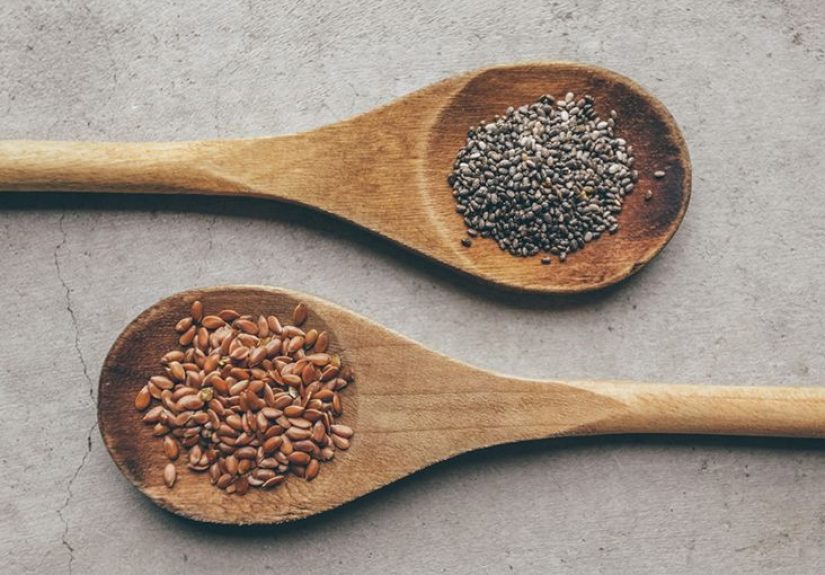
Chia comes from Salvia hispanica and is usually sold whole in black or white varieties. It tastes mild and swells into a gel in liquid. Flaxseed (linseed) is flatter, slightly larger, and tastes nuttier. You’ll see it whole or pre-ground as “flax meal.”
They get lumped together as “superfoods,” but the better framing is: they’re tiny tools. Chia is a texture-and-fiber tool. Flax is a lignan-and-omega-3 tool (with a fiber bonus). Your best pick depends on what you want the seed to do in your actual meals.
Nutrition face-off: what actually matters
Fiber
Chia is the fiber heavyweight. About two tablespoons (roughly an ounce) provides around 10 grams of fiberoften over a third of the daily value for many adults. Flax is also high in fiber, and many comparisons note that while chia wins on total fiber, flax often has a higher proportion of soluble fiber (the gel-forming kind associated with cholesterol support).
Omega-3 fats (ALA)
Both seeds are excellent plant sources of omega-3 fats, mainly ALA (alpha-linolenic acid). The key nuance: your body can convert ALA into EPA and DHA (the omega-3s found in fish), but the conversion is limited. Translation: ALA is helpful, just not a perfect stand-in for fish-derived omega-3s if that’s your target.
In many nutrition comparisons, flax comes out a bit higher in ALA per spoonful. But the bigger difference is bioavailability: flax’s oils are easier to access when the seed is ground, while chia is typically fine whole.
Protein and minerals
Chia offers a strong mineral mix (magnesium, calcium, phosphorus) and a few grams of protein per serving. Flax also supplies protein and minerals, but its “signature” tends to be its lignans plus its ALA-rich oil. If you’re choosing based on minerals alone, it’s less “winner takes all” and more “both help, and your overall diet matters more.”
Antioxidants and lignans
Flax’s standout advantage is lignansplant compounds with antioxidant activity that show up in research on cardiovascular and metabolic outcomes. Chia has antioxidants too, but flax is more consistently highlighted for lignans in major nutrition and medical sources.
Calories and macros: will either seed “help me lose weight”?
Let’s get real: seeds are nutrient-dense, which also means they’re calorie-dense. The upside is you don’t need much. One to two tablespoons is common, which usually adds somewhere in the neighborhood of 40–140 calories depending on the seed and serving size.
Neither chia nor flax is a weight-loss hack. What they can do is help your meals feel more satisfyingmostly through fiber, texture, and the way they bulk up foods. Chia’s gel can make a snack feel bigger. Flax adds “staying power” to oatmeal or baked goods without changing taste much. If you use either seed to replace something less filling (like refined carbs or sugary toppings), they can support weight goals indirectly. If you add them on top of everything and call it “balance,” the math still matters.
Quick comparison table
| Category | Chia | Flax |
|---|---|---|
| Texture | Gels in liquid | Blends in when ground |
| Fiber | Higher total fiber | Often more soluble-fiber share |
| Signature perk | Satiety-friendly “gel” | Lignans (antioxidant compounds) |
| Best prep | Whole is fine | Ground is best |
| Best for | Easy fiber, texture, fullness | Cholesterol focus, baking, lignans |
Health benefits: where each seed tends to shine
Cholesterol and heart markers
Flax has a stronger research track record for lowering total cholesterol and LDL (“bad”) cholesterol, especially when people use whole or ground flaxseed rather than flax oil alone. If your doctor ever said “let’s work on LDL,” flax is the seed that keeps popping up in clinical summaries.
Chia supports heart-friendly eating mainly by helping you raise fiber intake and swap in nutrient-dense ingredients (think: chia instead of candy sprinkles, not chia plus candy sprinkles). Human study results vary, which often happens when researchers test small add-ons in real, messy diets.
Blood pressure
Flax appears frequently in blood pressure research, including randomized trials and meta-analyses suggesting modest reductions in people with hypertension. The effect isn’t guaranteed and depends on dose, duration, and baseline blood pressurebut flax generally has the clearer edge here.
Fullness, cravings, and blood sugar steadiness
Chia’s gel-forming fiber makes it uniquely useful for satiety. When it hydrates, it thickens foods and can help some people feel fuller longer. In practice, that’s why chia pudding and overnight oats get such a loyal fan base: they’re convenient and they keep you from raiding the snack drawer two hours later.
Flax can support blood sugar steadiness too (fiber + fats), but chia is often easier to use as a “volume” strategy because it physically expands in liquid.
Gut health and regularity
Both can help, but start gradually. Jumping from low fiber to “seed enthusiast” overnight can lead to bloating, gas, constipation, or diarrheaespecially if water intake doesn’t increase along with fiber. Add one teaspoon a day for a week, then level up. Your gut appreciates a slow onboarding process.
Bioavailability and prep: the “do I need a gadget?” question
Grinding flax
For flax, grinding matters. Whole flax has a tough outer shell, so grinding helps your body access its oils and bioactive compounds. If you buy whole flax for cost or freshness, grind small batches (coffee grinder = easiest) and store the ground flax in an airtight container in the refrigerator.
Soaking chia
Chia is simpler: you can eat it whole and still get benefits, though soaking makes it easier to digest for some people and avoids the “dry chia” problem. Soaking also unlocks chia’s best featureits gelwhich makes it useful as a thickener and binder.
Buying and storing
Chia tends to be shelf-stable and forgiving. Ground flax is more delicate once opened because of its oils. If you buy flax meal, keep it sealed and cool, and consider smaller bags so you actually finish it before it tastes like cardboard’s sad cousin.
Safety and side effects: the boring part that keeps you out of trouble
- Go slow on fiber: both seeds can cause gas/bloating if you ramp up too quickly. Hydration helps.
- Medication checks: if you use blood thinners or have a bleeding/clotting disorder, ask a clinician before adding large daily amounts.
- Pregnancy and breastfeeding: talk to a healthcare professional before using flaxseed supplements or large supplemental doses.
- Don’t eat dry chia by the spoonful: it swells in liquid, so mix it into wet foods or soak it first.
Which seed should you pick? A goal-based cheat sheet
Pick chia if…
- You want an easy, high-fiber add-on with minimal prep.
- You like thick textures (pudding, overnight oats, smoothies).
- You’re aiming to feel fuller between meals.
- You want something you can sprinkle without planning your day around a grinder.
Pick flax if…
- Your main focus is cholesterol support and heart markers.
- You bake often and want “stealth nutrition.”
- You want the lignan advantage (and you’re willing to use it ground).
- You prefer a nutty flavor that plays well with oats, nut butters, and cocoa.
Pick both if…
You want variety and a wider spread of benefits. Use chia when you want texture and satiety; use ground flax when you want it to disappear into oatmeal or batter like a nutrition ninja.
Common mistakes (and how to avoid them)
- Going from 0 to 3 tablespoons overnight: start small and build up over 1–2 weeks.
- Adding seeds but not water: fiber works best when fluids are adequate.
- Buying flax and forgetting to grind it: whole flax looks wholesome, but ground flax is where the payoff is.
- Expecting miracles: seeds support a healthy pattern; they don’t cancel out “all fries, no sleep.”
How to eat them without turning meals into glue
- Chia pudding: 2–3 tbsp chia + 1 cup milk, sweeten lightly, chill.
- Smoothies: add 1 tbsp chia or 1 tbsp ground flax.
- Oatmeal: stir in 1 tbsp chia after cooking or 1 tbsp ground flax anytime.
- Salads: sprinkle chia for crunch, or whisk ground flax into dressing for body.
- Flax egg: 1 tbsp ground flax + 3 tbsp water, let gel 5–10 minutes for baking.
The bottom line
Chia and flax are both excellent choices. Chia is the easy fiber-and-satiety champion. Flax has stronger evidence for cholesterol outcomes, brings lignans, and has more consistent blood-pressure findingsespecially when eaten ground. The “healthier” seed is the one you’ll use consistently (and enjoy enough to keep buying).
Real-life experiences and mini-experiments (extra ~)
Nutrition labels are neat, but your kitchen is where the truth lives. Here are the most common real-world experiences people have when they actually start using chia and flaxno lab coats required.
Experience #1: The chia pudding honeymoon (and the frog-spawn phase)
Chia pudding is the gateway snack because it’s make-ahead and oddly satisfying. The first batch is usually optimism. The second batch is learning that too much chia turns your dessert into a spoonable science project. The sweet spot for most people is 2–3 tablespoons per cup of liquid. Anything beyond that can feel like you’re eating a polite bowl of tiny bubbles.
Flavor is the secret weapon. Chia itself is mild, so vanilla, cocoa, cinnamon, fruit, or a little maple syrup does the heavy lifting. When people like chia pudding, it’s usually because it keeps them full and reduces “I need a snack NOW” emergencies. When they don’t like it, it’s almost always textureso blending the pudding or using it in overnight oats can fix the problem.
Experience #2: Chia quietly upgrades hydration
Chia absorbs water. Used well (oatmeal, yogurt, smoothies), that’s a feature. Used poorly (dry seeds on a spoon), it’s a bug. In everyday life, many people naturally drink more water once they add chia because high-fiber foods tend to feel better with hydration. If they don’t, the gut complaints show up: bloating, constipation, and a sudden interest in reading articles about fiber. Starting with a teaspoon and working up is the easiest way to keep your digestive system cooperative.
Experience #3: Ground flax is the stealth MVP
Ground flax is perfect for people who want the benefits without the fanfare. Stir a tablespoon into oatmeal, pancake batter, yogurt, or a smoothie and it mostly tastes faintly nuttylike your breakfast went to a farmers’ market once and came back with a personality. That “blends in” vibe is why flax is often easier to use daily than chia.
The big “aha” moment is realizing that whole flax can pass through without releasing much nutrition. Once people switch to ground flax, they feel like their habit finally counts. The only catch is storage: keep it sealed, preferably refrigerated, so the oils stay fresh.
Experience #4: The baking test
If you bake, flax is absurdly useful. A flax “egg” (ground flax + water, left to gel) binds muffins and pancakes surprisingly well. It won’t behave exactly like a chicken egg in every recipe, but it’s a strong option for quick breads and cookies. Chia can also gel and bind, yet flax usually blends more smoothly into batters without adding noticeable crunch.
Experience #5: The “which one should I buy?” reality check
Many households end up with both: chia becomes the “easy snack seed” (pudding, yogurt bowls, overnight oats), while flax becomes the “daily stealth seed” (oatmeal, smoothies, baking). If you have to choose just one, the healthiest decision is the most boring one: pick the seed you’ll use at least four times a week. Consistency beats perfectionand it’s hard to be consistent with something you don’t enjoy.