Table of Contents >> Show >> Hide
Fasting sounds simple until your stomach starts negotiating like a tiny, dramatic lawyer. The big question is usually not whether you can survive without breakfast; it is whether a glass of juice counts as “nothing” or whether it quietly sneaks calories into the conversation. The short answer is that juice usually does not fit a strict fast, because mainstream guidance from places like Cleveland Clinic, Johns Hopkins Medicine, Harvard Health, the NIDDK, and the National Institute on Aging consistently points to plain water and other zero-calorie drinks as the fasting-friendly choices.
That said, fasting is not one-size-fits-all. A religious fast, an intermittent fast, a medical fast before a procedure, and a juice cleanse are all different animals wearing similar sneakers. In a strict fast, juice is usually a skip. In a more flexible approach, juice may appear later in the day or outside the fasting window. The trick is matching the drink to the goal, because “fasting” can mean anything from “no calories at all” to “a simplified eating routine with rules.”
What fasting actually means in practice
When most health organizations talk about intermittent fasting, they usually describe a period when you avoid calories. Johns Hopkins Medicine says water and zero-calorie beverages like black coffee and tea are permitted during the fasting period, while Harvard Health similarly notes that plain water, tea, or coffee are the safe bets during the fast. Cleveland Clinic gives the same basic message and adds that sparkling water is also fine, as long as it has no calories.
The reason this matters is simple: once a drink has calories, sugar, or meaningful carbohydrate content, it stops behaving like a true fasting drink. Healthline’s review of what breaks a fast points out that some drinks and supplements can end a fast depending on what they contain, especially sugar. The American Diabetes Association also reminds readers that fruit juice is a carbohydrate source, and the FDA notes that sugars can be naturally present in fruit-based beverages and can also appear as added sugars in concentrated fruit products.
Can you drink juice while fasting?
For a strict fast, the answer is usually no. Juice is not calorie-free, and it is not sugar-free. Even 100% juice is still juice, which means natural sugars and carbohydrates are still on board. The American Heart Association warns that juice is generally less filling than whole fruit and may deliver extra calories with less fiber. That is exactly the kind of trade-off that makes juice a poor fit for a clean fasting window.
Think of it this way: plain water is the quiet friend who sits in the corner and does not make a scene. Juice is the friend who shows up with a megaphone and a sugar packet. If your goal is to stay in a fasting state, juice usually counts as intake rather than a neutral sip. That is why many fasting guides recommend avoiding fruit juice, sweet tea, soda, sports drinks, milk, and anything else that clearly brings calories to the party.
Strict fast vs. flexible fast
Some people fast for a clear health goal, such as time-restricted eating or a low-calorie schedule. Others fast for medical testing, procedures, or religious reasons. Those goals can have different rules. In flexible fasting plans, a small amount of juice might appear outside the fasting window. In a strict fast, it is usually a no-go. For medical fasting or procedure prep, the instructions from the clinician matter more than any internet tip, because some protocols allow only water while others specify clear liquids and a cutoff time.
What to sip instead
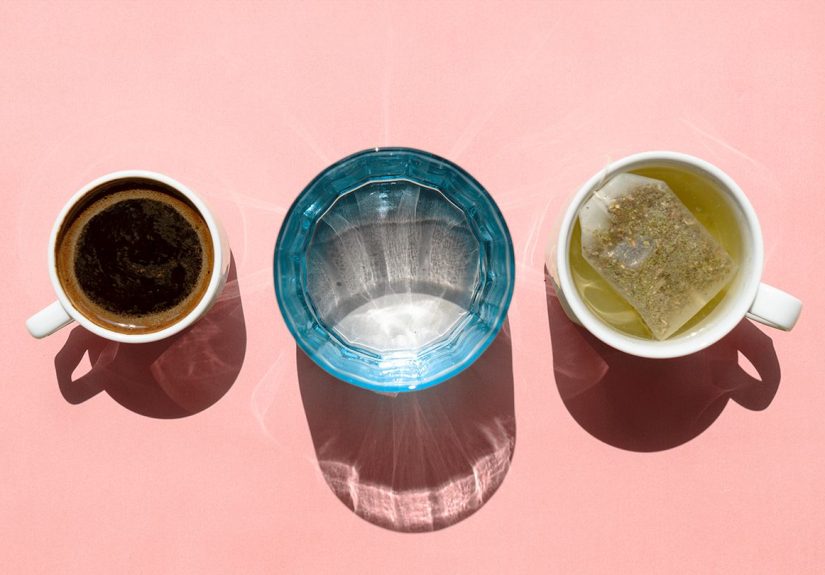
If your aim is to keep the fast clean, boring is beautiful. Water should be your default. Sparkling water is fine if it has no sugar or calories. Black coffee and unsweetened tea are also widely accepted in fasting plans. The National Institute on Aging notes that coffee and tea contribute very few calories unless sugar or cream is added, which is exactly why they can fit into a fasting routine when kept plain.
- Plain water the universal, zero-drama choice.
- Sparkling water helpful when plain water feels too plain, as long as it has no sugar or calories.
- Black coffee acceptable in most intermittent fasting plans if you keep it unsweetened and uncreamed.
- Unsweetened tea green, black, or herbal tea can work if nothing sweet is added.
- Plain lemon water some guides consider it acceptable if you do not add sugar, but stricter fasts may still prefer plain water only.
What to skip
The skip list is not glamorous, but it is useful. Fruit juice is the obvious one. Orange, apple, grape, pineapple, cranberry cocktail, and similar drinks all bring sugar and calories. Sweetened beverages such as soda, sweet tea, sports drinks, and sweetened coffee drinks also break the fasting vibe fast. The American Diabetes Association specifically flags sugary drinks as beverages that raise blood glucose and can deliver a lot of calories in one serving.
“But it is 100% juice,” someone says, holding up a bottle like evidence in a courtroom. That label does not make it fasting-friendly. The FDA explains that fruit juices can contain sugars naturally present in fruit, and concentrated juice ingredients can also appear in foods and drinks as sources of sugars. The American Heart Association also reminds readers that juice is less filling than whole produce and can bring extra calories without the fiber that helps you feel satisfied.
One more thing to skip during a fast: the “just a little splash” mindset. A small splash may seem harmless, but it is still a dietary decision, not a zero-calorie beverage. If the goal is to keep insulin changes, digestion, and calorie intake as low as possible, the cleaner choice is the drink that does not require negotiation with a fruit basket.
When juice might still make sense
Juice can make sense when you are not trying to maintain a strict fast. For example, it can be useful during your eating window, after exercise, or as part of a balanced snack. The American Heart Association notes that 100% juice can count toward fruit servings, but it still is not as filling as whole fruit and should not be your only fruit strategy. That makes juice more of a supporting player than a star.
If your fasting routine is for weight management, juice usually deserves caution. Cleveland Clinic notes that replacing meals with juice is not a healthy weight-loss approach, because juice does not provide the same protein, fat, and fiber as a well-rounded meal. In other words, juice may feel light, but it is not a magic shortcut. It is still a calorie source, just in a prettier glass.
Special situations: medical tests, procedures, and medications
Medical fasting is its own universe. Mayo Clinic explains that clear-liquid diets may allow specific liquids such as water or broth in certain situations, but these plans are short-term and should be followed exactly as prescribed. A National Institute on Aging protocol for sample collection also shows how specific fasting instructions can be, allowing water but excluding coffee, tea, or other liquids before collection. That means you should never assume juice is acceptable just because the word “fasting” is being used.
If you have diabetes, take medications, are pregnant, are prone to dizziness, or are fasting for a medical reason, the safest move is to follow the exact instructions given by the clinician, because beverage rules can change depending on the test or condition. The NIDDK and Harvard Health both emphasize that fasting advice is not one-size-fits-all, especially when health conditions are involved.
Quick decision guide
If the goal is a strict intermittent fast, skip juice and stick with water, black coffee, or unsweetened tea. If the goal is a flexible eating schedule, juice may fit outside the fasting window. If the goal is a medical fast, follow the exact prep instructions and do not improvise. That simple three-part rule keeps you from accidentally turning a fasting plan into a very expensive snack break.
What people actually notice when they try fasting without juice
One of the most common experiences is the “false alarm” hunger wave. A person starts fasting, reaches for juice because it feels gentle and safe, and then realizes the juice often makes them more aware of eating rather than less. That is not because the body is broken; it is because sweetness can make the brain pay attention. Cleveland Clinic’s fasting guidance recommends watching what you drink, since beverages with calories can interfere with the fasting state, and Harvard Health likewise keeps the fasting period centered on plain water, tea, or coffee.
Another common story comes from morning routines. Someone wakes up, wants something “just a little better than water,” and reaches for orange juice. It feels healthy because it comes from fruit, but the glass behaves more like a small carbohydrate serving than a neutral beverage. The American Diabetes Association notes that fruit juice contains carbohydrate, and the American Heart Association explains that juice is less filling than whole fruit because it lacks the same fiber structure. That is why juice can be easy to drink and easy to overdo.
People also run into trouble on workout days. A fasted workout can feel fine with water or plain coffee, but juice changes the game because it brings in quick sugar. The American Heart Association says juice can help provide carbohydrates and hydration after exercise, which is useful in the right context, but that is different from sipping it during a fast. The lesson is that “good for recovery” and “good for fasting” are not the same label.
Social situations create another common experience. At brunch, office breaks, or family gatherings, juice often appears like a polite option. People reach for it because it feels lighter than soda and less intense than coffee. But fasting works best when the rules are clear before the social moment arrives. If the plan says “no calories,” then the sweet drink in the pitcher is not a loophole; it is a choice to pause the fast. Having sparkling water, plain tea, or black coffee ready makes the social side much easier.
Another lesson comes from label reading. Many people assume “natural” means “fasting-safe,” but nutrition labels do not care about vibes. They care about calories, sugars, and serving sizes. The FDA explains how added sugars and concentrated fruit juices show up on labels, and the American Diabetes Association reminds readers that sugary drinks can send blood glucose up quickly. That is why a bottle with a wholesome-looking peach or mango on the front is still not automatically a fasting beverage.
Some people also discover that headaches and irritability are really hydration problems in disguise. Cleveland Clinic’s fasting safety advice emphasizes drinking plenty of water and easing into fasting instead of jumping in with sugar-heavy habits. Johns Hopkins Medicine and the National Institute on Aging similarly keep the fasting drink list simple, which is often a kindness to the body, not a punishment. When the stomach is empty, plain water usually does more good than a sweet drink trying to act innocent.
Then there are the people who try a juice-only plan and assume it is “basically fasting.” In reality, that becomes a different kind of diet pattern. Cleveland Clinic warns that using juice as a meal replacement is not the healthiest path to weight loss because it does not deliver balanced nutrition. The better lesson is not that juice is evil; it is that juice has a job, and that job is usually not “keep a fasting window pristine.”
There is also the beginner who begins with too much complexity. They ask whether apple juice is okay, then whether diluted juice is okay, then whether only one sip counts, then whether flavored water with a hint of fruit is still fasting. That spiral is very human. The simpler route is usually best: during the fast, choose drinks that bring zero calories or as close to zero as your plan requires. The more you have to explain the drink, the more likely it is not a fasting drink.
One practical experience worth noting is how much easier fasting becomes when the drink plan is set in advance. If a person keeps chilled water, plain sparkling water, unsweetened tea, and black coffee ready, there is less temptation to wander into the juice aisle. That tiny bit of planning often makes the whole routine feel calmer, especially during the first few days when habits are still being formed. Cleveland Clinic and Harvard Health both frame fasting as a plan that works better when the routine is clear and consistent.
Another useful real-world lesson is that fasting gets confusing when people blend goals. Someone may be trying to lose weight, improve blood sugar control, and follow a procedure prep all at once. Those are related goals, but they are not identical. For blood sugar management, the American Diabetes Association’s guidance on sugary drinks and fruit juice matters. For weight loss, the calorie content matters. For medical prep, the clinician’s instructions matter most. The winning move is to pick the rulebook that matches the reason for the fast.
Finally, many people notice that once they stop treating juice as a “free” drink, the rest of fasting becomes less mysterious. Water tastes fine. Tea feels intentional. Coffee becomes a tool rather than a dessert. And the whole plan becomes easier to maintain because there is no constant debate about whether the glass in hand is helping or quietly rewriting the rules. That clarity is a big part of why so many reputable health sources keep returning to the same advice: keep fasting drinks simple, low-calorie, and unsweetened.
The bottom line
Can you drink juice while fasting? In most strict fasting plans, no. Juice contains calories and sugar, so it usually ends the fast rather than preserving it. If your fasting plan is more flexible, juice may belong in the eating window instead of the fasting window. For medical fasting, the exact instructions from the doctor or facility always win. When in doubt, keep it simple: water, black coffee, and unsweetened tea are the safest bets. Juice is delicious, but during a fast it is usually more of a guest star than a background extra.
Note: This article is for general education only and is not a substitute for advice from your clinician, especially if you are fasting for a medical test, procedure, or health condition.