Table of Contents >> Show >> Hide
- YesKids Can Get Restless Legs Syndrome
- What RLS Feels Like in a Kid (Spoiler: They Rarely Say “It’s RLS”)
- RLS vs. Growing Pains vs. “My Kid Just Won’t Settle Down”
- What Causes RLS in Children?
- How Doctors Diagnose Restless Legs Syndrome in Kids
- Treatment: What Actually Helps Kids With RLS
- When to Call the Pediatrician (or a Sleep Specialist)
- Living With Pediatric RLS: Practical Tips That Don’t Feel Like Homework
- FAQ: Quick Answers Parents Actually Want
- Experiences: What Pediatric RLS Can Look Like in Real Life (Composite Stories, +)
- Conclusion
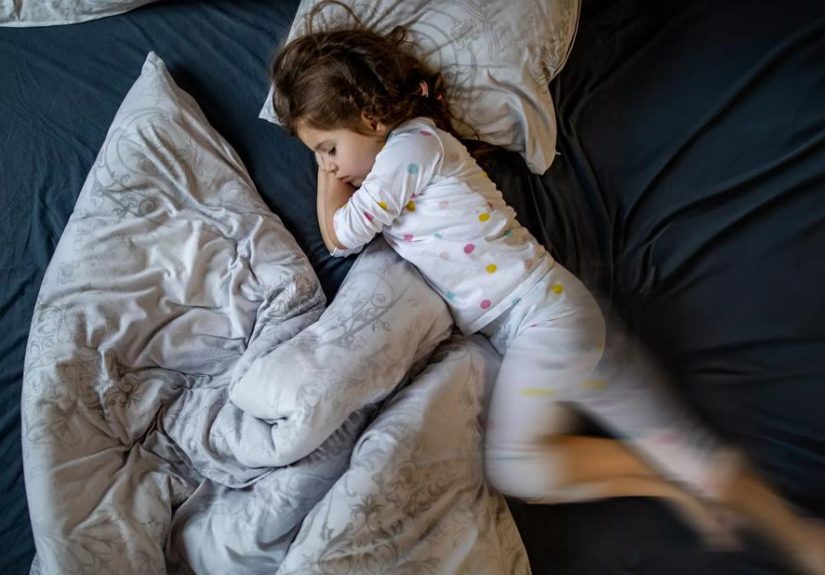
If your child looks peaceful in bed… until their legs start doing a tiny breakdance routine, you’re not alone. Restless legs syndrome (RLS) isn’t just a “grown-up problem.” Kids can absolutely get itsometimes as early as childhoodand it can mess with sleep in ways that ripple into school, mood, and family life.
The tricky part? RLS in kids often wears a disguise. It can look like “growing pains,” bedtime stalling, anxiety, or even ADHD. So let’s unwrap what pediatric RLS actually is, what it feels like, how it’s diagnosed, and what helpswithout turning your evening routine into a nightly leg negotiation summit (although… that may still happen).
YesKids Can Get Restless Legs Syndrome
Restless legs syndrome is a neurological sensorimotor condition that creates an uncomfortable urge to move the legs. While it’s more common in adults, children can have it too. Estimates often place pediatric RLS in the range of a few percent of kids in the U.S., meaning it’s not rareit’s just frequently missed.
Some people develop symptoms early in life, and family history can play a big role. In other words: if RLS runs in the family, a child’s “wiggly legs” may be more than a quirky bedtime habit.
What RLS Feels Like in a Kid (Spoiler: They Rarely Say “It’s RLS”)
Adults often describe RLS as creeping, crawling, tingling, pulling, or burning sensations. Kids may not have the vocabulary (or patience) for that. Instead, they might say:
- “My legs feel weird.”
- “It’s like bugs in my legs.”
- “My legs need to move.”
- “It feels itchy inside.”
- “I can’t get comfy.”
What matters most isn’t the exact wordingit’s the pattern. Classic RLS symptoms tend to follow four key themes:
The 4 Clues That Point Toward RLS
- Urge to move the legs (usually because of uncomfortable sensations).
- Worse during rest (sitting still, lying down, long car rides, movie night).
- Relief with movement (walking, stretching, wigglingat least temporarily).
- Worse in the evening or night (hello, bedtime).
RLS is not the same as “too much energy.” It’s more like your child’s nervous system is hitting the “move” button when they’re trying to be still. And yesthis often leads to trouble falling asleep, repeated awakenings, and cranky mornings that feel like they started at 3:00 a.m. (because they did).
RLS vs. Growing Pains vs. “My Kid Just Won’t Settle Down”
RLS is commonly confused with growing pains because both can show up at night and both can disrupt sleep. But they’re not identical twinsmore like cousins who borrow each other’s hoodies.
How RLS and Growing Pains Can Differ
- RLS: discomfort + urge to move; relief with movement; often worse at rest; can happen nightly.
- Growing pains: often described more as aching or soreness; may be linked to daytime activity; not always tied to an urge to move; relief may come from massage/comfort.
A helpful “tell” is whether stillness makes it worse and movement makes it better. If your child pops up to pace the hallway and comes back saying, “Better,” that leans more RLS than typical growing pains.
Why RLS Gets Confused With ADHD
Two big reasons. First, kids with poor sleep can look like they have ADHD: inattentive, impulsive, moody, and emotionally “sparkly” in the least convenient moments. Second, RLS can coexist with ADHD more often than you’d expect, and related sleep movement issues (like periodic limb movements of sleep) can add to daytime symptoms.
That doesn’t mean every child with ADHD has RLS or vice versa. It means that when sleep is disrupted, daytime behavior can get blamed on everything except the thing happening at bedtime.
What Causes RLS in Children?
Researchers link RLS to brain pathways involved in movement and sensation, particularly dopamine-related systems and iron’s role in the nervous system. In kids, RLS tends to fall into two broad buckets:
1) Primary (Often Familial) RLS
This form is more likely when there’s a family history. Symptoms can start earlier in life and may slowly evolve over time. If a parent, grandparent, or sibling has RLS, that family clue matters.
2) Secondary RLS (Often Linked to Low Iron Stores)
In children, one of the most talked-about contributors is low iron storessometimes even when standard anemia tests look “fine.” Iron isn’t just about red blood cells; it’s also important for brain function. For RLS, clinicians often focus on iron indices like ferritin (a marker related to stored iron), not just hemoglobin.
Other medical conditions can be associated with RLS in general, but in otherwise healthy kids, iron status and family history tend to be the biggest practical starting points.
How Doctors Diagnose Restless Legs Syndrome in Kids
Pediatric RLS diagnosis is mostly clinicalbased on history and symptom patterns. The challenge is that children may struggle to describe sensations, or they may normalize them because “my legs do this every night.”
What a Clinician Might Ask (and Why It Matters)
- When does it happen? Evening/night and at rest are key timing clues.
- What makes it better? Movement relief is a hallmark feature.
- Is there a family history? RLS commonly runs in families.
- Is sleep disrupted? Trouble falling asleep, night awakenings, restless sleep.
- Daytime impact? Sleepiness, irritability, focus issues, school problems.
When a Sleep Study Helps
A sleep study (polysomnography) isn’t required for every child with suspected RLS, but it can be useful when:
- Symptoms are unclear or overlapping with other sleep disorders.
- There’s concern for periodic limb movement disorder (PLMD) or significant limb movements during sleep.
- Another condition like sleep apnea is suspected alongside leg symptoms.
Importantly, RLS is a symptom-based diagnosis. A sleep study may support the picture, but it doesn’t replace listening carefully to what happens at bedtime and during quiet sitting.
Treatment: What Actually Helps Kids With RLS
The good news: many children improve when contributing factors are identified and addressed. The bad news: there’s no one magical fix that works for every kid, every night, forever. (If there were, it would be sold out and on backorder anyway.)
Step 1: Check Iron Status (With a Clinician)
Current clinical guidance emphasizes evaluating iron indices in RLS, and pediatric recommendations strongly highlight iron therapy as the main evidence-supported option for childrenwhen appropriate. This can involve lab testing and a supervised plan if iron stores are low.
Very important: do not start iron supplements on your own without medical supervision. Iron overdose can be dangerous, especially in children. This is one of those “helpful when needed, harmful when misused” nutrients.
Step 2: Build a “Leg-Friendly” Sleep Routine
If RLS likes two things, it’s stillness and nighttimeso routines should reduce both the discomfort and the stress around it.
- Consistent sleep schedule: steady bedtime and wake time, even on weekends (within reason).
- Wind-down movement: gentle stretching, a short walk, or kid-friendly yoga poses.
- Warmth and pressure: warm bath, heating pad (with supervision), or a weighted blanket if approved for your child’s age/needs.
- Massage: calves/feet can help some kids settle.
- Screen curfew: reduce stimulation close to bedtime (yes, we all know this is the hardest one).
Step 3: Watch for Common Symptom Boosters
Some kids notice RLS symptoms worsen with certain triggers. Not every trigger affects every child, but it can help to pay attention to patterns:
- Caffeine: sodas, energy drinks (not recommended for kids), chocolate in large amounts.
- Sleep deprivation: tired bodies often have louder symptoms at night.
- Long periods of sitting: car rides, flights, long classesplan movement breaks.
Medications: Usually Not the First Move for Kids
In adults, several medication options exist. In children, treatment recommendations are much more cautious. Recent clinical guidelines highlight oral iron (ferrous sulfate) as the only pediatric treatment recommended in that guidance, and even then it’s a conditional recommendationmeaning decisions should be individualized with a clinician.
If symptoms are severe, persistent, and disruptive despite addressing iron status and sleep habits, a pediatric sleep specialist or pediatric neurologist may consider additional approaches. But for most kids, the foundation is still: iron evaluation + sleep support + careful follow-up.
When to Call the Pediatrician (or a Sleep Specialist)
Consider bringing it up if your child has:
- Nightly or frequent leg discomfort that delays sleep
- Restless sleep or repeated awakenings
- Daytime sleepiness, irritability, or trouble focusing
- Symptoms that flare during long sitting (car rides, school, movies)
- A strong family history of RLS
Also mention it if your child has signs that could suggest low iron storessuch as unusual cravings for non-food items (pica), persistent fatigue, or dietary limitationsso the clinician can decide whether testing is appropriate.
Living With Pediatric RLS: Practical Tips That Don’t Feel Like Homework
RLS management is often about tiny upgrades that add up. A few ideas families commonly find helpful:
Make Stillness Optional
- At movies or dinner: allow quiet leg movement, a small foot roller, or seated stretches.
- On car rides: schedule quick “wiggle stops,” especially for longer trips.
- Homework time: short movement breaks can prevent the “I can’t sit” spiral.
Create a Bedtime “Leg Menu”
Instead of arguing about whether the sensation is real (it is), offer options: warm bath, stretching, massage, a quick walk down the hallway, then back to bed. Kids often do better when they can choose from a short list of coping tools.
Talk About It Like a Body Signal, Not a Behavior Problem
Kids can internalize sleep struggles as “I’m bad at bedtime.” Reframing helps: “Your legs are sending extra signals at night. We’re going to help your body calm those signals.”
FAQ: Quick Answers Parents Actually Want
Can a toddler have RLS?
RLS can start in childhood, but diagnosing very young children is harder because they may not describe sensations clearly. Clinicians may look for patterns, family history, and sleep disruptionand rule out other causes.
Is RLS dangerous?
RLS isn’t usually dangerous in itself, but it can seriously disrupt sleep. Chronic poor sleep can affect mood, learning, behavior, and family functioningso it’s worth addressing.
Will my child outgrow it?
Some children improve significantly when contributing factors like low iron stores are corrected and sleep schedules stabilize. Others may have symptoms that come and go. A clinician can help track patterns over time.
Can diet alone fix it?
A balanced diet that supports healthy iron intake can help overall health, but RLS management usually requires a targeted approachespecially if iron stores are low. Don’t assume “more spinach” is the full solution without evaluation.
Experiences: What Pediatric RLS Can Look Like in Real Life (Composite Stories, +)
Every child’s experience is unique, but families often describe surprisingly similar moments. The examples below are compositesmeaning they reflect common patterns clinicians and parents talk about, not one specific child’s story. Think of them as “you might recognize this” snapshots.
1) The Seven-Year-Old Who Couldn’t “Turn Off” at Bedtime
One family described bedtime like a perfectly choreographed routine… until the final step: lying still. Their seven-year-old would happily brush teeth, pick pajamas, and choose a book. But the moment the lights dimmed, the child started kicking blankets off, rubbing feet together, and asking to get up “one more time.”
The parents first assumed anxiety or stalling. But the child wasn’t asking for water or extra storiesshe kept saying, “My legs feel fizz-y.” She’d hop out of bed, march in place for 30 seconds, and then return looking relieved… for about two minutes. The pattern repeated until everyone was frustrated.
What finally helped the conversation with a clinician was the pattern: worse at rest, better with movement, mainly in the evening. The family began a gentle stretch-and-walk wind-down and tracked when symptoms happened. That record made it easier for the clinician to decide what to evaluate next and how to support sleep.
2) The Middle-Schooler Who “Hated Long Car Rides” (But Couldn’t Explain Why)
Another common story shows up outside bedtime. A middle-school student dreaded car rides longer than 20 minutes. During family trips, he’d unbuckle, squirm, and insist on stoppingthen immediately feel better when he could walk. Everyone thought he was being dramatic or bored.
Later, the same child started struggling at night: he’d say his legs “needed stretching,” even though he played sports and seemed physically fine. The family noticed the discomfort wasn’t really about sore muscles after activity; it was about stillness. Once they started treating long sitting as a symptom triggerplanning movement breaks and using simple seated stretchesthe conflict level dropped. Not because the child “learned discipline,” but because his body got what it was asking for: motion.
3) The Teen With Focus Issues Who Was Actually Sleep-Deprived
Teens can describe sensations more clearly, but they often shrug them off. One teenager explained it as “this annoying urge to move my legs when I’m trying to sleep,” and admitted he sometimes stayed up late scrolling because “it distracts me from the feeling.” That created a loop: worse sleep led to worse symptoms, which led to later nights.
In school, he was labeled unfocused and irritable. Teachers saw a student who couldn’t sit still. At home, his family saw a teen who was “always tired” but “never goes to sleep.” The missing piece was the nighttime pattern.
When families and clinicians treat sleep as a health issuenot a motivation issueplans become more practical. Teens often respond well to having a short toolkit: a consistent schedule, a brief stretch routine, warm shower, and clear boundaries around screens. If a clinician evaluates iron status and other contributors, the teen may finally feel like the problem has a name and a strategy, not just a lecture.
The big takeaway from these shared experiences is simple: pediatric RLS often hides in plain sight. It can look like defiance, anxiety, hyperactivity, or “just a phase.” But when the pattern fitsworse at rest, relief with movement, evening/night timingkids deserve a real evaluation and real support.
Conclusion
Kids can get restless legs syndrome, and it’s more common than many people realize. The biggest challenge isn’t that it’s mysteriousit’s that it’s misunderstood. RLS can masquerade as growing pains, ADHD-like restlessness, or bedtime battles, especially when children don’t have the words for what they feel.
If your child regularly struggles with “weird legs” at night, can’t settle during rest, or sleeps poorly and pays for it the next day, it’s worth bringing up with a pediatrician. With thoughtful history-taking, attention to iron status, and practical sleep strategies, many children can get real reliefand families can finally stop negotiating with bedtime legs like they’re a separate household member.